Maria’s Aging Solo Story

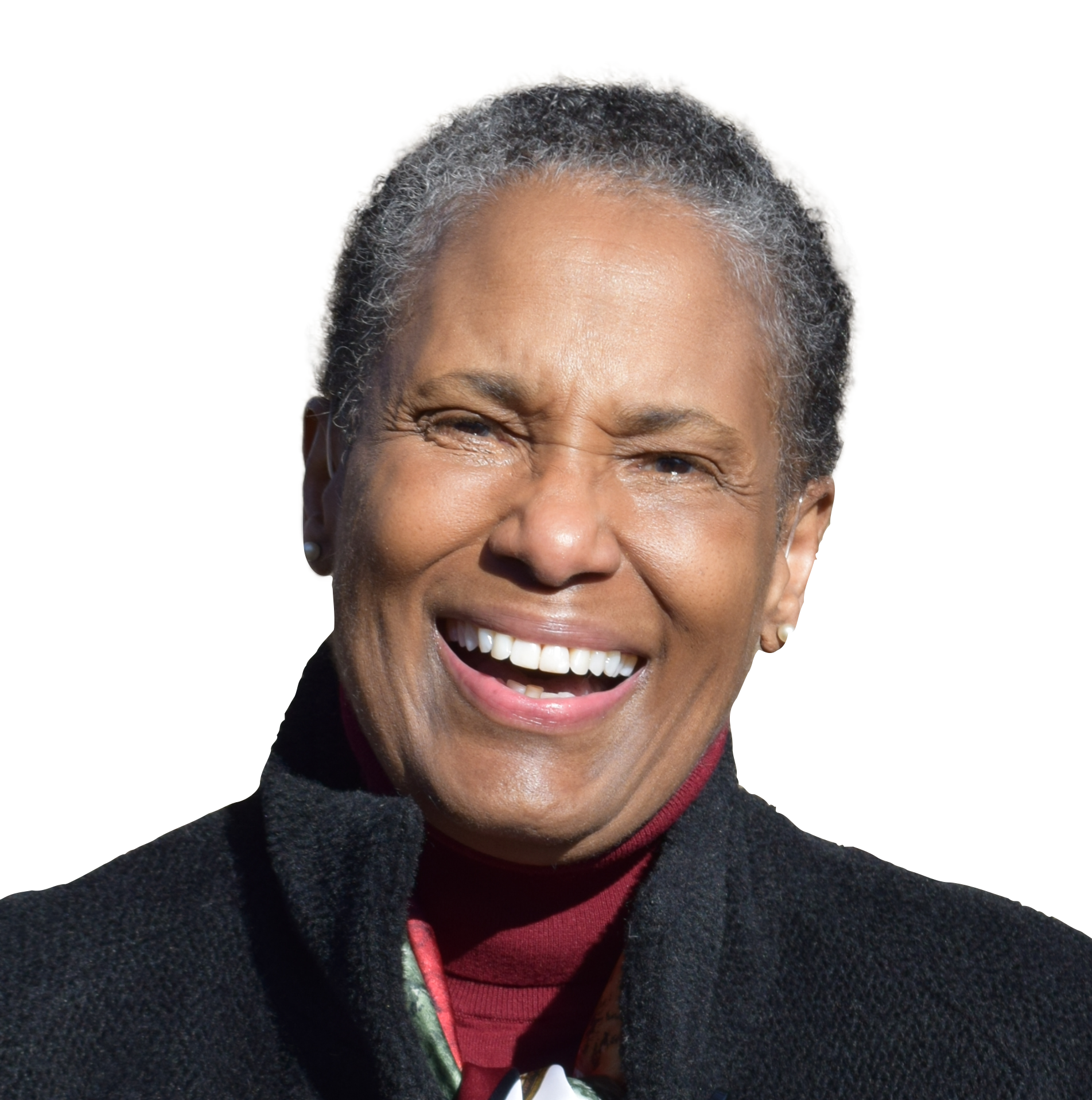
When she was in her forties and fifties, Maria Thompson, 66, never gave much thought to getting older. “Aging seemed a little distance away,” she says. “I didn’t take it that seriously.”

Recently, Maria retired and had to start watching her spending. Her relationships with family were also strained. “I started wondering, ‘How am I going to age by myself?’” she says.

Several months into the pandemic, Maria received an email about Aging Solo—Iona’s six-week online series that addresses the practical
aspects of planning for aging. “I wanted to learn what I needed
to do to put myself in a position where in old age and death I don’t
impose on anyone,” she says.

“At first I was overwhelmed,” says Maria. “But I started hammering
through the booklet, and I called Iona’s Helpline. It helped me make some real concrete decisions.”

One of the biggest changes in Maria’s life since taking Aging Solo has been downsizing her apartment. “Because of Aging Solo, I knew that now was the time to do it,” she says. “I’m glad I did. There was so much stuff I didn’t want, need, or even remember I had!”

Aging Solo has also played an important role in helping Maria strengthen her social network. “I have been much more proactive in solidifying my friendships and family ties—which is a major step for me,” she says. “I have gotten much closer to my sisters, aunts, cousins, and nieces, and it has made me feel so connected.”

“Every person aged 55 and older should take Aging Solo,” says Maria. “It’s a very important program.”

Celebrating National Social Work & Nutrition Month

March is National Social Work Month and National Nutrition Month. In celebration, Iona would like to introduce our teams working in these fields and explain what they do for our clients every day.

Social Work Team

Social workers are critical to Iona’s mission. They protect vulnerable older adults in the community and provide assistance and support to family caregivers. Case management services provided by Iona social workers might include helping older adults apply for public benefits, scheduling medical appointments, and assessing how well an older person is managing on their own .

Many of our social workers provide specialized supports. In Iona’s Money Management Program, social workers help older adults manage their finances and work to prevent financial abuse. Dementia Navigators, who are embedded within Sibley Memorial Hospital’s citywide Club Memory® program, support older adults with dementia and their family caregivers by providing care plans, activities, and linking them to community programs.

Other Iona social workers facilitate support groups or provide mental health psychotherapy for older adults and family caregivers. Iona’s two adult day health centers–the Wellness & Arts Center and The Washington Home–each provide an onsite social worker for participants and their families. Each year, graduate social work interns from local universities get in-depth field experience by supporting Iona clients and programs. Finally, Iona’s Helpline is staffed five days a week by social workers ready to answer questions and offer help to the community.

Nutrition Team

Iona’s Nutrition team works quickly–and for good reason. Each year, thousands of older adults across Washington, DC rely on Iona to facilitate the delivery of meals, groceries, basic necessities, and nutrition supplements.

Services provided by our Nutrition team include:

  • Nutritional counseling, assessments, and information
  • Nutrition supplements to prevent malnutrition
  • Home delivered weekday and weekend meals (provided with support from the D.C. Department of Aging and Community Living)
  • Iona’s Food Pantry Plus, which provides free home deliveries of shelf-stable food, toiletries, paper products, and cleaning supplies

Thank you to our incredible teams for their hard work supporting older adults and family caregivers!

By Lauren Stephenson

Food Pantry Plus Results – Thank You to Our Community


Last week, we sent an urgent call to the community to help us restock our Food Pantry with canned goods, cleaning supplies, and other home products. We’re in awe and grateful for the community response!

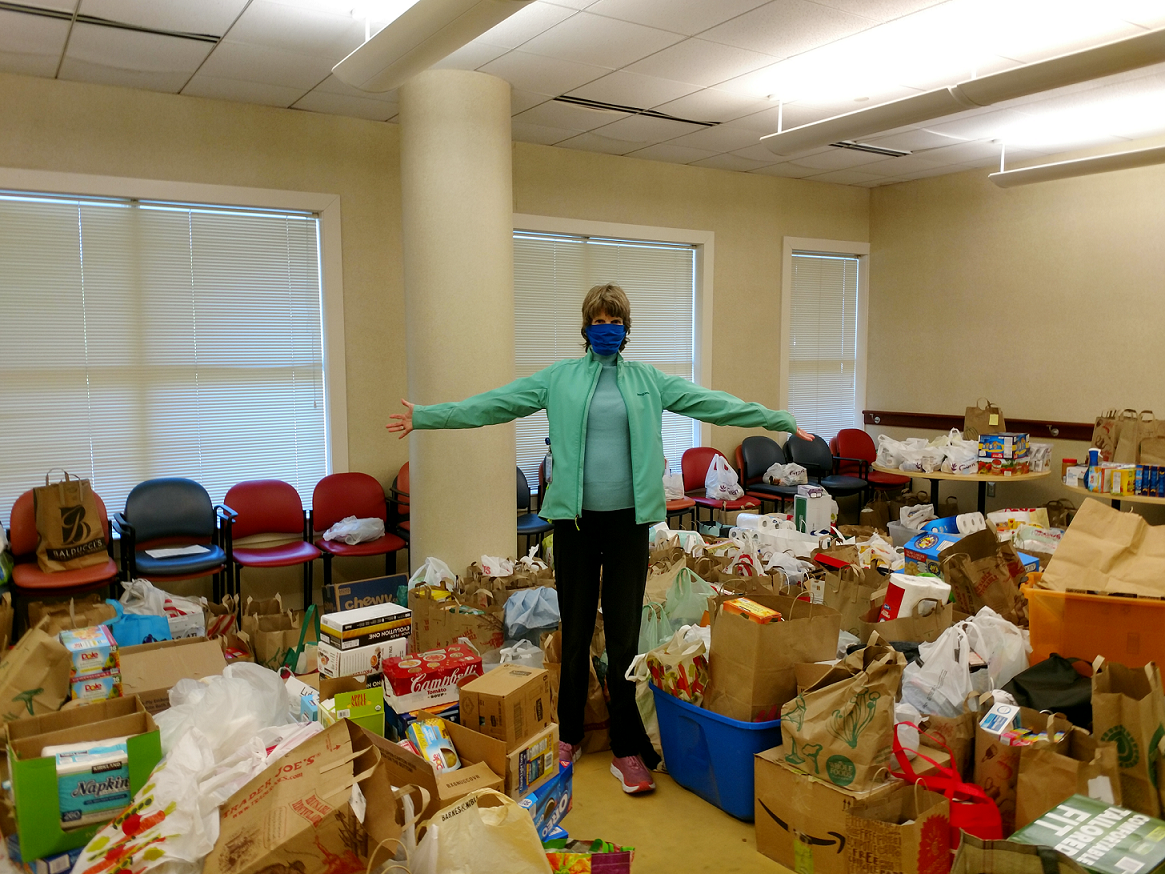
We’re so thrilled to share that we had more than 200 cars drop off items at Iona on Saturday. It was amazing! Our fitness room is FULL with food and household items to be sorted and distributed to our clients’ doorsteps. Thank you so much to those who donated, the staff who organized these efforts, and to the volunteers who helped us collect the items while practicing good social distancing. It is comforting to know that we can lean on caring friends like you to get us through these unprecedented times.

Many of you have asked if you can still donate items to our pantry—as you can see from the photos, we are at full capacity! Because we don’t yet know how long we will be in this crisis, or the extent that it will impact the community we serve—we may hold a pantry drive again in the future. We will communicate about future drives via email and on our social media. You can also contribute to our work by making a donation online here.

Thank you for your kindness and generosity!

Resource List for COVID-19: How Retailers and Others are Responding to Help Older Adults

As the COVID-19 outbreak continues to affect our daily lives, various retailers, companies, and restaurants are responding by taking steps to help create a more comfortable and safe shopping experience for older adults or people with underlying health issues—a segment of people believed to be most vulnerable to the spread of the coronavirus.

Here is a growing list of resources for you.

This is an expanding list! Please let us know if you know of other store updates by leaving a comment.

“Eat Right, Bite by Bite” with Iona’s Nutrition Team

Healthy aging encompasses a lifelong love of good food and positive food experiences. Every March since 1980, the Academy for Nutrition and Dietetics leads a month-long celebration, National Nutrition Month®, dedicated to the role food and nutrition play in living a healthy lifestyle. The theme for 2020 is “Eat Right, Bite by Bite.” The overall message is that the best diet isn’t restrictive, and that meaningful, small changes over time add up to better overall physical and emotional health and wellness.

As Iona’s Nutrition Program Manager and RDN since 2008, I have the privilege of working with a wonderful team of professionals and volunteers:

  • Jakia Muhammad: Home Delivered Meals Coordinator, Supplement Program Coordinator
  • Michele McNally: Home Delivered and Holiday Meals Volunteer, Supplement Volunteer, Volunteer Grocery Shopper
  • Judy Portnoy: Former longtime Weekend Meals Volunteer
  • Jean Johnson, MS, RDN: Volunteer Nutritionist
  • Ashlea Steiner: Former Food Access and Farm to Table Coordinator and Iona’s DC Administration on Aging Project Director
  • Chris Brentin, MS, LDN, CNS: Part-time Nutritionist
  • Courtney Tolbert: Program Manager, Iona’s Active Wellness Program at St. Alban’s
  • Nathaniel Tolbertsmith: St. Alban’s Assistant and Weekend Meals Coordinator
  • Tania Sechriest: Volunteer Program Manager and Weekend Meals Coordinator

We are ground zero for all of Iona’s critical food and nutrition programs, which include:

  • Home-delivered weekday and weekend meals provided to 175 older adults weekly
  • Weekend meals delivered to 105 older adults every weekend by teams of dedicated volunteers
  • Weekday “lunches with friends” at Iona’s Active Wellness Program at St. Alban’s, our on-site Wellness & Arts Center in Ward 3, and our *NEW* soon-to-open adult day health center in the Congress Heights neighborhood in Ward 8
  • Home delivered holiday meals on Thanksgiving and Christmas day
  • Food pantry with shelf-stable, nutritious food staples for Iona clients
  • High calorie/high protein liquid nutrition supplements for 83 year-to-date nutritionally vulnerable, frail clients monthly
  • Assistance with benefit programs such as SNAP (formerly food stamps) and the Grocery Plus program
  • Healthy food demonstrations and nutrition education sessions
  • Pea Pod Market Program providing weekly free fresh produce
  • SHARE food network monthly “grocery basket” program
  • Access to a Licensed RDN or Licensed Nutritionist (Certified Nutrition Specialist) to provide personalized nutrition assessments for our highest nutrition-risk clients
  • Advocacy efforts on behalf of reducing senior hunger and malnutrition in our DC community

In honor of National Nutrition Month® 2020, here are some simple ways you can shift your eating habits and lifestyle, and put a new spin on positive aging:

  • Think positively about your relationship with food and your body
  • Be active – physically, socially, mentally, and emotionally
  • Focus on your overall dietary pattern, not specific “superfoods” or trendy restrictive diets
  • As author, professor, and food activist Michael Pollan says: “Eat food, not too much, mostly plants” as advised by a Mediterranean diet pattern
  • Get cooking!
  • Eat less added sugar, desserts, sodas and juice drinks, refined grains, sodium/salt, fatty meats, and highly processed or junk food
  • Eat more dried beans and legumes, whole grains, leafy greens, other vegetables, fruits, nuts and seeds, and healthy oils such as olive oil
  • Address age-specific nutrient concerns
  • Try to eat seafood – fish or shellfish – twice a week to help get enough omega-3 fats
  • Stay hydrated
  • Explore new foods and flavors

To put action to healthy eating intentions, try preparing one of our favorite recipes: Black-Eyed Pea Salsa (click here for the recipe). This bean salad/salsa recipe is delicious served over salad greens and lasts for several days in the fridge. We hope you enjoy it!

By Rose Clifford, RDN, MBA


Rose Clifford, RDN, MBA has practiced as a registered dietitian nutritionist in the Washington, DC area for many years. Her current primary work as the Nutrition Program Manager for Iona Senior Services focuses on helping older adults maximize their nutritional health so they can live active, full lives in their own homes. Rose is an active member of the Age-Friendly DC Nutrition Sub-Committee, the DC Administration on Aging Nutrition Task Force, and the DC Chapter of Les Dames d’Escoffier (an international philanthropic organization of women leaders in the areas of food, nutrition, fine beverage, and hospitality).

Get In the Know About High Blood Pressure


February is American Heart Month. You may notice people wearing red honoring this month. You may have heard about high blood pressure from your physician. If not, you may wonder why is it such a big deal. Keep reading to learn more about high blood pressure, and its cardiovascular effects.

What is High Blood Pressure?

Blood pressure is the force of blood against your arterial walls when your heart pumps. When blood pressure is too high, it forces the blood vessel walls to stretch, leading to scarring, tearing, weak spots and plaque build up, which makes the heart work harder.

High blood pressure is called the “Silent Killer” for a reason. Most people don’t know they have it and often there are no symptoms. It can cause a lot of harm when left unmanaged such as cardiovascular disease, heart attack, stroke, heart failure, atrial fibrillation and kidney disease.

The good news is you can control your high blood pressure with lifestyle changes and medication when necessary.

Questions to help you assess your risk:

  1. What are my risk factors?
  2. What are my physical attributes and lifestyle habits that increase my risk for developing high blood pressure?
  3. How can I reduce my risk for developing or managing the disease?
  4. What are my numbers?

Common risk factors include:

  • Family history: It tends to run in families.
  • Age: The risk increase as people age.
  • Gender: Men up to age 64 are more likely to develop high blood pressure than women. At 65 years or higher, women are more likely to develop high blood pressure.
  • Race: African Americans are more likely to develop high blood pressure than other races in the U.S., often at an earlier age than it does in whites. It is also, often more severe.
  • Being overweight or obese: Being overweight significantly raises your risk of developing high blood pressure as well as cardiovascular disease and diabetes.
  • Drinking alcohol: Heavy and regular alcohol consumption increases your blood pressure. Limit alcohol consumption for better cardiovascular health.
  • Sleep apnea: Sleep apnea may increase a person’s risk for high blood pressure. Use your CPAP (continuous positive airway pressure) machine if you have sleep apnea or see your doctor if you suspect you may have sleep apnea.
  • Using tobacco: Smoking damages your blood vessels and temporarily increases your blood pressure when you do smoke.

Commit to lowering your blood pressure with these tips:

  • Physical activity: Get moving! Being physically active is great for the heart, brain and circulatory system. Being sedentary increases your risk for developing high blood pressure.
  • Nutrition: A healthy diet, one that contains lots of vegetables, fruit and is lower in sodium (salt), trans fats and sugar have a big impact on lowering high blood pressure.
  • Stress: Unmanaged stress may increase blood pressure. Take steps to manage or decrease the stress in your life. Make time to relax, practice deep breathing, meditation or physical activity can help keep you calm.
We recommend that you talk to your physician about reducing your risk for high blood pressure, and understanding your options for managing high blood pressure if you’ve been diagnosed. This resource is not intended to render medical advice. Please contact your primary care physician should you have questions about your healthcare.

Sources:

https://lpi.oregonstate.edu/mic/health-disease/high-blood-pressure

https://www.heart.org/en/health-topics/high-blood-pressure/why-high-blood-pressure-is-a-silent-killer

https://www.heart.org/en/health-topics/high-blood-pressure/why-high-blood-pressure-is-a-silent-killer/know-your-risk-factors-for-high-blood-pressure

https://www.heart.org/en/health-topics/high-blood-pressure/changes-you-can-make-to-manage-high-blood-pressure/managing-stress-to-control-high-blood-pressure

Mindful Habits for a Healthier Holiday

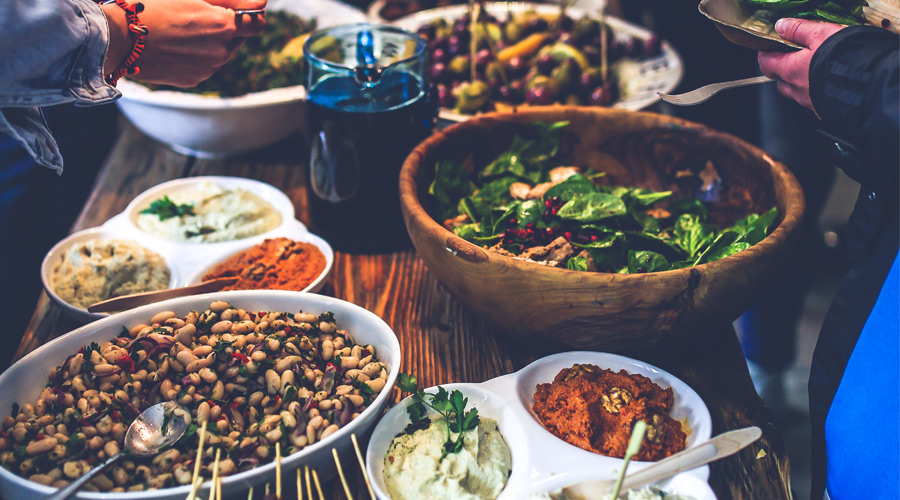
mindful-holiday-eatingThe holiday season is here and in full swing. For some, that might mean multiple family and friend gatherings with tons of rich food. For others, the holiday season might be a stressful or even solitary time, where food can be a real comfort. No matter your situation, the question I hear is the same: “How do I stay on track with healthy eating habits during the holiday season?”

My advice is simple: the holidays should not be about deprivation, guilt, or gorging. While many individuals focus on getting through the holidays without overeating, in the process, they forget about other joys of the season.

Take the time to step away from holiday stress and hype and focus on self-care and mindful eating, instead.

To help you, here are my time-tested tips for staying positive and healthy this holiday season:

  • Get a good night’s rest. If you can, sleep at least seven hours per night. The more rested you are, the more likely you are to be the happiest version of yourself (and the less likely you are to overindulge with food and drinks).
  • Move your body or keep up your normal exercise routine – physical activity can help you avoid unwanted holiday pounds. Plus, it’s good for your mental and emotional health.
  • Observe and listen to yourself and others with empathy and kindness. While the holidays can be a time of joy, there can also often be stressful moments, whether it’s trying to keep up with unrealistic expectations or ignoring some of your needs. Be patient with yourself and others.
  • Eat a high protein or high fiber snack before you go to a gathering so you aren’t ravenous when you get to the refreshment table.
  • Fill your plate with vegetables and fruits or other plant-based offerings before indulging in sweets.
  • Savor and enjoy the taste of two or three bites of items such as cheese, fatty meats, or homemade special occasion sweets. Then, take a break and step away from the food table and focus on something else, such as talking to someone new.
  • Skip fatty chips and any highly processed or packaged snacks, candy, or desserts – if it’s not special, just don’t eat it.
  • Keep libations light by alternating alcoholic drinks with glasses of water.
  • Sip slowly and savor your meals and party foods – mindful eating can be enjoyable and gives you the time to appreciate and relish in what you are eating.
  • Reach out to others – socialize with new and old friends or family.
  • Forge new traditions and make new memories by taking in a new play, concert, church or spiritual service, or other activity.
  • Try a new recipe, such as my favorite Roasted Carrots with Orange, Honey, and Dill. It’s easy to make, tastes great, and is healthy too!

And to help you with those “healthy” New Year’s resolutions, remember that older adults 60 and over living in Iona’s service area (Ward 3 and parts of Ward 2 and 4) may be eligible for Iona’s Active Wellness Program at St. Alban’s, home delivered meals, or nutrition counseling services subsidized by the DC Department of Aging and Community Living.

For more information or to schedule an appointment, contact our Helpline today.

By Rose Clifford, RDN, MBA


Rose Clifford, RDN, MBA has practiced as a registered dietitian nutritionist in the Washington, DC area for over 30 years. Her current primary work as the Nutrition Program Manager for Iona Senior Services focuses on helping older adults maximize their nutritional health so they can live active, full lives in their own homes. 

Community Members Embrace Iona’s End-of-Life Expo

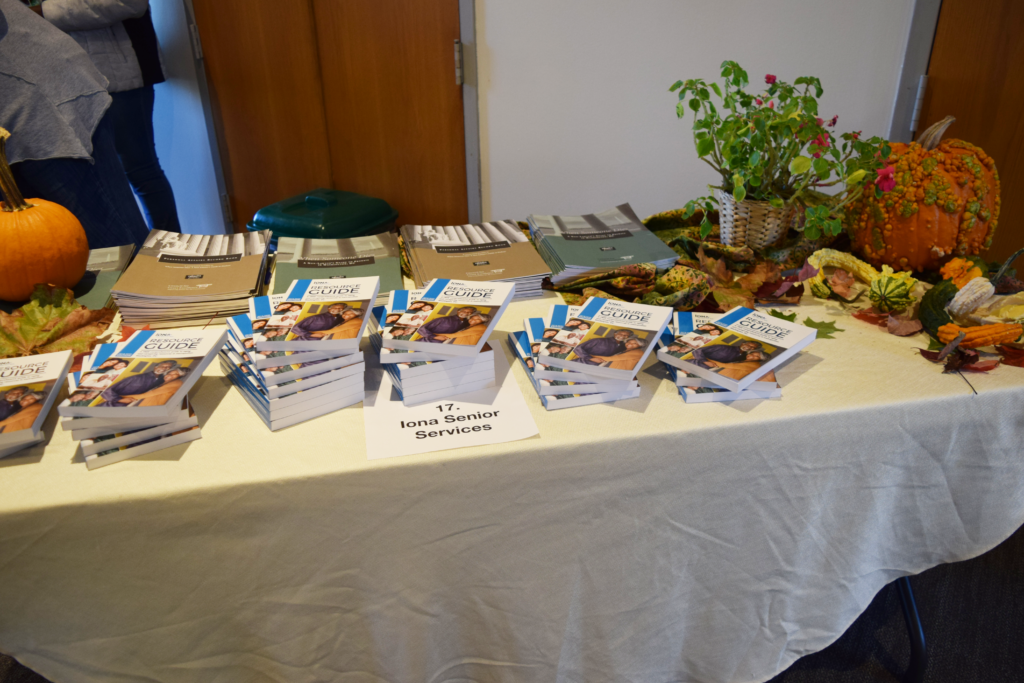
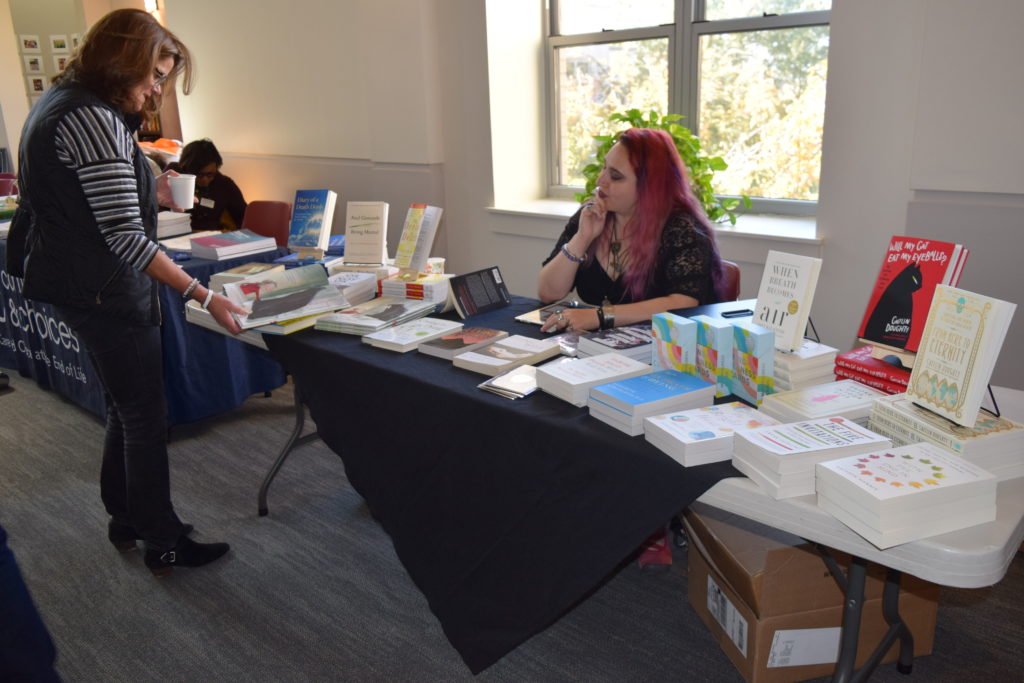
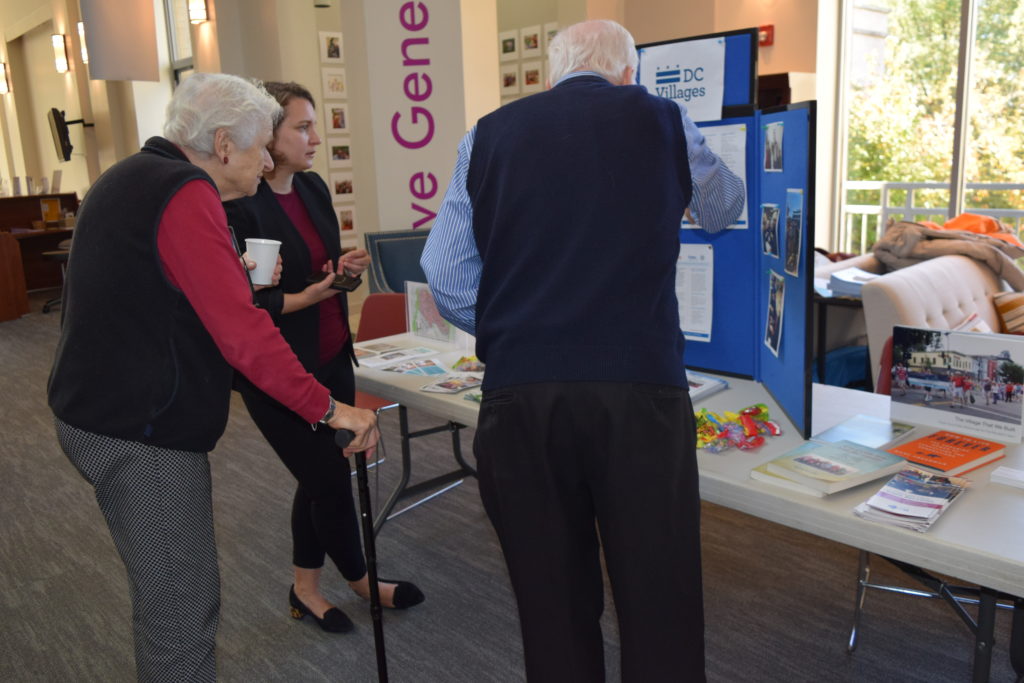
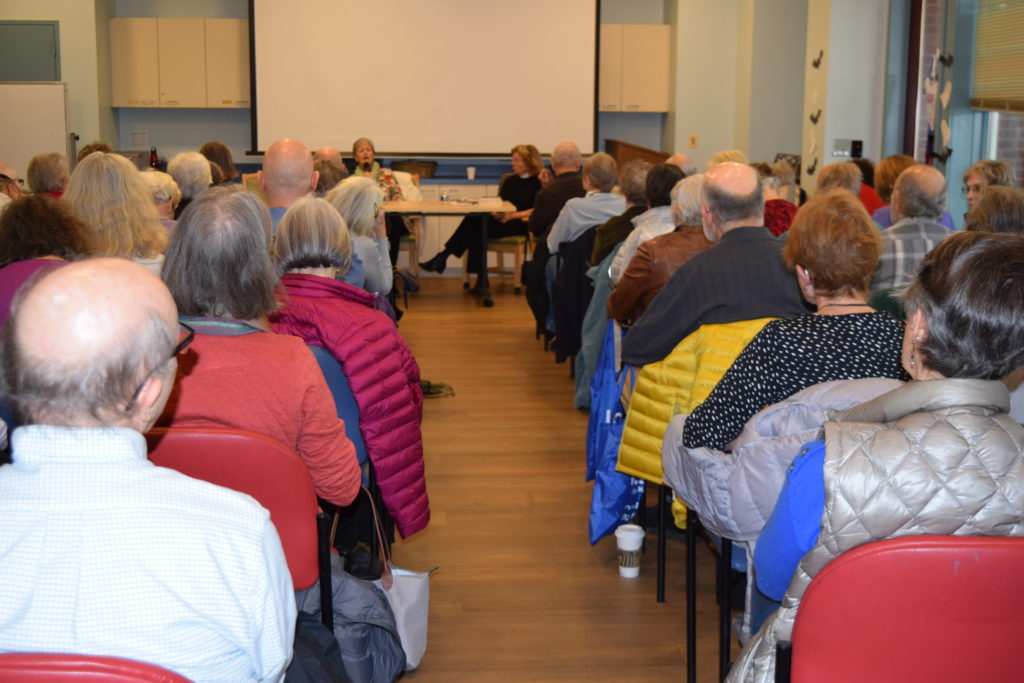
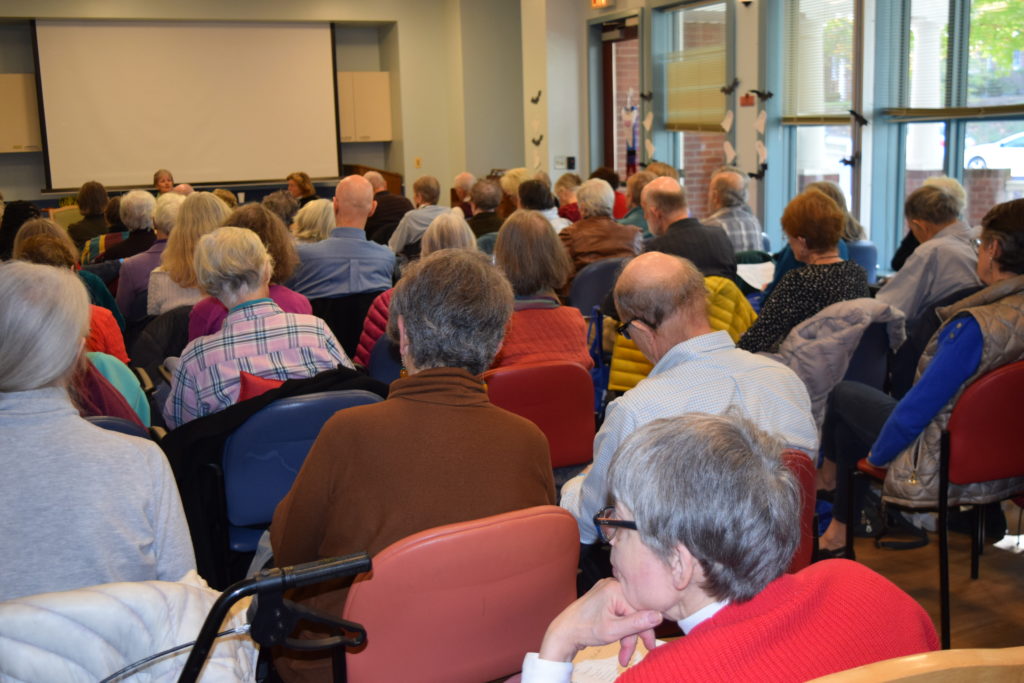
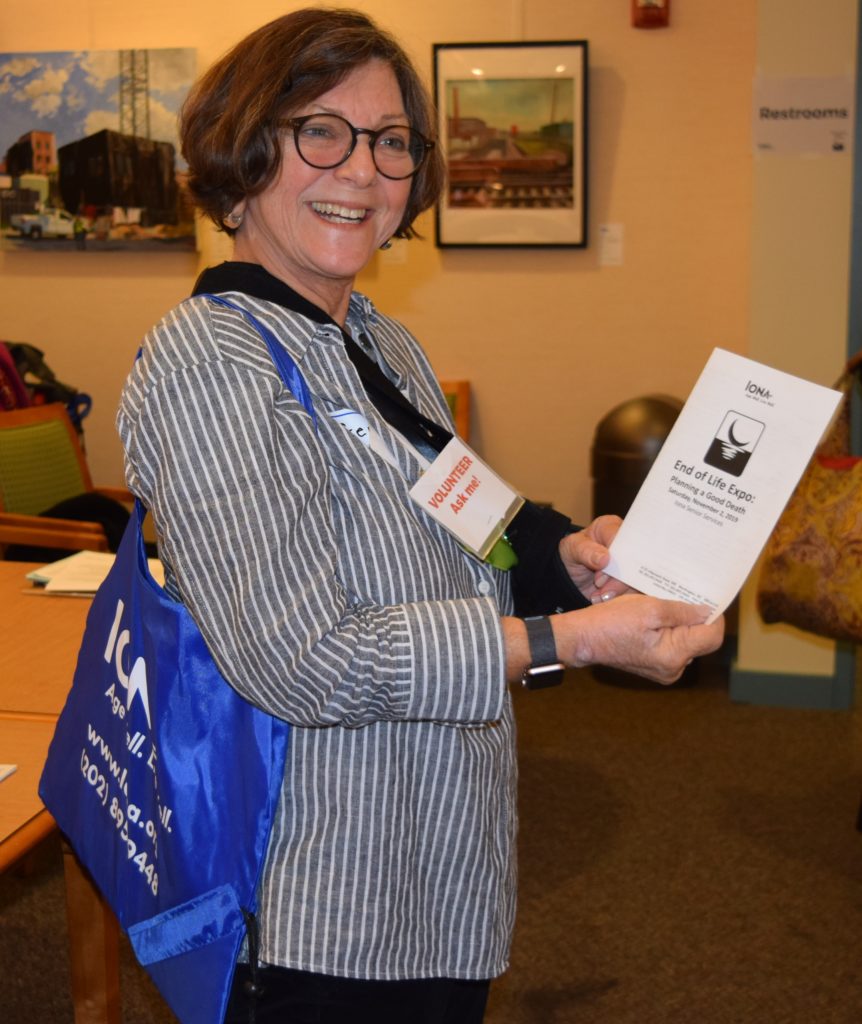
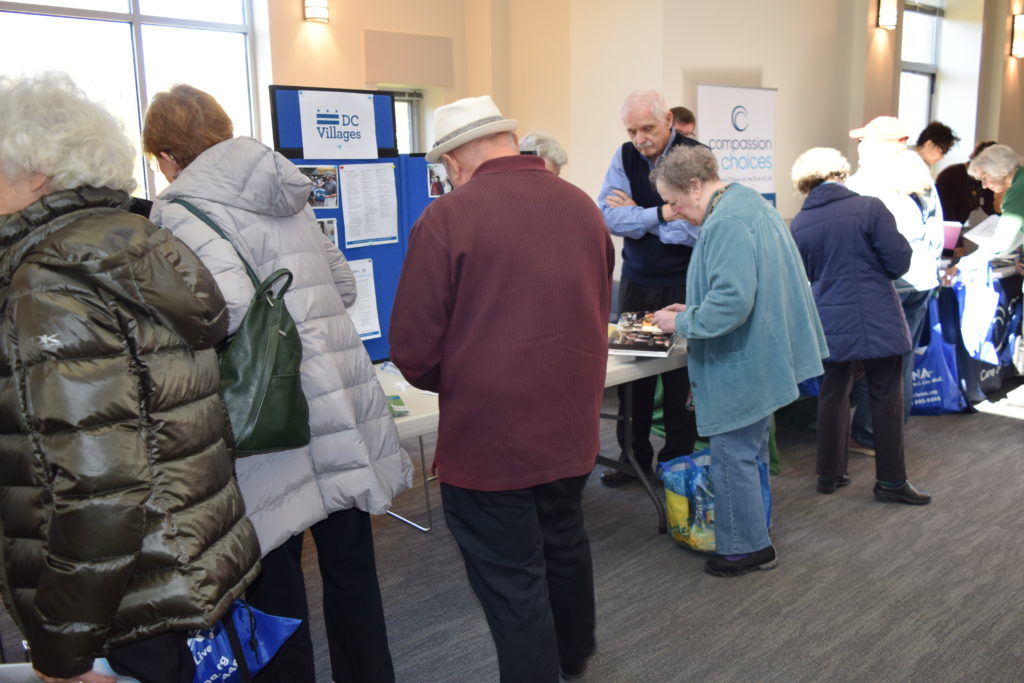
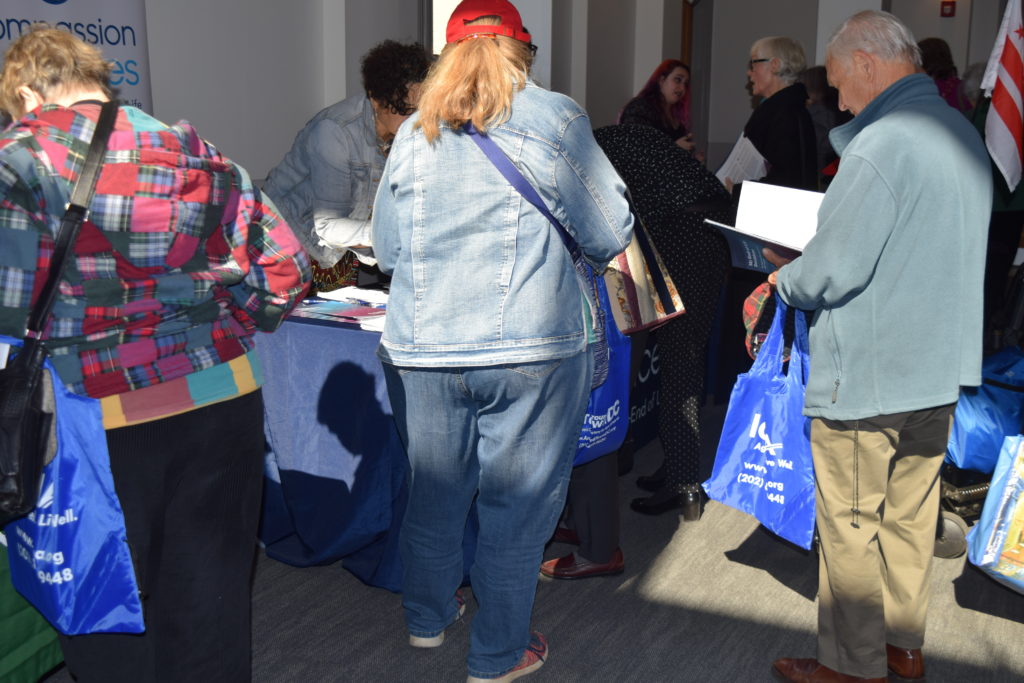
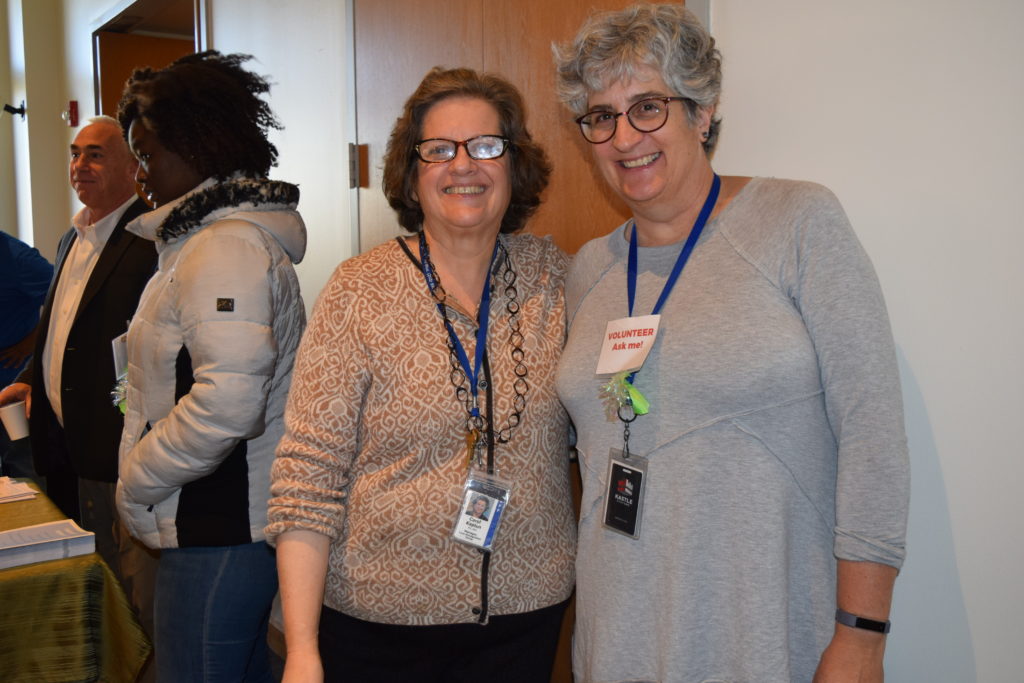
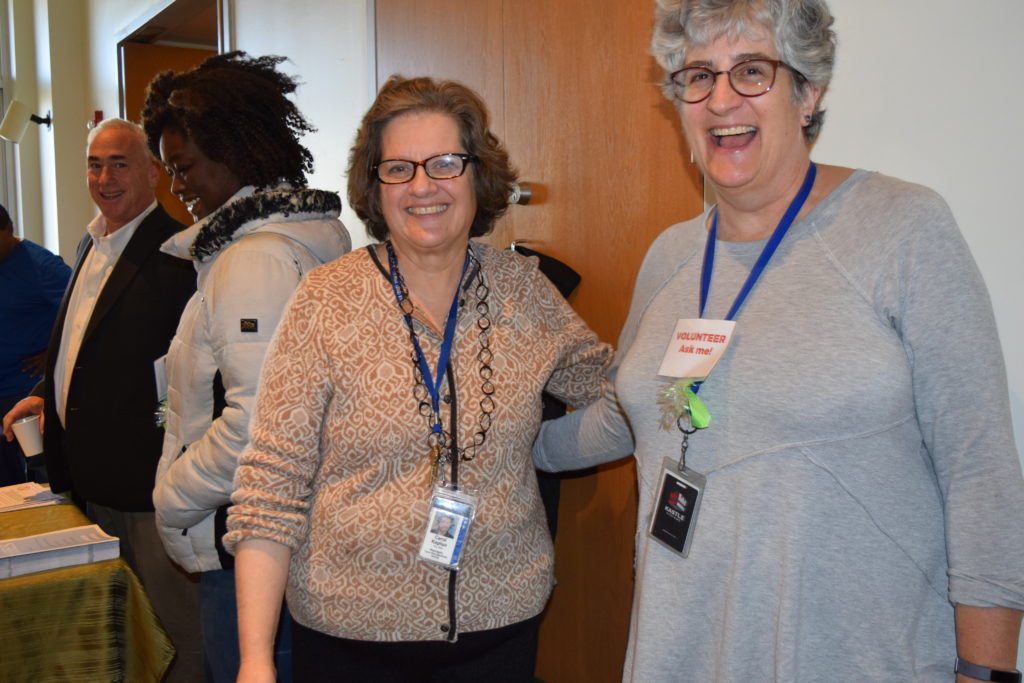
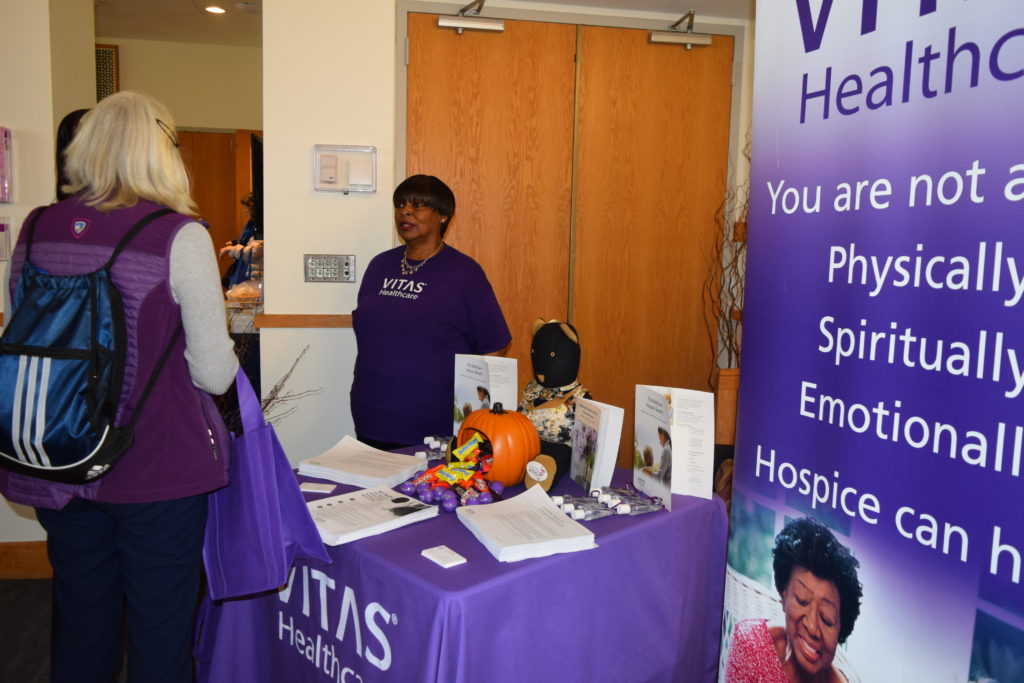
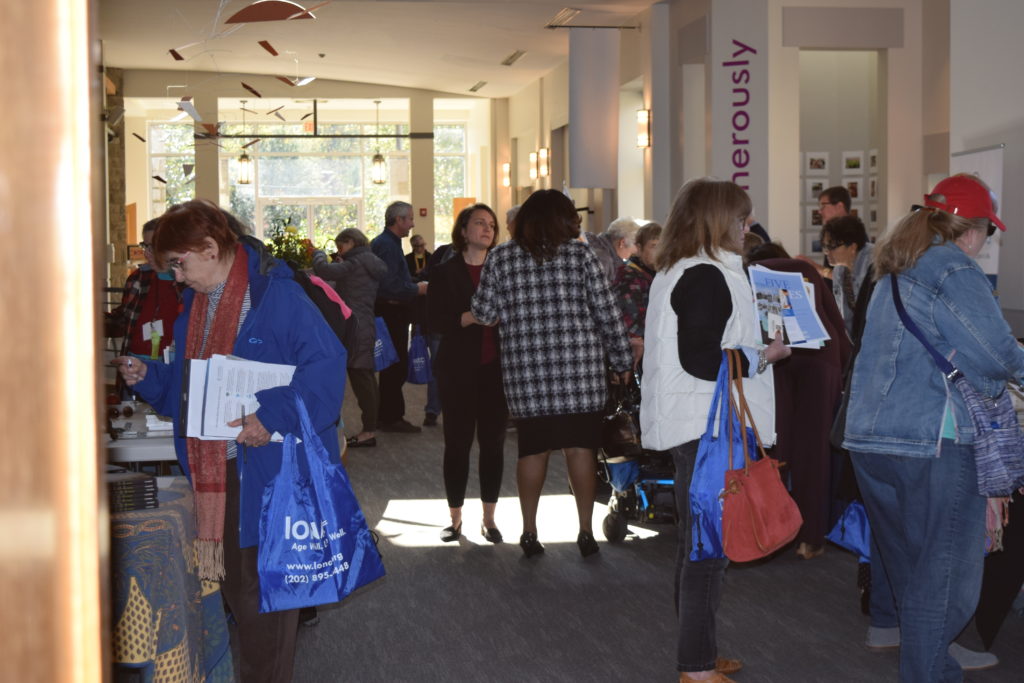
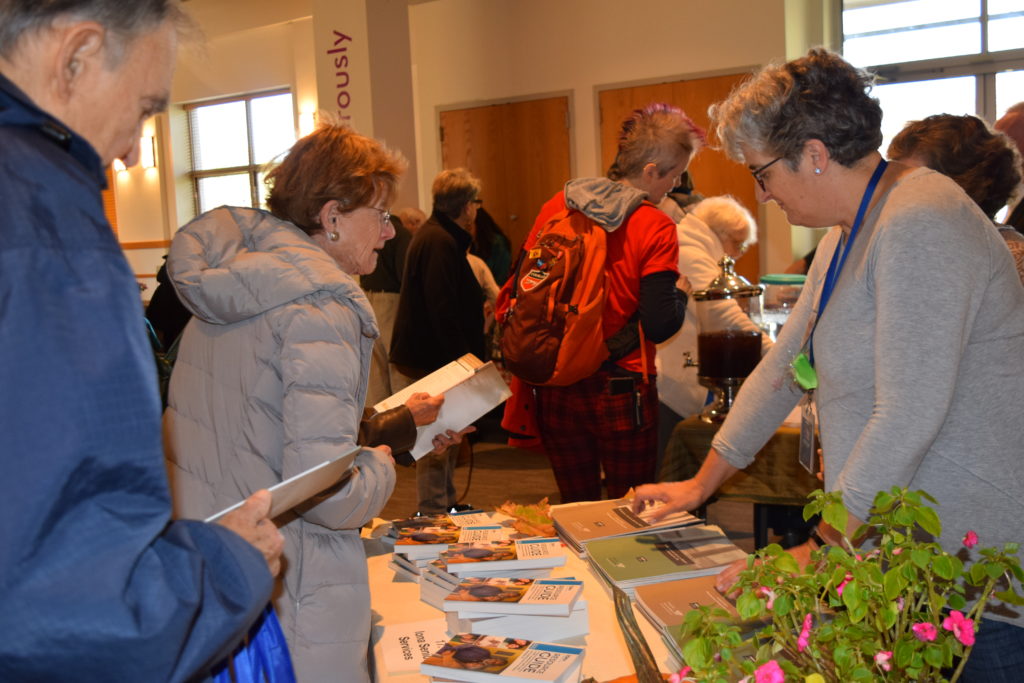
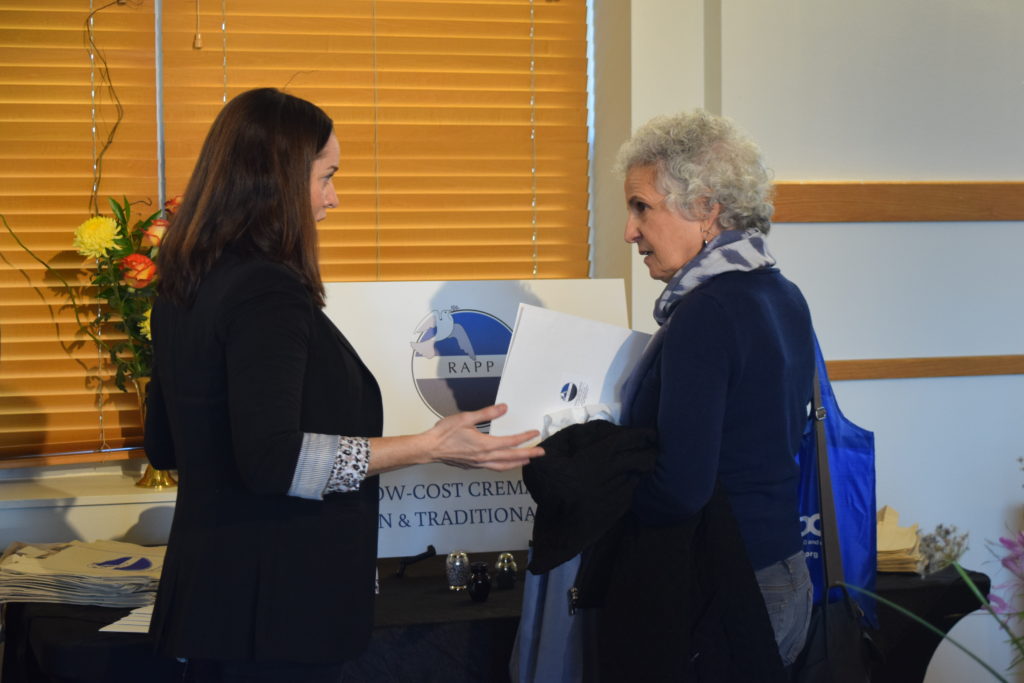
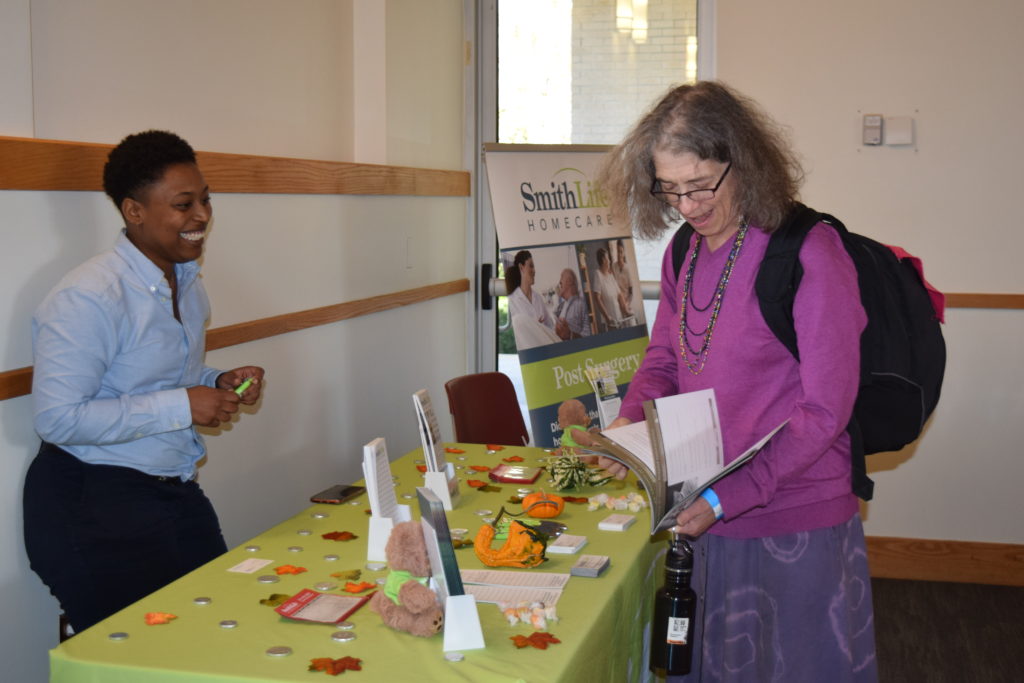
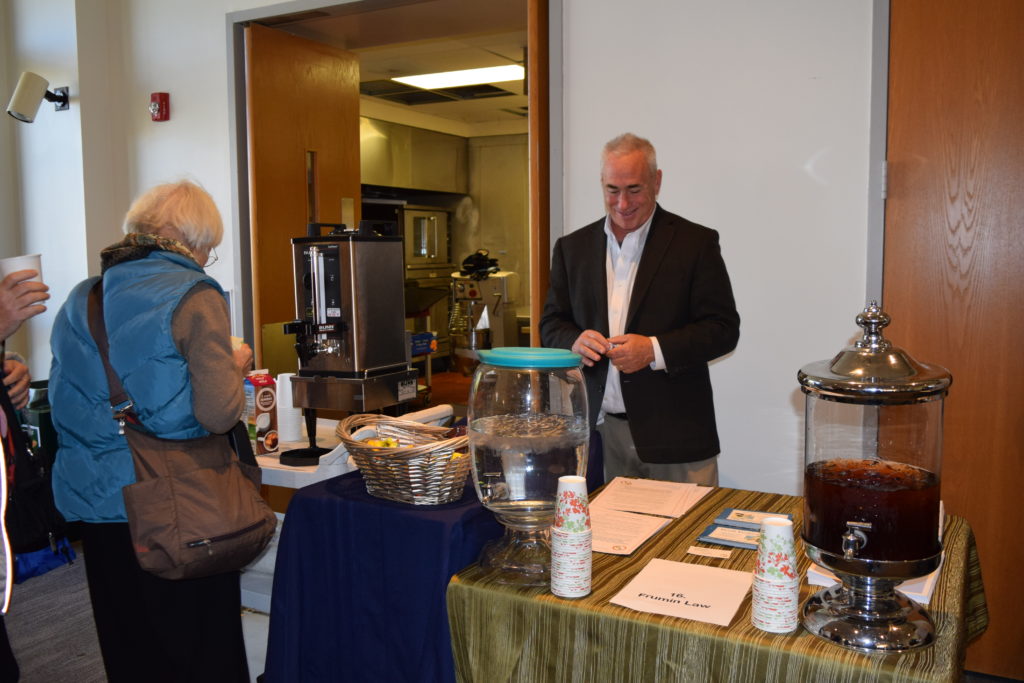
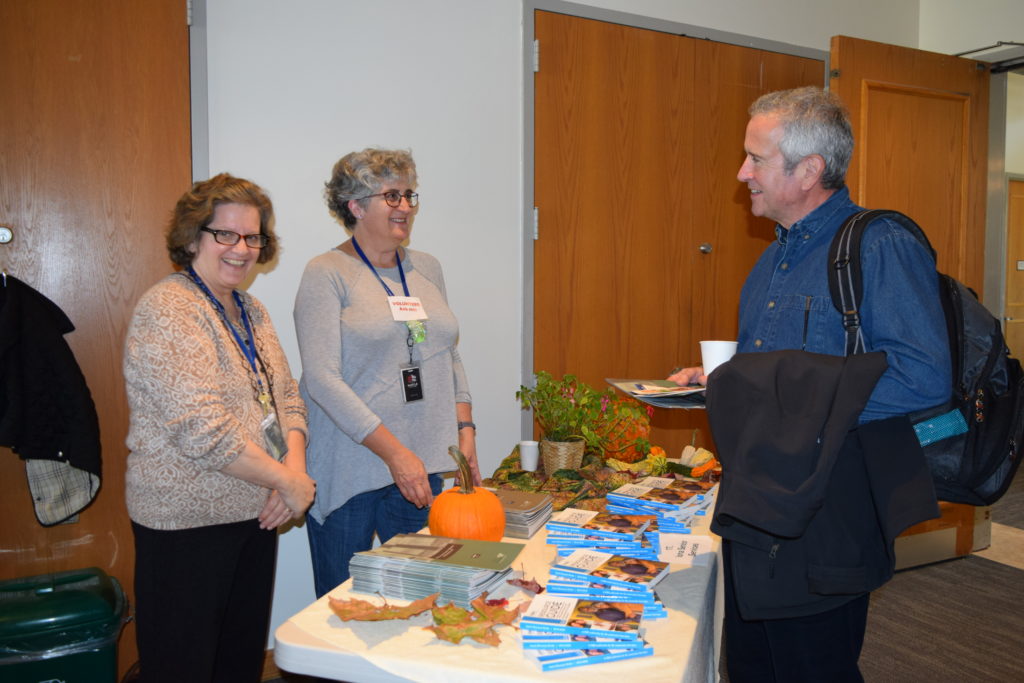
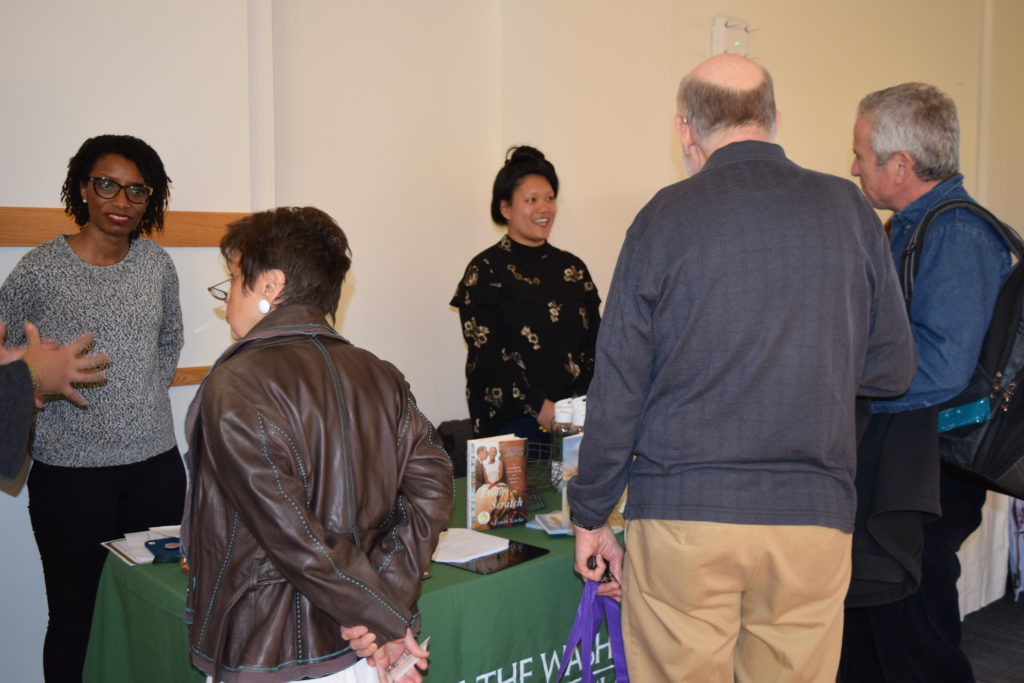
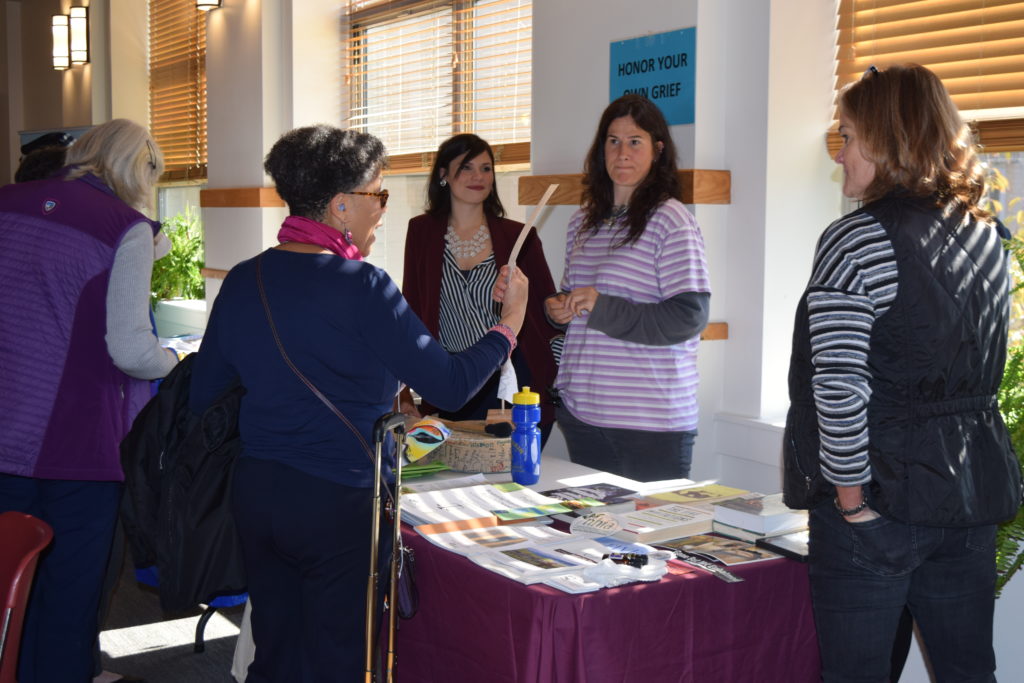
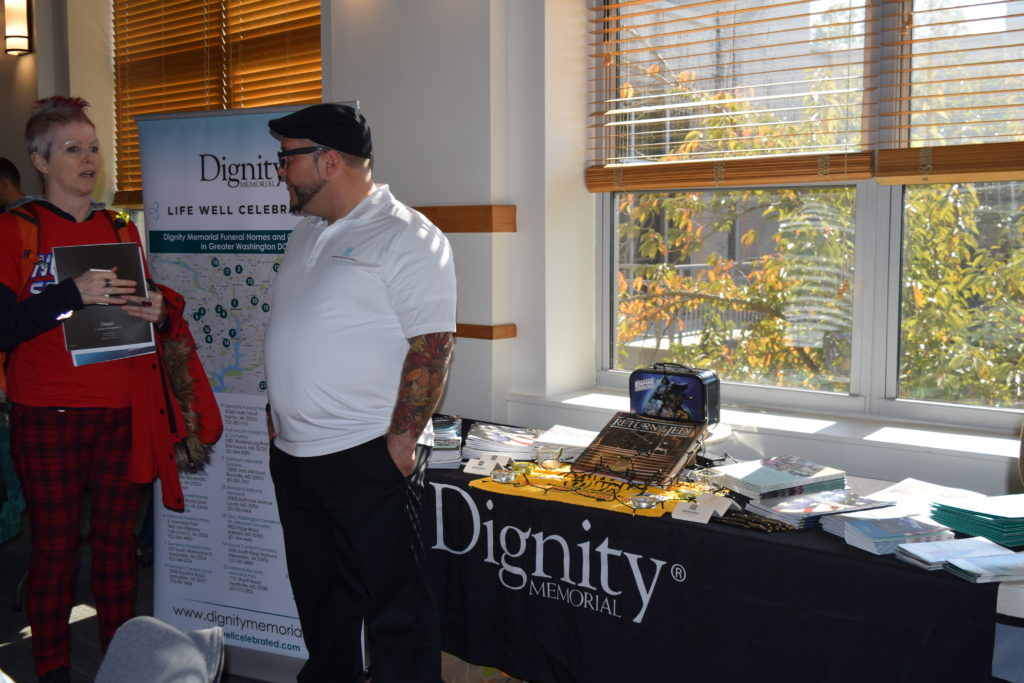
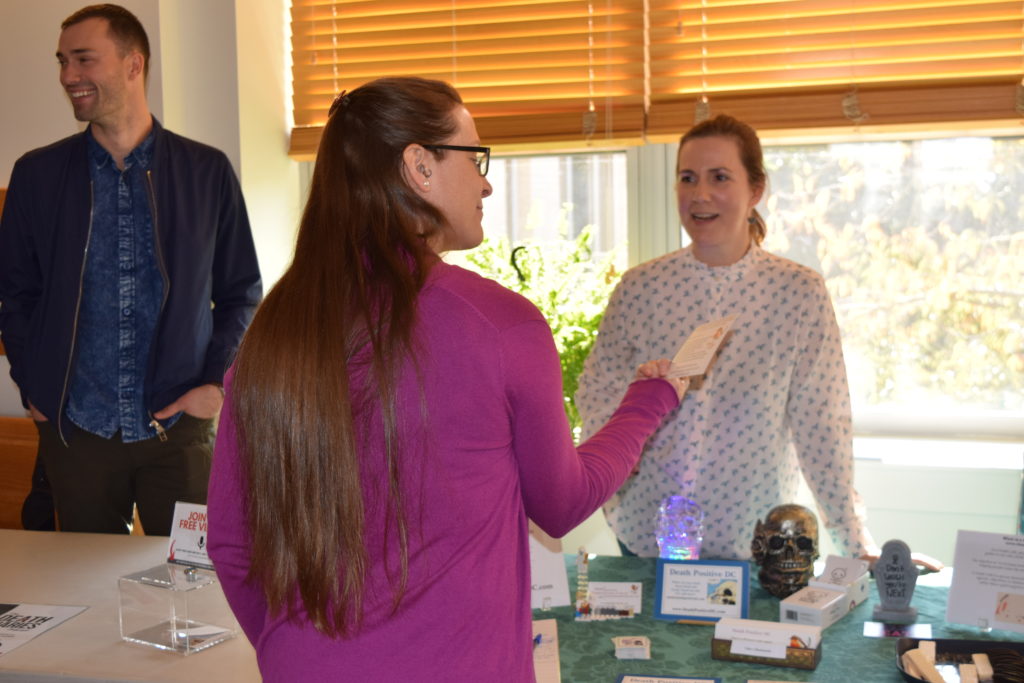
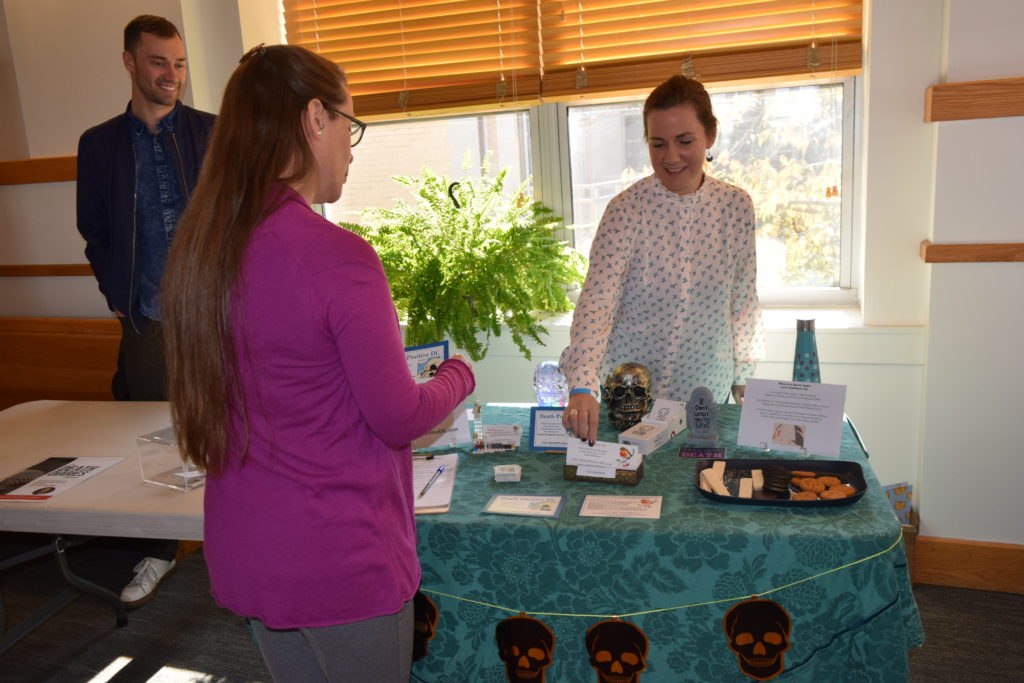
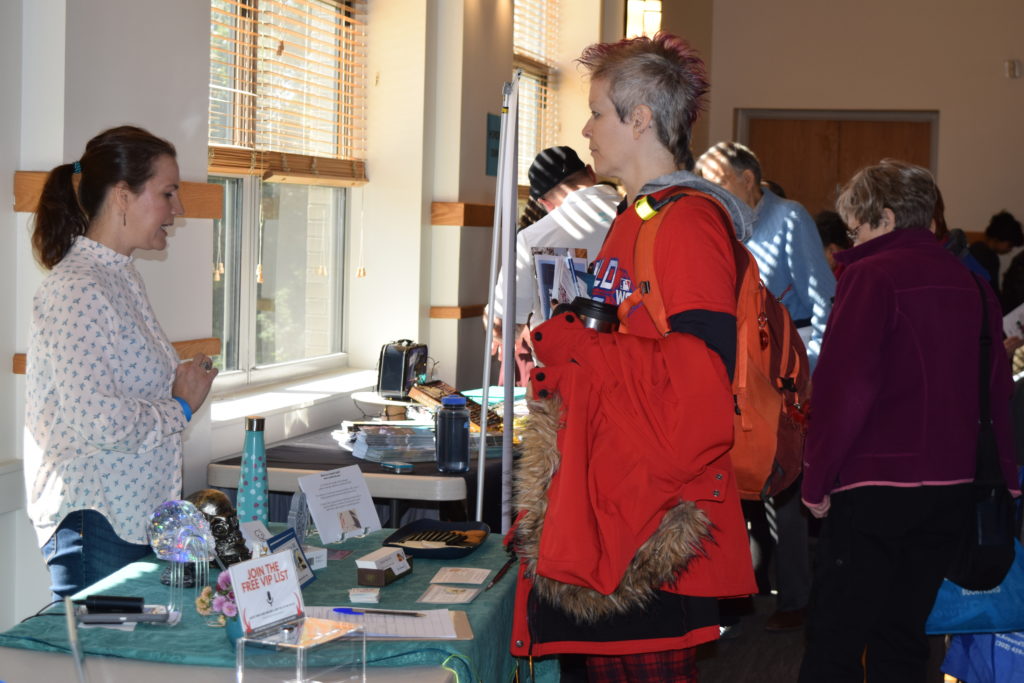
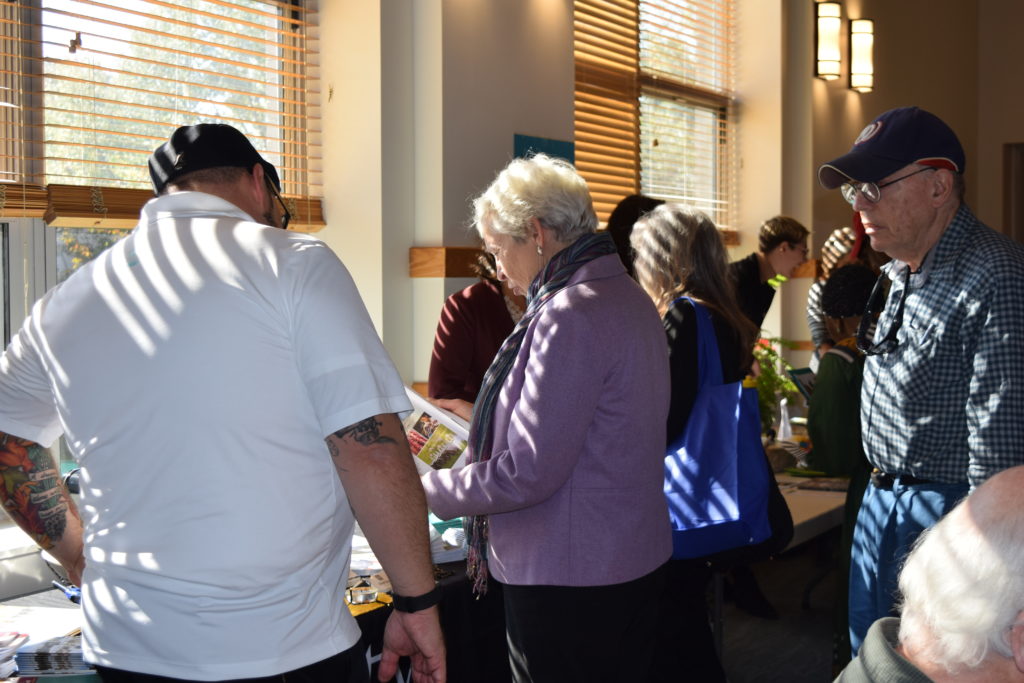
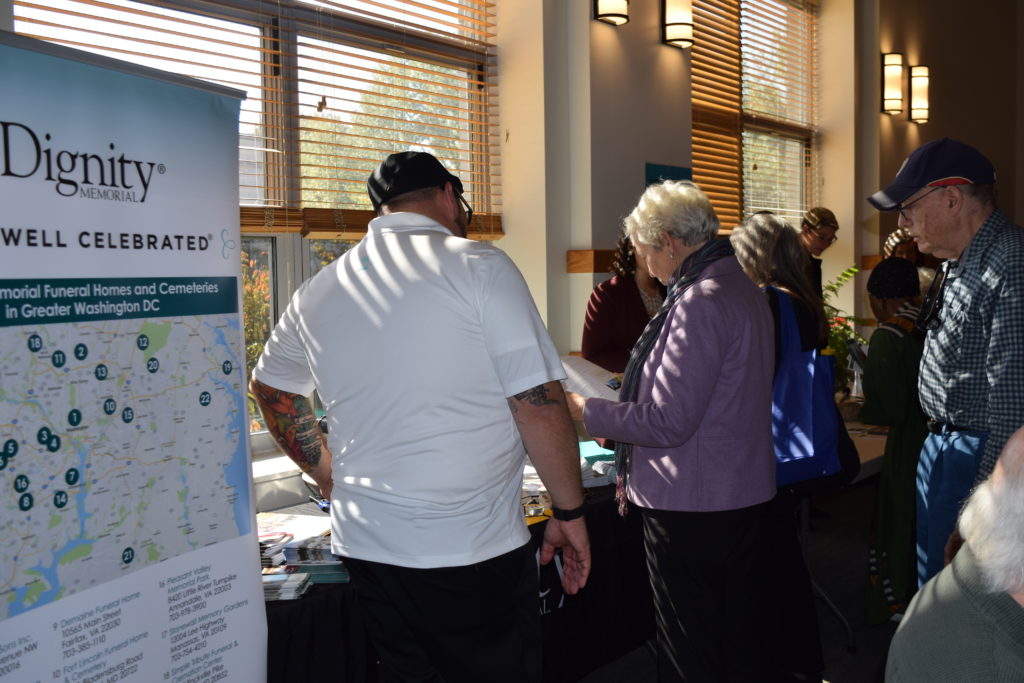
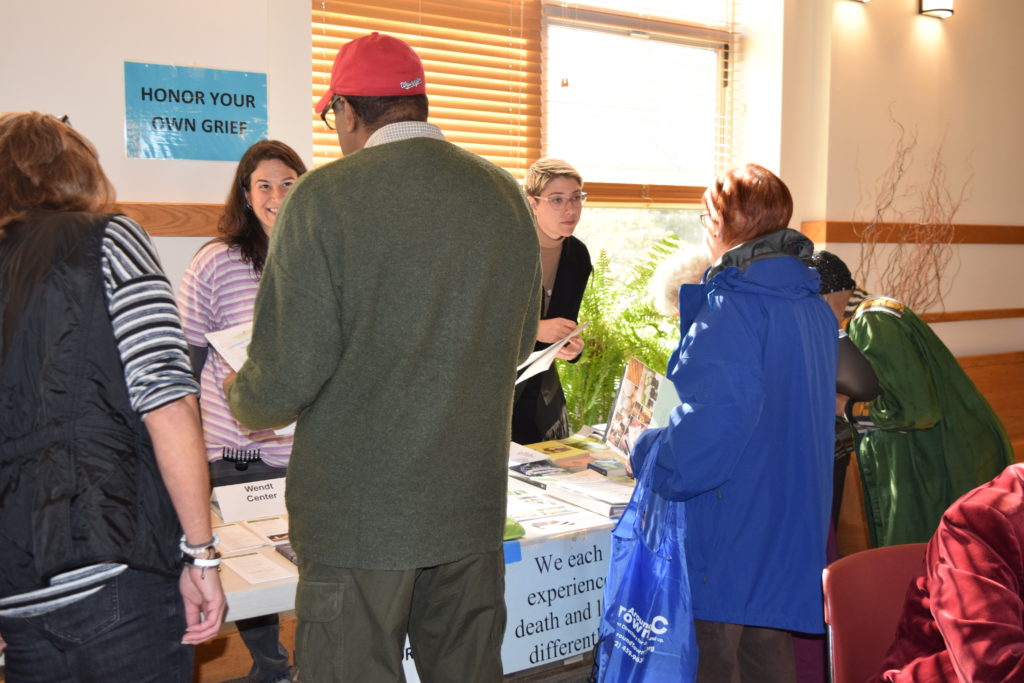
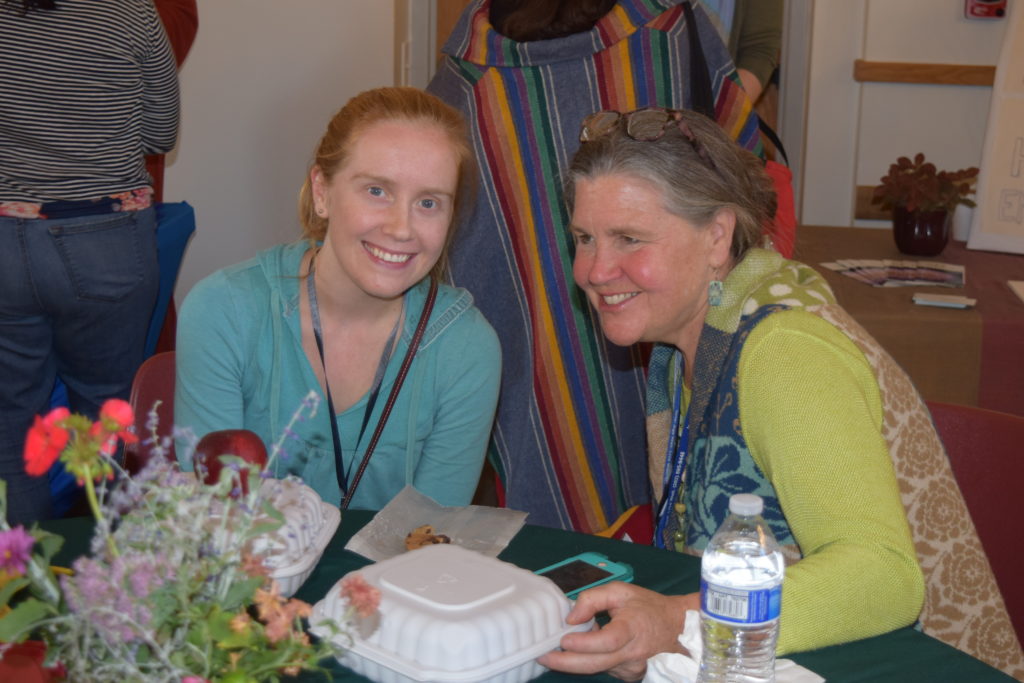
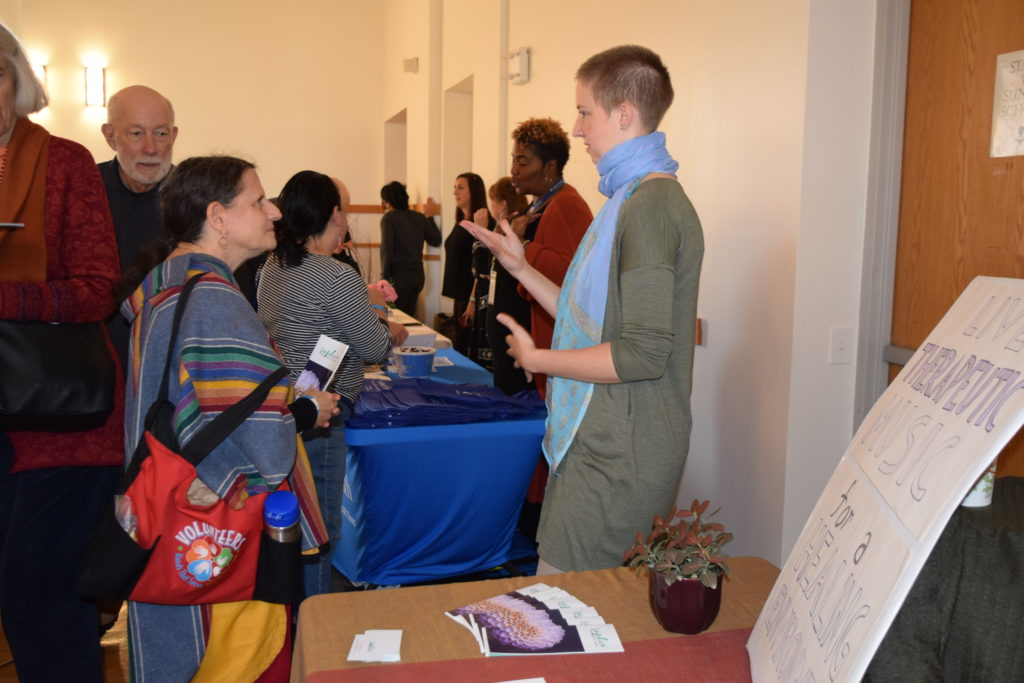
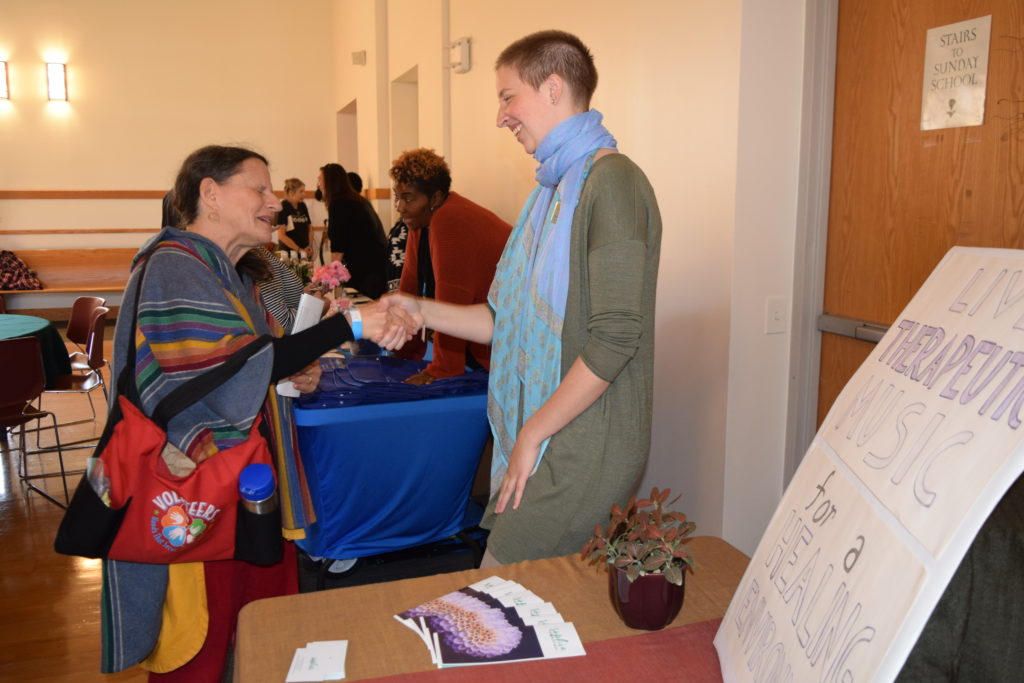
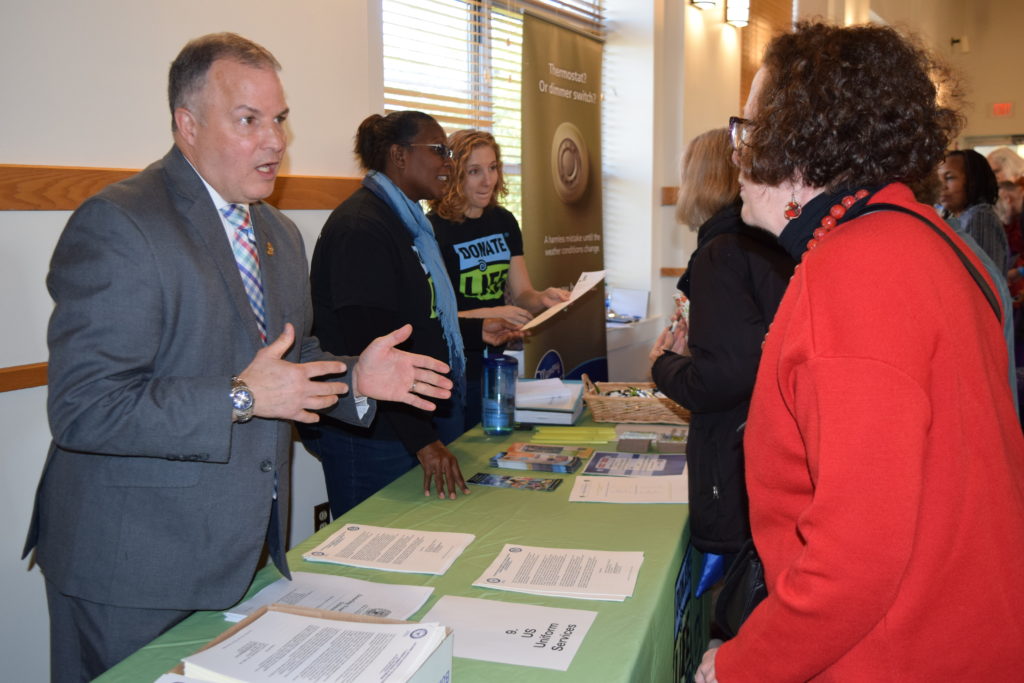
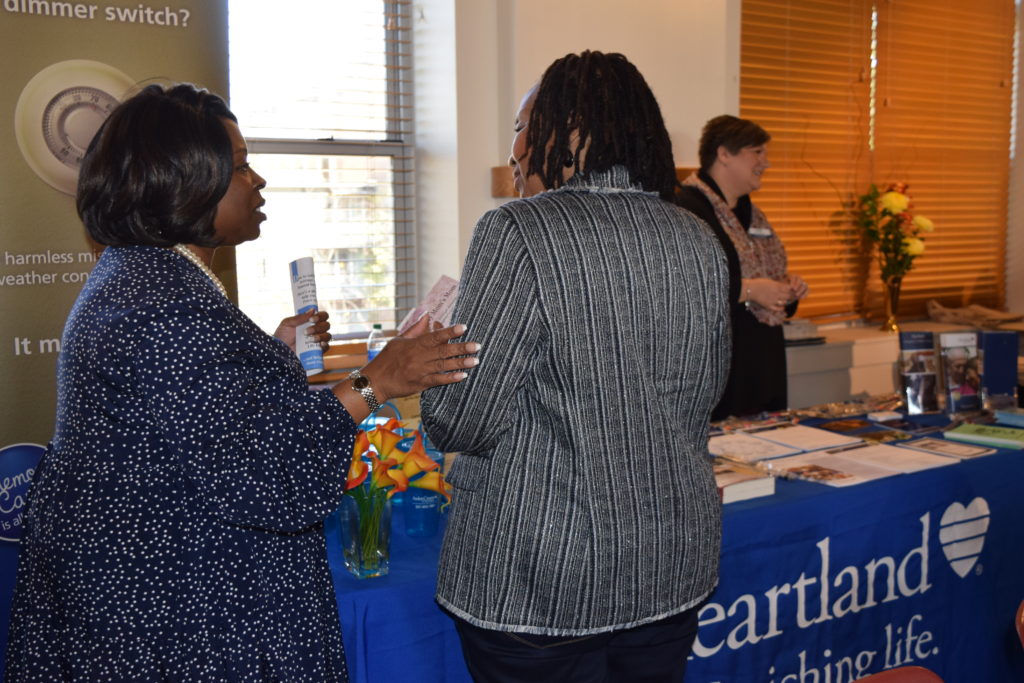
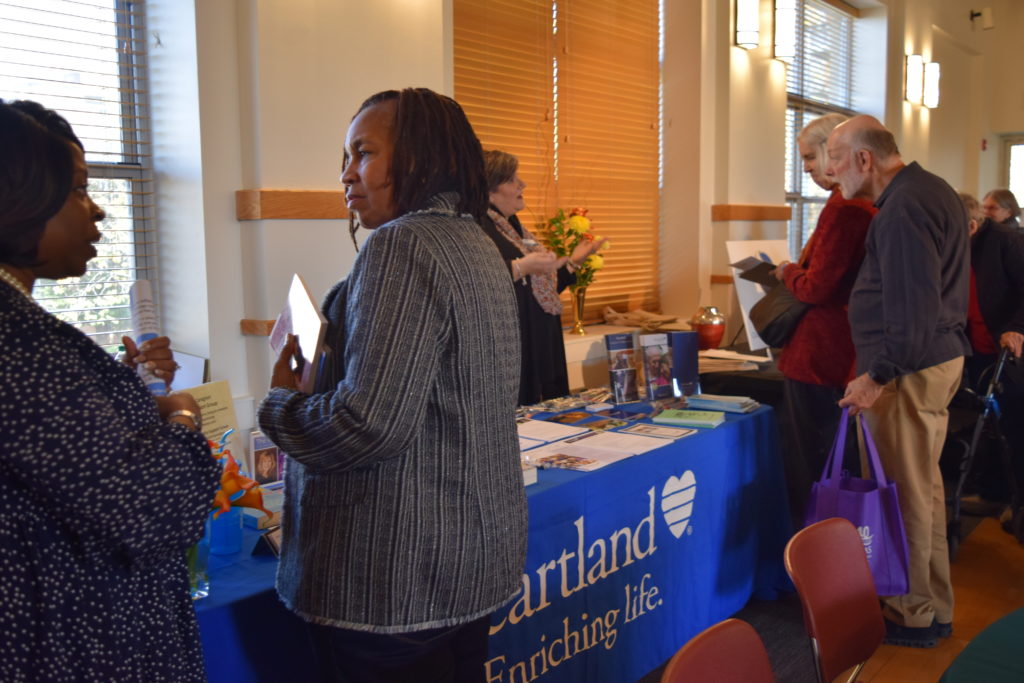
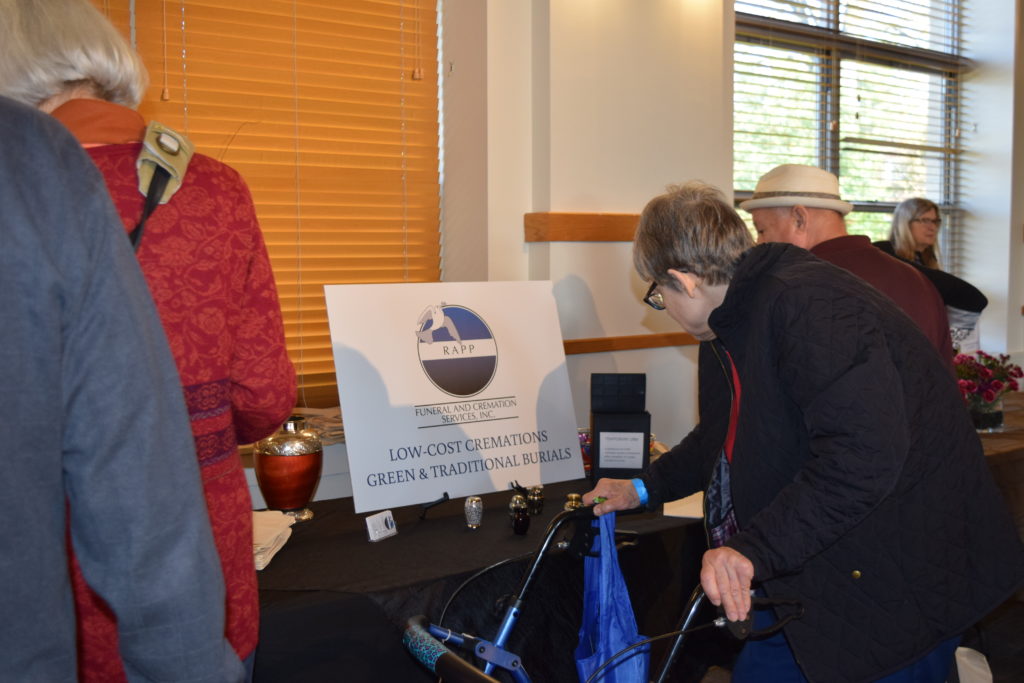
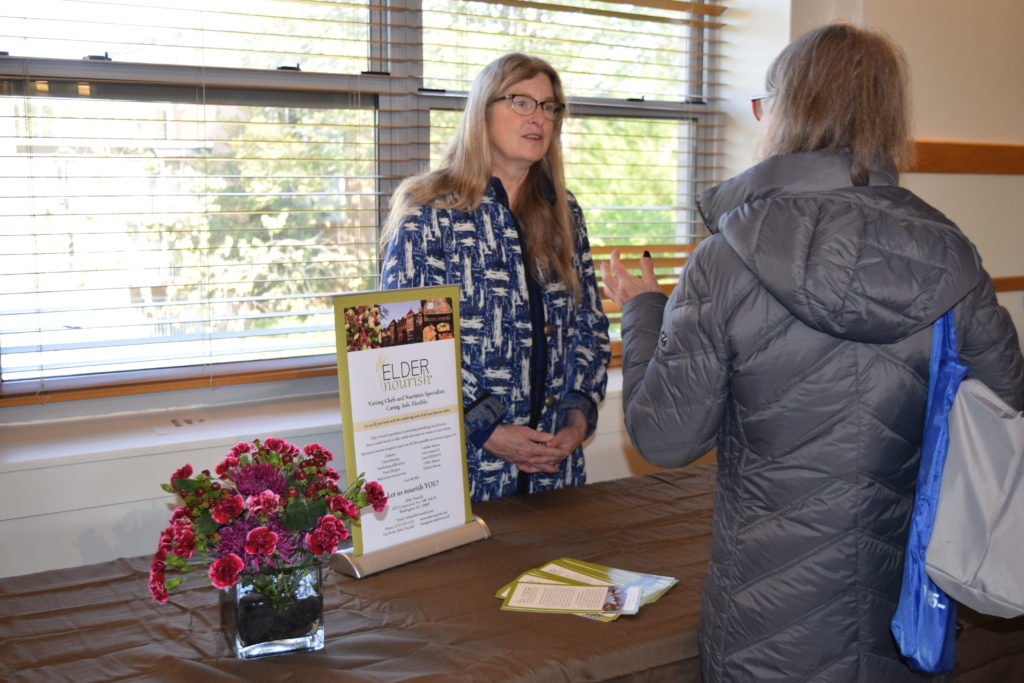
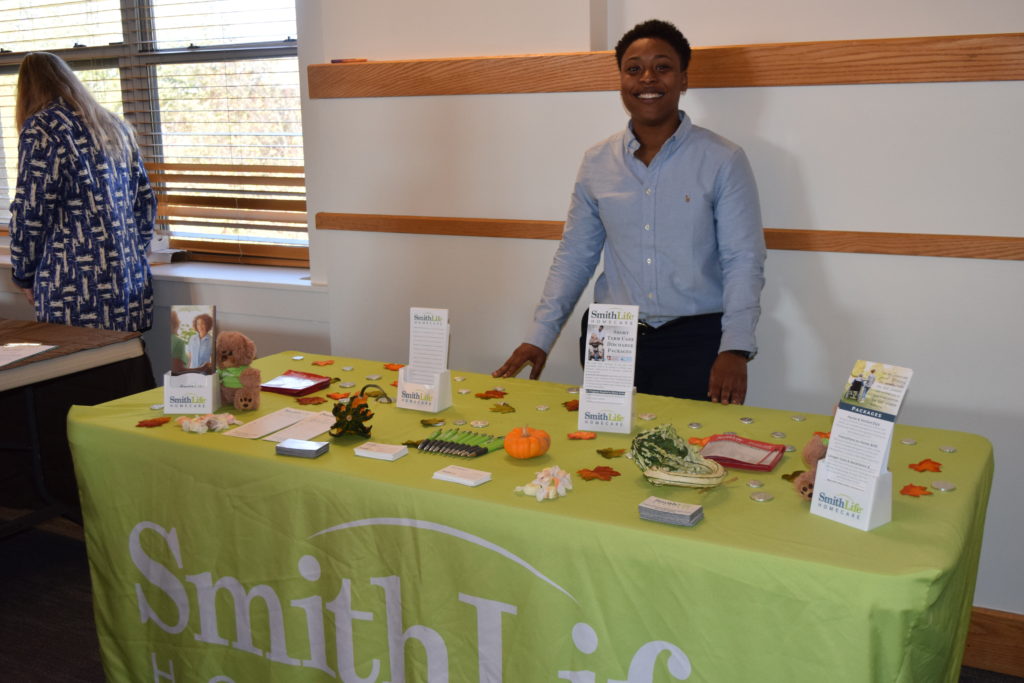
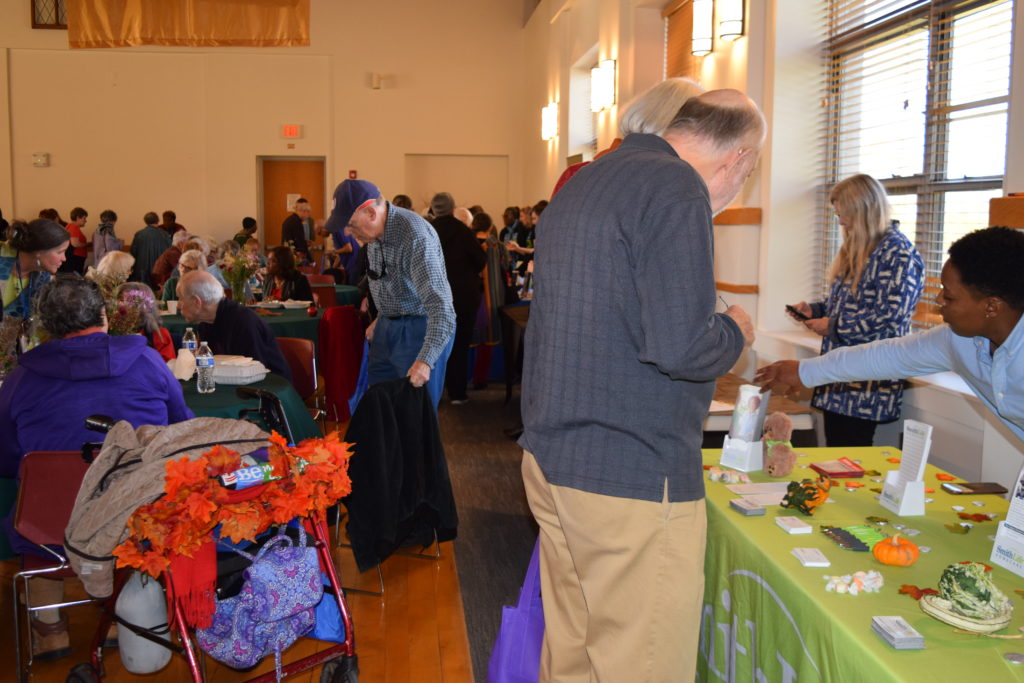
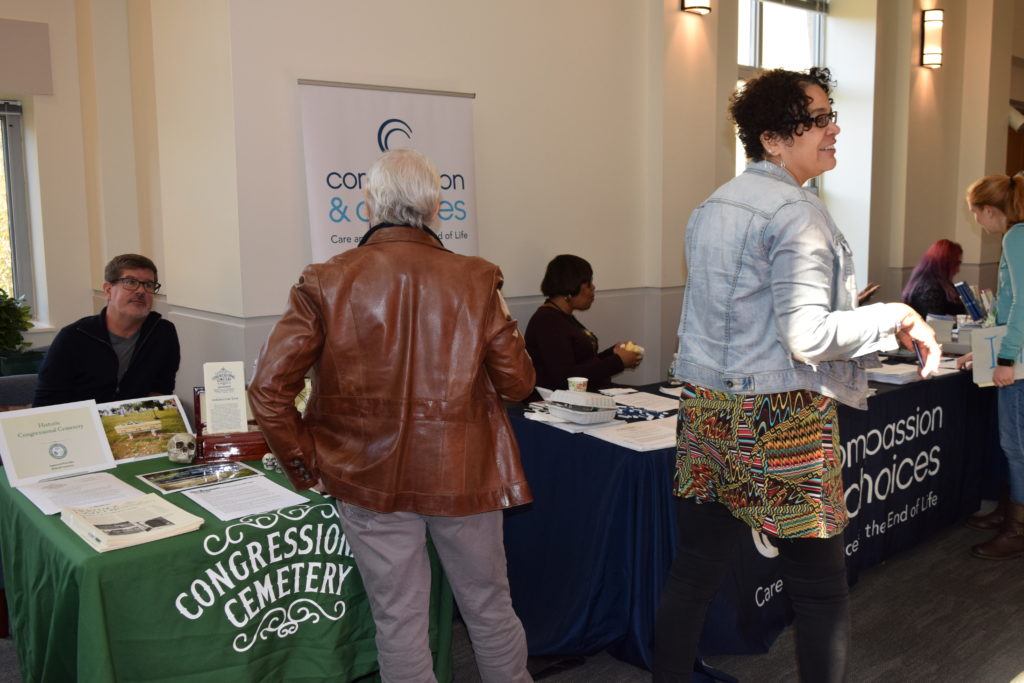
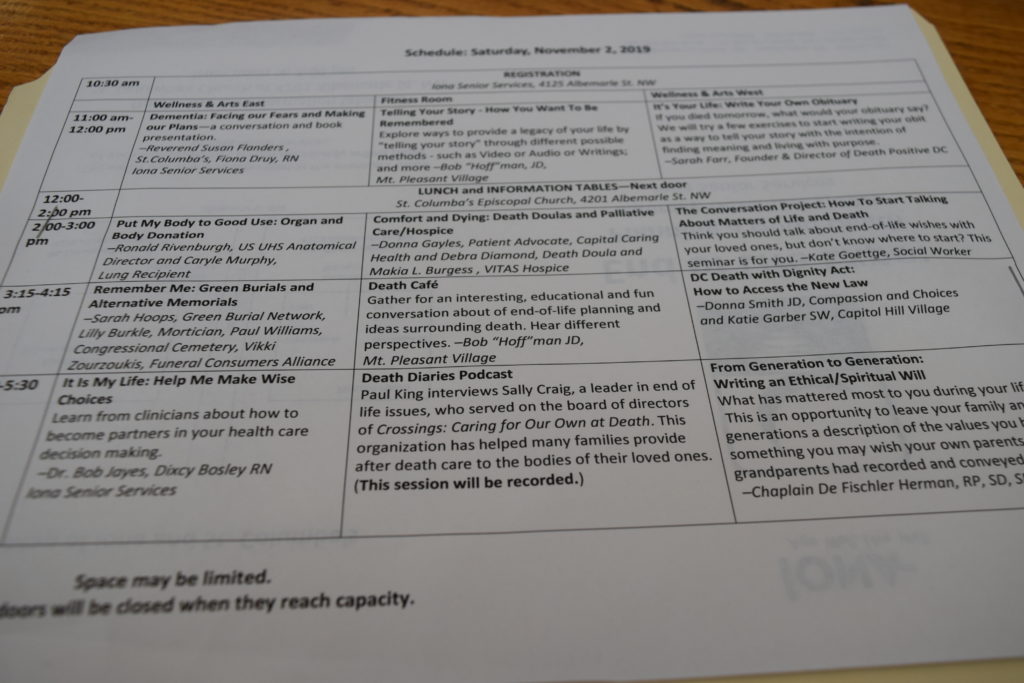
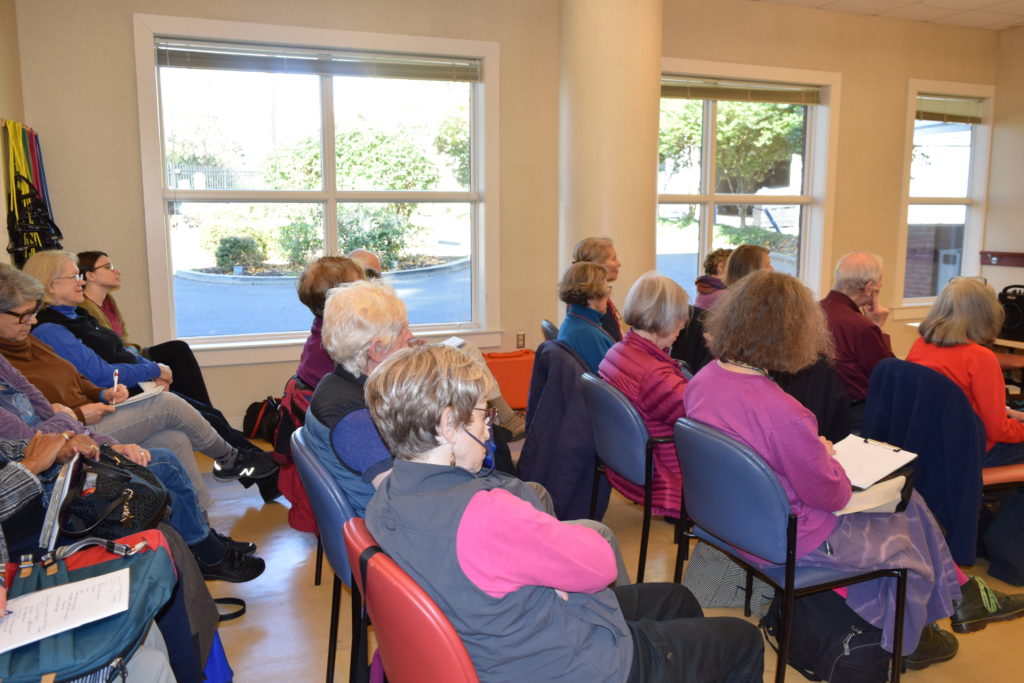
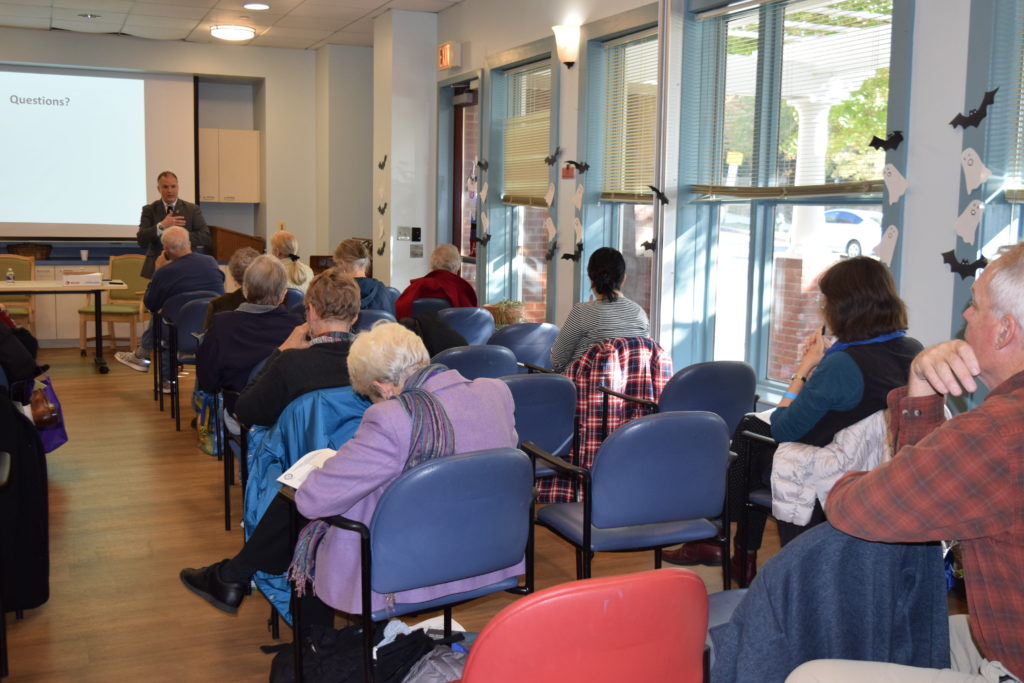
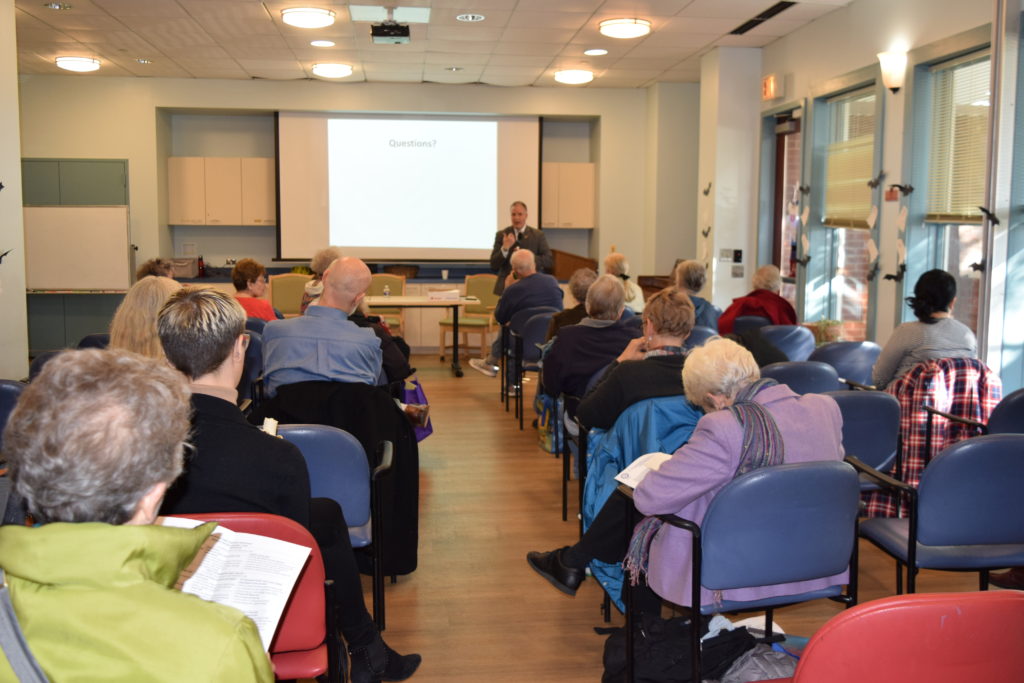
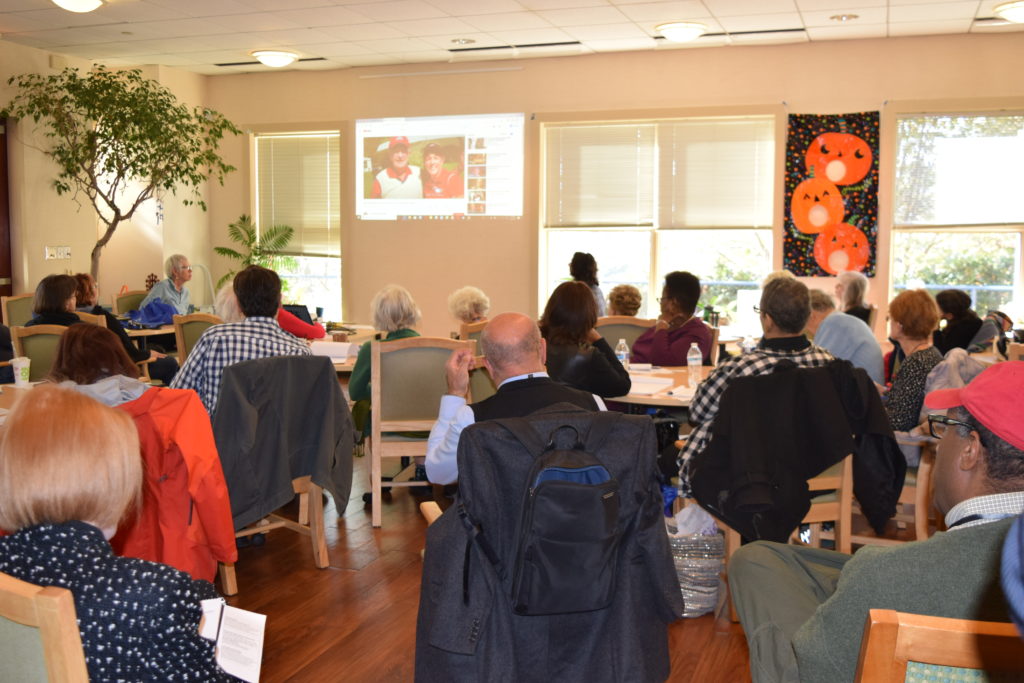
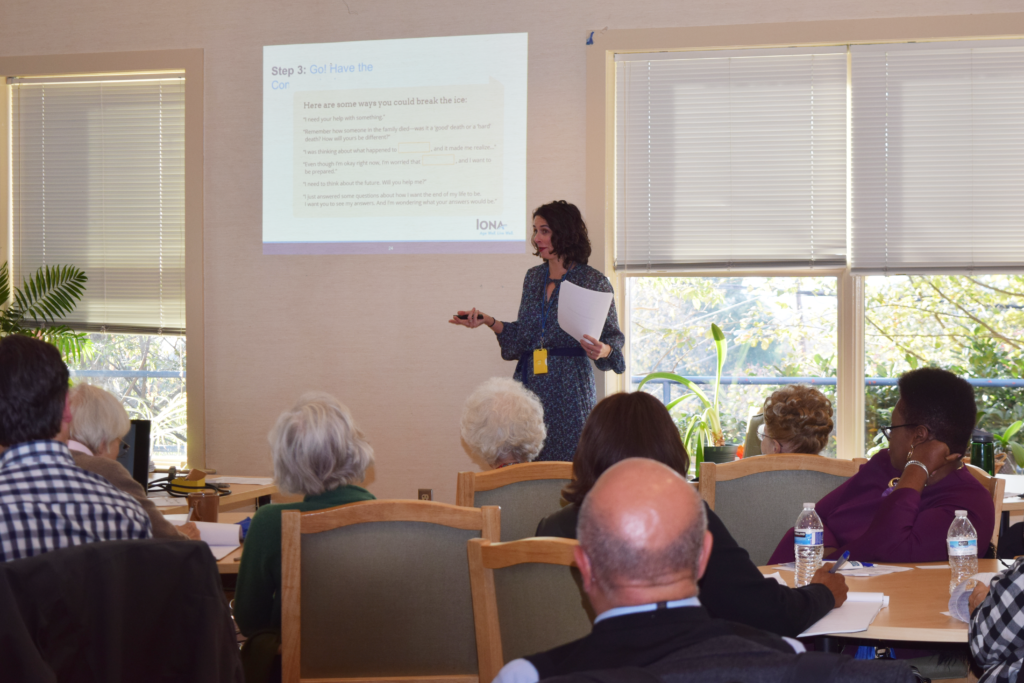
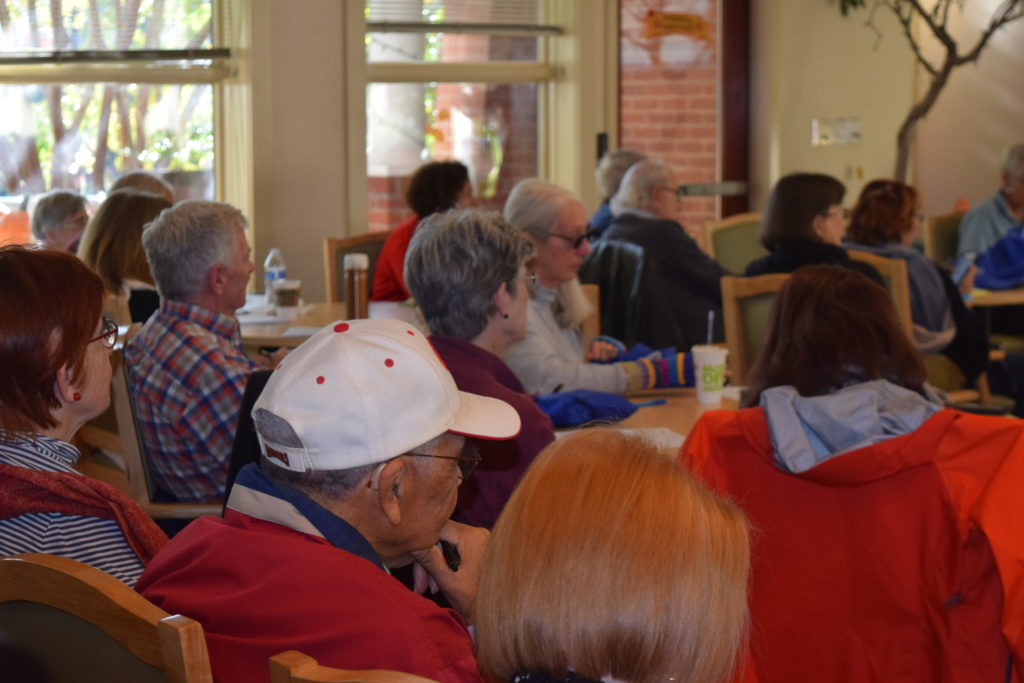
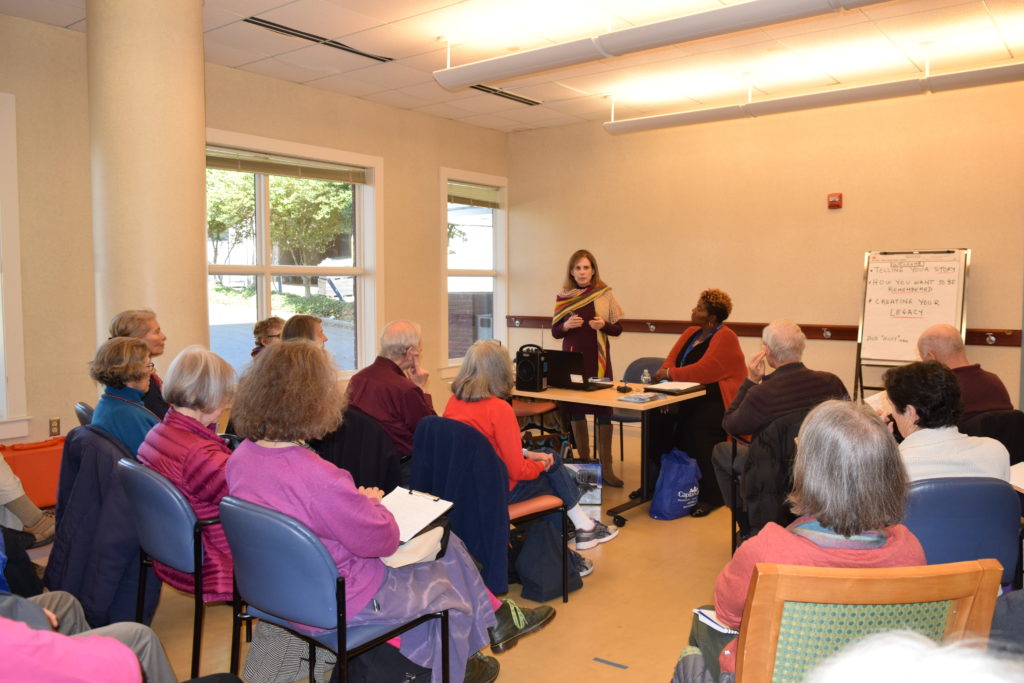
On Saturday, November 2nd, Iona hosted its first-ever End-of-Life Expo, which focused on preparing individuals for a “good death.” The Expo was open to the public and approximately 150 people were in attendance. There were 12 different sessions held with over 15 organizations. End-of-life professionals and practitioners, and older adults from all over the Washington Metropolitan Area attended the Expo. As death and end-of-life processes are often considered “taboo,” the Expo gave space for increased awareness while unveiling hidden and unknown resources. Presenters provided participants with tools, resources, and information to help them make wiser, clearer decisions, sooner, before a crisis occurs. Attendees were excited during discussions. Many were intrigued—asking questions, and engaging in group conversations.

Focal points included:

  • appointing a Power of Attorney
  • completing an Advance Directive
  • writing an obituary or living will
  • making a plan for folks who have any form of dementia
  • green or alternative burial options
  • palliative or hospice care options
  • organ and body donation, and
  • understanding DC’s law, Death with Dignity Act

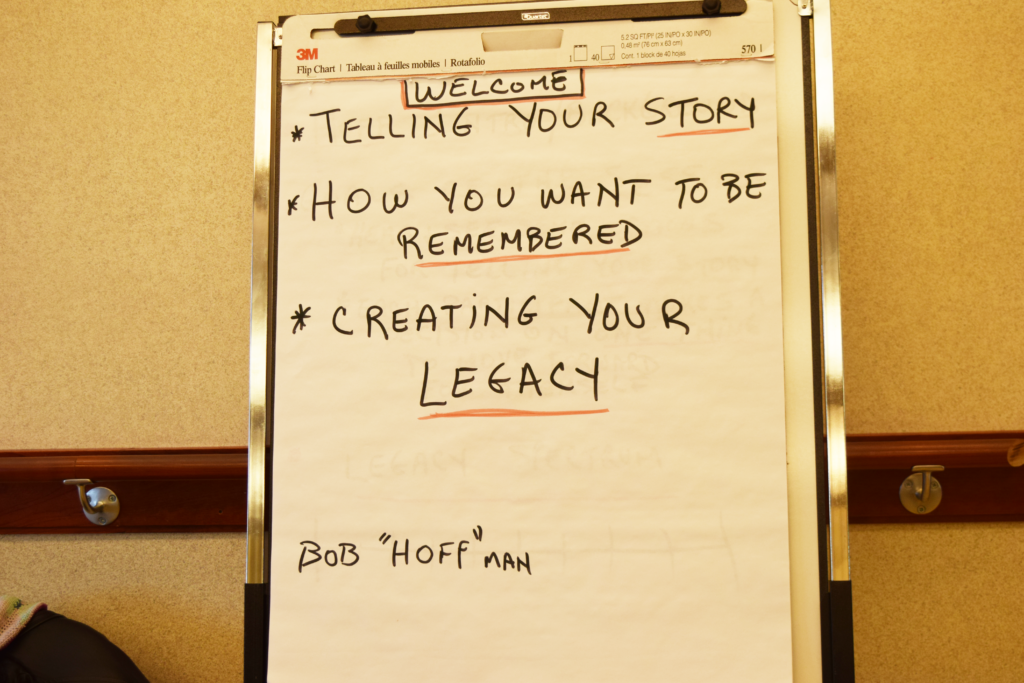
Bob “Hoff” Hoffman, in one session, led a Death Café, which is a space allowing attendees to engage openly and honestly about how they feel about death. Many shared what drew them to the Expo. Their interests were learning how to move-on after experiencing death, addressing fears related to death, and learning what their options are. A couple of quotes from attendees were, “Death is natural”, and “I’m not afraid of death; I would like to have control over it.”

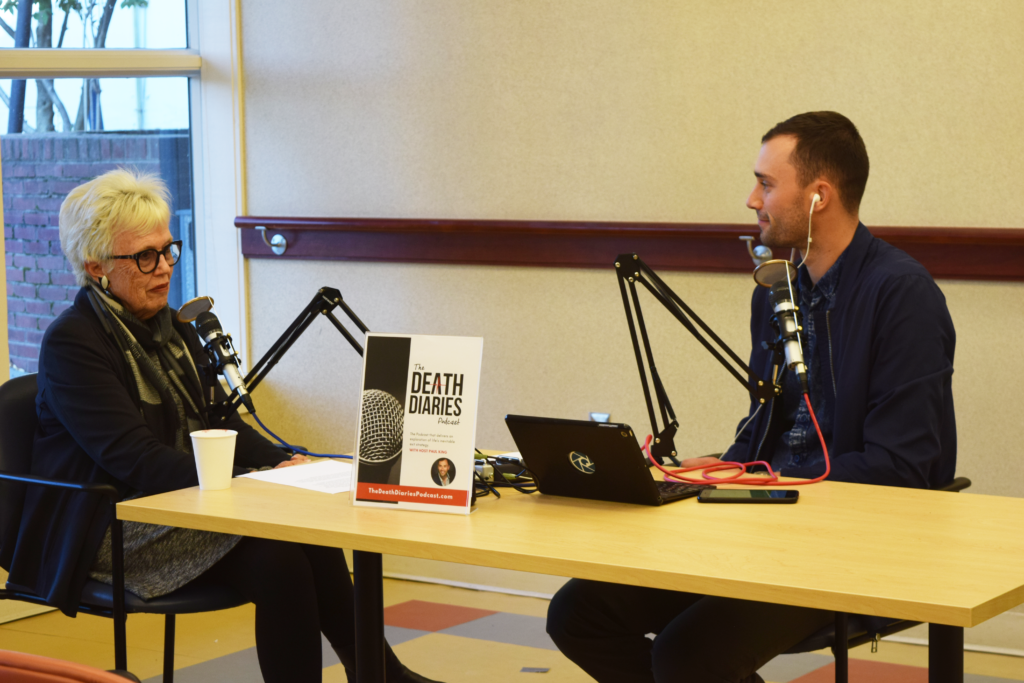
Another session included a live recording of the podcast, The Death Diaries. Host Paul King interviewed a leader in end-of-life issues, Sally Craig, about her experience with body care and preparation after death. Also, the Washington Post featured an article on a video that was featured at the Expo. The article is about a woman who decided to take control of her end-of-life, and is titled, “At 94, she was ready to die by fasting. Her daughter filmed it.”

Trending tips from presenters at the expo centered around:

  • having the hard conversations early
  • getting wishes and desires down on paper and to the right people, and
  • appointing a primary decision maker to protect against family members and loved ones in disagreement

According to presenter Reverend Susan Flanders, and author of “If I Ever Lose My Mind”, starting the conversation as early as possible is key to ensuring family members and other stakeholders find consensus.

The Expo exceeded Iona’s expectations and those of the attendees! Attendees left the event feeling more equipped for their ends-of-life.

Help us continue to spread awareness by encouraging people to get the information they need and have tough conversations on their end-of-life choices.

Thank you to everyone who was a part of the Expo—presenters, exhibitors, and guests!

To stay abreast of upcoming events and related workshops, sign up for our e-newsletter at Iona.org. If you are unsure about where to begin in your search for information and resources related to end-of-life, call our Helpline at 202-895-9448 or email info@iona.org. See pictures from the Expo below.

Meet Your Source for Information, Iona’s Helpline Manager Leland Kiang

Helpline Manager Leland Kiang
Photo Courtesy of Philip Gerlach

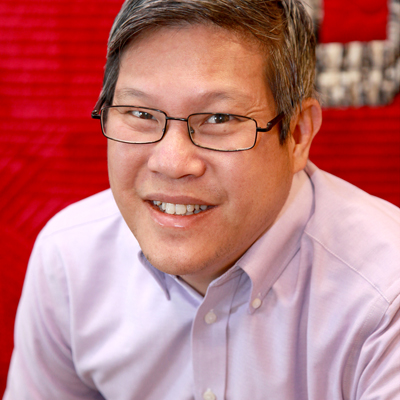
Iona social worker Leland Kiang manages, and frequently answers, Iona’s free Helpline. Staffed by social workers every weekday from 9 am to 5 pm, the Information & Referral Helpline responds to common — and uncommon — questions, and refers callers to resources, services, and programs in our area.

Asked how his work has influenced thoughts about his own aging, Leland points out that he has the privilege of witnessing both the challenges and the rewards of aging. “I’ve seen a lot of courage and resiliency,” he says.
With a Master’s in Social Work (MSW) from Catholic University, Leland worked as an Iona case manager before taking over the Helpline in 2008. The job, says Leland, is part social worker, part resource librarian.

Our job is to sort out where the need is,” says Leland. “If the caller is anxious, I let her vent, which gives me time to figure out how I can help.”

Help can mean a lot of things. For some callers, it’s getting a referral to a service or program. Others are looking for guidance on where to start.

Last year, Iona’s Helpline answered 4,032 calls from 2,577 people. Questions ran the gamut. Many people are looking for affordable housing. Callers also want to know about accessible and affordable transportation services, home care services, government benefits, and home-delivered meals.

Are you trying to find out if Medicare pays for long-term care? How to support a family member who is being discharged from the hospital? Where to go to stay active in the community now that you’re retired? How to join one of Iona’s programs?

Iona’s Helpline is the place to start. Call for valuable conversation that gets you to the right services and supports you need here in the Washington, DC area. Contact our Helpline to learn more about our services and speak with a social worker. Iona’s Helpline is open Monday – Friday from 9 am – 5 pm. Call (202) 895-9448 or email info@iona.org.

Feedback for Iona