Checklist: Are adult day health services right for your family?

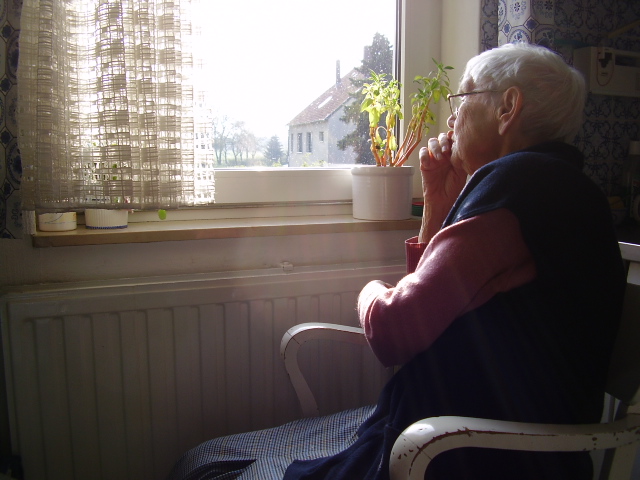
Adult day health services provide older adults living with chronic conditions individualized therapeutic, social, and health services during the day.

Participants enjoy lively activities and the company of their peers, all within a safe environment. At the same time, their families are able to go to work, run errands, or simply take time for themselves–all with the knowledge that their loved one is not bored or lonely at home all day.

But knowing whether adult day health services is the right option for your family can be difficult. These questions might help. If you answer “yes” to any of the following questions, adult day health services may be the right care option for you and your loved one:

  • Do you worry about your family member’s safety if they are alone at home?
  • Are you concerned that your loved one is bored, unhappy, or isolated sitting at home all day? Do they have someone to talk to during the day?
  • Do you worry that your family member’s physical or cognitive health is declining?
  • Does your loved one need assistance to remember to take their medications, check their blood sugar, or eat healthy meals?
  • Do you want to avoid senior facilities, and help ensure your loved one remains at home for as long as possible?
  • Do you feel overwhelmed by your caregiving responsibilities? Would you like time away from your family member to go to work, run errands, or rest?

To learn more about how adult day health services can help you and your family, and to schedule a tour of Iona’s Wellness & Arts Center or Washington Home Center, please contact us by calling (202) 895-9448 or emailing info@iona.org.

Tips for Making Your Valentine’s Day LGBTQ-Inclusive

Valentine’s Day is just a few weeks away! In past years, Iona’s blog has spotlighted how Valentine’s Day might be different or more challenging for those caring for someone with Alzheimer’s or another form of dementia or memory loss.

This year, we’d like to expand our library and spotlight another community for whom Valentine’s Day can be different or challenging—and some ways that you can make your Valentine’s Day celebrations or traditions a little more inclusive.

Although Valentine’s Day receives lots of media attention, themed products, and events, these often exclude lesbian, gay, bisexual, trans, and queer (LGBTQ) people.

Cute romantic movies or stories shared on social media tend to display only male-female couples. People in same-gender partnerships and marriages may feel invisible during a holiday celebrating love, particularly if they have to hide their relationship from coworkers, family, or neighbors. LGBTQ couples of color receive even less attention in every arena, even media made by or for people of color and LGBTQ people.

For LGBTQ older adults, the holiday may bring unique challenges as well.

Perhaps a couple wants to go on a date but the residential community where they live is not as accepting as they’d like. Or perhaps a gay or bi older adult wants to remember a lost partner, but can’t discuss them with their friends or caregivers due to their gender.

Whether you’re hosting a Valentine’s Day party or event, participating in an exchange at work, or just going about your day like normal, here are some simple things to keep in mind to make Valentine’s Day more inclusive for LGBTQ people.

Tips for Making Valentine’s Day Inclusive to LGBTQ People

1.Be aware of the language you choose.

Think about the terminology you use for couples or romantic situations – does it assume all couples will include a man and a woman, even implicitly? Have you taken into account different terminology you could use, like partner or spouse rather than husband/wife? When you ask people about their plans for the holiday, are you specifying gender in an exclusive way (or expecting the person is even interested in romance)?

2. Similarly, be aware of the imagery you promote.

If you’re buying candy and cards packaged in pink hearts, make sure it’s not emblazoned with pictures of only male/female couples. If you’re sharing cute stories on social media, but they’re all of male/female couples, try searching for stories about same-gender couples as well. Remember not to include only white couples as well—LGBTQ people of color exist too!

3. Remember who might feel especially invisible.

Bisexual and transgender people may be part of male/female relationships, but that doesn’t mean any depiction of a male/female couple automatically includes bisexual and transgender people. Some strategies for explicitly including bisexual and transgender people are:
• Be accurate with your information:
• Don’t imply bisexual people are unfaithful, promiscuous, or indecisive, as these are harmful stereotypes.
• If you’re talking about a transgender person, be sure to use the person’s correct name and pronouns, and don’t refer to them using past names or titles (e.g. “Jamie, formerly Susan…” or “His wife, previously his husband…”).
•  Spotlight the stories of actual bisexual and transgender people!

4. Don’t forget about these things after Valentine’s Day!

When people only remember LGBTQ people during Pride month (June) or during specific holidays or events, it can feel like pandering, or insincere. Instead, you can use Valentine’s Day as an excuse to start being more inclusive, and keep it up all year long.

All of these might seem difficult at first—or you may feel guilty for having overlooked them in the past. But it’s never too late to start reaching out and being more inclusive, and it won’t go unnoticed by those around you.

Regardless of what you’re doing or who you’re spending it with, have a happy, healthy Valentine’s Day!


By Indy Weinstein.

                               
Indy Weinstein is an intern at Iona working to support our Take Charge/Age Well Academy, LGBTQ outreach, and other projects. They graduated from St. Mary’s College of Maryland in 2017 with a BA in History, and are excited to learn about nonprofit management and aging.


My real Advance Directive, revisited

A year ago, I wrote a blog post that details what I want to have happen if I get dementia or a disability–or when I face end of life.  My point #5 takes on new relevance with the recent news about lifestyle icon B. Smith’s husband having a relationship with another woman. If you haven’t heard about this, watch this moving short clip from The Washington Post.

I hope that my ideas will inspire you to start your own conversations. Below, read my original post.

After much observation of others’ situations and thought about my own wishes, I provide these five pieces of guidance:

1. If it is only possible to keep me at home with help from professional caregivers like home health aides or certified nursing assistants, I hereby grant my family members my blessing to hire those people. Regardless of whether I say, “I don’t want strangers in my house” or “I only trust you.” My family caregiver(s) get to be the ones to decide when they need help with giving me care, not me.

2. Please check out any adult day health programs I might join. I’m a super social person and so being part of a new community will probably be good for me, even if I am skeptical at the time. Get a guest pass for me and let me give it a whirl!

3. If my safety or the health/well-being of my family is in jeopardy because caring for me has become too demanding, I want to be moved to an appropriate long-term care setting.

4. I want my family and doctor(s) to talk to me about palliative care and also hospice. I would rather have those options on the table earlier rather than later. And if I bring them up, please do not shush me with, “It’s too soon to give up” or “I don’t want to talk about that.”

5. If I have severe dementia, I hereby grant my wife the freedom to pursue another romantic relationship. She will not be “cheating”; she will be meeting human needs for companionship and intimacy. I just ask that she (or even they) continue to take care of and/or visit me!

And, because I know it can be hard to know how to connect with someone who is cognitively impaired, I have five ideas to make visits with me easier:

1. Bring Pepperidge Farm Milano cookies! By then I promise I will not care about my triglyceride levels! Oh, and make it the classic dark chocolate Milano—not the double chocolate or milk chocolate or mint or orange.

2. I have a few boxes of childhood memorabilia. If you want to make me happy, go through the items with me and let me tell you again and again the stories connected with each.

3. Music that will cheer me up is soul, Motown, and Meat Loaf’s “Paradise by the Dashboard Light.” Do not play jazz in my presence. It will make me jittery and angry.

4. I love to read. It’s possible I will still enjoy listening to books or being read aloud to, so please try. I might resonate the most with childhood favorites. Try Little WomenAnne of Green Gables, Harry Potter, the All-of-a-Kind Family series by Sydney Taylor, The Saturdays and sequels by Elizabeth Enright, or any Cherry Ames’ nurse mystery story.

5. I will probably always like Christmas decorations, cookies, music, and lights. So, feel free to celebrate that holiday even if I have no idea what month it actually is!


Healthcare advance directives are legal forms where you can share your future healthcare and end-of-life care wishes with medical professionals and family members or friends. These forms may include living wills and/or powers-of-attorney. Here at Iona, we firmly believe in the importance of preparing an advance directive and designating a healthcare decision-maker should you no longer be able to make decisions on your own. 

Are you aging without a family member or close friend who could take on the role of your caregiver or health care decision-maker?

If you’re feeling anxious or unsure about your social support as you age, you’re not alone. Iona’s Take Charge/Age Well Academy is offering a six-session series dedicated to helping you navigate aging solo. “Aging Solo” will take place on March 13, 20, 27, and April 3, 10, and 17, 2019 from 4:00 – 6:00 PM. It will offer presentations and guided-discussions on the critical decisions you need to make now and in the future. Learn more and register for the class here.

By Susan Messina

Susan is Iona’s Deputy Director. She holds three master’s degrees, including two from Bryn Mawr’s Graduate School of Social Work and Social Research. Susan has presented on many aging-related topics, including what factors contribute to aging well, aging in place, health advocacy, and more. 

Coping with Loss: Positive Strategies for Honoring Your Feelings

As you get older, you’ll likely experience many different types of loss. Loss doesn’t always imply the death of a loved one (though it can be) – sometimes it’s just a close friend moving away, or a relationship that ends.

Whatever your loss, and however recent or raw it feels, loss is an enormous and often overwhelming experience to cope with and move forward from. And often, it’s hard to know where to begin.

If this resonates with you, here are some positive strategies for coping with loss you might find useful:

Be gentle and compassionate with yourself.

  • Don’t try and rush the mourning process – remind yourself (and others) that it takes time, and there is no exact or common amount of time after which you have to “get over it.”
  • Keep yourself eating and exercising regularly, and let yourself ask for help if you struggle to do this.
  • Allow yourself to postpone major life decisions or trips you may be unable to make.
  • Do activities you think may keep your body and spirit refreshed and decompressed, and stay active socially.

Seek out support if needed; don’t isolate yourself.

  • Join a support group
  • Stay in touch with loved ones
  • Seek individual counseling or therapy if your grief is overwhelming or persistent.
  • See a doctor if any unusual symptoms occur.
  • Talk with caring family and friends, and don’t hold back from expressing your feelings.

Honor your loss.

  • If you find reminiscing about who or what you lost helpful, make a memory book, donate money to the person’s favorite cause, or talk about your memories with loved ones.
  • If recalling them is painful, be aware of your triggers (holidays, anniversaries, others’ losses or deaths) in advance.
  • If you find yourself dwelling constantly on negative emotions about the loss, such as guilt, anger, or depression, seek the company of loved ones, or professional help, and express these feelings.

If you think you may need professional help, or aren’t sure where to start looking, Iona’s Information & Referral line is a great place to start – call (202) 895-9448 and ask for the Helpline. Iona also offers mental health counseling, which you can ask for more information about via the helpline as well.


By Indy Weinstein.

Indy Weinstein is an intern at Iona working to support our Take Charge/Age Well Academy, LGBTQ outreach, and other projects. They graduated from St. Mary’s College of Maryland in 2017 with a BA in History, and are excited to learn about nonprofit management and aging.

6 ideas for celebrating Valentine’s Day when caring for someone with dementia

For many of us, Valentine’s Day marks a special time dedicated to recognizing and appreciating our significant others.

However, if your spouse or partner has Alzheimer’s or other kind of dementia, the holiday might also bring about painful reminders of the aspects of your relationship that have changed.

While it can be difficult to celebrate Valentine’s Day when your partner is unable or unwilling to actively participate, for couples who regularly honored the day, it might be even more painful to pretend it doesn’t exist.

Despite  complications that come with the progression of dementia, there are still ways you can stay connected with your loved one, and appreciate your love for them, both past and present.

Show your love, past and present, with these 6 ideas to make your day special:

  1. Go through photo albums or other favorite mementos
  2. Bake and decorate heart shaped treats
  3. Watch a romantic comedy, or other favorite film, together
  4. Reminisce on the day you met or how you fell in love
  5. Brighten up a space with a fresh flower arrangement
  6. Enjoy a special meal together from your favorite restaurant (and, remember, you can always order it to-go if you’re concerned about eating out)

Ultimately, acknowledging your partnership is the best you can possibly do for a partner with dementia — and for yourself. Remind them that they are loved, that they love you, and that you continue to share a connection.

Feedback for Iona