
Meet Iona staff member Fiona Druy: 2019 Nurse Practitioner State Award for Excellence winner


We are pleased to share that Iona Nurse Practitioner Fiona Druy has been awarded the 2019 American Association of Nurse Practitioners State Award for Excellence. This prestigious award, established in 1991, is given annually to a dedicated nurse practitioner in each state who demonstrates excellence in their area of clinical practice.

Here at Iona, we all know Fiona as a team player who has worked endlessly for the past 32 years to ensure a better life for older adults in the District.

Clinicians across the city’s lead agencies call Fiona for help with their most challenging cases, often related to issues of client capacity and the need for a guardianship intervention, or eviction prevention. Fiona is also the chair of the Protective Arrangement Evaluation Panel and is very active on the Elder Abuse Prevention Committee.

In addition to her work with the lead agencies, Fiona was the first Nurse Practitioner appointed as a court examiner for the DC Probate Court to determine functional and cognitive capacity of adults in guardianship proceedings. She has been appointed in more than 600 intervention proceedings, and she is also on the panel for orientation for new examiners.

Fiona has been an instructor in Gerontology courses at Catholic University and has been a preceptor for Graduate Nurse Program students there for the last 10 years.

In honor of this recognition, we asked our team to share what makes Fiona such a valuable part of our team and advocate in the community.

Here are their sentiments:
  • Fiona, you are a fierce advocate for the older adult community at large, as well as the individual. You represent Iona in a most positive light.
  • You are always able to parse out the details of the most complex cases and solve the mystery of what the situation is and what needs to be done. In another life, Fiona has often said she would have liked detective work, and she would have been good at it!
  • Fiona, your respect for the individual person, your insight, and your willingness to always go the extra mile makes us so appreciative that you are a member of the Iona team.
  • You are an endless wealth of wisdom and knowledge (medical, legal, ethical) and your constant support of each of the team members as they approach challenging cases is a great comfort to us. You are the voice of reason.
  • My operating principle related to Fiona is if she tells me to do something, I do it.
  • We feel that there is no problem that you cannot tackle. Give Fiona a task and it is done! In looking back on all the direst cases of clients living in terrible conditions-there is no job too messy or too dirty or laborious.
  • We always can count on you to remain upbeat and positive.
  • Fiona manages, with grace, to be a wonderful listener even if she has heard the same thing a hundred times.
  • Fiona, you make people feel special and cared for. You are a true leader.
  • One client shared how Fiona jumped into action to help her navigate financial challenges after the recession.

“At my low point, I told Fiona, ‘I shouldn’t have gotten into this mess.’ Her response made me feel better. She said: ‘This could have happened to my own mother.’ ou can read her whole story here.

Congratulations, Fiona! You deserve to be recognized for all you do.

Understanding Rent Control in DC: The 2019 Annual Increase


My husband and I are “aging in place” in our rent-controlled apartment in upper Northwest DC. When we moved in 40 years ago, I didn’t know anything about DC rent control.

But now I do. And today I believe that leasing our rent-controlled apartment—an affordable housing option— is one of the best financial decisions we ever made.

What is a rent-controlled apartment?

Rent-controlled units are neither federally- nor District-subsidized. Anyone who can meet a building’s leasing requirements can lease a DC rent-controlled apartment. My neighbors include non-profit executives, federal government contractors, a UDC professor, and one of my favorites – a Shakespearean actor/director.

Only buildings built before January 1, 1976 are covered under rent control. In my Connecticut Avenue neighborhood you can have a rent-controlled building across the street from a brand new apartment building. Residents share the same neighborhood conveniences – at a fraction of the cost.

Is your apartment rent-controlled?

If it is, this is your annual rent increase notice: in English, and Spanish. For more information about rent control in DC, read this Fact Sheet, “What You Should Know about Rent Control in the District of Columbia.”

How DC Rent Control Works

What is “controlled” under the law is how often and by how much DC’s landlords can raise the rent. Landlords are allowed only one annual automatic rent increase to keep pace with inflation.

Our annual automatic rent control increase is based on the LOWER of:

  • the Social Security Cost of Living (SS COLA), or
  • the Consumer Price Index-Urban Workers (CPI-W)

For 2019, the CPI-W is 2.3% which is lower than the SS COLA’s 2.8%.

There are two levels of rent control increases:

  1. 2.3% (Only CPI-W). For renters aged 62-plus or people with disabilities (any age as long as you signed the lease). However, this rate only applies if you filed the FREE application form linked here in both English and Spanish with the DC Rent Administrator, 30 days before your next rent increase date. There are no income requirements to receive this reduced rent increase! And the form is short—just 3 pages—filed only once with no application fees. See Form 6 – Tenant’s Notice to Housing Provider of Elderly or Disabled Status.
  2. 4.3% (CPI-W +2%). For all other rent control renters. The 2019 rent control increases begin May 1, 2019 and end April 30, 2020. They are applied only once during this 12-month period.

The 2019 2.3% base rate has been creeping upward from 1.1% in 2017 and 1.4% in 2018. Here is a history of DC rent control rates back to 1985.

Want to learn more about DC rent control?

For a detailed discussion of DC renter rights, including an overview of DC rent control, visit the Coalition for Non-Profit Housing website for an online copy of the 2013 Washington DC Tenant Survival Guide, Eighth Edition (visit cnhed.org/policy-advocacy/research. Scroll down to “Additional Research Information”).

DC’s Office of the Tenant Advocate (OTA)—DC Renter’s Agency—helps all DC renters—whether you’re renting a rent-controlled or non-rent controlled apartment, or renting a condo, co-op, or room(s) in a house. OTA offers FREE legal help and can assist you in filing the elderly or disabled reduced rent control increase form. Visit www.ota.dc.gov to learn more. Also, check out OTA’s training resource OTA Renters’ Rights 101 . OTA offers free renter rights classes at their Reeves Center office located at 2000 14th Street, NW Suite 300 North.

Contact the Outreach and Education Coordinator Stephen Dudek at Stephen.dudek@dc.gov or 202-719-6561 for future classes.


By Barbara B. Cline

Barbara B. Cline, CPA, is a former auditor and non-pro  fit executive. She is a SERVEDC Commissioner, where she works on the emergency planning task force. She lives with her husband, who has some physical challenges, in an apartment in NW, DC. Barbara is a fair housing and disability rights advocate and writes articles on housing issues — including rent-control, an often unknown and misunderstood type of affordable DC housing, for both Iona and the Forest Hills Connection.

Use this Guide to Help You Plan for Paying for Long Term Care

When it comes to planning for the future, we are unique in the animal kingdom. Humans have the ability to perceive what the future may look like and build a plan or develop a path to get there. We put in place contingencies in the event not all our initial plans “go as planned.”


So why all this talk about being unique and planning for the future?

Well, most of us don’t plan for certain things in our lives. Case in point, planning for our own or a loved one’s need for care later in life.

We’ve all heard the staggering statistics that thousands of baby boomers are turning 65 each day, and a very large percentage of us will most likely need some form of long term care later as we get older. Additionally, a vast number of Americans have not saved enough and are now having to decide, do I pay for my prescriptions or do I eat today.

So often in many of these cases, people fall short—not because they don’t or didn’t have the means, intelligence, or abilities to address their situation. They now face these challenges because they didn’t plan. There is even a quote about it, and you probably know it or some form of it: “Failing to plan is planning to fail.”

When planning, we need information to help us make our plans and our action items that lead us to our desired goals and outcomes. We must have a roadmap to get there and we must begin with basic steps to create our plan.

What goes in a financial plan?

Since we’re talking about finances, I’ll use some of my outline for building a client plan, but there are many planning tools out there to get you started. You should at a minimum:

  • Define your goals and objectives – short and long term;
  • Summarize your current financial situation including cash flow and budget, and risk factors and mitigation tools be they legal or financial;
  • Discover and understand all of your assets and liabilities;
  • Do a retirement financial analysis to find asset and income shortfalls
  • Address potential costs of long term care needs and future contingencies.

This plan outline is just a guide, as every plan is different and as unique as you are in this world. There is no one size fits all for planning.

How to pay for long term care?

Additionally, when it comes to paying for long term care needs, there is no silver bullet to handle paying for it.

However, there are several different means of paying for the care of a loved one or yourself. You’ve most likely heard of some of them if you watch TV or happen to read most major magazine or financial articles online. This list is not exhaustive, but the big ones are:

While you may know some of these by name, you might not know how they work or how to even get them for your loved one or yourself.

Beyond that, knowing how one of these works in no way means it is right for you or even a possible option. You need to determine if your current situation will allow for several options to work together and what will provide the best possible financial safety net you desire or need?

What are my next steps?

If you are ready right now and need assistance in developing a plan for a current situation, you should talk to someone at Iona to get started or you can reach out to me, as I have created the Long-Term Care Financial AssessmentSM and am glad to help you answer these question related to your specific situation.

From time to time, I offer free presentations at Iona on long term care planning. If you would like to be added to the waiting list, or notified the next time we offer this class, please contact Lena Frumin at community@iona.org.

Remember, you are unique in the world in so many ways, so use those abilities to plan for what you want to happen and address what may happen. I look forward to seeing you on the path to a better tomorrow.

by Rick Gow, CSA
Certified Senior Advisor & Wealth Advisor
rick.gow@dempseyi.com or (703)966-9249
with Life Plan Retirement Partners, LLC., Securities offered through Dempsey Lord Smith, LLC, Member FINRA/SIPC


Rick Gow is a seasoned Wealth Management Advisor, a member of the Society of Certified Senior Advisors®, facilitator of the Meaningful Future Process™ and nationally recognized speaker on many senior related long term care financial planning topics. He primarily works with seniors, their caregivers and family members, related to all aspects of financial planning for long term care needs. He helps develop all-encompassing long term care plans, tax efficient wealth transfer structures and retirement strategies. Most plans start with his Long Term Care Financial Assessment that addresses various components: from income generation, Medicaid & Veteran’s Administration compliant insurance products to real estate transfer strategies and principal protection, just to name a few.

13 Ways to Connect, Create, & Contribute Beyond Older Americans Month

May marks Older Americans Month, a time to celebrate the many contributions of older Americans. This year’s theme: connect, create, and contribute encourages older adults and community members to:

  • Connect with friends, family, and services that build community
  • Engage in opportunities that promote your learning and health, and enrich your personal life, and
  • Contribute your talents and wisdom from your life’s experience to benefit others.

Below are ideas to help you connect, create, and contribute through May and beyond.

CONNECT

There are endless ways to connect with others, so feel free to get creative. Check out these suggestions to get you started.

  • Attend local events to grow your social networks and meet neighbors. Coming up on Wednesday, June 19, 2019, you can join Mayor Muriel Bowser’s 8th Annual Senior Symposium from 8:30 AM– 3:00 PM. This event will feature speakers and educational workshops. Topics include: healthcare, legislation, elder justice, fall prevention, arts in aging, nutrition, accessing government resources, and more. Attendance is free. Register here.
  • Visit an art show or museum. At Iona, you can join us on Saturday, June 22, 2019, from 2:00-4:00 PM for our annual Participant Artists Reception. This reception celebrates the artistic achievements of participants in our Wellness & Arts Center. Join us at Iona at 4125 Albemarle Street NW, Washington, DC 20016. RSVP to Art Therapist Susan Lee: slee@iona.org, 202-895-9471. There will be light refreshments. If you can’t make the show, you can still enjoy the artworks on display June 5 through September 6.
  • Join a program for a daily or more consistent dose of fitness, stimulating activity such as art making or gardening, and fun. For example, Iona’s Active Wellness Program at St. Alban’s is a great place to make new friends. Whether you enjoy dancing or knitting, poetry or piano, cooking or computers, writing or the study of history — the opportunity to expand your horizons is always available. And, of course, your ideas and contributions about programming are always welcome.
  • Schedule monthly check-ins or meet-ups with friends and family. This can be a call, video conference, dinner, or fun day.

CREATE

Create by participating in activities that promote learning, health, and personal enrichment. You get the benefit of learning something new, as well as helping others learn and grow. Check out these options for learning that you can enjoy with or pass along to friends.

  • Attend free workshops around the city on different topics. At Iona, you can attend our FREE Understanding Options to Pay for Long-Term Care presentation on Wednesday, June 12, 2019 from 4:00-6:00 PM. Bring a friend, and learn about ways you or a loved one can pay for long-term care. Learn more and register here.
  • Learn how to stay digitally connected or catch up on new technology trends. Connect.DC offers ongoing workshops throughout the year. Topics include: Smartphone 101 Workshop, Social Media 101 Workshop, Internet Safety Workshop, Free tech support, and PC for Beginners. Visit Connect.DC – Digital Inclusion Initiative to learn more and sign up.
  • Drop into a new fitness class. This opportunity actually relates to all three themes. You can connect with others, create a new routine for staying fit or improving your strength and agility, and pass down techniques that you may have already mastered to others. Iona offers a wide array of fitness classes that you can attend no matter your level of fitness.
  • Look into free courses, webinars, or workshops—even Youtube videos—to increase your understanding in a desired area. Of course you can invite your friends to make it more fun. Check out AroundTownDC.org to locate learning opportunities, discussions, shows, and even more in your area.
  • Look into brain exercises to keep your mind sharp. If you are a 60+ year old Ward 3 resident of DC, and you love trivia, sign up for the DC Department on Aging and Community Living’s 3rd Annual Brain Games competition. DC Brain Games is a city-wide, Jeopardy-style trivia competition that promotes brain health. The competition begins on Tuesday, July 9, 2019 at Iona. Contact Ashlea Steiner at (202) 895-9442 or asteiner@iona.org to register as an individual, or as a team of three to four people. Registration closes June 21, 2019.

CONTRIBUTE

There are many ways you can contribute to your communities. Reflect on your own skills and expertise, and offer a fun way to share your knowledge or time with others. You can also find local forums to speak on.

  • Organize a reading club to discuss and compare take-a-ways around your favorite reads. You can even conduct virtual gatherings or meetings via video conferencing, or social networks such as Facebook or Google Hangouts.
  • Host a cooking class for quick meals, or even a knitting group for friends in the neighborhood.
  • Volunteer with causes you care about. At Iona, we welcome people of all ages, skills and experiences. Learn more about volunteer opportunities here.
  • Advocate for a social cause or group that is near and dear to you or your loved ones. If you have a passion for working for better and more just services for older adults in the District, you might consider joining the DC Coalition on Long Term Care, the DC Senior Advisory Coalition, or The DC Center (which advocates for LGBTQ people, including LGBTQ older adults). The DC Center’s Center Aging Advocacy Meeting hosts a meeting on the first Month of each month from 12:30-1:00 PM.

Remember, there is no one way to connect, create, or contribute. Whether you follow one of these ideas, or start something new, we encourage you to build friendships, learn, teach others, and create this May, and throughout the year. Happy Older Americans Month!

Do you have examples of how you connect, create, and contribute?
Let us know in the comments!

7 Questions & 7 Ways to Better Your Mental Health

May is Mental Health Month. Are you giving your mental health the right attention? If you’re not sure, you’re not alone!


People are affected by depression, anxiety, and other challenging emotions. At Iona, we want you to be able to display your best self, as reflected in our tagline: Age Well. Live Well.

To achieve this, here are some questions to ask yourself, and to discuss with your primary care doctor, to take stock of your mental health.

  1. Are you consistently getting a full night’s rest? Getting at least 8 hours of sleep helps you maintain energy and focus.
  2. Are you eating balanced meals regularly? Eating the right foods also helps you maintain high energy, without giving you the ‘itis or making you feel drowsy and unmotivated.
  3. Are you drinking at least eight glasses of water daily? Daily hydration (eight, 8-ounce glasses per day are recommended) keeps your mind sharp and allows your brain to function properly. It also helps to maintain your focus and attention.
  4. Do you experience more positive thoughts or emotions than negative ones? Remember, just because you think something, doesn’t mean it’s true. Negative thoughts can take a toll on your mood, self-image, and view of others. Such thoughts can evolve into doubt, pessimism, and lower self-esteem, among other things.
  5. Do you have effective ways for managing stress and incorporating “you-time”? Stress can happen anytime, and most often, does. Make sure you have activities or time in your day to help you unwind and relax.
  6. Do you engage in physical activity or exercise regularly? Keeping your body active and moving produces endorphins that improve your mood, and helps you and your mind stay nimble.
  7. Are you free of toxic relationships with friends, associates, or loved ones? The people that surround you directly affect your mood and energy.

If you answered “no” to any of these questions, here are suggestions to help you make a change.

  1. Trouble sleeping? Try incorporating calming practices, such as taking a warm bath before bed, or using calming scents or candles around you (lavender is popular for its soothing and calming benefits).
  2. Pay close attention to how the food you eat makes you feel hours later or the next day. You can also talk to your primary care doctor or a licensed nutritionist.
  3. Set specific times and reminders to help you establish a routine for drinking water. Carry a large water bottle or thermos around with you.
  4. Try to flip negative thoughts into positive ones when appropriate. Ask yourself how accurate a negative thought is—this often allows you to see the situation more realistically. Finding new ways to deal with challenging emotions can help motivate you and empower you. Working toward solutions will also help combat negative thoughts and feelings.
  5. Carving out personal time has many benefits for keeping your mental health strong. Engaging in new activities or favorite hobbies allows you time to organize your thoughts, and unplug from your daily routine. One way to do this is by incorporating art to help reduce stress and increase self-awareness. Check out our Art Healing for Stress Management blog for more details.
  6. Go for a daily walk or run. Sign up for a fitness class, or even look into wellness centers that incorporate daily movement. Iona has different fitness classes for you to choose from. You can also check out our newest program Around Town DC to locate fitness classes, and other activities in your neighborhood.
  7. Maintain healthy boundaries with toxic people in your life. Toxic people drain you of your energy and take away from your happiness. Creating boundaries will free up space in your life for more supportive people and valuable activities.

Good mental health is important and needs constant nurturing. If you’re concerned about your mental health, talking it out with someone you trust can be a good starting point. Talk to a family member or friend, your doctor, faith leader, or a psychotherapist. You might also consider joining a support group.

We hope that you find these strategies helpful, and that you feel encouraged to take steps for your mental health today.

If you’d like to get connected to more resources, you can call our Helpline at (202) 895-9423 or email info@iona.org.

Art Healing for Stress Management

Are you looking for new ways to cope with stress and other feelings, such as anxiety or feelings of depression? One way to help manage stress is to add art into your life.

Research shows that incorporating art and creative outlets into your life can relieve tension, improve anxiety, and speed up healing.

The article, The Connection between Art, Healing, and Public Health: A Review of Current Literature finds that “art can be a refuge from the intense emotions associated with illness.” The research identifies how art helps fill occupational voids, distracts from depressive thinking, improves spontaneity, and enhances social networks.

We sat down with Iona’s Art Therapist Susan Lee for tips on how to incorporate art into your life. Doing this can help you to better manage stress, and address chronic health conditions, or other challenges.

Susan holds a Master’s in Art Therapy, and is educated in art, counseling, and psychotherapy. She works with Iona participants—many who have memory loss or other chronic conditions—in our Wellness & Arts Center.

Her art therapy sessions use writing, painting, acrylics, and more. The goals of the sessions are therapeutic—to help participants find new forms of self-expression, boost confidence, improve physical and mental well-being, relieve anxiety or stress, and other benefits. Susan witnesses these goals unfold through the work that she does every day.

A leading activity that Susan sees participants gravitate toward is collage. She says it brings participants together, while uncovering their individual ideas. In Susan’s art therapy sessions, she explains that her job is to facilitate self-expression in the way participants want. She focuses on each participant’s needs and meeting them where they are.

While art making at home doesn’t include professional therapy, you might still enjoy some of the healing benefits.

Wherever your art journey starts, Susan urges you to keep the following advice in mind—see how research supports her tips.

  • Start with what you like. For instance, if you’ve always enjoyed doodling, start with that!
  • Focus on self-expression. There are so many different ways to express yourself besides visual art. Consider creative writing, poetry, or journaling. Journal writing has been linked to creativity, spiritual awareness, and expansion of the self.
  • Be cognizant that sometimes art and artistic expression can bring about hidden or unwanted emotions. If that happens to you, try writing about what you’re feeling, or listening to music. Results showed that the therapeutic effects of listening to music affected increases in relaxation, and decreases in tension among those tested. In trying either of these methods, you might discover a new coping tool for processing your pain and gaining new control over it.
  • Find joy in playing. Start playing with different mediums and see what sticks. We suggest trying out textiles, card making, collage, pottery, watercolor, or acrylics. Molding clay is another great option. Research finds that molding clay can be a powerful way to help people express feelings of grief, and cope with or escape intense emotions associated with illness.
  • Try to incorporate movement into your art healing. Research finds that movement-based creative expression such as theater or dance improves problem solving, self-esteem, and your psychological well-being.
  • Susan notes that in art, “It’s not about the product. It’s about the process.”
  • And finally, “It’s not just one day. It’s a journey.”

Even if you don’t consider yourself to be artistic, Susan still encourages you to try. “Give it a chance, as you might be neglecting other aspects of yourself,” she says. Don’t limit your creative possibilities or yourself!

While art making can help improve your mood, increase energy, and enhance your overall self-worth, it’s also FUN! Grab your materials and enjoy the many benefits of art making today.

Spotlight On Iona’s Nurses


May 6-May 12 is National Nurses Week, and we want to highlight our wonderful nurses here at Iona.

We’re so fortunate to have dedicated nurses who work with our Wellness & Arts Center participants daily, as well as nurses who connect older adults to resources and support they need in the community, and advocate for their needs. Iona’s nurses are truly invaluable to the work that we do.

Iona’s nurses:

  • Emmanuel D.
  • Conny O.
  • Fiona D.
  • Judy L.
  • Sydney N.
  • Gerry R.
  • Dixcy B.
  • Ellen F.
  • Carol K.
  • Lorraine O.

In honor of National Nurses Week, we asked staff and Iona participants to share what makes our Iona nurses so special. Read what they had to say below!

Comments from our team:

  • “The nurses go above and beyond. The work they do is very difficult.”
  • “The nurses are always there, even to help the staff out. Sometimes we need a Tylenol or an ice pack—they take care of us.”
  • “The nurses are key to maintaining each person’s wellness in the Center.”
  • “We have the best nurses—they are wonderful, marvelous, and hardworking.”
  • “Emmanuel has built great relationships with the male participants—he has earned their trust.”
  • “Conny will put on Michael Jackson music in the afternoon and sing and dance with the participants.”
  • “I have so much respect for our nurses. They have chosen to dedicate their lives to the care of others.”

Comments from participants:

  • “They are the finest people here.”
  • “I can talk about my anxiety with the nurses—they help me.”
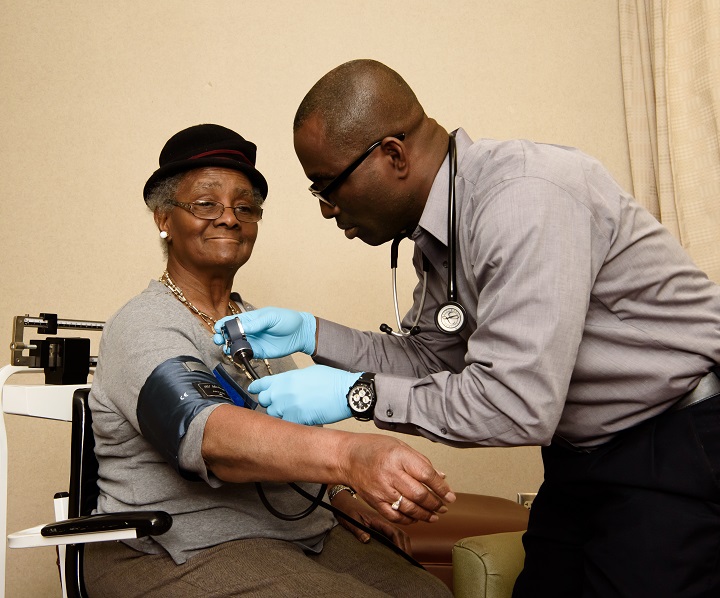
  • “They always take my blood pressure and are very gentle.”
  • “When I get sick, they make me feel better and take care of me.”
  • “Conny is very nice and gives me medicine when I need it.”
  • “One day when I was crying, Emmanuel told me a story to encourage me. I felt better.”

Thank you to all of our nurses for keeping our participants safe and smiling. We appreciate you!

Want to share your own words of thanks to our Iona nurses? Comment below!

Feedback for Iona