
Tips from our Fitness Instructors: How to Take Care of Your Physical Health through COVID-19

As you’re spending a lot more time at home, you may find yourself sitting more idly, and focusing less on your physical fitness amid other concerns and responsibilities. Well, we’re here to tell you that although you may have current distractions, your physical fitness is important and can play a huge role in your ability to keep up with and tackle many other tasks. Top benefits include an increase in energy and endurance, improved sleep and mood, and reduction in stress and anxiety.

Fitness is so important to your overall health. But you may not know where to start. In honor of National Physical Fitness Month, we asked our fitness instructors to share their TOP two tips for helping you develop practices for your physical fitness. Please note that it is a best practice to consult with your primary care physician before beginning any new exercise or fitness program; these are general tips that may not align with everyone’s fitness level.

Here is what our instructors suggest.

Kathleen Gracenin, Rx. Move to Music Instructor

Shuchi Buch, Indian Dance Instructor

  • TIP #1: Dance. Dance keeps a person mentally and physically healthy. An Indian dance saying goes, “Where your hand goes, your eyes go; where your eyes go, your mind goes; and where your mind goes, your heart goes.” Dance keeps people happy and physically healthy. Eat well, sleep well, and dance well.
  • TIP #2: Breathe deep. Practicing deep breathing helps calm the body, mind, and spirit.

Normon Greene, Tai Chi Instructor

  • TIP #1: Try Tai Chi movements. Tai Chi unlike qi gong, yoga, or other forms of exercise works heavily in remembering. While you are studying balance, flow, movement, relaxing, and purpose. The tai chi flow and movements all have meaning and your practice teaches you the benefits. At a time like this, staying fit is not only physical but also very much mental. Take time to practice for your “peace and mental health.” Practice. Practice. Practice.
  • TIP #2: Make time for self-care. Taking time for you is beneficial to staying balanced and less stressed.

Bara Vaida, Yoga Instructor

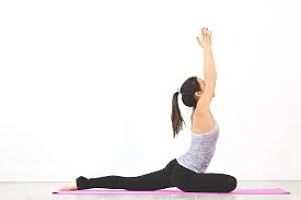
  • TIP #1: Exercise your spine daily. Try doing these spine movements every day by following these steps, or following along with the below video: While sitting, reach your arms overhead, and gently lean to your right. Come to center, with arms overhead. Then lean gently to your left. Next, take your left hand down to your right knee and place your right hand down near your right hip. Twist gently to your right. Unwind. Then take your right hand to your left knee and left hand near to your left hip and twist gently to the left. Unwind. Take your hands to either knee. Lift the top of your head toward the ceiling. From here, lift your chin toward the sky, draw your ribs forward a little, into a soft back bend. Next draw your chin towards your belly and round your spine a little. Draw your belly button in towards your spine. Come back to center. Through these movements, you will gently nourish your spine, a key to remaining physically fit.


  • TIP #2: Focus on your breath. If you start to feel stressed about something, take a few seconds and say these words to yourself, three times: “breathe in, breathe out.” You’ll find yourself a little calmer. By focusing on your breath, you are on the path for staying physically fit!

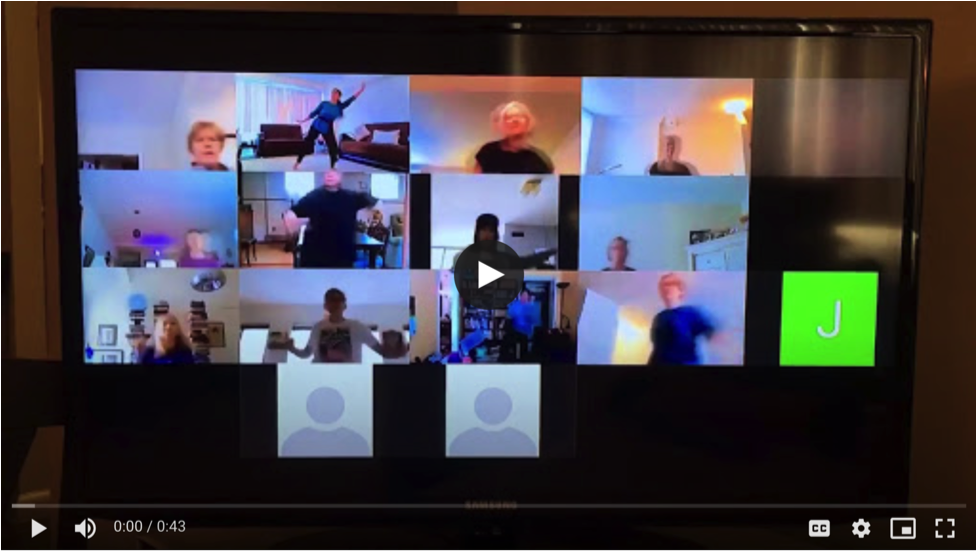
You can practice all of these tips (and get even more guidance for your physical fitness journey) by joining our virtual sessions. We’re glad to offer you free, online Tai Chi, yoga, dance, Zumba, and other fitness and movement classes that you can do from home. Browse our fitness sessions and register here. Have questions about the fitness classes? Contact Lena Frumin at community@iona.org.

Avoid Caregiver Burnout during COVID-19

While we are all doing our part to stay home, caregivers of aging loved ones are experiencing a dramatic increase in their caregiving duties as well as having to deal with new and unprecedented challenges in their routines. In these turbulent times, many family caregivers are transitioning to providing full time care for their loved ones while juggling their own. In the face of so much uncertainty, caregivers may feel exhausted, hopeless, and isolated. Caregivers experiencing an excessive amount of any of these symptoms or emotions may be at risk for caregiver burnout.

At Iona, we want to support our caregivers as much as possible while we all navigate our new normal. We’ve compiled some tips for caregiving and self-care, as well as identified some additional resources that may be helpful to caregivers in the midst of this pandemic.

Self-care is essential for caregivers, especially during this time.

Caregivers should not minimize or neglect their own health and emotional needs.

Here are some ideas for caregiver self-care:
  1. Paint or draw something. Studies show that just 45 minutes of art making can reduce stress causing hormones.
  2. Watch something funny. Laughing releases endorphins, soothes muscle tension, relieves pain, and improves your mood.
  3. Take an online yoga or workout class. If you’re looking for a new class, check out AroundTownDC.org for various fitness class options, including virtual and online sessions.
  4. Try guided mediation. Here are the top 2020 meditation apps from Women’s Health.
  5. Take a warm bath.

Caregivers may observe that their loved ones are seemingly experiencing additional distress and restlessness. For those individuals with dementia, having a daily routine is crucial to their sense of stability, since all the new safety precautions may have completely thrown off their daily schedule.

Here are some ways that caregivers can help calm their loved ones, and reduce their anxiety:
  1. Verbally acknowledge the changes in your daily routine.
  2. Create a new daily schedule and stick to the new routine as best you can.
  3. Try to turn off the news— the panic and constant reminder of a crisis going on outside will not help calm you or your loved one’s distress.
  4. When you speak with your family member, try to not only talk about the isolation. Make a list of other life updates to reference for conversation.
Here are some ideas for implementing a new daily routine:
  1. Set times for meals and try to enjoy healthy meals together.
  2. Have your loved one participate in small housekeeping tasks, like folding dishtowels or even winding a ball of yarn.
  3. Try to get some exercise into your day— even stretching while watching TV is better than nothing.
  4. Incorporate music into your daily activities. Music can be incredibly soothing for your person in times of added distress.

Remember, if you’re a caregiver for an aging adult and you are experiencing excessive exhaustion and feelings of hopelessness, you are not alone.

In addition to reaching out to family or friends, here are other resources to help support caregivers in this time:
  1. Contact Iona’s Helpline for advice and resources on caregiving or aging at 202-895-9448 (Press ‘1’ to connect to our Helpline) or email info@iona.org.
  2. AARP offers various resources such as articles and tips relative to family caregiving. Learn more at www.aarp.org/caregiving.
  3. The Institute on Aging Friendship Line at 1-800-971-0016 is a 24-hour toll free accredited crisis line for people 60 and older.
  4. 211 is a resource hotline for referrals to human, health and social service organizations. Call 211 from your phone.
  5. The Caregiver Action Network is also a great resource for helpful information. Check them out at caregiveraction.org/covid-19 or call their front desk at 855-227-3640.

By Patsy Lieberman

Patsy Lieberman is a graduate student at the University of Maryland School of Social Work. She recently completed an eight month internship in Iona’s Wellness and Arts Center where she learned about providing person-centered care for aging adults and their caregivers.

COVID-19 Resources for “Grandfamilies”


While we’re all being advised to practice safe social distancing, we know that this could be an unrealistic task for older caregivers and those who are part of a “grandfamily.” In fact, in the DC area, there are over 4,200 grandparents who are the sole caregiver or guardian of children in their homes, and over 12, 000 children who live with a grandparent. Isolating yourself from your grandchildren would be impossible! To help ensure that your family, and families alike, stay safe, active, and equipped with accurate tools and information, we’re sharing best practices and local resources.

First things first, it is best that everyone in your household maintain good hygiene and safe distancing. Here are the most common guidelines for staying safe during this crisis:

Health & Safety

  • Wash hands regularly and thoroughly.
  • Avoid touching face.
  • Clean and disinfect high-touch surfaces daily.
  • Practice “social distancing” from those you don’t live with. Stay home as much as possible. If you have to meet someone, consider a virtual meeting via phone, tablet, or computer.
  • Visit the Centers for Disease Control and Prevention (CDC) website.

Secondly, you want to stay updated with accurate information from valid sources. Here are some local sources:

Mental Health

During this time of uncertainty, you may find yourself feeling antsy, overwhelmed, overly emotional, or filled with worry. And, of course, children may be experiencing the same feelings. Here are some great sources for managing stress or anxiety in your household:

Learning Resources & Activities for Your Children

In addition to you having access to valid information about the virus, children under your care should also receive factual (yet age-appropriate information) and reassurance. Here are excellent resources for communicating information to them about the coronavirus:

With school closures, you may also be juggling a number of responsibilities: household errands, work assignments, helping with school, etc. These resources and activities for children at home might help:

Food Access

Although schools are closed during this quarantine, schools and childcare centers are still providing meals and other solutions for your family to access food.

  • DC schools will say with virtual learning through the rest of the school year. DC Public Schools and DC Public Charter Schools are providing meals for any children under 18. Both the DCPS and the DCPCS sites and their hours can be viewed here.

  • The city is now also partnering with Martha’s Table and DC Central Kitchen to provide pre-packed grocery bags at 10 DCPS sites for students and their families. Grocery bags will be distributed Monday-Friday, from 12:30 PM- 2:00 PM.

  • DC Greens has an excellent round-up of meal sites throughout the District. Read it here. You can also visit DC Government’s website for more information.
  • Additionally, the Department of Aging and Community Living (DACL) is offering frozen meal delivery for older adults. Individuals under age 60 may be eligible if they are the spouse of a homebound older adult or an individual with disabilities that resides with a homebound older adult. Contact (202) 895-9448, and press 1 to reach the Helpline, or email info@iona.org for more information about DACL’s meals.

Family caregivers may also qualify for assistance with groceries, meals, infant formula, and nutrition education. Here are local programs where your family can find support:

To round off advice for managing your household during this pandemic, here are a few other tips to help:

Feedback for Iona