


Terry’s Journey as a Caregiver

Terry Baker
Terry Baker, 72, enjoyed a long career with the Federal Emergency Management Agency helping local governments prepare for natural disasters.

But nothing prepared her for becoming a caregiver to her two parents, who moved from New Jersey to Washington, DC in 2000. After her father had a hip replacement and her mother experienced a serious fall, Terry became concerned about how they would continue to manage living independently while she and her husband worked full-time.

“I’m a planner,” she says. “I needed to know where to turn—and I knew to turn to Iona.”

An Iona Care Manager visited Terry’s parents at their apartment, conducted a full assessment, and provided Terry with recommendations and resources for caring for her parents. “It was so helpful to know more about Iona and all the things they could provide,” Terry says.

One day, in 2009, Terry saw a flyer in the mailroom of her apartment advertising a new caregiver support group at Iona. Until that moment, Terry had never thought of herself as a caregiver. “All I knew is that I was really stressed, tired, and feeling a little resentful,” she remembers.

That support group ended up being a refuge for Terry for seven years until her parents passed away. “It was a place where I could vent, share my feelings, and find out that I wasn’t alone,” she says. “It was my go-to place for emotional and practical support.”

Since then, Terry has supported Iona as a volunteer and monthly donor. As a member of Iona’s Safety Net Society, she understands the importance of her investment in Iona’s work.

“Iona staff are lifesavers. I think about all the people who don’t have family or financial resources, people who get meals and groceries delivered, all the elders in isolation. I don’t know what people like that would do without Iona. It’s utterly essential,” she says.

Today, Terry takes comfort knowing that she can always turn to Iona. “Life throws you in different directions,” she says. “There may be a time when I need Iona, and I want it to be there for me and my friends.”

Celebrating and maintaining your independence

It’s National Senior Independence Month! Here are a few ways you can help yourself stay independent while planning ahead to maintain your independence for as long as possible.

1. Stay active with friends and activities. 

It’s never too late to learn new hobbies or meet new people. Physical activity can build strength and flexibility, while socialization reduces isolation that can cause anxiety, depression, and sleeplessness. Around Town DC has a wide variety of activities to try, including communal lunch, fitness and art classes, special events, and much more. Check out our calendar and sign up today!

2. Consider what staying independent looks like for you down the road. 

You may be comfortable in your home today–but is your home ready for you as you get older? Thinking ahead about how you will navigate stairs, access the bathroom, and other factors are critical for staying independent in the years to come. Read our tips for aging in place and one woman’s advice for accepting and treating your body well as you get older.

3. Plan ahead as much as you can. 

Although we all want to stay independent for as long as possible, no one can truly age alone. Talk with friends and family about your end-of-life wishes and put your advance directive in place. You may also want to consider downsizing and building up your support network. Our self-guided Aging Solo program is a great tool for helping you take action steps on all these fronts.

Remembering the civil rights movement through music

In honor of Black History Month, enjoy this amazing trivia and music lesson compiled by Iona’s Washington Home Center Program Manager Saudia Roberts.

Watch each video and try to answer the questions!

Introduction

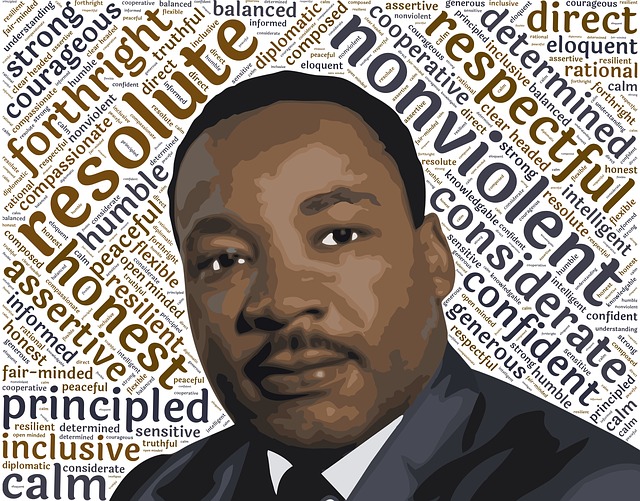
In few other times of American history was music been so important in powering a movement as it was for the civil rights movement. Music has the power to unify; it can communicate a message when words fail.

Martin Luther King, Jr. said it best: “Jazz speaks for life. The blues tell the story of life’s difficulties, and if you think for a moment, you will realize that they take the hardest realities of life and put them into music, only to come out with some new hope or sense of triumph.”

Song One: We Shall Overcome

Song #1: “We Shall Overcome”

As with any folk song, there is no single origin story for “We Shall Overcome.” In 1901, a Philadelphia minister set the words “I’ll Overcome Someday” to the tune of an old hymn. Southern Black churches soon adopted this hymn, and the words eventually became the song as we know it today. During the civil rights movement, Pete Seeger played this song for Martin Luther King Jr., who used the lyrics during his speeches and even recorded a spoken version of the song. It was performed at the Woodstock music festival by Joan Baez, who was the only artist to top the charts with it.

Trivia question:

In what state did Woodstock take place?

Answer: New York

Song #2: “Blowin’ in the Wind”

Bob Dylan wrote this song in 1962 during the height of the civil rights movement. He was inspired by the tune of an old slave song entitled “No More Auction Block,” but he claimed that it wasn’t a protest song. Though Dylan recorded his own version, the song wasn’t very popular until Peter, Paul, and Mary recorded their version in 1963. This song has been the most covered of Bob Dylan’s songs; artists ranging from Dolly Parton to Stevie Wonder have recorded it.

Trivia question:

According to Dylan, what is “blowin’ in the wind”?

Answer: The answer

Song #3: “This Little Light of Mine”

This song was a popular civil rights anthem due to the fact that its major theme was unity in the face of adversity. The tune was written in 1939 by an American pastor, and it has since entered the folk music realm. A version by Betty Fikes recorded in the 1960s sealed its place in the civil rights movement. The text has biblical origins, quoting the words of Jesus instructing his disciples to not let their light “hide under a bushel.” This song has remained very popular with children.

Trivia question:

What is meant by a “bushel” in this song?

Answer: Bushel was once a word for bowl. Today it means “a unit of measurement for dry and liquid goods.”

Song #4: “Blackbird”

This well-known Beatles tune was written by Paul McCartney in 1968. McCartney has said that the lyrics of this song are meant to represent the racial tensions of the civil rights movement that were building in the United States at the time.

Contrary to the first line of the song, “Blackbird singing in the dead of night,” real blackbirds don’t actually sing until the light of day arrives. However, some blackbirds have been known to sing at night, mistaking streetlights and other non-natural lights for sunlight.

Trivia Question:

What year did the Beatles first perform on The Ed Sullivan Show?

Answer: 1964

Song #5: “Will the Circle Be Unbroken?”

Another biblically inspired song on our list, “Will (or sometimes “Can”) the Circle Be Unbroken?” was written in 1908 as a gospel tune. However, in 1935, the Carter Family recorded a version of the song, making it popular among country western audiences. This song was performed by various artists during the civil rights movement and rose in popularity once again in the 1960s. Ritchie Havens, a social activist and folk singer, later recorded it for the 2009 documentary Soundtrack for a Revolution.

Trivia Question:

Despite the upbeat tone of the song, what solemn event is actually described in the lyrics?

 Answer: A funeral

If you’d like to enjoy all the songs at once, please check out our playlist!

A New Look and Fresh Start

Brent
It’s amazing the difference a simple haircut can make. For Brent Miller, 78, it’s just another example of the many ways that her care manager, Liza Chapkovsky, have helped improve her life.

Brent first connected with Liza four years ago when she needed help. Brent doesn’t own a computer or cell phone, and sometimes she has trouble concentrating. After living with her mother in Maryland for a few years, Brent returned to Washington, DC and felt overwhelmed by finding resources in the community.

“For people with grown adult children in the area, that’s the sort of thing they would check into and help out with, but I don’t have that,” says Brent.

So she turned to Iona.

“Liza does an excellent job and continues to stay updated in terms of finding out things that are free or affordable for people who are low income and older,” says Brent. “That’s the wonderful thing about a very good social worker.”

Today, Liza has become an important part of Brent’s support network through her weekly check-in calls and visits. “Many of us lose contact with people as we get older,” says Brent. “Liza will always check in. It’s an absolute lifesaver for people like me who would just give up looking for help.”

During the pandemic, Brent suffered a series of health challenges and needed a haircut, but she didn’t know where to go. She also felt nervous about cutting off her long hair, so Liza accompanied her to the appointment.

At Luna’s Hair Design (2033 P Street NW), the owner worked her magic–and gave Brent the haircut free of charge as a holiday gift.

“It was a perfect short haircut and such a nice surprise,” Brent says.

Best of all, Brent knows that she can count on Liza and Iona to always be there for her. “I can call her anytime,” she says. “Liza is invaluable.”

Feedback for Iona