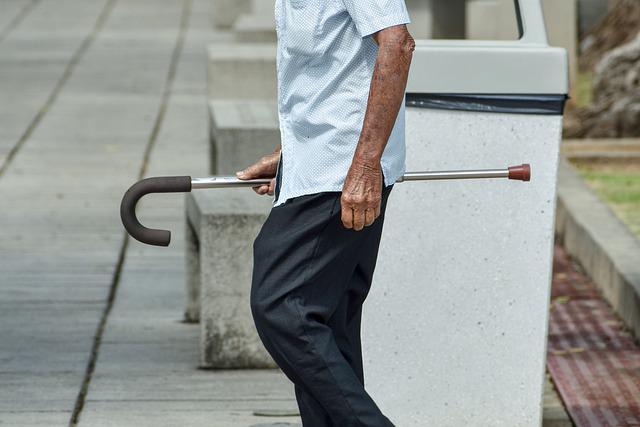
Tips for Avoiding Falls

Each year, an estimated 25% of adults aged 65 and older have a fall, putting them at risk for injury, hospitalization, and even death.

Here are a few tips you can take now to reduce your chances of having a dangerous fall.

  1. Assess your fall risk. Falls are not a natural part of aging! Use NCOA’s Free Falls Check Up to see whether you are at risk. You can also create a fall prevention plan, get tips for talking to your healthcare provider, and learn more about fall risks.
  2. Understand the particular fall risks in your home. This illustrated guide shows you common safety issues in each room of your home and provides tips for making your home safer. You can also make some simple, affordable home modifications like installing a shower seat in your bathtub or shower. (Need to borrow an item? Check out the items we offer free of charge in our Loan Closet! Our Helpline experts can also recommend local resources for decluttering your home.)
  3. Understand the myths and facts around falls. Do you have osteoporosis? Read why regular exercise is essential for helping you prevent falls. Or, are you worried that using a cane or walker will limit your independence? Check out these 10 myths about falls and learn some steps you can take to prevent falls and enjoy better health.
  4. Help loved ones and friends prevent falls in six easy steps. Read this guide with tips for talking to an older adult in your life about about their home environment and health. You can also share this simple checklist with them.
  5. Learn how to fall. If a fall DOES happen, there are important steps you can take to minimize injury, including protecting your head and keeping your joints loose. When you are on the ground, don’t get up too quickly–take some deep breaths and determine whether you are hurt before moving again.

Celebrating and maintaining your independence

It’s National Senior Independence Month! Here are a few ways you can help yourself stay independent while planning ahead to maintain your independence for as long as possible.

1. Stay active with friends and activities. 

It’s never too late to learn new hobbies or meet new people. Physical activity can build strength and flexibility, while socialization reduces isolation that can cause anxiety, depression, and sleeplessness. Around Town DC has a wide variety of activities to try, including communal lunch, fitness and art classes, special events, and much more. Check out our calendar and sign up today!

2. Consider what staying independent looks like for you down the road. 

You may be comfortable in your home today–but is your home ready for you as you get older? Thinking ahead about how you will navigate stairs, access the bathroom, and other factors are critical for staying independent in the years to come. Read our tips for aging in place and one woman’s advice for accepting and treating your body well as you get older.

3. Plan ahead as much as you can. 

Although we all want to stay independent for as long as possible, no one can truly age alone. Talk with friends and family about your end-of-life wishes and put your advance directive in place. You may also want to consider downsizing and building up your support network. Our self-guided Aging Solo program is a great tool for helping you take action steps on all these fronts.

Cold weather and winter safety tips for older adults


Older adults run a higher risk of health problems and injuries related to colder temperatures and other winter hazards. In fact, as you age, changes in your body can make it more difficult to notice when you are cold. Additionally, some illnesses like diabetes, thyroid problems, or arthritis can make staying warm a challenge.

For these reasons, it is important that you understand the risks and take precautions during the colder months. This information is equally important to anyone caring for an older relative. Here’s what you need to know:

Frostbite

People with heart disease and other circulation problems are more likely to get frostbite. You may notice a discoloration in your skin (white, ashy, or grayish-yellow), or your skin may feel hard, waxy, or numb.

How to avoid: Bundle up! When going outside in cold temperatures, be sure to cover all parts of your body. Wear a hat, scarf or knit mask to cover your face, mittens, and water-resistant coat and shoes. On very cold days, try to limit your time outside, because frostbite can occur in just minutes.

What to do if frostbite occurs: Place your frostbitten body parts in warm (not hot) water. If your symptoms persist, call your doctor.

An important note: Shivering is not a reliable warning sign of frostbite because older adults tend to shiver less or not at all.

Hypothermia

Hypothermia is especially dangerous to older adults because it can be difficult to tell when their body temperature is too low. Some warning signs of hypothermia include lots of shivering, drowsiness, exhaustion, confusion, slurred speech, and slowed breathing. Call 911 if you think you or someone else has hypothermia.

To avoid hypothermia, stay indoors when it’s very cold outside and if you must venture out, wear lots of layers and stay dry. When indoors, remember to dress warmly (wear socks and/or slippers), and keep a throw blanket over your legs.

How to avoid hypothermia: One way to avoid hypothermia is to keep your home heated indoors to a minimum of 65 degrees. Saving money is important, but not at the expense of your health and safety. (If you need help with high utility bills, call Iona’s Helpline at 202-895-9448.)

Falls

First and foremost, avoid walking on icy or snowy sidewalks to evade a slip. If you must walk outside (and your pathways are not dry or clear), wear boots with non-skid soles to help with traction. If you walk with a cane, you might consider replacing the rubber tip before it is worn smooth or even purchase an ice pick-like attachment to help with your balance. You can purchase this at a medical supply store.

Worried about having a fall while shoveling snow, or don’t have the energy to maintain the sidewalk in front of your home? In DC, you can apply for a Sidewalk Shoveling Exemption. You can also ask a neighbor to help you.

For even more winter safety tips, including information on accidents while driving and fire & carbon monoxide poisoning, download this American Geriatrics tip sheet.

If you’re looking for information and resources on influenza-a.k.a. the flu-check out Iona’s blog here.

The National Institute on Aging is also an excellent resource.

Preventing Dangerous Falls

Did you know that, every year, a quarter of adults over the age of 65 will fall?

Falls can lead to injury, hospitalization, and death. In fact, 36 million people in the U.S. are hospitalized from falls each year, and 1 in every 5 falls results in an injury.

Here are some steps you can take to prevent falls and maintain your mobility:

  1. Calculate your risk for falling. Women are more prone to falling than men, and a previous fall doubles your risk of doing so again. Take the National Council on Aging’s Free Falls Checkup to assess your risk and create a prevention plan.
  2. Understand the facts about falling. Some people feel that falling is a normal part of aging–but that is far from the truth.  Others believe that muscle and strength deteriorate for good with older age, making falls inevitable. Read these 10 myths about falling to learn more and protect yourself.
  3. Fall-proof your home. Falls often happen at home. Read these detailed instructions and diagrams with examples of how to make your home safer and prevent falls.
  4. Learn what to do if you have a fall. If a fall does happen, don’t panic. Read these tips on how to assess yourself for injuries after a fall and how to help yourself get up safely.
  5. Try exercise or physical therapy. Regular exercise boosts your strength, which is critical to preventing falls. Physical therapy can help with injuries, weakness, and imbalances in the body. Try an Around Town DC class in yoga, Zumba, or tai chi!


The Highway of Life

In one of my listserv communities, a woman recently wrote a message describing herself as almost 70 and feeling frustrated at being unable to find parking near her house. She expressed angst at the difficulty of carrying her groceries a long distance to her home.

In response, a young man wrote that she should be aware that life had changed in 70 years.  Expecting to be able to park near your house was unrealistic. His conclusion was that she should “get over it.”

Those comments were insensitive to me. I was born in 1947. I got an AARP card and then became eligible for Medicare Part B, both reminders that I had officially turned on to the “exit lane of life.” (I heard this wonderful term in a sermon by the Reverend Otis Moss, Jr.)

In 2013, I hit a serious health bump on the highway, a rare appendix cancer. I thought this might be the year to get off the exit to my final destination, but that was not the case. Earlier this year, at 74 years of age, I was diagnosed with arthritis in my left leg, knee, and thigh.

So I completely understood the woman’s plight. It seems one day you just don’t move as fast as you once did. Suddenly there’s an ache in a body part that you had never thought about. You don’t get out of the car as fast as you once did.

All of this made me realize that my body wasn’t quite like a car. I couldn’t get a complete overhaul, but I could get—and needed—a physical body checkup.

Here are some recommendations for making sure your body can continue to support you as you ride down your own highway of life:

  1. Get a yearly physical therapy assessment to evaluate your strength, posture, flexibility, balance, and coordination. I learned this from an Eat Well/Move Well course I took at Iona.
  2. Recognize and accept that your body is not going to return to its younger state. The only way to stay young is to die young. If you can afford it, have a personal trainer work with you on developing a plan that you can combine with virtual and in-person fitness activities. If you are a planner, you can design your own exercise plan.
  3. Help your physical therapist understand your physical and emotional environment. I took a picture of the stairs inside and outside of my house to share with my physical therapist so she could get a sense of their depth. It’s also important to define clear goals. I want to be able to walk to the Safeway a half mile from my house. As a result, my physical therapist changed from having me use the bicycle to the treadmill.
  4. Learn about the emotional and psychological impact of your physical limitations. I didn’t realize how arthritis could have side effects like fatigue or stress from the inability to perform physically as I once did. Taking a course in Yoga and Arthritis helped me to increase my mind-body connections. Make peace with what you can or cannot do.
  5. Settle into your spiritual core so that your mind will be friends with your body. Some days your physical condition may be more difficult to handle than others. Everybody is different. Meditate, pray, and find peace with yourself and recognize that you are not your diagnosis.

As you move on down the highway, have a little joy every day.

By Catherine Hargrove

Catherine Hargrove

Malnutrition: A Silent Danger for Seniors

Malnutrition is a condition that affects many older adults—but it’s not as simple as whether someone eats enough calories every day. Individuals are also at risk if they don’t eat enough of the right things (such as protein, fiber, fluids, vitamins, and minerals) or aren’t able to prepare or eat adequate meals from the food they already have.  

 What causes malnutrition? 

In reality, malnutrition is complex and has multiple causes. The physical effects of aging certainly play a role. Reduced appetite, poor oral health, and sensory changes all affect older adults’ ability to eat and enjoy food. In addition, while muscle mass and strength gradually reduce with age, the need for vitamins, minerals, and protein does not.  

Cognitive, psychological, social, and economic factors also impact whether older people are sufficiently nourished. Individuals with dementia often lose interest in solid food and may forget how to chew or swallow. Depression can cause reduced appetite, while social isolation and a limited support network may change seniors’ eating habits or limit their access to nutritious food. Meanwhile, limited income and lack of transportation significantly impact nutrition and food security.     

 “You have to be a detective,” says Rose Clifford, a Registered Dietitian Nutritionist (RDN) and Senior Nutrition Program Manager for Iona. “As a community dietitian, when I’m doing an assessment, I have to look at a variety of factors. Where do they live, what are their abilities, what exactly do they need or want, who’s their support system?” she says. “I’m trying to find out the best way to maximize this person’s food and nutrition situation.” 

 Iona’s Nutrition Team 

Clifford and Chris Brentin, a Clinical Nutrition Specialist (CNS) at Iona,  support a caseload of approximately 75-105 individuals each year with complex medical nutritional situations who are failing to thrive and need extra support from a licensed health professional. These clients experience unintentional weight loss, physical frailty, food insecurity, or poor appetite and may require multiple interventions to help them become stable.
That’s when Iona’s Nutrition team calls in other Iona staff to actionAfter receiving referrals from external sources, Iona’s Helpline, and Iona case managers, the Nutrition team works with program staff and volunteers to connect vulnerable individuals to critical services such as nutritional counseling, nutritional supplements, Iona’s Food Pantry Plus, home delivered meals, and case management services. Nutrition clients receive monthly check-ins and home-delivered nutritional supplements, in addition to meals and groceries as needed.  

 Malnutrition and COVID-19 

In a recent emergency referral, a new client, 81, was connected to Iona’s Nutrition team after a COVID-19 contact tracer called Iona’s Helpline. Although the woman was asymptomatic, she was stuck at home in quarantine with only two days of food left. She was employed full-time at a local grocery store but had no money for her January rent because she wasn’t able to leave the house to go to work. In addition, English wasn’t the woman’s first language, so she needed help completing online COVID-19 leave forms that could provide her with financial relief.  

Iona’s Nutrition team and staff immediately went to work by:

  • Enrolling the client in emergency frozen meals
  • Sending an off-hours Food Pantry Plus delivery with groceries, cleaning supplies, and a case of Boost Glucose Control for extra calories (client is diabetic)
  • Coordinating touchless delivery of meals and groceries so client wouldn’t have to leave her apartment
  • Researching rent assistance to help her with January rent (Iona case manager)

Thanks to their passion and dedication, Iona’s Nutrition team and staff play an essential role in ensuring that at-risk older adults receive the supports and resources they need in order to stay safe.  

 By Lauren Stephenson 

Flu Shots and You during COVID-19

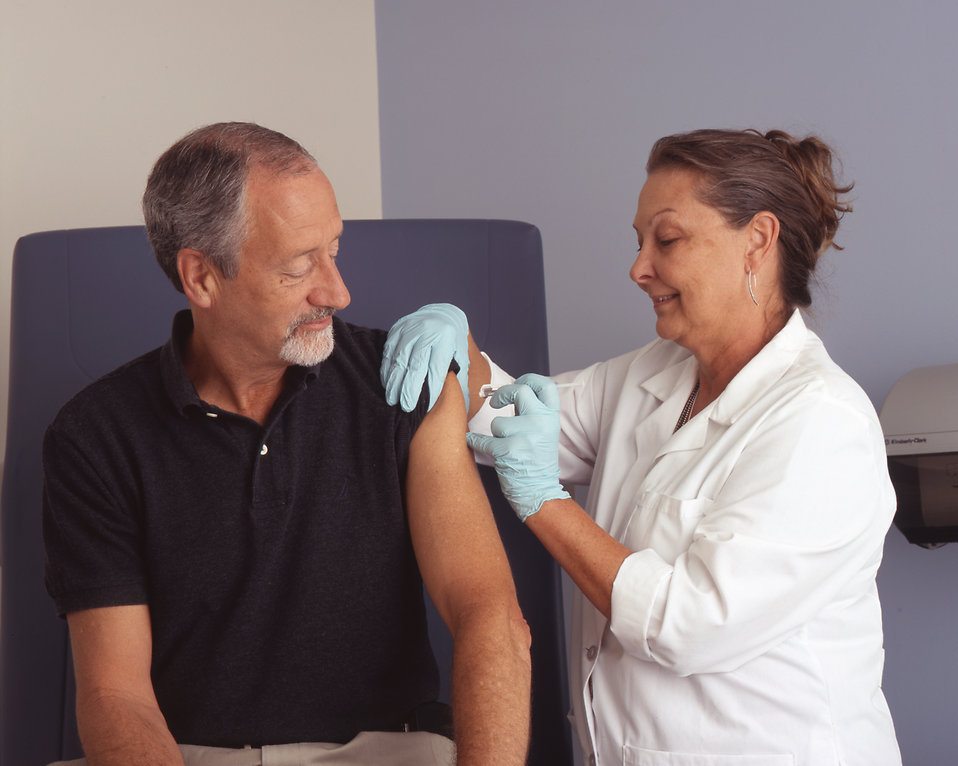
Each fall, the Centers for Disease Control and Prevention (CDC) urges everyone to get the flu vaccine. This year, due to the public health crisis, it’s especially important for adults 65 years or older, who account for 70% to 85% of flu-related hospitalizations and deaths and the majority of COVID-19 related deaths, to get the vaccine.

Research shows that flu shots, or flu vaccinations, reduce infection rates by 50% to 60%.  Among elders (age 65 to 74), in one study, flu vaccinations lowered flu-related hospitalizations by 61%.

Flu shots work by helping the body’s immune system develop antibodies that fight the flu before it becomes serious.  While the vaccine won’t cause someone to get the flu, it can cause temporary side effects, including fever and muscle pain.  The federal Centers for Disease Control and Prevention recommend that most adults and children receive an annual flu shot.  Exceptions include those with egg allergies and certain medical diagnoses.

In addition to getting vaccinated, older adults and caregivers can reduce their risk of getting the flu by healthy eating, avoiding close contact with those who are sick, and washing their hands regularly—especially before touching their own or someone else’s face.  Guidelines to prevent exposure to COVID-19 should also be followed.

Remember, Medicare and most health insurance policies cover the flu vaccine. To find a place that provides flu shots, go to the HealthMap Vaccine Finder.

Tips from our Fitness Instructors: How to Take Care of Your Physical Health through COVID-19

As you’re spending a lot more time at home, you may find yourself sitting more idly, and focusing less on your physical fitness amid other concerns and responsibilities. Well, we’re here to tell you that although you may have current distractions, your physical fitness is important and can play a huge role in your ability to keep up with and tackle many other tasks. Top benefits include an increase in energy and endurance, improved sleep and mood, and reduction in stress and anxiety.

Fitness is so important to your overall health. But you may not know where to start. In honor of National Physical Fitness Month, we asked our fitness instructors to share their TOP two tips for helping you develop practices for your physical fitness. Please note that it is a best practice to consult with your primary care physician before beginning any new exercise or fitness program; these are general tips that may not align with everyone’s fitness level.

Here is what our instructors suggest.

Kathleen Gracenin, Rx. Move to Music Instructor

Shuchi Buch, Indian Dance Instructor

  • TIP #1: Dance. Dance keeps a person mentally and physically healthy. An Indian dance saying goes, “Where your hand goes, your eyes go; where your eyes go, your mind goes; and where your mind goes, your heart goes.” Dance keeps people happy and physically healthy. Eat well, sleep well, and dance well.
  • TIP #2: Breathe deep. Practicing deep breathing helps calm the body, mind, and spirit.

Normon Greene, Tai Chi Instructor

  • TIP #1: Try Tai Chi movements. Tai Chi unlike qi gong, yoga, or other forms of exercise works heavily in remembering. While you are studying balance, flow, movement, relaxing, and purpose. The tai chi flow and movements all have meaning and your practice teaches you the benefits. At a time like this, staying fit is not only physical but also very much mental. Take time to practice for your “peace and mental health.” Practice. Practice. Practice.
  • TIP #2: Make time for self-care. Taking time for you is beneficial to staying balanced and less stressed.

Bara Vaida, Yoga Instructor

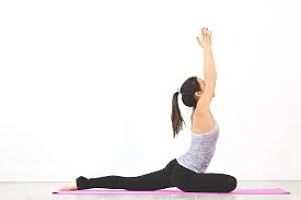
  • TIP #1: Exercise your spine daily. Try doing these spine movements every day by following these steps, or following along with the below video: While sitting, reach your arms overhead, and gently lean to your right. Come to center, with arms overhead. Then lean gently to your left. Next, take your left hand down to your right knee and place your right hand down near your right hip. Twist gently to your right. Unwind. Then take your right hand to your left knee and left hand near to your left hip and twist gently to the left. Unwind. Take your hands to either knee. Lift the top of your head toward the ceiling. From here, lift your chin toward the sky, draw your ribs forward a little, into a soft back bend. Next draw your chin towards your belly and round your spine a little. Draw your belly button in towards your spine. Come back to center. Through these movements, you will gently nourish your spine, a key to remaining physically fit.


  • TIP #2: Focus on your breath. If you start to feel stressed about something, take a few seconds and say these words to yourself, three times: “breathe in, breathe out.” You’ll find yourself a little calmer. By focusing on your breath, you are on the path for staying physically fit!

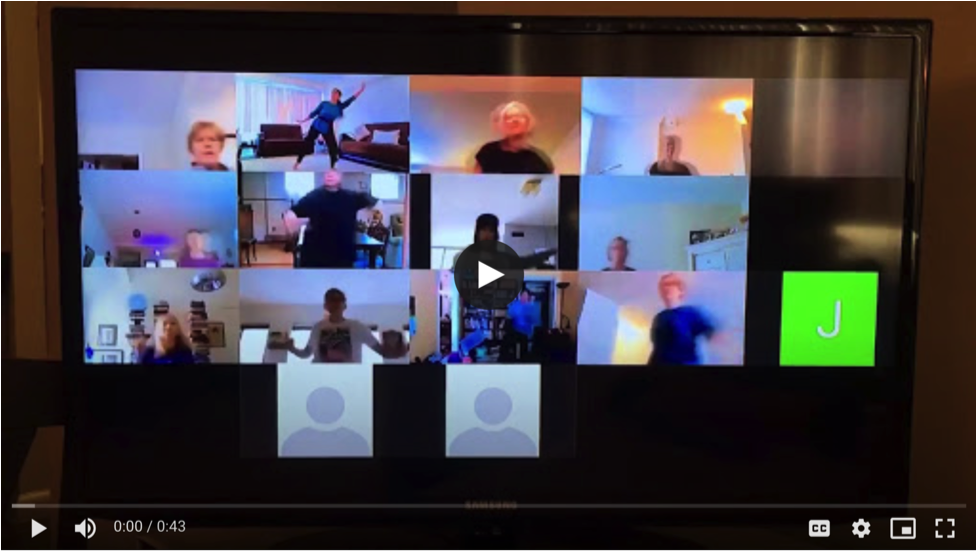
You can practice all of these tips (and get even more guidance for your physical fitness journey) by joining our virtual sessions. We’re glad to offer you free, online Tai Chi, yoga, dance, Zumba, and other fitness and movement classes that you can do from home. Browse our fitness sessions and register here. Have questions about the fitness classes? Contact Lena Frumin at community@iona.org.

Practicing Self-Care in Uncertain Times

The COVID-19 (coronavirus) has created a great deal of uncertainty and anxiety. The situation today may be different next month or even tomorrow. Things are changing fast.

During stressful times, practicing self-care becomes even more important. As anyone who has ever been responsible for the care of another can attest, it’s easy to ignore your own needs when somebody else’s seems so much more present or overwhelming. But when you forget to take care of yourself first, your effectiveness as a caregiver only diminishes. And, in such uncertain and rapidly changing times, practicing self-care is good practice for anyone—not just caregivers.

Plus, it’s not just about effectiveness. Staying grounded also helps to ease your own unnecessary stress or suffering. When our amygdala (located in our brain’s medial temporal lobe) is activated by a situation that is interpreted as a potential threat, even if it’s just reading news headlines or an email, it initiates physiological changes such as increased muscle tension and accelerated breathing. Practicing self-care and simple grounding techniques can help put a pause on these feelings of stress.

Simple Ways to Practice Self-Care:

  • Get adequate sleep. Most of us know we should try to avoid screens (computers, tv, phones) one – two hours prior to going to bed and cut out the caffeine later in the day, but did you know that certain foods can actually help you catch your zzz’s. Studies have shown that foods such yogurt, fish, tart cherry juice, jasmine rice, and even kale can lead to a better night’s sleep. Experts also suggest that trying to keep a consistent bedtime can be helpful, as well as including activities in your bedtime routine such as: taking a warm bath (with lavender), reading in bed, or listening to soft music.
  • Check in with your community. Being able to share your feelings and experiences with others can be one of the most valuable things you can do for yourself. If you are practicing social-distancing right now, you can still make space for your community and the people in your life. Phone calls, Skype, Facetime, even a handwritten note work! There are also wonderful tools online that help you connect with others, learn new things, even enjoy musical performances—all from your home! Mather LifeWays Telephone Topics, for example, offers:
    • Wellness programs
      Enjoy live, guided chair yoga or meditation sessions to stretch your body or mind.
    • Education programs
      Learn about history, healthy habits, architecture, and more.
    • Discussion topics
      Join a lively discussion on sports, movies, and other topics, and share your own ideas!
    • Music reviews
      Listen and learn about opera, early rock ’n’ roll, and other musical genres.
    • Live performances
      Listen to live vocal performance or master storytelling sessions.

Visit https://www.matherlifeways.com/neighborhood-programs/telephone-topics for more information. To participate, dial 1-888-600-2560.

Well Connected is another resource. It offers activities, education, support groups, and fun conversation over the phone or online. You can connect no matter where you are and at no cost to you. Conversations run the gamut, with past topics covering everything from art and zoology to meditation. Well Connected also meets 365 days a year, so there’s always a lively conversation for you to join. Most groups last about 30 minutes to an hour. Newcomers are always welcome! And, if you don’t feel like talking at first, you’re welcome to just listen as long as you let the group know you’re there. If you’re ready to register, please contact 877-797-7299 or email coviaconnections@covia.orgVisit their website to learn more.

  • Exercise. There is no question that exercise can make a tremendous difference in your overall health and well-being. Research suggests that even just 15 minutes a day of exercise can make a difference in your physical and mental health as well, reducing stress, depression and even helping with sleep. Online Fitness Videos provide you with a great way to keep active, without leaving your home (or even chair)! Use at your own risk and remember to consult with your doctor before starting a new fitness program.
  • Breathe. Deep breathing is a well-known and well-researched relaxation technique with numerous benefits, including: releasing tensions, reducing blood pressure, aches and pain and promoting healthy sleep. When you practice deep breathing, you focus on the “now,” the present, not all your responsibilities and problems. Have you ever noticed that in times of stress, your breathing becomes rapid and shallow? By slowing down your breathing and taking deep, deliberate breaths, you can begin to experience relaxation and calm. One very simple breathing exercise that can be done almost anywhere and ideally multiple times a day is to: 1) Inhale through your nose for the count of 5, focusing on expanding your belly 2) Hold your breath for a count of 3 3) Exhale slowly through your mouth for 5. For more breathing exercises, visit here.
  • Tune into your body. Research has shown that paying attending to our bodies is an easy way to practice mindfulness and reduce stress. This article outlines simple and effective anchoring practices.

Practicing self-care does not have to be an hours-long activity. Sometimes all it takes is a few minutes, a few times a day to make a difference in your state of mind, your day, and in turn what you can offer others.

“Eat Right, Bite by Bite” with Iona’s Nutrition Team

Healthy aging encompasses a lifelong love of good food and positive food experiences. Every March since 1980, the Academy for Nutrition and Dietetics leads a month-long celebration, National Nutrition Month®, dedicated to the role food and nutrition play in living a healthy lifestyle. The theme for 2020 is “Eat Right, Bite by Bite.” The overall message is that the best diet isn’t restrictive, and that meaningful, small changes over time add up to better overall physical and emotional health and wellness.

As Iona’s Nutrition Program Manager and RDN since 2008, I have the privilege of working with a wonderful team of professionals and volunteers:

  • Jakia Muhammad: Home Delivered Meals Coordinator, Supplement Program Coordinator
  • Michele McNally: Home Delivered and Holiday Meals Volunteer, Supplement Volunteer, Volunteer Grocery Shopper
  • Judy Portnoy: Former longtime Weekend Meals Volunteer
  • Jean Johnson, MS, RDN: Volunteer Nutritionist
  • Ashlea Steiner: Former Food Access and Farm to Table Coordinator and Iona’s DC Administration on Aging Project Director
  • Chris Brentin, MS, LDN, CNS: Part-time Nutritionist
  • Courtney Tolbert: Program Manager, Iona’s Active Wellness Program at St. Alban’s
  • Nathaniel Tolbertsmith: St. Alban’s Assistant and Weekend Meals Coordinator
  • Tania Sechriest: Volunteer Program Manager and Weekend Meals Coordinator

We are ground zero for all of Iona’s critical food and nutrition programs, which include:

  • Home-delivered weekday and weekend meals provided to 175 older adults weekly
  • Weekend meals delivered to 105 older adults every weekend by teams of dedicated volunteers
  • Weekday “lunches with friends” at Iona’s Active Wellness Program at St. Alban’s, our on-site Wellness & Arts Center in Ward 3, and our *NEW* soon-to-open adult day health center in the Congress Heights neighborhood in Ward 8
  • Home delivered holiday meals on Thanksgiving and Christmas day
  • Food pantry with shelf-stable, nutritious food staples for Iona clients
  • High calorie/high protein liquid nutrition supplements for 83 year-to-date nutritionally vulnerable, frail clients monthly
  • Assistance with benefit programs such as SNAP (formerly food stamps) and the Grocery Plus program
  • Healthy food demonstrations and nutrition education sessions
  • Pea Pod Market Program providing weekly free fresh produce
  • SHARE food network monthly “grocery basket” program
  • Access to a Licensed RDN or Licensed Nutritionist (Certified Nutrition Specialist) to provide personalized nutrition assessments for our highest nutrition-risk clients
  • Advocacy efforts on behalf of reducing senior hunger and malnutrition in our DC community

In honor of National Nutrition Month® 2020, here are some simple ways you can shift your eating habits and lifestyle, and put a new spin on positive aging:

  • Think positively about your relationship with food and your body
  • Be active – physically, socially, mentally, and emotionally
  • Focus on your overall dietary pattern, not specific “superfoods” or trendy restrictive diets
  • As author, professor, and food activist Michael Pollan says: “Eat food, not too much, mostly plants” as advised by a Mediterranean diet pattern
  • Get cooking!
  • Eat less added sugar, desserts, sodas and juice drinks, refined grains, sodium/salt, fatty meats, and highly processed or junk food
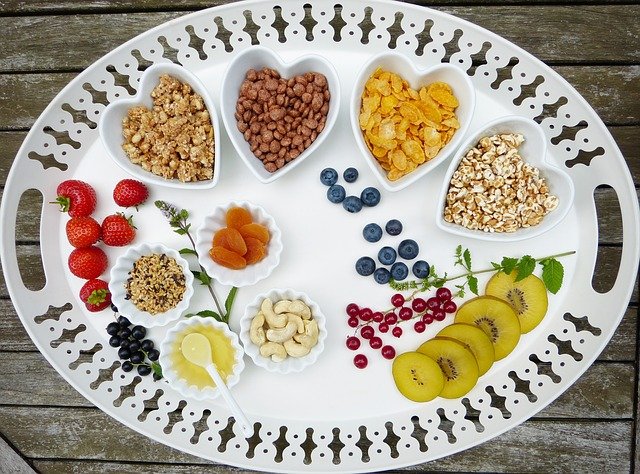
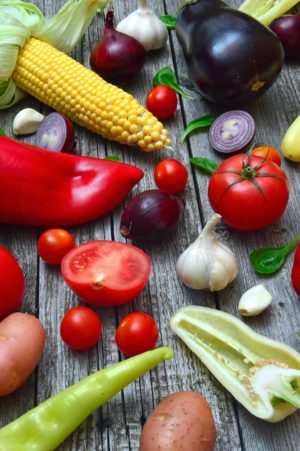
  • Eat more dried beans and legumes, whole grains, leafy greens, other vegetables, fruits, nuts and seeds, and healthy oils such as olive oil
  • Address age-specific nutrient concerns
  • Try to eat seafood – fish or shellfish – twice a week to help get enough omega-3 fats
  • Stay hydrated
  • Explore new foods and flavors

To put action to healthy eating intentions, try preparing one of our favorite recipes: Black-Eyed Pea Salsa (click here for the recipe). This bean salad/salsa recipe is delicious served over salad greens and lasts for several days in the fridge. We hope you enjoy it!

By Rose Clifford, RDN, MBA


Rose Clifford, RDN, MBA has practiced as a registered dietitian nutritionist in the Washington, DC area for many years. Her current primary work as the Nutrition Program Manager for Iona Senior Services focuses on helping older adults maximize their nutritional health so they can live active, full lives in their own homes. Rose is an active member of the Age-Friendly DC Nutrition Sub-Committee, the DC Administration on Aging Nutrition Task Force, and the DC Chapter of Les Dames d’Escoffier (an international philanthropic organization of women leaders in the areas of food, nutrition, fine beverage, and hospitality).

Feedback for Iona