
Get In the Know About High Blood Pressure


February is American Heart Month. You may notice people wearing red honoring this month. You may have heard about high blood pressure from your physician. If not, you may wonder why is it such a big deal. Keep reading to learn more about high blood pressure, and its cardiovascular effects.

What is High Blood Pressure?

Blood pressure is the force of blood against your arterial walls when your heart pumps. When blood pressure is too high, it forces the blood vessel walls to stretch, leading to scarring, tearing, weak spots and plaque build up, which makes the heart work harder.

High blood pressure is called the “Silent Killer” for a reason. Most people don’t know they have it and often there are no symptoms. It can cause a lot of harm when left unmanaged such as cardiovascular disease, heart attack, stroke, heart failure, atrial fibrillation and kidney disease.

The good news is you can control your high blood pressure with lifestyle changes and medication when necessary.

Questions to help you assess your risk:

  1. What are my risk factors?
  2. What are my physical attributes and lifestyle habits that increase my risk for developing high blood pressure?
  3. How can I reduce my risk for developing or managing the disease?
  4. What are my numbers?

Common risk factors include:

  • Family history: It tends to run in families.
  • Age: The risk increase as people age.
  • Gender: Men up to age 64 are more likely to develop high blood pressure than women. At 65 years or higher, women are more likely to develop high blood pressure.
  • Race: African Americans are more likely to develop high blood pressure than other races in the U.S., often at an earlier age than it does in whites. It is also, often more severe.
  • Being overweight or obese: Being overweight significantly raises your risk of developing high blood pressure as well as cardiovascular disease and diabetes.
  • Drinking alcohol: Heavy and regular alcohol consumption increases your blood pressure. Limit alcohol consumption for better cardiovascular health.
  • Sleep apnea: Sleep apnea may increase a person’s risk for high blood pressure. Use your CPAP (continuous positive airway pressure) machine if you have sleep apnea or see your doctor if you suspect you may have sleep apnea.
  • Using tobacco: Smoking damages your blood vessels and temporarily increases your blood pressure when you do smoke.

Commit to lowering your blood pressure with these tips:

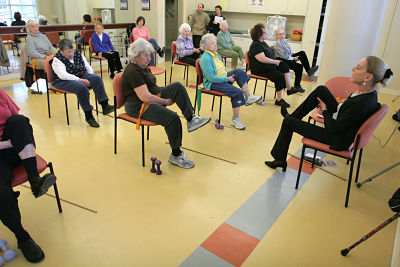
  • Physical activity: Get moving! Being physically active is great for the heart, brain and circulatory system. Being sedentary increases your risk for developing high blood pressure.
  • Nutrition: A healthy diet, one that contains lots of vegetables, fruit and is lower in sodium (salt), trans fats and sugar have a big impact on lowering high blood pressure.
  • Stress: Unmanaged stress may increase blood pressure. Take steps to manage or decrease the stress in your life. Make time to relax, practice deep breathing, meditation or physical activity can help keep you calm.
We recommend that you talk to your physician about reducing your risk for high blood pressure, and understanding your options for managing high blood pressure if you’ve been diagnosed. This resource is not intended to render medical advice. Please contact your primary care physician should you have questions about your healthcare.

Sources:

https://lpi.oregonstate.edu/mic/health-disease/high-blood-pressure

https://www.heart.org/en/health-topics/high-blood-pressure/why-high-blood-pressure-is-a-silent-killer

https://www.heart.org/en/health-topics/high-blood-pressure/why-high-blood-pressure-is-a-silent-killer/know-your-risk-factors-for-high-blood-pressure

https://www.heart.org/en/health-topics/high-blood-pressure/changes-you-can-make-to-manage-high-blood-pressure/managing-stress-to-control-high-blood-pressure

Is your home prepared for aging in place?

If you’re looking to age in your own home—or, are helping your parents do so—determining whether your home is safe is a first priority. That can be easier said than done, however, when you don’t know what to anticipate for the future.

Likewise, you’re probably well aware of some challenges in your space. You might have steep stairs to the front door. Or, no main floor bathroom. But, what happens when you don’t even know what you need to be aware of?

To help you get started, take a look at these home safety questions.

You can use these questions by walking room to room and making a to-do list as you go. You might also consider looking at your space again after dark to see if poor lighting creates shadows or other challenges that you wouldn’t otherwise notice.

Stairs and Steps

  • Are any steps broken or uneven?
  • Do you have good lighting over the stairway? How about light switches at the top and bottom?
  • Are there handrails on both sides of the stairway?
  • Are the stairs themselves deep enough for your whole foot?
  • Would a ramp be feasible if it became necessary? How about installing a chairlift?

Floors

Note any fall risks and do the following:

  • Remove nonslip rugs or doormats
  • Mark any changes in floor level with reflector tape
  • Check if you have any loose or torn carpeting. You might also want to install new low-pile carpet, as that is easier for wheelchairs to navigate. Tile and other hard flooring sometimes pose a more significant fall risk.
  • Put reflector tape in hallways and bedrooms to create a path to follow at night
  • Make sure wires and electrical cords are out of the way
  • Work to declutter your space

Parking

  • Is there convenient parking available at all times (i.e. driveway or designated parking spot)?
  • Is the parking convenient to the entrance of your home?

Windows & Doors

  • How wide are the doorways and halls? Consider offsetting the door hinges to make room for a wheelchair, walker, or two people walking side by side.
  • Are windows and doors easy to open and close?
  • Are locks easy to turn and operate?
  • Is there space to maneuver while opening and closing doors?

Kitchen

  • Can you cook in the kitchen sitting down, and are the counters at the right height?
  • Does the oven, fridge, dishwasher or other appliance open easily? Are they all accessible, and do you have a step stool with handles?
  • Can you access all of your appliances easily?
  • Are appliance controls, especially stove and oven, clearly marked?

Bath

  • How easily can you get in and out of the tub or shower? Are there grab bars and a rubber-backed bathmat?
  • Do you have a bath or shower seat?
  • Do you have a hand-held shower head?

Though this list is not comprehensive, it is a good place to start. AARP also has a good Checklist for Home Safety.

Additionally, you can hire an occupational therapist, geriatric care manager, or other specialist to assess your home and make recommendations for modifications or remodeling projects.  At Iona, we call our geriatric care management services, “Iona Care Management.” You can learn more about services offered and schedule an in-home, office, or phone consultation by calling (202) 895-9448.

Mindful Habits for a Healthier Holiday

mindful-holiday-eatingThe holiday season is here and in full swing. For some, that might mean multiple family and friend gatherings with tons of rich food. For others, the holiday season might be a stressful or even solitary time, where food can be a real comfort. No matter your situation, the question I hear is the same: “How do I stay on track with healthy eating habits during the holiday season?”
My advice is simple: the holidays should not be about deprivation, guilt, or gorging. While many individuals focus on getting through the holidays without overeating, in the process, they forget about other joys of the season.

Take the time to step away from holiday stress and hype and focus on self-care and mindful eating, instead.

To help you, here are my time-tested tips for staying positive and healthy this holiday season:

  • Get a good night’s rest. If you can, sleep at least seven hours per night. The more rested you are, the more likely you are to be the happiest version of yourself (and the less likely you are to overindulge with food and drinks).
  • Move your body or keep up your normal exercise routine – physical activity can help you avoid unwanted holiday pounds. Plus, it’s good for your mental and emotional health.
  • Observe and listen to yourself and others with empathy and kindness. While the holidays can be a time of joy, there can also often be stressful moments, whether it’s trying to keep up with unrealistic expectations or ignoring some of your needs. Be patient with yourself and others.
  • Eat a high protein or high fiber snack before you go to a gathering so you aren’t ravenous when you get to the refreshment table.
  • Fill your plate with vegetables and fruits or other plant-based offerings before indulging in sweets.
  • Savor and enjoy the taste of two or three bites of items such as cheese, fatty meats, or homemade special occasion sweets. Then, take a break and step away from the food table and focus on something else, such as talking to someone new.
  • Skip fatty chips and any highly processed or packaged snacks, candy, or desserts – if it’s not special, just don’t eat it.
  • Keep libations light by alternating alcoholic drinks with glasses of water.
  • Sip slowly and savor your meals and party foods – mindful eating can be enjoyable and gives you the time to appreciate and relish in what you are eating.
  • Reach out to others – socialize with new and old friends or family.
  • Forge new traditions and make new memories by taking in a new play, concert, church or spiritual service, or other activity.
  • Try a new recipe, such as my favorite Roasted Carrots with Orange, Honey, and Dill. It’s easy to make, tastes great, and is healthy too!

And to help you with those “healthy” New Year’s resolutions, remember that older adults 60 and over living in Iona’s service area (Ward 3 and parts of Ward 2 and 4) may be eligible for Iona’s Active Wellness Program at St. Alban’s, home delivered meals, or nutrition counseling services subsidized by the DC Department of Aging and Community Living.

For more information or to schedule an appointment, contact our Helpline today.

By Rose Clifford, RDN, MBA


Rose Clifford, RDN, MBA has practiced as a registered dietitian nutritionist in the Washington, DC area for over 30 years. Her current primary work as the Nutrition Program Manager for Iona Senior Services focuses on helping older adults maximize their nutritional health so they can live active, full lives in their own homes. 

2019 Flu Season Resources

CDC Blog-a-thon

Certain populations, including older adults, are at greater risk for catching the flu, and for developing complications from it. In fact, 70% to 90% of flu-related deaths occur among older adults age 65+. For older adults with dementia, their risks may be even higher.

One reason is because normal age-related changes to the body’s immune system makes older adults more vulnerable. Complications that arise include bronchitis, pneumonia, and heart attacks. Other groups at high risk of developing flu-related complications are people with heart disease, diabetes, cancer, and HIV.

What are the symptoms of the flu?

According to the Centers for Disease Control and Prevention (CDC), the symptoms of flu can include fever, cough, sore through, runny or stuffy nose, muscle or body aches, headaches, and fatigue. In general, the flu is worse than the common cold (symptoms tend to be more intense), and unlike a common cold, the flu is more likely to have associated complications.

What can you do to prevent complications?

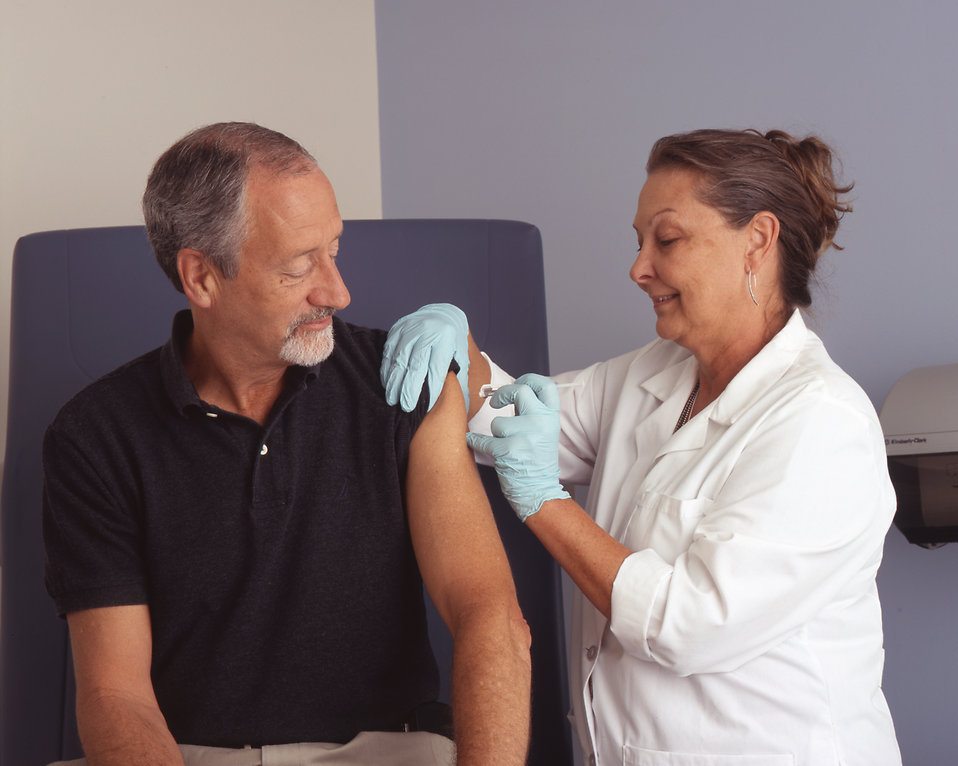
Research shows that flu shots, or flu vaccinations, reduce infection rates by 40% to 60%. Among older adults (age 65 to 74), in one study, flu vaccinations lowered flu-related hospitalizations by 61%.

Flu shots work by helping the body’s immune system develop antibodies that fight the flu before it becomes serious. While the vaccine won’t cause someone to get the flu, it can cause temporary side effects, including fever and muscle pain, and note that it takes up to two weeks before the vaccine is effective once received. The federal CDC recommends that most adults and children receive an annual flu shot. Exceptions include those with egg allergies and certain medical diagnoses.

In addition to getting vaccinated, older adults and caregivers can reduce their risk of getting the flu by healthy eating, reducing contact with people who have the flu, and washing their hands regularly — especially before touching their own or someone else’s face. If possible, you should also stay home from work, school, and errands when you are sick.

Remember, Medicare and most health insurance policies cover the flu vaccine.

Where can I get the flu vaccine?

To search for a flu vaccine provider nationwide, visit the Health Map’s Vaccine Finder. Additionally, subsidized flu vaccines are available to uninsured or under-insured DC residents from various nonprofit providers. Find more information through the Department of Health.


Drink Up! Hot Weather Hydration Tips

Summertime is in full swing and many of us spend more time outdoors enjoying the longer, sunny days. Older adults, however, are more prone than younger people to heat stress.

Their bodies don’t adjust as well to sudden changes in air temperature. In addition, they’re more likely to have chronic medical conditions or take prescription medications that change the normal body response to heat or affect body temperature or sweat regulation.

How much should you drink to stay adequately hydrated? The average American adult gets 37% of their daily fluid from water, 46% from other beverages, and 17% from food. The Institute of Medicine recommends that the average woman consume about 9.5 cups of fluids from drinks per day and the average man consume about 13 cups of fluids from drinks per day. This seems like a lot, but you need to make allowances for individual variations or factors. Some factors include body size, activity or sweat level, or medical conditions or medications that limit fluid intake or call for increased intake. One of the best ways to make sure you’re hydrated is to check your urine – it should be pale yellow. Darker? Drink up! If in doubt, check with your doctor or health care provider for individualized guidance.

Here are some tips to help you stay well-hydrated all year round:

  • Drink a glass or two of water when you wake up, even before you have your morning coffee or tea.
  • Enjoy your morning coffee or tea. It used to be thought that caffeine was dehydrating, but that’s not necessarily the case.
  • Drink water with all of your meals and snacks.
  • Take small water bottles with you whenever you go out, and refill them at every opportunity.
  • Flavor your water with packets of crystallized lemon or lime. You can also add slices of real fruits such as oranges or lemons, berries, or even cucumber or fresh herbs such as mint to enhance the flavor of plain water.
  • Add a splash of 100% fruit juice to iced seltzer water to make a refreshing spritzer.
  • Drink milk or milk-alternatives daily. Milk is a great source of calcium, protein, riboflavin, and vitamin D and is almost 90% water.
  • Limit soda and other heavily sugar-sweetened drinks unless you are underweight and can use the extra calories. There are a few very lightly sweetened juice and water drink products on the market and consuming those in moderation should be fine for most active people.
  • If you drink alcohol, limit it to one glass per day for women, and two for men. Drink a glass or two of water between drinks as alcohol has a diuretic effect, meaning it can contribute to dehydration.
  • Don’t wait until you feel thirst to drink. Thirst, dry mouth, dark yellow urine, fatigue, dizziness, or irritability may be symptoms of dehydration.

So sip, slurp, or munch away to keep dehydration at bay!

Here are two refreshing and easy recipes to help you hydrate.

One is a chilled, tomato-based veggie soup full of crunch and flavor, and the other is a morning smoothie packed with protein, fiber, and good fats to get your day going.

Quick Classic Gazpacho

Slightly adapted from Ben Shapiro/Allrecipes

Ingredients:
2 (14.5 ounce) cans diced tomatoes
½ cup water
2 TBSP extra virgin olive oil
1 small yellow or red pepper, cut into ¼-inch dice
1 small red or sweet onion, cut into ¼-inch dice
1 small/medium seedless cucumber, cut into ¼-inch dice
1 garlic clove, minced or ¼ tsp garlic powder
Pinch of red pepper flakes, or half of a seeded, minced fresh jalapeno (optional)
2 TBSP sherry, red wine, or cider vinegar (or substitute fresh lime or lemon juice)
2 TBSP fresh herbs such as basil, cilantro, or parsley
Salt and ground black pepper

Directions:
Process ½ cup of tomatoes, along with the water and oil in a blender or food processor until pureed. Transfer to a medium bowl, along with the remaining ingredients. Season with salt and pepper to taste. Refrigerate for a few hours before serving to allow the flavors to blend. Enjoy!

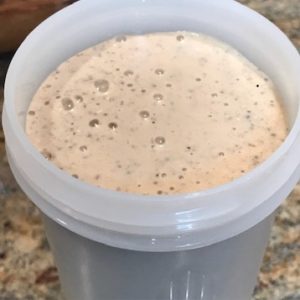
Rose’s Morning Smoothie

Original recipe by Rose Clifford, makes one 28-oz smoothie, recipe can be halved or ingredient amounts adjusted for your preferences.
Ingredients:
10-12 ice cubes
12 ounces cold water
One medium banana
One heaping TBSP peanut or other nut butter
¾ cup plain Greek yogurt
1 heaping TBSP dry rolled oats
2 tsp chia seeds
1 TBSP ground flax seed, such as Bob’s Red Mill
One scoop of chocolate protein powder (such as Orgain Organic Plant-Based Protein Powder in Milk Chocolate)

Directions:
Place ice and water in a blender jar, followed by the remaining ingredients. Process on “pulse” or “crush ice” setting for about 15 seconds and then on puree or liquefy (whatever makes sense for your blender) for about 30 seconds until well-blended. Shake will thicken on standing and may be refrigerated for a few hours.

Take Charge of What You Communicate to Your Doctor

Life gets busy fast, and sometimes it’s hard to pay attention to your health or even schedule your annual check-up with your primary care doctor. But while it’s common for many health tasks to take a backseat to other day-to-day activities, that doesn’t mean you can ignore your health completely.

Take charge with these tips to get on track.

Due (or overdue) for your annual physical? Schedule one today! Then, plan to make the most of your appointment with these tips.

  1. Think about and prioritize the topics you wish to discuss in order of what’s important to you before your visit to the doctor.
  2. Save the small talk for the end of the appointment.
  3. Remember, mental health is important too! If you’re feeling anxious, depressed, overwhelmed, or anything else, it’s good to share that information with your primary care doctor who can give appropriate advice and referrals.
  4. To help you stay on track of future and follow-up appointments, use a system that works for you, be it notes on a paper calendar, or setting reminders on a digital calendar on your phone. Once you receive confirmation of your next appointment, immediately put the information into your calendar.

How do I communicate with my doctor in-between appointments?

Communicating with your doctor after or between appointments has gotten easier in some practices. Patient portals are increasingly the most efficient way to deliver a non-urgent message to your doctor or their staff.

Patient portals are secure online websites. They provide patients with convenient, 24-hour access to personal health information from anywhere with internet access. With a secure username and password, and internet access, you can view all of your health information in one place. You get access to recent doctor visits, lab results, medication lists, upcoming appointments, and even referrals to other medical providers. If you have an urgent issue, you should still call your doctor’s office, or call 911.

Another great resource for communicating your medical needs and preferences with your doctor is by using an advance healthcare directive.

An advance directive is a document that acts as your living will. It is important because it communicates your healthcare wishes with medical professionals and family members or friends, should you become incapable of expressing them yourself.

If you have one, make sure that you review and update your advance healthcare/medical directives as often as necessary. You’ll want to highlight all, new changes. Be sure to discuss and share the updated version of your advance healthcare directive with your doctor and your Health Care Power of Attorney. For more information on healthcare directives and to see a sample, check out Iona’s recent blog that tells you all about advance directives.

If you need help thinking through your advance directive, you might consider consulting with a professional. To learn more about our services and speak with a social worker, contact our Helpline. Iona’s Helpline is open Monday – Friday from 9:00 AM – 5:00 PM. Call (202) 895-9448 or email info@iona.org.

By Iona Care Manager Carol Kaplun


Carol joined Iona in 2003, and currently manages Iona Care Management. As a care manager, she helps older adults and their family members explore options and navigate through the everyday challenges of aging to achieve the most positive outcomes possible. Carol also leads workshops for Iona’s Take Charge/Age Well Academy and in the community. Workshop topics include Stay or Move: How to Find and Pay for the Best Living Arrangement and Hospital to Home: Navigating Transitions in Care. Carol is a member of the Aging Life Care Association. Carol is a graduate of Georgetown University and the University of Maryland School of Nursing. Prior to joining Iona, she worked as a clinical Research Nurse at the National Institutes of Health.

Summer Recipes for National Fresh Fruit and Vegetable Month

Summer is an excellent time to take advantage of local Farmer’s Markets and enjoy fresh fruits and vegetables. In fact, June is National Fresh Fruit and Vegetable Month.

Take advantage of the summer season and try some of these favorite recipes from Iona’s registered dietitian nutritionist Rose Clifford. These meals taste great, and are sure to wow your guests. They are easy to prepare, delicious, and nutrient-rich. * Please pay close attention to food allergies.

Bon Appétit!

WHITE BEAN AND TUNA SALAD

This hearty salad is a complete meal high in both taste and nutrition. White beans combine with quality canned tuna, diced crisp fresh veggies, and a mustardy vinaigrette with hints of fresh lemon and basil – this salad is a favorite at Iona’s Take Charge/Age Well Academy food demonstrations.

Ingredients:

  1. 1 can small white beans, rinsed and drained
  2. 1 jar/can of your favorite tuna, drained
  3. Juice of 1/2 a lemon
  4. 1 heaping tsp. of grainy mustard
  5. 2-3 tbsp. of extra virgin olive oil
  6. 1-2 tbsp. of red wine vinegar
  7. 1 grated carrot
  8. 3-4 green onions, chopped or 1/2 a small red onion, finely diced
  9. 1/2 a chopped red or yellow pepper (or both)
  10. Salt & black pepper to taste
  11. Fresh garlic to taste
  12. Fresh basil to taste, chopped or snipped with scissors

Preparation:

  1. Lightly toss together all of the ingredients.
  2. Taste and adjust seasonings to your liking. Serve over your favorite mixed salad greens with sliced tomatoes & enjoy!

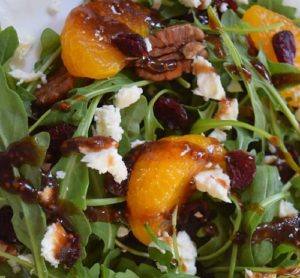
ROSE & NINA’S FAVORITE SALAD

Our dietitian nutritionist Rose Clifford and Administrative Director Nina Austin eat this salad for lunch nearly every day! It comes together quickly, makes a great lunch or dinner side, and (of course) tastes delicious.

Ingredients:

  1. One 5-oz box of arugula (or your favorite salad greens)
  2. One 11-oz can mandarin oranges packed in juice, drained
  3. 4-6 oz. feta cheese, crumbled
  4. 1/2 cup pecans, chopped
  5. 1/3 cup dried cranberries, optional
  6. 2-3 tbsp. extra virgin olive oil
  7. 1 tbsp. balsamic or sherry vinegar
  8. Salt & pepper to taste
  9. 1/2 tsp. grainy mustard (optional)

Preparation:

  1. Place arugula in a salad bowl. Top with mandarin oranges, feta, pecans, and cranberries.
  2. Whisk together olive oil, vinegar, mustard, salt, and pepper. Drizzle dressing over salad, toss, and serve.

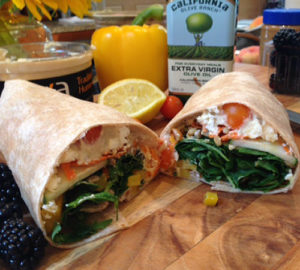
VEGGIE HUMMUS WRAP

Easy to assemble, these tasty wraps make a great lunch, dinner, or snack (and are perfect to bring to a picnic!)

Ingredients:

  1. Whole grain wrap
  2. Hummus (your favorite flavor)
  3. Salad greens (we like to use an arugula/spinach mix, but anything will work)
  4. Red & yellow pepper, sliced
  5. Cucumber, sliced
  6. Carrots, grated
  7. Tomato, diced
  8. Feta cheese, crumbled (or your favorite cheese)
  9. Sunflower seeds (or your favorite chopped nut)
  10. Your favorite salad dressing (we like to use a lemon vinaigrette)
  11. Black pepper (optional)

Preparation:

  1. Spread a layer of hummus down the middle of the wrap.
  2. Top with salad greens and other raw sliced or chopped veggies of your choice.
  3. Sprinkle sunflower seed kernels (or other chopped nuts) over the veggies.
  4. Sprinkle crumbled feta (or other crumbled or grated cheese) over the veggies/seeds.
  5. Drizzle with lemon vinaigrette (or your favorite dressing). You can also just drizzle with extra virgin olive oil and squeeze fresh lemon over the filling.
  6. Sprinkle with black pepper for a bit of heat (optional).
  7. Fold over the ends, and roll up to make a wrap. Cut into slices, if desired, for sharing or ease of eating.

Whether you visit a National Park, a mall, the National Mall, host a picnic or party, or just enjoy your own backyard, these quick recipes will be great additions to any of your summer activities.

Three seated body movements to help your brain health

One of the major injuries that the brain can suffer is alterations to its blood circulation, which we commonly call strokes. Although strokes have multiple causes and contributing factors, recent research has shown that accumulation of fat around the waist line was significantly associated with new strokes in women between 50 and 74 years of age. Interestingly, abdominal obesity measures were not independent predictors of new stroke in men from the same age groups.

One way to help your brain health is by incorporating more exercise into your life. But getting to the gym can be difficult, especially if you lack time or energy, have difficulty standing, or simply dislike the gym.

Instead, start small by integrating these three easy movements into your daily seated activities:

  1. When attempting to sit down, do it slowly by bending your knees and keeping your back as straight as possible. Ideally, your thigh would be at a 90-degree angle from your body, and 90 degrees to your legs. Sit at the edge of the chair first, then scoot to the back. This simple way of sitting down will not only help strengthen your abdominal muscles, but it will also help tone your back muscles. Of course, feel free to rise and sit as many times as you wish!
  2. When seated, cross your thighs alternating the right over the left and then the left over the right. This movement exercises the flimsy muscles at our lower abdomen.
  3. When seated for a while, simply bend forward, keeping your back as straight as possible. Your legs should be uncrossed, and your feet firmly planted on the ground. Let your arms hang loosely towards the ground. Your goal is to touch your knees with your forehead – don’t worry if you can’t do it at first try, it will get easier with repetition. Again, repeat as many times as you feel like.

These movements are small ways that you can begin incorporating activity into your life. That said, you won’t reduce your risk factors for stroke overnight.

Rather, these baby steps can get you started into the mentality of movement, to set your mind to move your body more frequently, more effectively, and at occasions you haven’t considered before. Hopefully, this will be your beginning to address your potential risk factors for stroke, thus protecting the health of your brain.

What else can you do to increase the amount and the frequency of your movements while doing what you always do? Learn tips at “Making the Best Lifestyle Choices for a Healthy Brain” on October 17. Details below!

Iona’s Take Charge/Age Well Academy is offering a FREE forum for older adults and caregivers on brain health. Join us for one, two, or all three sessions covering critical topics on a healthy brain like lifestyle choices, understanding memory loss, and work/life balance when caring for someone with dementia. Learn more and register for one, two, or all three presentations here.


By Dr. Joana Rosario, MD

Dr. Joana Rosario has had an unusually extensive personal caregiving experience with multiple loved ones with dementia, which is ongoing today. This rich personal experience is allied to her professional experience as a neurologist specialized in dementia. Today, she makes it her mission to share her knowledge, especially to help caregivers who are struggling to optimize the care of their loved ones without sacrificing their careers.

A Healthier Brain, A Healthier You

brain-health
Courtesy of www.amenclinics.com.

More and more people — you may be one of them — are concerned about their brain health and want to know how to avoid developing Alzheimer’s or some other type of dementia. And understandably so, with dementia on the rise, and researchers still trying to find a cure. But just because there isn’t a cure doesn’t mean you can’t adopt some strategies to improve or maintain the health of your brain.

In recognition of World Alzheimer’s Awareness Month, we’re sharing some simple strategies you can adopt now that can reduce your chances of developing dementia and – as an added bonus – help you feel healthier.

While we might not have control over getting older and our genetics – two factors linked with developing dementia – there are other aspects like poor diet, lack of exercise, lack of sleep, or limited social and mental stimulation that can make a big impact. Addressing these and other factors is not only good for your brain and memory, but also for your physical and emotional well-being.

Here’s what you can do now:

  • Eat right. “Eat your vegetables!” Turns out, your mom had it right — research shows that veggies and other healthy foods are good not only for our physical health but also for our brain health. Healthy foods include those that are low in cholesterol, sodium, saturated and trans fats, and sugars (which can cause inflammation) and high in antioxidants (such as berries, green tea, dark chocolate, and turmeric) and Omega-3 fats (such as fish, olive oil, and walnuts). A diet low in inflammation-causing foods and high in antioxidants can decrease your chances of developing neuron damage in your brain and cognitive decline. Plus, by eating right, you’ll also stave off developing cardiovascular disease, diabetes, or obesity – all of which are also linked to dementia.
  • Exercise regularly. Aerobic exercise, like going for a walk, biking, and swimming laps, elevates your heart rate and has been shown to improve cognitive functioning. Exercise also releases endorphins that boost your mood, and can help prevent and treat cardiovascular disease, diabetes, and obesity.
  • Limit tobacco and alcohol use. Smoking increases your chances of developing Alzheimer’s and vascular dementia because of how it damages the vascular system, as well as the heart and lungs. Excessive consumption of alcohol can result in Wernicke-Korsakoff Syndrome and cognitive impairment, and it can also lower serotonin levels in your brain and cause depression.
  • Stimulate your brain. Work out your brain! Yes, you heard me right. Just like your body needs to stay fit and active, your brain needs exercise too. Try things that are new, challenging, AND fun to get your brain out of a rut. Some ideas include playing word/number/strategy games; learning new things like recipes, a foreign language, musical instrument, or even a different route home; using your non-dominant hand more, such as for brushing your teeth; reading aloud (which engages more of your brain than reading silently); and exploring your creative and artistic side.
  • Socialize. Another form of exercise for your brain is socializing, especially with new people. That’s right – your next networking function is not only helping your career, but also helping your brain! Studies have shown that socially active people are less likely to develop Alzheimer’s. Examples of activities include getting together with family and friends on a regular basis, throwing a party, joining a book club or other type of group, volunteering, or even getting a dog so you can meet people at the dog park. An added benefit from socializing is that it’s also good for your emotional health.

These are just a few of the ways you can take care of your brain and overall self. Have any other ideas for how you keep your brain fit and active? Let us know in the comments!

By Bill Amt, LICSW


Bill Amt, LICSW, is a licensed clinical social worker and is the Mental Health Program Manager at Iona Senior Services. As a psychotherapist he works with older adults and caregivers who are coping with the emotional challenges of aging, and he also leads support groups for caregivers and people diagnosed with early-stage dementia. He has a Master of Social Work degree from The Catholic University of America.

Feedback for Iona