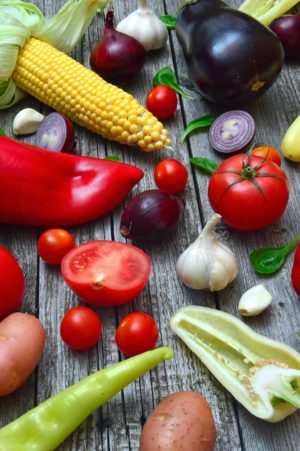

Resource List for COVID-19: How Retailers and Others are Responding to Help Older Adults

As the COVID-19 outbreak continues to affect our daily lives, various retailers, companies, and restaurants are responding by taking steps to help create a more comfortable and safe shopping experience for older adults or people with underlying health issues—a segment of people believed to be most vulnerable to the spread of the coronavirus.

Here is a growing list of resources for you.

This is an expanding list! Please let us know if you know of other store updates by leaving a comment.
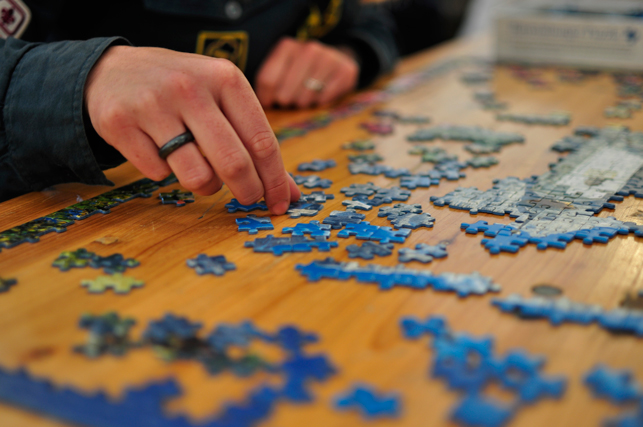
Things to do while quarantined or practicing social-distance

During the coronavirus outbreak, Iona’s programs and classes have been canceled, theaters have closed, museums have shut their doors, and we are being told to stay home. We’ve compiled a list of some things that can keep you busy.

1. Online Fitness Videos provide you with a great way to keep active, without leaving your home (or even chair)! Use at your own risk and remember to consult with your doctor before starting a new fitness program.

2. Mather LifeWays Telephone Topics helps you connect with others, learn new things, and enjoy musical performances–all from your home. You can even access guided chair yoga or meditation sessions over the phone. To participate, dial 1-888-600-2560. Programs include:

  • Wellness Programs: Enjoy live, guided chair yoga or meditation sessions to stretch your body or mind.
  • Education Programs: Learn about history, healthy habits, architecture, and more.
  • Discussion Topics: Join a lively discussion on sports, movies, and other topics, and share your own ideas.
  • Music Reviews: Listen and learn about opera, early rock ’n’ roll, and other musical genres.
  • Live Performances: Listen to live vocal performance or master storytelling sessions.
    Click here to learn more about Mather Lifeways.

3. DOROT University School Without Walls offers phone and online courses for older adults and caregivers who speak English or Russian. All you need is a phone, computer, or tablet to join lively discussions on a range of entertaining or educational topics. Some calls are even intergenerational. Gain friendship, support, intellectual stimulation, community, and more. Visit their website or call 1- 877–819–9147 for more information and to see a full catalog of conversation topics.

4. Well Connected offers activities, education, support groups, and fun conversation over the phone or online. You can connect no matter where you are and at no cost to you. Conversations run the gamut, with past topics covering everything from art and zoology to meditation. Well Connected also meets 365 days a year, so there’s always a lively conversation for you to join. Most groups last about 30 minutes to an hour. Newcomers are always welcome! And, if you don’t feel like talking at first, you’re welcome to just listen as long as you let the group know you’re there. If you’re ready to register, please contact 877-797-7299 or email coviaconnections@covia.org. Visit their website to learn more.

5. Go on a tour with these museums which are offering free online tours.

6. Online scrabble is fun if you like games. Download Words with Friends on your smartphone or tablet. You can play with people you know or people you don’t know yet.

7. Learn a language. Download Duolingo, or a similar app, and teach yourself a foreign language.

This is an expanding list! Please let us know if you have recommendations to expand our growing list of online resources by leaving a comment.

Practicing Self-Care in Uncertain Times

The COVID-19 (coronavirus) has created a great deal of uncertainty and anxiety. The situation today may be different next month or even tomorrow. Things are changing fast.

During stressful times, practicing self-care becomes even more important. As anyone who has ever been responsible for the care of another can attest, it’s easy to ignore your own needs when somebody else’s seems so much more present or overwhelming. But when you forget to take care of yourself first, your effectiveness as a caregiver only diminishes. And, in such uncertain and rapidly changing times, practicing self-care is good practice for anyone—not just caregivers.

Plus, it’s not just about effectiveness. Staying grounded also helps to ease your own unnecessary stress or suffering. When our amygdala (located in our brain’s medial temporal lobe) is activated by a situation that is interpreted as a potential threat, even if it’s just reading news headlines or an email, it initiates physiological changes such as increased muscle tension and accelerated breathing. Practicing self-care and simple grounding techniques can help put a pause on these feelings of stress.

Simple Ways to Practice Self-Care:

  • Get adequate sleep. Most of us know we should try to avoid screens (computers, tv, phones) one – two hours prior to going to bed and cut out the caffeine later in the day, but did you know that certain foods can actually help you catch your zzz’s. Studies have shown that foods such yogurt, fish, tart cherry juice, jasmine rice, and even kale can lead to a better night’s sleep. Experts also suggest that trying to keep a consistent bedtime can be helpful, as well as including activities in your bedtime routine such as: taking a warm bath (with lavender), reading in bed, or listening to soft music.
  • Check in with your community. Being able to share your feelings and experiences with others can be one of the most valuable things you can do for yourself. If you are practicing social-distancing right now, you can still make space for your community and the people in your life. Phone calls, Skype, Facetime, even a handwritten note work! There are also wonderful tools online that help you connect with others, learn new things, even enjoy musical performances—all from your home! Mather LifeWays Telephone Topics, for example, offers:
    • Wellness programs
      Enjoy live, guided chair yoga or meditation sessions to stretch your body or mind.
    • Education programs
      Learn about history, healthy habits, architecture, and more.
    • Discussion topics
      Join a lively discussion on sports, movies, and other topics, and share your own ideas!
    • Music reviews
      Listen and learn about opera, early rock ’n’ roll, and other musical genres.
    • Live performances
      Listen to live vocal performance or master storytelling sessions.

Visit https://www.matherlifeways.com/neighborhood-programs/telephone-topics for more information. To participate, dial 1-888-600-2560.

Well Connected is another resource. It offers activities, education, support groups, and fun conversation over the phone or online. You can connect no matter where you are and at no cost to you. Conversations run the gamut, with past topics covering everything from art and zoology to meditation. Well Connected also meets 365 days a year, so there’s always a lively conversation for you to join. Most groups last about 30 minutes to an hour. Newcomers are always welcome! And, if you don’t feel like talking at first, you’re welcome to just listen as long as you let the group know you’re there. If you’re ready to register, please contact 877-797-7299 or email coviaconnections@covia.orgVisit their website to learn more.

  • Exercise. There is no question that exercise can make a tremendous difference in your overall health and well-being. Research suggests that even just 15 minutes a day of exercise can make a difference in your physical and mental health as well, reducing stress, depression and even helping with sleep. Online Fitness Videos provide you with a great way to keep active, without leaving your home (or even chair)! Use at your own risk and remember to consult with your doctor before starting a new fitness program.
  • Breathe. Deep breathing is a well-known and well-researched relaxation technique with numerous benefits, including: releasing tensions, reducing blood pressure, aches and pain and promoting healthy sleep. When you practice deep breathing, you focus on the “now,” the present, not all your responsibilities and problems. Have you ever noticed that in times of stress, your breathing becomes rapid and shallow? By slowing down your breathing and taking deep, deliberate breaths, you can begin to experience relaxation and calm. One very simple breathing exercise that can be done almost anywhere and ideally multiple times a day is to: 1) Inhale through your nose for the count of 5, focusing on expanding your belly 2) Hold your breath for a count of 3 3) Exhale slowly through your mouth for 5. For more breathing exercises, visit here.
  • Tune into your body. Research has shown that paying attending to our bodies is an easy way to practice mindfulness and reduce stress. This article outlines simple and effective anchoring practices.

Practicing self-care does not have to be an hours-long activity. Sometimes all it takes is a few minutes, a few times a day to make a difference in your state of mind, your day, and in turn what you can offer others.

“Eat Right, Bite by Bite” with Iona’s Nutrition Team

Healthy aging encompasses a lifelong love of good food and positive food experiences. Every March since 1980, the Academy for Nutrition and Dietetics leads a month-long celebration, National Nutrition Month®, dedicated to the role food and nutrition play in living a healthy lifestyle. The theme for 2020 is “Eat Right, Bite by Bite.” The overall message is that the best diet isn’t restrictive, and that meaningful, small changes over time add up to better overall physical and emotional health and wellness.

As Iona’s Nutrition Program Manager and RDN since 2008, I have the privilege of working with a wonderful team of professionals and volunteers:

  • Jakia Muhammad: Home Delivered Meals Coordinator, Supplement Program Coordinator
  • Michele McNally: Home Delivered and Holiday Meals Volunteer, Supplement Volunteer, Volunteer Grocery Shopper
  • Judy Portnoy: Former longtime Weekend Meals Volunteer
  • Jean Johnson, MS, RDN: Volunteer Nutritionist
  • Ashlea Steiner: Former Food Access and Farm to Table Coordinator and Iona’s DC Administration on Aging Project Director
  • Chris Brentin, MS, LDN, CNS: Part-time Nutritionist
  • Courtney Tolbert: Program Manager, Iona’s Active Wellness Program at St. Alban’s
  • Nathaniel Tolbertsmith: St. Alban’s Assistant and Weekend Meals Coordinator
  • Tania Sechriest: Volunteer Program Manager and Weekend Meals Coordinator

We are ground zero for all of Iona’s critical food and nutrition programs, which include:

  • Home-delivered weekday and weekend meals provided to 175 older adults weekly
  • Weekend meals delivered to 105 older adults every weekend by teams of dedicated volunteers
  • Weekday “lunches with friends” at Iona’s Active Wellness Program at St. Alban’s, our on-site Wellness & Arts Center in Ward 3, and our *NEW* soon-to-open adult day health center in the Congress Heights neighborhood in Ward 8
  • Home delivered holiday meals on Thanksgiving and Christmas day
  • Food pantry with shelf-stable, nutritious food staples for Iona clients
  • High calorie/high protein liquid nutrition supplements for 83 year-to-date nutritionally vulnerable, frail clients monthly
  • Assistance with benefit programs such as SNAP (formerly food stamps) and the Grocery Plus program
  • Healthy food demonstrations and nutrition education sessions
  • Pea Pod Market Program providing weekly free fresh produce
  • SHARE food network monthly “grocery basket” program
  • Access to a Licensed RDN or Licensed Nutritionist (Certified Nutrition Specialist) to provide personalized nutrition assessments for our highest nutrition-risk clients
  • Advocacy efforts on behalf of reducing senior hunger and malnutrition in our DC community

In honor of National Nutrition Month® 2020, here are some simple ways you can shift your eating habits and lifestyle, and put a new spin on positive aging:

  • Think positively about your relationship with food and your body
  • Be active – physically, socially, mentally, and emotionally
  • Focus on your overall dietary pattern, not specific “superfoods” or trendy restrictive diets
  • As author, professor, and food activist Michael Pollan says: “Eat food, not too much, mostly plants” as advised by a Mediterranean diet pattern
  • Get cooking!
  • Eat less added sugar, desserts, sodas and juice drinks, refined grains, sodium/salt, fatty meats, and highly processed or junk food
  • Eat more dried beans and legumes, whole grains, leafy greens, other vegetables, fruits, nuts and seeds, and healthy oils such as olive oil
  • Address age-specific nutrient concerns
  • Try to eat seafood – fish or shellfish – twice a week to help get enough omega-3 fats
  • Stay hydrated
  • Explore new foods and flavors

To put action to healthy eating intentions, try preparing one of our favorite recipes: Black-Eyed Pea Salsa (click here for the recipe). This bean salad/salsa recipe is delicious served over salad greens and lasts for several days in the fridge. We hope you enjoy it!

By Rose Clifford, RDN, MBA


Rose Clifford, RDN, MBA has practiced as a registered dietitian nutritionist in the Washington, DC area for many years. Her current primary work as the Nutrition Program Manager for Iona Senior Services focuses on helping older adults maximize their nutritional health so they can live active, full lives in their own homes. Rose is an active member of the Age-Friendly DC Nutrition Sub-Committee, the DC Administration on Aging Nutrition Task Force, and the DC Chapter of Les Dames d’Escoffier (an international philanthropic organization of women leaders in the areas of food, nutrition, fine beverage, and hospitality).

Feedback for Iona