Meet an Iona social worker: Randy Smith

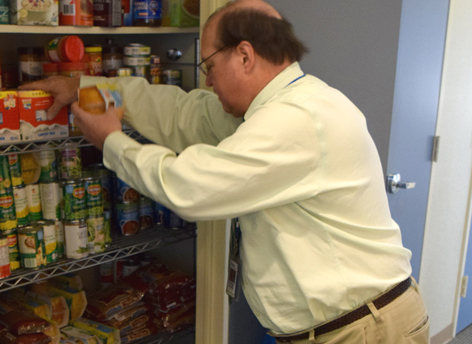
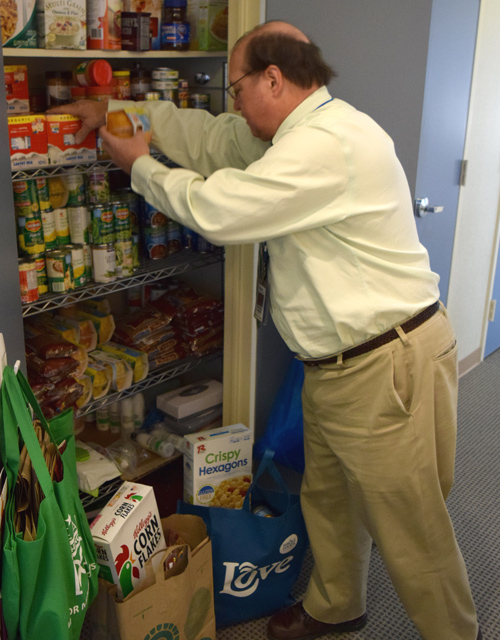
Iona social worker Randy Smith can turn to Iona’s Emergency Food Pantry when clients face a crisis.

Randy Smith has been on Iona’s staff for more than seven years. In that time, he’s worn many hats as a social worker, advocate, and problem-solver. Read how he supports our older neighbors in this Q&A. 

How long have you been working at Iona?

Since June 2010.

What is your job? Can you walk through a typical day?

I am a social work case manager and my clients are seniors. They are often low income, and we help them under a grant from the DC Office on Aging. Every day is completely different and unexpected.

Generally, I’m responding to unexpected situations that come up on short notice that varies widely from helping a client navigate the complicated hospital system and discharge process to enrolling them in a variety of city programs that include home delivered meals and tax breaks. My work really varies. I’ve installed air conditioning units. I’ve organized pest removal like helping someone prepare for spraying for bed bugs. I’ve helped clients move or declutter. I organize financial records and help them get the essential legal documents that they often lack.

In terms of nutrition, can you talk about some of the challenges your clients face?

Nutrition and access to healthy food is a basic right and a fundamental need of all of our clients. It’s particularly challenging not only because of the expense of food, but also because so many seniors are homebound. That means they are unable to get to a store themselves. Additionally, many can’t enroll online in a grocery delivery service because they don’t have a computer, or don’t know how to use a computer. And it’s expensive.

Many of my clients also have failing eyesight. So, even if they were to have a computer, they can’t read the size type. And bigger type is hard to follow. It goes off the screen. For someone who has low vision, the challenges are enormous.

But, I’d say that the biggest challenge in getting food is mobility. Most of my clients can’t drive anymore. So, they have to walk to and from the store, and carry heavy bags. If you have trouble just getting out of your apartment building, walking several blocks to a grocery store is an impossible task. For example, I have one client who had a stroke. She can’t take a step. She can’t go up a stair. So, Iona’s home delivered meals and food pantry are very key.

How often do you turn to Iona’s Emergency Food Pantry?

It’s hard for me to say for certain, but it’s there for emergencies or to supplement a client if their food sources are lacking. Obviously, I don’t know when an emergency will occur, but it’s vital that I can react immediately.

Just this month, I had a dual emergency on the same day.

Over the weekend, two different clients had gone to the grocery store and discovered that their Food Stamps had expired on October 31st and were not recharged for November. They were running out of food and both were in distress over the prospect of having nothing to eat.

So, I was able to visit both clients to complete the nine-page Food Stamp application. But to alleviate their immediate food shortage, I took items from our food pantry knowing that recertifying each client’s Food Stamps could take several weeks. I brought shelf-stable milk, fruit cups, boxed cereal, whole wheat pasta, and cans of soup, tuna fish, vegetables, and beans. A healthy selection that would meet the current crisis and, hopefully, tide them over for several weeks while I advocated with the DC Department of Human Services to expedite their Food Stamp reapproval.

Do you see trends in terms of when you use the Emergency Food Pantry?

I definitely go to the food pantry more in the winter. Just imagine this common scenario: a senior in their 80s who already has difficult walking to the store is now faced with a sidewalk covered with snow or ice. It’s now a very real threat that they will slip and fall on the way to or from a grocery store. That makes grocery shopping dangerous. And, it’s not practical or affordable to take a taxi to and from a grocery store.

Why does your work matter to you?

It is important and vital that we support our aging population. These are usually longtime city residents. In many cases they grew up here, and have lived their entire lives here. It would just be wrong to abandon them in their years when they just need some extra help to survive.

No one should ever starve to death because they can’t get to a grocery store or can’t afford food. It’s just not morally acceptable. We have an obligation as a society and as a city to support the seniors who have contributed so much to the fabric of life in Washington.

Tomorrow is #GivingTuesday, a global day to celebrate generosity and to give back. Our goal for #GivingTuesday is to raise the equivalent of 150 grocery bags so that our emergency food pantry is ready to go when our clients need us most. We turn to this pantry when our clients are desperate for food – after a hospitalization discharge, if resources are tight, when winter storms hit, and other crises. Thank you for keeping your older neighbors in your heart this holiday season.
Donate a grocery bag

Why you matter when it comes to senior hunger

“There can’t possibly be hungry seniors in Ward 3 neighborhoods?!?!”

This is a belief we regularly hear at Iona. The truth may surprise you: ALL older adults are particularly vulnerable to the effects of food insecurity, hunger, and sub-optimal nutrition. Yes, even those who live in Ward 3.

Factors such as poor appetite, unintentional weight loss and frailty, isolation, decreased mobility, cognitive decline, psychosocial and mental health issues, nutrient deficiencies, poor oral health, and lack of transportation are common contributing factors to senior food insecurity and malnutrition. And yet, senior malnutrition is often a “hidden secret.”

Here at Iona, the “hidden hungry” are a reality (though not so “hidden” to us). They are some of our clients.

Take for example, a client who is a 77 year old male. Last June, he was referred to Iona’s nutritionist by his social worker because he had lost 63 pounds in six months. He looked haggard, weak, and underweight. He’d had all kinds of sophisticated and costly medical tests  to rule out everything from an undiagnosed malignancy to gastrointestinal disease.

All of the testing was inconclusive and provided no cause for his unintentional weight loss.

Did anyone think to investigate his nutritional situation or ask this man if he had enough food to eat before thousands of dollars were spent on medical tests? Such a simple, basic human need and right – to have sufficient good-quality food to eat in order to maintain health and a good quality of functioning and life.

Yet, here is an older adult who recently had only $7.00 left of his monthly income to last him the 10 days before he would get another social security check deposit in his bank account. In fact, he was so low on funds that he literally did not have enough money to buy food after the middle of the month.

For this client and many others like him, senior hunger is a health issue with very high personal and economic costs.

How did Iona help him?

First, he was enrolled in our home delivered meals program, and receives 10 fresh Mom’s Meals delivered every two weeks. He also participates in our Weekend Meals program, receiving one hot and one cold meal delivered by our wonderful volunteers every Saturday. He receives several cases of a high calorie/high protein Boost Glucose Control liquid nutrition supplements per month, courtesy of the DC Office on Aging nutrition supplement program and donations from the community.

He also receives a monthly donated food package valued at $45 through the Blessed Sacrament SHARE bulk grocery program. His amazing social worker restored his $18.00 per month SNAP (food stamp) benefit, got him new dentures, and also takes him regular deliveries from Iona’s food pantry.

Today, he has a steady weight, normal blood sugars (he has diabetes), a better sense of well-being, a community of friends, and a good level of energy and functioning.

How can you help?

Putting an end to senior hunger and food insecurity in Washington, DC requires a coordinated effort by multiple stakeholders. It also requires the continued support of Iona’s nutrition and other lifesaving services.

After all, food assistance is often the first type of support sought and accepted by older adults in need. It also serves as a foot-in-the-door for us to offer additional services.

We need you in the winter

With the winter comes even greater threats to our older neighbors who are already struggling.

They risk falling on icy sidewalks, illness, greater isolation, and being forced to cut back on groceries to pay for medications and a heating bill.

On #GivingTuesday, Iona is raising funds to ensure no older neighbor has to choose between staying warm and eating.

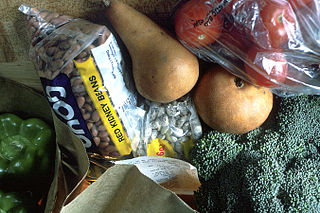
For just $45, you can help Iona purchase a bag of healthy groceries for our emergency food pantry. We turn to this pantry when our clients are desperate for food – after a hospitalization discharge, if resources are tight, when winter storms hit, and other crises.

Our goal is to have 150 grocery bags ready for the coming cold months.

Give a grocery bag here.

Traveling for Thanksgiving: Five Tips when Traveling with Dementia

The holidays can be a busy and intense time. You may be traveling far distances, and dealing with traffic or a busy airport. If you’re living with dementia or caring for someone who has it, those typical travel challenges can be even more stressful than usual. You might be thinking, “is it worth doing?”

Ultimately, only you can decide if you’re not feeling up to travel. Just as it’s important to be able to say “Yes” to invitations to get together with others or requests to do things during the holidays, it’s also important to be able to say “No.”

That said, staying socially active is good for your brain and your mood. So, if celebrating the holidays is something you’ve done in the past, consider continuing to do so.

Planning ahead and being realistic about what’s possible can make the holidays meaningful, enjoyable, and less stressful.

1. Pack an emergency bag.

This bag should include medications and current medical information like dosages, insurance information, a list of emergency contacts, a list of allergies, photocopies of important legal documents, and your travel itinerary. If you’re traveling by air, make this bag your carry-on and also include an extra set of clothing, snacks, and activities.

2. Keep a list of important contact information.

Have your doctors’ names and contact information, as well as the names and contact information of friends and family members to call in case of an emergency.

3. If you’re staying in a hotel, call ahead of time.

Contacting the staff before you arrive and sharing any specific needs ensures they can be better prepared to help you.

4. Avoid tight connections.

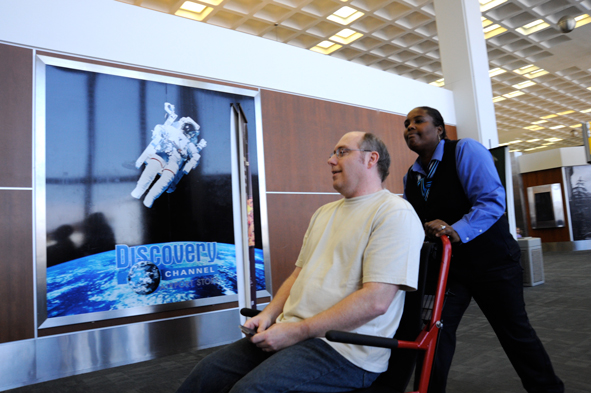
Air travel can be confusing for someone with dementia. You’re going to want as little stress as possible! Leaving time to make your flight or connection is one simple way to reduce anxiety. Additionally, you might consider requesting a wheelchair (even if mobility is not an issue) so that an attendant can help you navigate the airport.

5. Look for a companion restroom.

Airports are crowded and distracting. A companion restroom ensures you do not have to leave the person unattended, and can make it easier to assist if they need help using the restroom.

Overall, when it comes to traveling with someone with dementia, the best rule of thumb is to go with the option that will cause the least amount of stress or anxiety (for you and them).

Happy holidays!

Have you taken a trip with someone with dementia? Share your advice for safe travel in the comments.

What do caregivers need for daily survival?

I’m a caregiver. I’m also a mother. I’ve raised five children well into adulthood. I have 17 grandchildren of whom I am immensely proud, and now, I live with my 99-year-old mother. She has some memory loss and relies on me for company and to run the house, arrange for caregivers, and provide her with a social life.

And while some people might think being a mother has prepared me for taking care of my own mother…it hasn’t. Because helping your aging parent is a whole lot different from raising your children.

Caregiving for an aging parent is different from raising children.

Living with or near an aging parent with special needs or dementia exhausts us a lot faster than running after little children. With children, there is always a sense of hope because we know they will grow up. They will grow out of whatever misbehavior is driving us crazy at any one time. With your older parents, however, you might feel a sense of despair because you know it will only get worse. At least, that’s how I feel.

Also there is a time limit when we deal with our own children. We know they will only be a toddler for a year or so. We know they will eventually stop having tantrums in the market. We know they will learn to read and write. We know that one day somewhere within a 20 year span or so, they will graduate and move out of our house and be on their own.

Dealing with aging parents offers new challenges. We have no idea how long each phase will last. And each one leads to a loss of function and increased dependence, rather than growth and independence.

The reality is that when you’re caring for an aging parent, it can be hard to remain hopeful.

My caregiver survival kit

I’ve been a caregiver for my mother these last two and half years. It’s exhausting, overwhelming, and a lot of times I do fall into that spiral of despair. That’s why over the years, I’ve developed my own “survival” kit. These points help me get through the lows, so that I can enjoy the highs with my mother.

What you need for your own survival:

1.Sense of humor
This may be the most important thing of all. Laughing at adversity has a proven track record. It will make you healthier and happier. You may not have this talent innately, but you can learn to make light of your situation. Look for the humor in every action that may at first bring tears to your eyes. The funny combination of clothes your father assembled to wear when going out. The way your relative dribbles food down her chin when she eats  The paranoia your family member exhibits about the strangest things. You can smile or you can cry. It is your choice.

Do you have a favorite funny movie? Was there a TV show that always made you laugh? You can watch these on TV or through a service such as Netflix or Hulu. Do it. You need to laugh out loud often.

2. Friends of your own

It is vital to have friends or a support group with whom you can share your feelings. Do not stuff your feelings inside. And do NOT feel guilty for negative thoughts or feelings. You are going through Hell. It is hard. It is sad. And you have no idea when it will be over. You need help in processing your fear and anger and uncertainty.

If you don’t have local friends, find a group that will understand. There are many support groups such as those at Iona, for adult children who are caregivers. If you cannot find one where you are, join a group such as Rotary, the Lions Club, or Toastmasters. You need people to socialize with and people who understand. That is why the support groups designed especially for caregivers are best of all. Find one and join it right away.

3. Imagination

You may be forced to give up parts of your life. You might move in with your parent. Or you could move across the country to be near them without actually living in the same house. In many ways your life will be turned upside down. So it is very important to have an idea of what you will do next. You need to envision a life in your future. You can begin to plan with words written in a journal or perhaps with a “Vision board”. I’ve been keeping a journal for three years now, and it has been a source of comfort in my life. It helps me process my feelings and reflect on the daily changes in my life. And looking back, it is fun to read. I enjoy writing in it very much because it is something proactive that I can do for myself.

You will get through this. So be inventive about ways to enjoy life now. Be brave about planning for the future. The future will come.

4. An inner life

Are you a member of a faith community? Do you have a strong spiritual belief? Are you a Buddhist or a Yogi? Do you like to read about Quantum Physics? What ever it is, practice it. If you are religious, go to your place of worship. If not, then try to find something that resonates with you. Meditation works magic for many people. There is great peace in knowing that we are not alone. There is solace in knowing we are part of something greater than ourselves.

Or, you might prefer going for a walk or simply taking time to read, rest, or meditate. Either way, I encourage you to find a way to explore your own inner life. Sometimes this happens most easily by studying the lives of others who have written about it.

5. Patience
You can wish for it. You cannot buy it. You must learn it. Good luck!

Do you have other caregiver survival tips? Please share in the comments!

By Bonnie B. Matheson

Bonnie B. Matheson is a mother, grandmother, and daughter. She is an author, life coach, and insatiably curious person. Bonnie graduated from George Mason University with a B.A. in psychology in 1998 at the age of 56.  Her book, Ahead of the Curve: an intimate conversation with women in the second half of life, is available for sale on Amazon. Today, Bonnie lives in her old room at her mother’s house in Washington, DC (Bonnie’s house is in Charlottesville, VA). Her two small dogs, Lord Byron and Magnus, keep her company.

Thanking our Veterans: Meet Lee Donald

Iona’s Wellness & Arts Center welcomes participants from incredibly vibrant and diverse backgrounds – including many Veterans. With deep gratitude and respect, we honor them today.

Just one of the many Veterans who share their talents and joys with us in the Wellness & Arts Center is Lee Donald. Lee served in the U.S. army for about three years, beginning in 1965.

In honor of Veterans Day, we asked Lee if he had any thoughts to share about his service. Here is what he said:

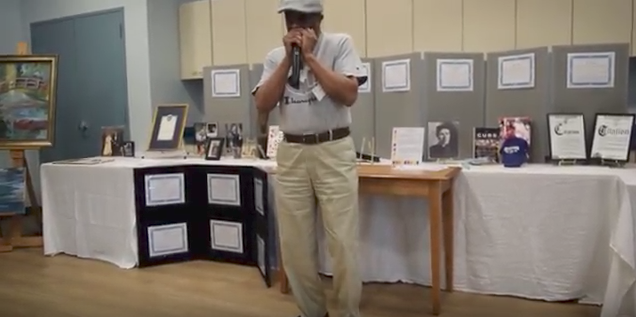
Leaving behind his mother and two brothers, Lee was deployed in Vietnam for a year. Today, Lee describes his time in Vietnam as a very stressful time in his life. But Lee always likes to look on the bright side (and continues to do so in the Wellness & Arts Center). Despite constant fears of airstrike, Lee found ways to relax and unwind, including playing his harmonica, specifically some of his favorite Juke tunes, praying, and talking with his friends in the same unit. When Lee returned home from Vietnam, he celebrated all week with friends and family. Lee also started a part-time job a General Electrics while he was taking classes.

Though a difficult time in his life, Lee did take away some important life lessons. He says we all need to take care of each other and have one another’s back. Additionally, his experiences taught him to appreciate every day because you never know what’s going to happen.

Today, anyone who spends time with Lee can easily see that these two life lessons remain with him. He is a wonderful source of light and joy in the Wellness & Arts Center, and he continues to share his musical talents with us (take a look at Lee playing the harmonica in our program below). We thank you for your service, and for being a welcome part of our Iona family!

Daughter cautions to other adult children: ‘Don’t wait until a crisis’

After helping her mother with a health crisis, Iona board member Jennifer Disharoon cautions other adult children: start planning now!

Never in my wildest dreams could I have predicted that at age 45 I would be dealing with a caregiving crisis involving my mother. By most standards, my 69-year-old mother would be too young to experience the type of health issues that force an older adult to seek outside help.

Unfortunately, this is exactly what happened.

Sleepless nights and frantic questions

My mother had suffered all her life from mental health issues and obesity, which morphed into mobility issues and other health concerns as she aged. When I got the call that every child dreads informing me that my mother was in the hospital and gravely ill, I was completely unprepared.

I wish I could have back all the sleepless nights and avoided the stomach-churning stress I experienced while helping my mother make important decisions regarding her care. What should I do about her finances? Is assisted living the right option for my mother? How will we pay for the additional care she desperately needs?

After the dust settled and my mother had moved into assisted living, I wished that I had taken steps earlier and understood the programs and options available to the aging.

That is what drew me to Iona.

Connecting with Iona

My first introduction to Iona Senior Services was through my employer. My firm bid on providing accounting services which allowed me to understand more about Iona’s mission as well as the services and programs they provide to the community.

If only I knew about Iona Care Management, one of Iona’s many services, earlier! I could have saved myself a number of headaches and a great deal of confusion as I explored options for my mother who could no longer care for herself.

Iona’s community impact

After spending countless hours on the phone and in meetings with various agencies and institutions and trying to figure out what to do for my mother, I have truly come to appreciate the role Iona plays in our community.

I have since recommended Iona to colleagues and friends with aging parents who need adult day services, fitness classes, nutrition services and information to help with a difficult transition. Iona even provides support for caregivers who often feel overwhelmed by the enormous challenge of juggling the responsibilities associated with an aging parent while also managing a career, a household, and children.

Today, I am very pleased to serve on Iona’s board of directors and participate as a volunteer for weekend meal delivery. I see the positive impact that Iona has had on the people they serve with my own eyes every time I deliver a meal or visit Iona’s building. Now that I am familiar with all the resources available from Iona, I find myself seeking out the resources on their website and engaging with the programs and services offered.

Don’t wait — plan ahead!

I am happy to report that my mother is thriving in a wonderful assisted living community, she is receiving the necessary healthcare, and her financial situation is stable.

Following my own experience, I tell friends, family, and colleagues that it is never too early to start thinking about caring for aging parents or other family members. Even an introduction to the programs and services available to aging adults, as well as the areas that seniors and their caregivers need to be prepared to address, goes a long way toward making the transition easier and less disruptive for all involved.

If you or your family is starting to question what happens when mom and dad can no longer manage on their own, I encourage you to talk with Iona. Do not wait for a crisis – plan ahead!

To speak with an expert social worker, contact Iona’s Helpline at (202) 895-9448, or email info@iona.org.

By Jennifer Disharoon

Jennifer Disharoon, MBA serves as Marketing Director at Gelman, Rosenberg & Freedman CPAs. She has 20 years of experience in professional services marketing including branding, campaign management, and business development, and she has held a number of leadership positions in the professional services industry. Her interests and volunteer work include support for women and children affected by domestic violence, women with cancer, and aging adults.


Feedback for Iona