
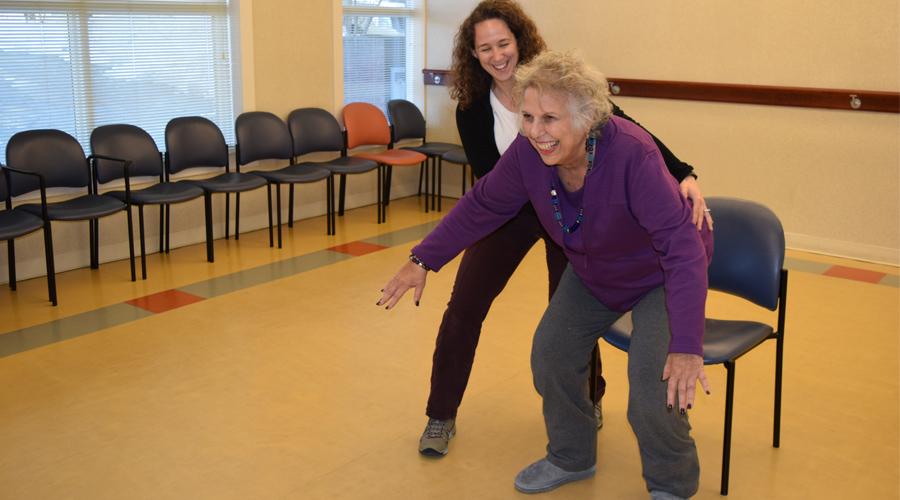
Five things you can do to reduce your risk of a serious fall

September 22, the first day of fall, kicks off National Fall Prevention Awareness Week.

Falls are a serious topic for older adults—they’re a primary cause of injury, hospital admission, and death among adults age 65+. Given this knowledge, it’s no surprise that you might fear falling so much that you restrict your own life. You might leave the house less or limit your physical activity. Unfortunately, these actions can lead to isolation and depression, and limiting physical activity can actually increase fall risk.

So, what can you do to reduce your risk of a serious fall? Start with these five steps.

1. Exercise. Regular exercise keeps you flexible, improves your balance and stamina, and increases your muscle strength. Here are some simple exercises you can do anywhere that can help prevent falls. If you prefer group exercise, Iona offers a number of fitness classes and groups with trained professionals with experience teaching older adults, including yoga, tai chi, core/cardio, and more.

2. Talk to your doctor. Some chronic health conditions (such as osteoporosis, Parkinson’s disease, hearing loss, and vision loss) and medications can increase the risk of falling or getting injured in a fall. Your doctor can help evaluate your risk, review and adjust your medications, and recommend screenings or trainings for you. If you’re not sure how to broach the subject, the Fall Prevention Center of Excellence has some free tips.

3. Make your house safer. It can be difficult to predict conditions outside, but having a safe home base can make you feel more secure. Move or discard anything you could trip over, add grab bars or railings in your bathroom and stairs, add light fixtures to increase visibility, and more. The DC Office on Aging’s Safe at Home Program might help you afford in-home safety measures, if needed.

4. Stay aware of your surroundings. It’s hard to control or predict your environment outside the house, but that doesn’t mean you can’t make some small changes to reduce fall risk:

a. Pay close attention when outside, particularly to where you step—avoid places you might trip or slip, such as broken sidewalk, tree roots, wet leaves, and ice.
b. Try to go outside during daylight or to well-lit places, and get your vision checked regularly, including updating your glasses prescription if necessary.
c. Choose shoes with low heels and good traction.

5. Prepare for the possibility of falling. Knowing what to expect can make it less scary if a fall does happen. If you think you might be alone when a fall happens, purchase a personal emergency response system (PERS) or other medical alert device. AARP has a guide on choosing a system here.

Review techniques for getting up after a fall, such as this sheet from the Wisconsin Institute of Aging. To prepare for the possibility of injury or admission to a hospital after a fall, get familiar with the hospitals in your area, update your documents with any current medications and allergy information, and identify some emergency contacts, including a health care advocate or medical note-taker who could accompany you to the hospital.

These are important steps to take in general to age well, but they can especially reduce stress and confusion in the event of a serious fall.

Free Fall Risk Screenings in DC

On Friday, September 21, the National Council on Aging is hosting its annual Falls Prevention Awareness Day, with free falls risk talks and screenings for all DC older adults. Stop by Iona’s lobby for a flyer, or call your Ward’s DC Office on Aging wellness center site for information and to pre-register:

Ward 1
Bernice Fonteneau Senior Wellness Center
3531 Georgia Avenue, NW
Washington, DC 20011
(202) 727-0338

Ward 2
St. Mary’s Court
725 24th Street, NW
Washington, DC 20037
202-223-5712

Ward 3
Satterlee Hall, St. Alban’s Episcopal Church
3001 Wisconsin Avenue, NW
Washington, DC 20016
202-895-9448

Ward 4
Hattie Holmes Senior Wellness Center
324 Kennedy Street, NW
Washington, DC 20011
(202) 291-6170

Ward 5
Model Cities Senior Wellness Center
1901 Evarts Street, NE
Washington, DC 20017
(202) 635-1900

Ward 6
Hayes Senior Wellness Center
500 K Street, NE
Washington, DC 20002
(202) 727-0357

Ward 7
Washington Seniors Wellness Center
3001 Alabama Avenue, SE
Washington, DC 20020
(202) 581-9355

Ward 8
Congress Heights Senior Wellness Center
3500 Martin Luther King, Jr. Avenue, SE
Washington, DC 20032
(202) 563-7225

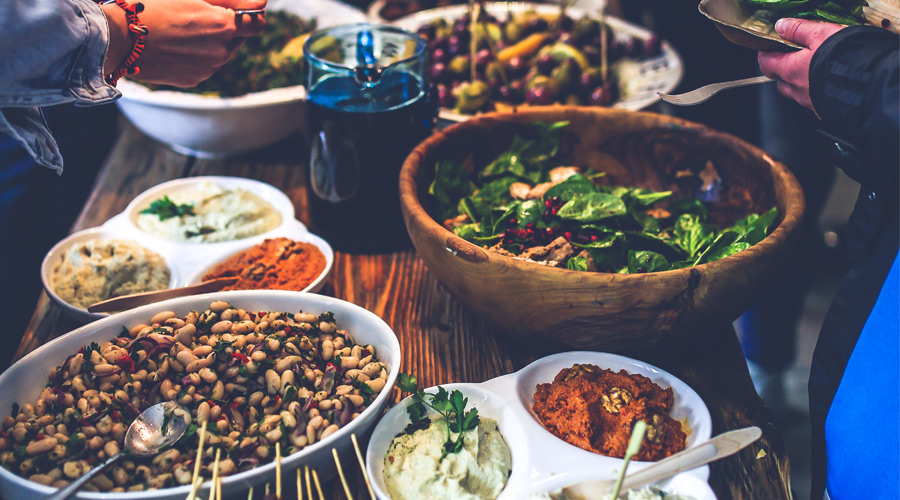
My Real Advance Directive

Healthcare advance directives are legal forms where you can share your future healthcare and end-of-life care wishes with medical professionals and family members or friends. These forms may include living wills and/or powers-of-attorney. Just recently, the New York Times reported that some doctors are even suggesting older adults plan a second advance directive specifically in the event of dementia. 

Here at Iona, we firmly believe in the importance of preparing an advance directive and designating a healthcare decision-maker should you no longer be able to make decisions on your own. In response to these important conversations and articles, Director of Development & Communications Susan Messina offers her own take on her end-of-life wishes.

We hope that her ideas will inspire you to start your own conversation with loved ones.

I don’t want to make life difficult for my family members if I face disability, dementia, and end of life. Therefore, after much observation of others’ situations and thought about my own wishes, I provide these five pieces of guidance:

1. If it is only possible to keep me at home with help from professional caregivers like home health aides or certified nursing assistants, I hereby grant my family members my blessing to hire those people. Regardless of whether I say, “I don’t want strangers in my house” or “I only trust you.” My family caregiver(s) get to be the ones to decide when they need help with giving me care, not me.

2. Please check out any adult day health programs I might join. I’m a super social person and so being part of a new community will probably be good for me, even if I am skeptical at the time. Get a guest pass for me and let me give it a whirl!

3. If my safety or the health/well-being of my family is in jeopardy because caring for me has become too demanding, I want to be moved to an appropriate long-term care setting.

4. I want my family and doctor(s) to talk to me about palliative care and also hospice. I would rather have those options on the table earlier rather than later. And if I bring them up, please do not shush me with, “It’s too soon to give up “or “I don’t want to talk about that.”

5. If I have severe dementia, I hereby grant my wife the freedom to pursue another romantic relationship. She will not be “cheating”; she will be meeting human needs for companionship and intimacy. I just ask that she (or even they) continue to take care of and/or visit me!

And, because I know it can be hard to know how to connect with someone who is cognitively impaired, I have five ideas to make visits with me easier:

1. Bring Pepperidge Farm Milano cookies! By then I promise I will not care about my triglyceride levels! Oh, and make it the classic dark chocolate Milano—not the double chocolate or milk chocolate or mint or orange.

2. I have a few boxes of childhood memorabilia. If you want to make me happy, go through the items with me and let me tell you again and again the stories connected with each.

3. Music that will cheer me up is soul, Motown, and Meat Loaf’s “Paradise by the Dashboard Light.” Do not play jazz in my presence. It will make me jittery and angry.

4. I love to read. It’s possible I will still enjoy listening to books or being read aloud to, so please try. I might resonate the most with childhood favorites. Try Little Women, Anne of Green Gables, Harry Potter, the All-of-a-Kind Family series by Sydney Taylor, The Saturdays and sequels by Elizabeth Enright, or any Cherry Ames’ nurse mystery story.

5. I will probably always like Christmas decorations, cookies, music, and lights. So, feel free to celebrate that holiday even if I have no idea what month it actually is!

By Susan A. Messina

Susan is Iona’s Director of Development and Communications. She holds three master’s degrees, including two from Bryn Mawr’s Graduate School of Social Work and Social Research, and is a Certified Fund Raising Executive.

Ten tips for practicing healthy eating habits during the holiday season

For some, the holidays might mean multiple family and friend gatherings with tons of rich food. For others, this time of year might be a stressful or even solitary time, where food can be a real comfort. No matter your situation, the question is the same: “How do I stay on track with healthy eating habits during the holiday season?”

Our advice is simple: the holidays should not be about deprivation, guilt, or gorging. While many individuals focus on getting through the holidays without overeating, in the process, they forget about other joys of the season.

Take the time to step away from holiday stress and hype and focus on self-care and mindful eating, instead.

To help you, here are 10 tips for staying positive and healthy this holiday season:

  1. Get a good night’s rest. If you can, sleep at least seven hours per night. The more rested you are, the more likely you are to be the happiest version of yourself (and the less likely you are to overindulge with food and drinks).
  2. Move your body or keep up your normal exercise routine – physical activity can help you avoid unwanted holiday pounds. Plus, it’s good for your mental and emotional health.
  3. Observe and listen to yourself and others with empathy and kindness. While the holidays can be a time of joy, there can also often be stressful moments, whether it’s trying to keep up with unrealistic expectations or ignoring some of your needs. Be patient with yourself and others.
  4. Eat a high protein or high fiber snack before you go to a gathering so you aren’t ravenous when you get to the refreshment table.
  5. Fill your plate with vegetables and fruits or other plant-based offerings before indulging in sweets.
  6. Savor and enjoy the taste of two or three bites of items such as cheese, fatty meats, or homemade special occasion sweets. Then, take a break and step away from the food table and focus on something else, such as talking to someone new.
  7. Skip fatty chips and any highly processed or packaged snacks, candy, or desserts – if it’s not special, just don’t eat it.
  8. Keep libations light by alternating alcoholic drinks with glasses of water.
  9. Sip slowly and savor your meals and party foods – mindful eating can be enjoyable and gives you the time to appreciate and relish in what you are eating.
  10. Reach out to others – socialize with new and old friends or family.

Let us know in the comments how you practice mindfulness over the holidays!


Falls Prevention Awareness Day: What to do if you fall

National Falls Prevention Awareness Day comes on the first day of fall every year. For older adults especially, it’s a pressing issue.

Falls threaten your safety and independence. And, even if you never experience a fall, oftentimes even the fear of falling can be limiting.

For instance, some older adults who fear falling will avoid activities or social engagements outside of the home. This inadvertently can lead to isolation, loneliness, depression, or further physical decline.  However, falling is NOT an inevitable result of aging. Through regular exercise, you can improve your balance, flexibility, and stamina – all needed for fall prevention.

Making small lifestyle changes can also have a positive effect (like keeping your home free of clutter, regularly visiting your doctor, or avoiding broken sidewalks when walking outside). Additionally, overcoming your fear of falling is vital.

What to do if you fall

  • A sudden fall can be upsetting. If you do fall, first take a few moments to relax and recover from the shock.
  • You can also use this time to evaluate whether you’re badly hurt. If hurt, you should phone 911 or have a loved one do so. If you or a loved one lives alone, you might consider purchasing an emergency response system, which lets you push a button on a special necklace or bracelet to contact emergency services.
  • If you think you can get up safely without help, do so slowly (getting up too quickly or in the wrong way might cause injury).
  • The Wisconsin Institute of Aging suggests to first roll on your side. Then, use one elbow to push up into a crawl position (hands and knees). Wait a moment to assure your balance or catch a breath. Next, crawl to a chair or table. You can then use the chair or table to pull yourself to a standing or seated position. A printable PDF with illustrations on how to get up from a fall is available here.

Although falls are dangerous, they are not certain. All of us can take steps to reduce our risk of falling, or reduce the risk for a loved one. To help you get started, visit Iona for one of our excellent group exercise classes, including yoga, Tai Chi, and Qi Gong. Learn more here.

Malnutrition and older adults: what you need to know

This week marks the 6th annual Malnutrition Awareness Week. The week serves as a way to draw attention to malnutrition for both health professionals and the public.

Though Malnutrition Awareness Week addresses many different populations and demographics, for me it is incredibly important to highlight senior malnutrition, as it is often a hidden reality and goes unnoticed.

For instance, did you know that nearly one of every two older Americans is at risk of malnutrition? And disease-associated malnutrition in older adults costs, both in health care settings and in the community, an estimated $51.3 billion annually.

The statistics on senior hunger and malnutrition are shocking and unacceptable.

In August, the State of Senior Hunger in America released its most recent report. It found that the percentage of people over 60 who faced hunger has been on a steady upward trend since 2001.

In fact, between 2001 and 2015, the proportion of older adults facing hunger doubled. And while senior hunger plateaued in recent years, 14.7% of seniors nationwide face the threat of hunger. In Washington, DC, that statistic rises to a dismal 18%. Nearly one in five DC seniors lacks sufficient access to enough food to eat to maintain not only their health and functioning, but also their dignity and quality of life. DC ranks 15th overall in terms of state-level estimates of the threat of senior hunger in 2015.

senior hunger

Here at Iona, the “hidden hungry” are a reality (though not so “hidden”to us). They are some of our clients — like the 84-year-old man with lung cancer who spent his time alone in a hot, rundown house. Or an 84-year-old woman (who weighed just 82 lbs.) with severe lung disease. She lived with her husband, who has dementia. It’s the 90-year-old man, referred to Iona by the manager of his apartment building. He lost 25 lbs. over a two month period and sat in the lobby all day, saying he didn’t want to die alone in his apartment.

Senior malnutrition is complex, and is affected by a number of issues such as poor appetite, unintentional weight loss, frailty syndrome, decreased mobility, lack of transportation, acute and chronic diseases or conditions, psychosocial and mental health issues, isolation, poor oral health, cognitive decline or reduced capacity, and food insecurity. Access, or lack thereof, is a key concept when you consider causes of senior hunger.

Simply put, many older adults lack the ability to plan, procure, prepare, and consume healthful meals and snacks.

So, what can you do to help yourself or others?

  1. Ask your doctor or a registered dietitian nutritionist (RDN) for help if you or a loved one have any unplanned weight loss, loss of appetite, feel weak or tired, are not able to eat or only eat small amounts and lack access to sufficient food.
  2. Here in DC, the DC Office on Aging has community dining sites and home delivered meals and other food and nutrition programs and services for seniors, which you can find here.
  3. Additionally, the Capital Area Food Bank website has a Get Help link to an extensive database of resources. Just plug in a zip code and select the kind of food and other resources needed to see what’s available near you or elsewhere.
  4. You can also check out the infographics on the National Council on Aging website to increase your awareness and learn more about senior hunger and malnutrition and why it’s important not just to individuals, but to our communities:

Finally, in honor of Malnutrition Awareness Week, you might also consider making a donation to Iona, so that we can continue to do our work and expand our services to hungry, malnourished seniors in our community.

By Rose Clifford, RDN, MBA

Rose Clifford, RDN, MBA has practiced as a registered dietitian nutritionist in the Washington, DC area for over 30 years. Her current primary work as the Nutrition Program Manager for Iona Senior Services focuses on helping older adults maximize their nutritional health so they can live active, full lives in their own homes. Rose is an active member of the DC Office on Aging Nutrition Task Force and is FY17 co-chair of the Food & Nutrition sub-committee of the DC Senior Advisory Coalition.

Feedback for Iona