Use this Guide to Help You Plan for Paying for Long Term Care

When it comes to planning for the future, we are unique in the animal kingdom. Humans have the ability to perceive what the future may look like and build a plan or develop a path to get there. We put in place contingencies in the event not all our initial plans “go as planned.”

So why all this talk about being unique and planning for the future?

Well, most of us don’t plan for certain things in our lives. Case in point, planning for our own or a loved one’s need for care later in life.

We’ve all heard the staggering statistics that thousands of baby boomers are turning 65 each day, and a very large percentage of us will most likely need some form of long term care later as we get older. Additionally, a vast number of Americans have not saved enough and are now having to decide, do I pay for my prescriptions or do I eat today.

So often in many of these cases, people fall short—not because they don’t or didn’t have the means, intelligence, or abilities to address their situation. They now face these challenges because they didn’t plan. There is even a quote about it, and you probably know it or some form of it: “Failing to plan is planning to fail.”

When planning, we need information to help us make our plans and our action items that lead us to our desired goals and outcomes. We must have a roadmap to get there and we must begin with basic steps to create our plan.

What goes in a financial plan?

Since we’re talking about finances, I’ll use some of my outline for building a client plan, but there are many planning tools out there to get you started. You should at a minimum:

  • Define your goals and objectives – short and long term;
  • Summarize your current financial situation including cash flow and budget, and risk factors and mitigation tools be they legal or financial;
  • Discover and understand all of your assets and liabilities;
  • Do a retirement financial analysis to find asset and income shortfalls
  • Address potential costs of long term care needs and future contingencies.

This plan outline is just a guide, as every plan is different and as unique as you are in this world. There is no one size fits all for planning.

How to pay for long term care?

Additionally, when it comes to paying for long term care needs, there is no silver bullet to handle paying for it.

However, there are several different means of paying for the care of a loved one or yourself. You’ve most likely heard of some of them if you watch TV or happen to read most major magazine or financial articles online. This list is not exhaustive, but the big ones are:

While you may know some of these by name, you might not know how they work or how to even get them for your loved one or yourself.

Beyond that, knowing how one of these works in no way means it is right for you or even a possible option. You need to determine if your current situation will allow for several options to work together and what will provide the best possible financial safety net you desire or need?

What are my next steps?

If you are ready right now and need assistance in developing a plan for a current situation, you should talk to someone at Iona to get started or you can reach out to me, as I have created the Long-Term Care Financial AssessmentSM and am glad to help you answer these question related to your specific situation.

From time to time, I offer free presentations at Iona on long term care planning. If you would like to be added to the waiting list, or notified the next time we offer this class, please contact Lena Frumin at community@iona.org.

Remember, you are unique in the world in so many ways, so use those abilities to plan for what you want to happen and address what may happen. I look forward to seeing you on the path to a better tomorrow.

by Rick Gow, CSA
Certified Senior Advisor & Wealth Advisor
rick.gow@dempseyi.com or (703)966-9249
with Life Plan Retirement Partners, LLC., Securities offered through Dempsey Lord Smith, LLC, Member FINRA/SIPC


Rick Gow is a seasoned Wealth Management Advisor, a member of the Society of Certified Senior Advisors®, facilitator of the Meaningful Future Process™ and nationally recognized speaker on many senior related long term care financial planning topics. He primarily works with seniors, their caregivers and family members, related to all aspects of financial planning for long term care needs. He helps develop all-encompassing long term care plans, tax efficient wealth transfer structures and retirement strategies. Most plans start with his Long Term Care Financial Assessment that addresses various components: from income generation, Medicaid & Veteran’s Administration compliant insurance products to real estate transfer strategies and principal protection, just to name a few.

Get Your Advance Healthcare Directive in Order

Healthcare advance directives are legal forms where you can share your future healthcare and end-of-life care wishes with medical professionals and family members or friends. In recognition of National Healthcare Decisions Day on April 16, we’ve outlined steps and resources for you to use when planning your own advance directive.

What forms do I need?

Healthcare advance directive forms can include living wills, which specify medical treatment preferences. They might also include Powers of Attorney (POA) or Proxy designation, which assigns healthcare decision-making authority to an individual trusted by you. Some healthcare advance directives also include a Do Not Resuscitate order.

Do I need a lawyer?

While healthcare advance directives can be completed without the assistance of an attorney, you might still want to consult one. Free and
low-cost resources are available from the providers listed below. Keep in mind that an attorney can customize your preferences, whereas many of these forms are templates. Also, because advance directives are governed under state law, an attorney may be able to craft a form that better meets your preferences.

Check out the steps and resources below to help you stay the course.

This process can be unclear and complex! Take a deep breath. To help you get started, we’ve highlighted key steps and resources to better assist you.

GET YOUR STATE’S FORMS & START FILLING THEM OUT

Writing Advance Directives
  • Free forms (for all 50 states and DC) are available from the National Hospice and Palliative Care Organization Download Your State’s Advance Directives.
  • Low-cost forms (recognized in 42 states and DC) are available from Aging with Dignity. Forms are available in multiple languages via Five Wishes here.
  • Free forms that comply with Jewish religious law (for multiple states) are available from the website
    Jewish Law.

IDENTIFY YOUR PROXY & WITNESSES (WHEN NECESSARY)

Guidance for Those Assigned to Be Health Care POA or Proxy

KEEP COPIES & DISTRIBUTE THEM TO THE APPROPRIATE PERSONS

UPDATE YOUR ADVANCE DIRECTIVE WHEN NECESSARY

All of us at Iona firmly believe in the importance of preparing an advance directive and designating a healthcare decision-maker should you no longer be able to make decisions on your own. We’re here to help you! If you have additional questions, please contact our Helpline at (202) 895-9448 or info@iona.org.

Why a Death Café?

As a self-proclaimed “death junkie,” I’ve dedicated my career to working with people facing end-of-life questions and death.

As a clinical expert in the early stages of the AIDs epidemic, I witnessed great end-of-life suffering, with little hope of survival. Later, as a hospice nurse, I saw patients empowered to create the terms for their dying. Many often chose to die at home, surrounded by family or friends, and pets. I have accompanied many people on both good and bad death journeys.

Now I am a Care Manager with Iona. My role allows me to assist and advocate for promoting healthy aging, while also providing guidance on end-of-life goals of care. With clients, I might talk to them about choosing a healthcare decision-maker, or developing an Advance Healthcare Directive. But, it’s not all about dying. I also help clients think about what makes life worth living and what a quality life looks like to them.

Through these experiences, I’ve come to see just how taboo talking about death is. And I want to change that!

We prepare for everything else in our lives—from researching what TV to buy to creating vision boards for home décor or weddings. Yet, though death is the only assured reality we’re all going to have, most of us aren’t comfortable thinking, let alone talking, about it.

But, what if talking about death demystified it?

That’s the philosophy behind the Death Café movement, which started in September 2011. Since then, the model has expanded to more than 7,500 groups, with conversations and meet-ups happening across the globe. Death Cafés are safe and friendly discussion groups, not grief support groups or counseling sessions. All ages are welcome.

The subject of death and dying is never easy to discuss. But, why not share, learn, and talk with others in a friendly and relaxed environment?

Why a Death Café? Why not?


Iona is hosting a Death Café on Tuesday, April 16 from 6:30-8:30 PM. Iona’s Death Café is facilitated by Dixcy Bosley, RN, MSN, FNP. Individuals of any background, religion, culture, or belief are invited to join us for tea, cake, and conversation. Our Death Café is informal, comfortable, and non-judgmental. Bring your thoughts, stories, questions, and more. RSVP here.

By: Dixcy Bosley, RN, MSN, FNP.

Prior to joining the Iona Care Management team, Dixcy served as a hospice nurse in various community settings. She is passionate about claiming life by demystifying death for young and old people alike.

My real Advance Directive, revisited

A year ago, I wrote a blog post that details what I want to have happen if I get dementia or a disability–or when I face end of life.  My point #5 takes on new relevance with the recent news about lifestyle icon B. Smith’s husband having a relationship with another woman. If you haven’t heard about this, watch this moving short clip from The Washington Post.

I hope that my ideas will inspire you to start your own conversations. Below, read my original post.

After much observation of others’ situations and thought about my own wishes, I provide these five pieces of guidance:

1. If it is only possible to keep me at home with help from professional caregivers like home health aides or certified nursing assistants, I hereby grant my family members my blessing to hire those people. Regardless of whether I say, “I don’t want strangers in my house” or “I only trust you.” My family caregiver(s) get to be the ones to decide when they need help with giving me care, not me.

2. Please check out any adult day health programs I might join. I’m a super social person and so being part of a new community will probably be good for me, even if I am skeptical at the time. Get a guest pass for me and let me give it a whirl!

3. If my safety or the health/well-being of my family is in jeopardy because caring for me has become too demanding, I want to be moved to an appropriate long-term care setting.

4. I want my family and doctor(s) to talk to me about palliative care and also hospice. I would rather have those options on the table earlier rather than later. And if I bring them up, please do not shush me with, “It’s too soon to give up” or “I don’t want to talk about that.”

5. If I have severe dementia, I hereby grant my wife the freedom to pursue another romantic relationship. She will not be “cheating”; she will be meeting human needs for companionship and intimacy. I just ask that she (or even they) continue to take care of and/or visit me!

And, because I know it can be hard to know how to connect with someone who is cognitively impaired, I have five ideas to make visits with me easier:

1. Bring Pepperidge Farm Milano cookies! By then I promise I will not care about my triglyceride levels! Oh, and make it the classic dark chocolate Milano—not the double chocolate or milk chocolate or mint or orange.

2. I have a few boxes of childhood memorabilia. If you want to make me happy, go through the items with me and let me tell you again and again the stories connected with each.

3. Music that will cheer me up is soul, Motown, and Meat Loaf’s “Paradise by the Dashboard Light.” Do not play jazz in my presence. It will make me jittery and angry.

4. I love to read. It’s possible I will still enjoy listening to books or being read aloud to, so please try. I might resonate the most with childhood favorites. Try Little WomenAnne of Green Gables, Harry Potter, the All-of-a-Kind Family series by Sydney Taylor, The Saturdays and sequels by Elizabeth Enright, or any Cherry Ames’ nurse mystery story.

5. I will probably always like Christmas decorations, cookies, music, and lights. So, feel free to celebrate that holiday even if I have no idea what month it actually is!


Healthcare advance directives are legal forms where you can share your future healthcare and end-of-life care wishes with medical professionals and family members or friends. These forms may include living wills and/or powers-of-attorney. Here at Iona, we firmly believe in the importance of preparing an advance directive and designating a healthcare decision-maker should you no longer be able to make decisions on your own. 

Are you aging without a family member or close friend who could take on the role of your caregiver or health care decision-maker?

If you’re feeling anxious or unsure about your social support as you age, you’re not alone. Iona’s Take Charge/Age Well Academy is offering a six-session series dedicated to helping you navigate aging solo. “Aging Solo” will take place on March 13, 20, 27, and April 3, 10, and 17, 2019 from 4:00 – 6:00 PM. It will offer presentations and guided-discussions on the critical decisions you need to make now and in the future. Learn more and register for the class here.

By Susan Messina

Susan is Iona’s Deputy Director. She holds three master’s degrees, including two from Bryn Mawr’s Graduate School of Social Work and Social Research. Susan has presented on many aging-related topics, including what factors contribute to aging well, aging in place, health advocacy, and more. 

How I organized my home through one simple practice

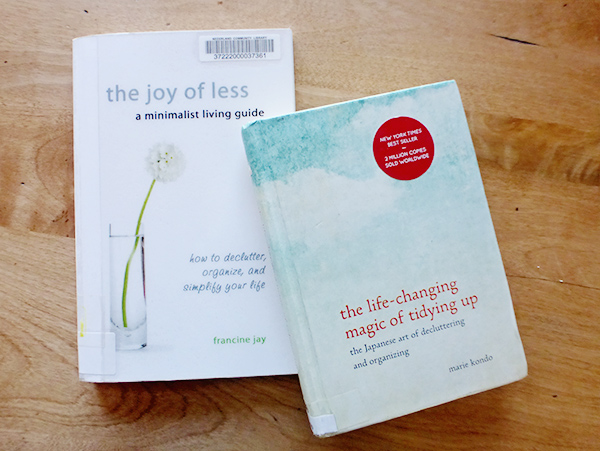
If my Facebook feed is any indication, the hot new thing is the Netflix show called “Tidying Up with Marie Kondo.” The (presumably) first season of eight episodes just dropped, making it possible to binge-watch the organizing guru personally lead people through her process.

I’ve only watched the first episode thus far, but am hooked. I was an early adopter, reading her book when it first came out and “konmari’ing” my whole house. My wife and I decided halfway through watching the new show that we had to do the process again, starting with our clothes (as Marie always suggests).

In its essence, the KonMari method helps you to declutter your home with one simple method:

  • You gather everything of one type together (starting with clothes, then books, and then papers, and on through the miscellaneous items we all have crammed into junk drawers.)
  • You pick up every single item (every pair of socks or pants, every blouse, every hat, every tee shirt), one a time, and you ask yourself one simple question: “Does this spark joy in me?”
  • If the answer is no, you discard it and if the answer is yes, you keep it.

Joy. Not a word most of us associate with the seemingly-endless task of keeping a home (of any size) free from clutter.

Those who swear by her method, as I do, know that this simple question, “Does this spark joy?” is incredibly powerful. It provides an immediate gut check that provides clarity.

What’s important to you today?

The life-changing magic claim is harder to discern immediately, but Kondo’s theory is that by decluttering – literally getting rid of the weight of the past and unlikely dreams for the future – we can truly focus on what is most important to us right now.

Naysayers like to disparage the KonMari method and poke fun at some of her zanier ideas (thank your socks for doing the hard work of keeping your feet comfortable; empty out your purse every night.) But the truth at the base of her method is that the more stuff we have to buy, store, maintain, organize, replace, and obsess over, the less time we have to figure out and do what is most essential.

marie kondo folding joyHow to get started

Getting started with her method can feel overwhelming, but I found it to be the exact opposite, when I first tried the method. I started with my clothes, as is her suggestion, but only by room. First I did my bedroom, then the front hall closet, then the basement storage area.

Then I did my books, again by room (first the basement with most of the bookshelves, and then the bedroom, and finally the living room. Weeks later, I remembered the kitchen and the cookbooks! Eventually it all got done.

Next, I tackled “papers,” as she suggests. This took more than one shot, as I had papers in a variety of places, but it felt fantastic to shred pounds of unnecessary clutter!

And just as Marie Kondo promises, there was some magic involved. I found a beloved and long-lost shirt, discovered stashes of money, AND, as she promised, others in my house have started following the method, inspired by me!

By Susan A. Messina

Susan is Iona’s Deputy Director. She holds three master’s degrees, including two from Bryn Mawr’s Graduate School of Social Work and Social Research, and is a Certified Fund Raising Executive.

Start 2019 off strong with these questions for making an aging plan

More and more, people are finding themselves without someone in their lives to help them if they’re facing a sudden illness or injury. Additionally, more people are living alone, are divorced or widowed, or have no children, no local children, or no children who are able to help.

Plus, even if you do currently have a helper in your life like a partner, spouse, adult child, or close friend, that person might not be available when needed. The reality is that no matter your situation, you need a plan for your aging.

Given that January is a natural clean slate, use this time to reflect on where you are in planning for your successful aging, and what you need to do next.

Not sure where to begin? Start with these questions.

  • The “Stay or Move” decision. What services or planning do you need to age in your home? Do you need to renovate? Should you make a move? Would you consider moving to a Continuing Care Retirement Community or assisted living?
  • Financial planning: Can you afford care if you need it? What sources of funding are available to you? Do you have (or need) long term care insurance?
  • Legal planning: Do you have an Advance Directive? A Financial Power of Attorney (POA)? Does someone have a list of your user names and passwords to online accounts?
  • Building your network: Do you have a legal decision-maker? Can you identify someone to come to the hospital to be your communicator advocate? Have you researched services like Care Management or tapped into your local Village? Would you benefit from a consultation with an expert?

Once you know what questions you have answers to—and more importantly, what questions you still need to answer—you’ll have a better understanding on where you need to put your efforts for 2019.

And, if you’re unsure how to answer some of these questions, know that Iona can help with classes, consultations, and care management. Contact us today at (202) 895-9448 to schedule a consultation or speak with a Helpline specialist for information and referrals.

Grandma’s Secrets: 5 Questions for Thoughtful Conversation

Editor’s Note: Carolyn Miller Parr, J.D., is a former judge and elder mediator. A great-grandmother and caregiver for two close family members, today Carolyn writes articles on aging and intergenerational communication with her co-mediator, Sig Cohen, at www.toughconversations.net. Below, she shares creative and thought-provoking questions—as well as her personal responses—to ask your older family members or friends. We hope these questions spark engaging conversation and new discoveries!

People in the last third of life have dynamic inner lives that their grownup children or grandchildren might never imagine. Next time you have an hour, here are some questions to ask your elder loved one. You may be amazed at the response.

1. How old do you feel in your spirit?

An elder’s inner age does not comport with chronology. Inside, I’m permanently about 34 years old. It’s how I feel as I go about doing life. That’s about the age of the female characters in my dreams. When I was that age, my children were young and law school was still on the horizon, but coming into view. Today, I’m a great-grandmother and a retired judge. But I’m still shocked every time I look in the mirror.

2. What’s your greatest challenge now?

Old people won’t usually discuss it with young people, but we’re constantly dealing with loss: career, health, physical strength, driving, memory, and even people we love. We take time to grieve and regret, but we can’t dwell in that space. To avoid falling into depression or ennui, we must develop resilience. We may become more introspective as we search for the meaning of our suffering, of our lives. Our losses can become material for deepening our inner growth.

3. What do you dread most about growing old?

Some people might say “helplessness,” or “Alzheimer’s,” or “being a burden on my children.” To me, those are specific manifestations of an underlying loss of control. For as long as I draw breath, I want to be able to make my own decisions about where, how, and with whom I will live and how I will die. If I have a stroke or dementia, or another serious debilitating health issue, that won’t be possible. Then, I pray I’ll be able to accept my changed reality with grace and peace.

4. What’s your greatest fear?

Fear is a kissing cousin of dread, but more acute. Elizabeth O’Connor, an author, personal friend, and member of my faith community, used to say she thought everyone’s greatest fear, no exceptions, was the fear of abandonment.

Initially, I disagreed. Having been a caregiver for two close relatives with dementia, I had thought my deepest fear would be to lose my mind. I didn’t worry about abandonment because I have a husband and children I believe would care for me. If not at my home or theirs, they would at least be my advocate in an assisted living residence and visit often.

But many elders are single and childless or live far from family members. And even the most careful plans can go astray. (Mike Tyson reportedly said, “Everyone has a plan till they get punched in the jaw.”) My 89-year-old friend, “Annie” bought a house on the same block as her two married children. The children planned to share Annie’s care as she needed more help. Now she walks very slowly and painfully with a cane. But, incredibly, both of her 50-something children or their spouses have cancer, and Annie has become the default cook and caregiver for the others, to the extent of her strength.

5. What’s the best thing about being old?

Age, when we don’t fight it, comes bearing gifts.

People are less prone to judge me. Since I don’t have to impress anyone, it’s easy to give up my false self and be real. If I want to wear white after Labor Day, I just do it. Others may think, “She doesn’t know better,” and that suits me fine. If I nod off during a boring lecture, someone may nudge me if I start to snore but nobody is scandalized. I recognize trash talk when I read or hear it and am unafraid to call it out.

The older I get, the more comfortable I feel in both my skills – and my ability to say “no” if I want to. Some people may be surprised that I can work a Samurai Sudoku or travel unaccompanied, or grow beautiful flowers, or keep a tidy house. It’s okay for me to bring carryout to a potluck dinner. I’m invited by others without being expected to reciprocate. I can be excused from chores I don’t want, like making coffee for church fellowship. “I don’t have the energy” suffices as an excuse.

The longer I live, the more occasions I have to be grateful. When I’m having a good day I notice, instead of taking it for granted. People are less competitive and more generous or kind. I’m often the recipient of unearned graces: Young women as well as men offer me a seat on the Metro, or hold doors open for me or carry my packages. When I thank them sincerely we both feel blessed.

I can reinvent myself. Anyone who lives into the last third of life has overcome some hard things. My children give me pleasure and pride. I feel the satisfaction of a life well lived, of friends and family I have loved and lost, of giving and receiving forgiveness. And I still have a future, however limited it may be. Every day is more precious than the one before. But there is still time to create new friendships and deepen the ones I have. To read good books. To explore a road not taken. Still time to comfort others, to pray for others, to learn from others and maybe to share a little wisdom. I treasure my future more than I ever could when I was young, just because I know it’s limited.

So next time you’re with an older relative or friend, find a quiet corner, share a cup of tea, and settle in for a great conversation!

Carolyn Miller Parr, J.D., is a former judge and elder mediator. She writes articles on aging and intergenerational communication with her co-mediator, Sig Cohen, at www.toughconversations.net. Their book, “Love’s Way: Living Peacefully With Your Family as Your Parents Age” is coming January 1, 2019 and can be pre-ordered now. See www.amazon.com/author/carolynmillerparr.

Don’t be an elder orphan! What four elements go into an Aging Solo plan?

Aging Solo refers to a growing demographic phenomenon. The good news is that people are living longer, and they are living healthier, meaning living more years without illness. Unfortunately, there’s not so good news too. More and more, people are finding themselves without someone in their lives to help them if they develop an illness and need support. Additionally, more people—especially women—are living alone, divorced or widowed, or have no children, no local children, or no children who are able to help.

And, in reality, everyone might one day find themselves aging solo. Even if you currently have a likely helper in your life like a spouse, partner, adult child, or best friend, that person might not be available when needed.

Some experts call anyone who is aging solo an elder orphan. Here at Iona, we say that an elder orphan is someone who is aging solo and hasn’t made a plan for what will happen when they need help.

Bottom line: you don’t want to be an elder orphan. Instead, make time to develop an aging solo plan so that if—or, more likely, when—you find yourself needing extra assistance, you’ll have a plan in place.

Why making a plan is so important:

The older we get the more likely we’re going to develop some kind of health condition that can inhibit our ability to care for ourselves, for example:

  • Arthritis
  • Vision decline
  • Dementia
  • Mobility issues

Often, these illnesses affect our ability to handle day-to-day activities like driving, grocery shopping, medication management, or making financial decisions. If they worsen, you may also face challenges with eating, dressing, bathing, or walking. Difficulty with these activities affects our quality of life, as well as our ability to handle our daily lives.

Additionally, you may also need help down the line navigating different care transitions, like hospitalizations, discharges to rehab facilities, and the next steps for after care (like home care or some kind of long-term care).

What goes into an Aging Solo Plan:

  • The “Stay or Move” decision. What services or planning do you need to age in your community? Do you need to renovate? Should you make a move? Some people choose to move to Continuing Care Retirement Community or assisted living so they have support available.
  • Financial planning: Can you afford care if you need it? What sources of funding available to you?
  • Legal planning: Do you have an Advance Directive? A Financial Power of Attorney (POA)? Does someone have a list of your user names and passwords to online accounts?
  • Assemble your team (this is most important): Do you have a legal decision-maker? Can you identify someone to come to the hospital to be your communicator advocate? Have you researched services like Care Management or tapped into your local Village?

Susan Messina on Podcast: Move or Improve? – Challenges of LGBTQ Aging

Iona’s Deputy Director Susan Messina recently spoke with Debbie Miller on her podcast, “Move or Improve: The Baby Boomer’s Guide to Housing Options.” The podcast tackles important issues about housing for the aging population. In their 30-minute episode, entitled “The Rainbow has a Silver Lining: LGBTQ Aging Issues,”Susan and Debbie discuss the specific challenges Lesbian, Gay, Bisexual, Transgender, and Queer (LGBTQ) older adults face as they age, especially when it comes to housing and social isolation. Susan also highlights programming Iona offers, funded by the DC Office on Aging.

You can listen to the episode on Spreaker below, or on iTunes. If you’re unable to listen, or would like to follow along with text, a transcript of the episode is provided below.

Listen to “The Rainbow has a Silver Lining LGBTQ Aging Issues” on Spreaker.

Debbie Miller (DM): It’s a real pleasure for me today to have Susan Messina. She’s the deputy director at Iona Senior Services in Washington, DC, which is a locally based nonprofit. As an out lesbian, she’s secured funding for and co-facilitated LGBTQ aging-related workshops, and serves as a co-chair of the LGBTQ Aging Services Network, as well as many other LGBTQ-related outreach programs, and I’m so pleased to have her today because we’re going to focus on the LGBTQ community and their issues with aging and having a full life and what their problems are that they may have to overcome. So thank you so much for being my guest today, Susan, I really appreciate it.

Susan Messina (SM): I’m delighted to be here, thanks for having me!

DM: Let’s start, because I don’t know how many of our listeners are gay versus straight, let’s define if you would the acronym LGBTQ, what does that acronym stand for?

SM: Sure. LGBTQ stands for Lesbian, Gay, Bisexual, Transgender, and the Q can mean Queer, which is a term that younger people have taken back, used to be a slur, taken back and being used with pride, sometimes it’s also used for questioning, maybe someone who isn’t quite sure of their sexual orientation. So it’s quite an alphabet soup but we try to use it to be very inclusive of everyone’s experience with same-gender attraction.

DM: Interesting. I’m glad you defined that for everyone so we’re trying to educate as well as find out the other issues that people in the LGBTQ community are facing. So could you talk a little bit about what some of the specific challenges are that are faced by LGBTQ older adults? Why are they more likely to be aging alone?

SM: Sure. There’s some new research on this, there’s lots of anecdotal conversation, it’s a rich area that people are very concerned about these days. So based on my knowledge and reading of that I’ll say that some of the issues are childlessness and low marriage rates, so you know, people who are 30, 40, 50, are probably getting married at a much higher rate than someone who is now 75, 80, 90, who really experienced living through times of great oppression here in America, where they could not get married, and certainly having children was very hard. And so many people rely on their children or their partners to deal with aging, obviously, that community is just gonna have less. There’s another issue I’d like to tell you about, which is possible estrangement from family of origin. Many, many of our older LGBTQ community members lived through times where being gay was so wrong and they were literally shunned from their families. Many moved to the coasts or moved to cities, and many of them haven’t had contact with family in decades.

DM: It’s very sad but it’s true.

SM: Exactly. There are other issues; social isolation is one, if you are gay or lesbian you may or may not have made deep friendships; many did, many have had huge, important communities of chosen family, that’s a term that we use. But for other folks, you know, who are more quiet, introverted, or shy, or just didn’t make those friends, it’s not easy to make friends when you get older, it’s not easy to find folks with your same orientation, potentially. And then there’s just the things that happen in life, people get older and their friends move away or they pass away. I would be remiss in not mentioning the HIV and AIDS epidemic which took thousands and thousands of lives, cut them short. I have one client here at Iona who talks all the time about how he lost one hundred friends to the epidemic.

DM: Oh.

SM: Yeah. He’s virtually the only survivor. So he’s made new friends, but he has virtually no friends that he’s known for more than 10 or 15 years.

DM: It’s very sad. And I imagine they face more discrimination with healthcare and caregiver issues, is that true?

SM: Yeah, there’s a huge worry about that. I don’t know if I’ve seen empiric evidence that it happens all the time, I’ve certainly heard anecdotal evidence that it happens, I don’t know if we have the research to back up, but it’s irrelevant whether there’s research to back up, the fear is there and the fear is real, and the fear keeps people from reaching out for the help and services they might need. So we definitely know that people are concerned about access to healthcare, it’s a big issue whether or not they can be out and open about who they are, whether or not they’ll get good quality health care, those issues are compounded for trans individuals whose bodies may not match their presentation and have to deal with doctors who may or may not understand that. That’s a whole other podcast for you, Debbie.

DM: I’m very willing to discuss that because I think it’s important to educate the public about these issues, and there’s so much that happens that it’s very difficult to cover it all in thirty minutes, that’s for sure. But I know you had said that there’s a report that said the three biggest concerns of aging LGBTQ adults are finding adequate support systems and the quality of the long term care facility services, and access to those specific older adult services.

SM: Yeah.

DM: What does Iona Senior Services provide that people would be interested in knowing about and can they find those types of services in other places in the country?

SM: Okay, that’s a multi-part question so come back if I don’t answer it all. I’ll start by just wanting to highlight, absolutely, people are very worried about where they can age if they have to leave their homes, which of course virtually nobody wants to do, but if people do decide they need to move, are they going to move to a facility that is accepting and kind and will they be discriminated against, even if the staff is friendly, will the other residents accept them? Will they have to go back in the closet? That’s a term we use a lot: re-closeting.

DM: I have gay friends who say, well, I really don’t know if I want to go there because, first thing they’ll ask me is how many children do you have and do you have grandchildren, and they don’t relate to that, so it makes it very difficult, it’s a sensitive topic.

SM: That’s exactly right. Even staying in your home, I’ll pause there for a second, even if you want to and can stay in your home and can afford the home health aides you might need, many of the home health aides, certainly where I live in Washington, DC, wonderful, mostly women who are immigrants, many of whom do not come from countries where being LGBTQ is accepted, and in some cases where it’s not even legal. People have deep concerns about bringing people into their home who might not be understanding or accepting of their gay paraphernalia, their rainbow flag, their partner’s photographs, all kinds of things. It’s a huge issue. In terms of finding out whether or not a facility in your area is LGBTQ competent, is that the second half of the question, Debbie?

DM: Yeah, if someone listening today doesn’t live in Washington, DC, because our broadcast does go further out along the east coast and some areas of the west coast, I just wanted to know if you could make a suggestion to them as to how they could locate services in their area. I’m sure they may already know if there are some, but it’d be good to let the word out more.

SM: Yeah, I wish I could just say “go to, you know, www.blank.com and find out the answers.” I have to give a couple of other resources because there is no one place to find out where good LGBTQ competent services are. But one place to start would be with the local area agency on aging. There’s a federally-funded website called the Eldercare Locator, which you may have talked about in other podcasts, so you can google “eldercare locator” or phone it at 1-800-677-1116, that’s 1-800-677-1116, that’s the Eldercare Locator. Whether they have a handle on LGBTQ resources, I do not know, but at the very least you could start with the list of facilities in your area and then start phoning them, and honestly I think some of that due diligence is just calling up and saying, “I am a gay or lesbian person. I am thinking of moving into or buying into whatever your facility is, talk to me about how culturally competent you are.” And if the answer is “uh, I don’t know, what,” that’s a bad answer. And if they have an answer, that’s the beginning of some hope and help on that.

DM: I’m just agreeing with you 100%, I think this is so great.

SM: Good. So another place to look for LGBTQ specific resources is trying the National Resource Center on LGBT Aging, which is run by SAGE, which is a national organization looking at older LGBTQ issues. According to my sources here, it’s not completely comprehensive, but it’s a good starting point. So that’s the National Resource Center on LGBT Aging, there’s no Q in that one. Some LGBTQ community centers or local SAGE chapters also have their own local resource lists, so I would say if anyone is wanting to be a friend or an advocate to the community, a thing to do would be start making some phone calls and doing some googling just in your local area and seeing what you can find. Chances are at least in every major city there’s going to be at least one CCRC or one nursing home, one LTCF that is taking the lead on wanting to reach this community and therefore has done some training and has done some publicity around that.

DM: And if they have friends who have already made the decision to move, for example, into a care facility, the word would spread that way as well, just by personal referral, is that correct?

SM: That’s absolutely right. Word of mouth would be something to really rely on. Because you know, there’s another point I want to make, any organization can slap a rainbow flag on the flyer or their front door. And that does not mean the staff has had any training, or that the residents have had any, not so much training but have the residents understood that they are living in a place that welcomes everybody. So you really want to dig around and ask hard questions. And asking residents who currently live there is probably the best way to get the info.

DM: Yeah, this is very true. Just so that our audience listeners understand, is SAGE an acronym and if so what does it stand for?

SM: I think it was an acronym and I honestly can’t remember what it stands for. SAGE, all caps.

DM: Well, they can google it. I just want to make sure people know how to get the information. But how are these challenges compounded by race and economic situation? Like some people are poor, some people are very wealthy, some people fall in the middle.

SM: Absolutely. Well, on the racial issue, I want to highlight this really good report that AARP put out just this March; it’s called Maintaining Dignity: Understanding and Responding to the Challenges Facing Older LGBT Americans. So that’s AARP, wonderful survey put out by their research shop, asks a whole bunch of questions. But around the black and Latino concerns in particular, it seems that you can’t separate out concern about healthcare discrimination due to their sexual orientation or gender identity from their concerns about discrimination based on their race. It’s a double whammy. So the research says black LGBT adults age 45 and over are equally likely to worry about each of these aspects, both their race and their sexual orientation. Altogether, aging as an LGBT person of color is more likely to carry reasons for concern compared to their white counterparts. So race and ethnicity in America is very complicated and showing up in this study as something that is equally as concerning as sexual orientation and gender expression.

DM: Interesting. Well, is there a variation that exists among lesbians, gay men, bi people, and trans people in terms of their challenges and fears of aging? Does each segment have their own particular concerns?

SM: Yeah, some things I can highlight. It sounds like, again from this research study, that they call the trans community the gender expansive community, right, so folks who don’t fit into a gender binary, that they really do face unique challenges and increased fear of discrimination as they get older. And this also is fascinating—according to this study, while many large cities have gender identity equality laws to help protect people, most transgender people do not live in big cities. So there’s this idea that cities are all liberal and where all the interesting people would go, and in fact our trans friends are around the country and that’s a big rural country too.

DM: Interesting.

SM: This is interesting—one more interesting thing about the differences. Lesbians tend to be living with a partner or married at much higher rates than gay men. So gay men tend to be more or may be more isolated than lesbian women, which is not a complete surprise when you think about how women tend to affiliate and make friendships, and men have more of a challenge with that sometimes.

DM: Interesting. Very much so. Well, what kinds of questions should LGBTQ older adults ask relating to housing, as far as if they have to have a caregiver come in or they’re seeking a retirement community or a LTCF, should they have a list prepared of specific items that they need to have addressed as well as generic questions about it?

SM: Yeah, great question. So I think some of those questions would be, just starting big, “Do you have a non-discrimination statement? Do you literally say that you will serve everybody?” and ask to see it, or it should be in their material. “Has your staff had specific cultural competency training or just even training around LGBTQ issues? Do you have any out members of the administration or other staff? How comfortable do you think your gay and lesbian, bisexual, transgender participants or residents feel here? Do you have current families that I could talk to?” Those are some of the questions I would ask.

DM: I would think that would be a big question, at least that I would have, is being able to talk to others in the community about how they’re treated and how they feel.

SM: That’s right. And also I just want to throw out, I’m sure this would not be a surprise to you or most of your listeners, these issues really affect everyone. There are many, many straight people who have gay parents, who have gay siblings, who have gay children, and they want to know that they would be welcome to sit in meetings and make decisions and visit and all of that. So really, being an LGBTQ inclusive and culturally competent institution is only going to help everybody.

DM: I absolutely agree, but there seems to be a lack in some areas about a feeling of inclusion and welcoming people regardless of their sexuality. But what do you hear specifically in your position at Iona from the LGBT community of seniors about what their needs and concerns are from their standpoint? What issues come up repeatedly that you would like to mention?

SM: Sure, happy to answer that question. We do a lot of work with small groups of LGBTQ older adults, so these questions come up a great deal. One of the top things we hear about is social isolation, the need to meet people, how to connect, how to make friends, how to find romantic partners as well. And as I think I mentioned earlier, a lot of those resources may have dried up—maybe I didn’t mention earlier, it was a conversation I had this weekend with some people—a lot of those resources have dried up, a lot of LGBTQ bars have closed. Whether a bar is a place you want to hang out or not, whether you drink or not, it used to be a gathering place, and there are just fewer of them. Here in DC, we used to have a wonderful older lesbian conference once a year that drew people together to plan it and then host it and have it, and that went by the wayside 15 or so years ago. So finding new friends and connections is hard. I already talked about housing and the challenges of moving into a different place, but a lot of it boils down to “who is going to drive me to my colonoscopy? Who can I trust to be my financial POA? I have no children, and I have no spouse, and my sister lives in California, or my sister lives two towns away but hasn’t spoken to me in 30 years, you know, who’s going to be there for me?”

DM: Yeah. This is very true, and I know that Iona Senior Services’ mission is to help people with the challenges and opportunities of aging, and they’ve been doing that since 1975. But I know some of the programming that you have personally spearheaded at Iona and otherwise for LGBTQ older adults—what kinds of programs do you have and what is that process like, and just chat about things that you are doing. I know you are just a wealth of information and expertise on this topic, and I’d like you to share with the listeners what you have done through Iona.

SM: I’m really proud of what we’ve been able to do in the last couple of years, really very intentionally this past year with a lot of new money. So one thing we did is offer what we call our Take Charge/Age Well workshop for LGBTQ people. It was offered twice. We have a better title in real life, but that’s basically what it was. It was a full-day Saturday, one day in April and one day in May, for 25 LGBTQ folks over 60. We brought them together to begin to think about just what I was talking about before. Who in your network can help you? What do you want to have your aging look like? Where do you want to be living? What are your goals? How can you begin to make that plan? The content was fantastic. It got people thinking about planning for their aging, but equally important, it brought 25 people who share a life experience together. There was so much joy and laughter and connection in those groups. It was really, really wonderful.

DM: And there, with those people, they immediately have a friendship with them, which is wonderful.

SM: That’s exactly right. And at least one gentleman emailed me the next day and said, “Could you give me the email for that guy with I had lunch with?”, and I got permission from the guy he had lunch with and made that connection, so who knows if there was a romance there or not. And then we got funding from the DC Office on Aging, which is our local government aging agency, to offer support groups for LGBTQ older adults over 60. So we’re running 5 of them right now, and they just started. We’ve got a couple of people in each group, and I attended one of them. People are so excited to have a twice a month opportunity to come and sit in a peer support group model. This is not a therapy group, but it’s a little bit different from a social group. It’s an intentional conversation, and it’s facilitated by a trained peer facilitator. And there’s a lot of need for that, to meet that need for decreasing social isolation.

DM: That’s absolutely wonderful. That’s great. How has the older adult community in DC responded to LGBTQ older adult programming? What needs still exist? What do you want to still accomplish?

SM: Well, one of the big issues is how do we reach everybody. There’s no one mailing list. People don’t walk around colored purple. So we have to find them. A lot of it is word of mouth. A lot of it is putting some ads in our local gay press, but not everyone reads that, so it’s really reaching people, and that’s our challenge.

DM: Excellent. I think what you’re doing is absolutely fabulous. I’m hoping that this program will help spread the word about it, and get more conversation out in the open. How hungry are LGBTQ older adults for the community and connection. It seems to me that what you’re doing is really providing a wonderful service by having the twice a month sessions and other things. But how can this be measured as far as the competency in an organization or company or service, surface level and structural, and deeper than that even?

SM: Well, I think to answer the question of how it’s being received: I think there are two broad categories of folks. This would probably be true of almost any service you’re offering. There are the people who really need it, and then there are people who don’t need it. So I don’t want to overstate the case and suggest that every older LGBTQ person in America or DC is, you know, alone and childless and sitting in their room not knowing what to do—many, many, many of my friends have rich and full lives, deeply connected in many communities, professional, face communities, recreational opportunities, and they don’t need a support group, because they actually have enough friends and connections and things to do. And then there are the people who for whatever reasons those connections have frayed, or were never built. And that’s where I think a social service agency like Iona can come in. We have a wonderful gay and lesbian running group in DC—most big cities do—called the Front Runners, and the Front Runners, they run, it’s what they do, and it’s a multigenerational group, and we have people over 60 there, and their needs to have a connection and run are there. Iona can help those who just need a little bit of extra help.

DM: Well, you have been absolutely fabulous about this whole thing. Is there anything else that we can add to help our audience find out more information or just what Iona’s services provide that people would be interested in? Because I know it’s not just for the LGBTQ community but other issues that come up just with the challenges of aging, and we’re going to have another guest come on from Iona who’s going to talk about aging solo, and that’s a universal topic, actually, though.

SM: That’s right. One of the great things about Iona is that we have a helpline, which is answered Monday through Friday, 9-5, by several very well trained social workers. So I’m going to give that number a couple times and then explain what it is again. The helpline is 202-895-9448. That’s Iona’s Helpline. Anyone anywhere in the country can call that number with a question about aging. Now, if you’re local to DC, obviously, we know a billion resources and many of them might be in Iona’s building. But if you’re calling from Colorado because you’ve got a mother who lives in Louisiana and you don’t know how to find her help, we can at least get the first step of where to call in Louisiana. I urge anyone to make that call if they have any questions, really about anything related to aging, we can try to help.

DM: Now, one last thing, Susan, I don’t want to keep you any longer, but you have been a joy to have on the program. Could you provide an email or contact information for people who want to talk to you directly?

SM: Certainly. So my name is Susan Messina, so my email’s pretty simple, it’s smessina@iona.org.

DM: Wonderful. Well, I do appreciate so much your joining me today, and we’ll have to have you back, and if you think of some other topic that might be important for this podcast, I hope you’ll contact me, because I think our listeners are very ready to hear what you have to say and you are such a treasure trove of information it’s wonderful to have you.

SM: It was wonderful to be here, Debbie, I wish you a good day!

DM: Thank you, Susan, you too.

Five things you can do to reduce your risk of a serious fall

September 22, the first day of fall, kicks off National Fall Prevention Awareness Week.

Falls are a serious topic for older adults—they’re a primary cause of injury, hospital admission, and death among adults age 65+. Given this knowledge, it’s no surprise that you might fear falling so much that you restrict your own life. You might leave the house less or limit your physical activity. Unfortunately, these actions can lead to isolation and depression, and limiting physical activity can actually increase fall risk.

So, what can you do to reduce your risk of a serious fall? Start with these five steps.

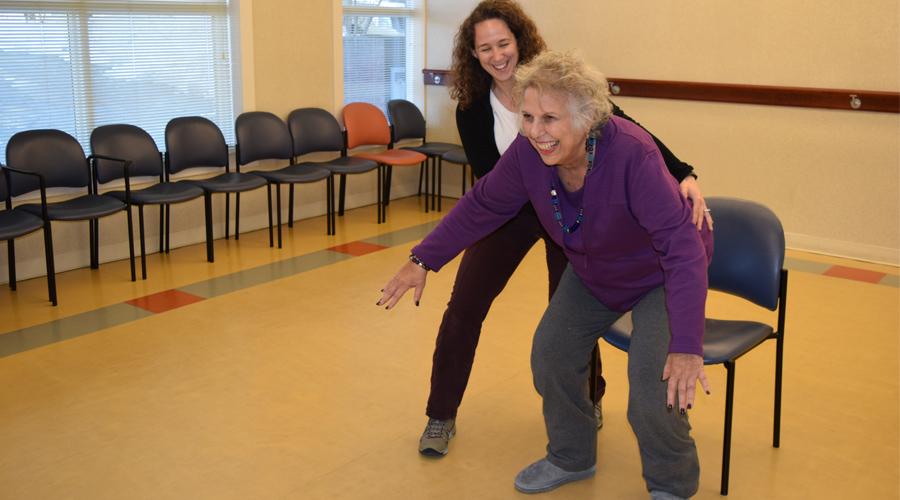
1. Exercise. Regular exercise keeps you flexible, improves your balance and stamina, and increases your muscle strength. Here are some simple exercises you can do anywhere that can help prevent falls. If you prefer group exercise, Iona offers a number of fitness classes and groups with trained professionals with experience teaching older adults, including yoga, tai chi, core/cardio, and more.

2. Talk to your doctor. Some chronic health conditions (such as osteoporosis, Parkinson’s disease, hearing loss, and vision loss) and medications can increase the risk of falling or getting injured in a fall. Your doctor can help evaluate your risk, review and adjust your medications, and recommend screenings or trainings for you. If you’re not sure how to broach the subject, the Fall Prevention Center of Excellence has some free tips.

3. Make your house safer. It can be difficult to predict conditions outside, but having a safe home base can make you feel more secure. Move or discard anything you could trip over, add grab bars or railings in your bathroom and stairs, add light fixtures to increase visibility, and more. The DC Office on Aging’s Safe at Home Program might help you afford in-home safety measures, if needed.

4. Stay aware of your surroundings. It’s hard to control or predict your environment outside the house, but that doesn’t mean you can’t make some small changes to reduce fall risk:

a. Pay close attention when outside, particularly to where you step—avoid places you might trip or slip, such as broken sidewalk, tree roots, wet leaves, and ice.
b. Try to go outside during daylight or to well-lit places, and get your vision checked regularly, including updating your glasses prescription if necessary.
c. Choose shoes with low heels and good traction.

5. Prepare for the possibility of falling. Knowing what to expect can make it less scary if a fall does happen. If you think you might be alone when a fall happens, purchase a personal emergency response system (PERS) or other medical alert device. AARP has a guide on choosing a system here.

Review techniques for getting up after a fall, such as this sheet from the Wisconsin Institute of Aging. To prepare for the possibility of injury or admission to a hospital after a fall, get familiar with the hospitals in your area, update your documents with any current medications and allergy information, and identify some emergency contacts, including a health care advocate or medical note-taker who could accompany you to the hospital.

These are important steps to take in general to age well, but they can especially reduce stress and confusion in the event of a serious fall.

Free Fall Risk Screenings in DC

On Friday, September 21, the National Council on Aging is hosting its annual Falls Prevention Awareness Day, with free falls risk talks and screenings for all DC older adults. Stop by Iona’s lobby for a flyer, or call your Ward’s DC Office on Aging wellness center site for information and to pre-register:

Ward 1
Bernice Fonteneau Senior Wellness Center
3531 Georgia Avenue, NW
Washington, DC 20011
(202) 727-0338

Ward 2
St. Mary’s Court
725 24th Street, NW
Washington, DC 20037
202-223-5712

Ward 3
Satterlee Hall, St. Alban’s Episcopal Church
3001 Wisconsin Avenue, NW
Washington, DC 20016
202-895-9448

Ward 4
Hattie Holmes Senior Wellness Center
324 Kennedy Street, NW
Washington, DC 20011
(202) 291-6170

Ward 5
Model Cities Senior Wellness Center
1901 Evarts Street, NE
Washington, DC 20017
(202) 635-1900

Ward 6
Hayes Senior Wellness Center
500 K Street, NE
Washington, DC 20002
(202) 727-0357

Ward 7
Washington Seniors Wellness Center
3001 Alabama Avenue, SE
Washington, DC 20020
(202) 581-9355

Ward 8
Congress Heights Senior Wellness Center
3500 Martin Luther King, Jr. Avenue, SE
Washington, DC 20032
(202) 563-7225

Feedback for Iona