
Is your home prepared for aging in place?

If you’re looking to age in your own home—or, are helping your parents do so—determining whether your home is safe is a first priority. That can be easier said than done, however, when you don’t know what to anticipate for the future.

Likewise, you’re probably well aware of some challenges in your space. You might have steep stairs to the front door. Or, no main floor bathroom. But, what happens when you don’t even know what you need to be aware of?

To help you get started, take a look at these home safety questions.

You can use these questions by walking room to room and making a to-do list as you go. You might also consider looking at your space again after dark to see if poor lighting creates shadows or other challenges that you wouldn’t otherwise notice.

Stairs and Steps

  • Are any steps broken or uneven?
  • Do you have good lighting over the stairway? How about light switches at the top and bottom?
  • Are there handrails on both sides of the stairway?
  • Are the stairs themselves deep enough for your whole foot?
  • Would a ramp be feasible if it became necessary? How about installing a chairlift?

Floors

Note any fall risks and do the following:

  • Remove nonslip rugs or doormats
  • Mark any changes in floor level with reflector tape
  • Check if you have any loose or torn carpeting. You might also want to install new low-pile carpet, as that is easier for wheelchairs to navigate. Tile and other hard flooring sometimes pose a more significant fall risk.
  • Put reflector tape in hallways and bedrooms to create a path to follow at night
  • Make sure wires and electrical cords are out of the way
  • Work to declutter your space

Parking

  • Is there convenient parking available at all times (i.e. driveway or designated parking spot)?
  • Is the parking convenient to the entrance of your home?

Windows & Doors

  • How wide are the doorways and halls? Consider offsetting the door hinges to make room for a wheelchair, walker, or two people walking side by side.
  • Are windows and doors easy to open and close?
  • Are locks easy to turn and operate?
  • Is there space to maneuver while opening and closing doors?

Kitchen

  • Can you cook in the kitchen sitting down, and are the counters at the right height?
  • Does the oven, fridge, dishwasher or other appliance open easily? Are they all accessible, and do you have a step stool with handles?
  • Can you access all of your appliances easily?
  • Are appliance controls, especially stove and oven, clearly marked?

Bath

  • How easily can you get in and out of the tub or shower? Are there grab bars and a rubber-backed bathmat?
  • Do you have a bath or shower seat?
  • Do you have a hand-held shower head?

Though this list is not comprehensive, it is a good place to start. AARP also has a good Checklist for Home Safety.

Additionally, you can hire an occupational therapist, geriatric care manager, or other specialist to assess your home and make recommendations for modifications or remodeling projects.  At Iona, we call our geriatric care management services, “Iona Care Management.” You can learn more about services offered and schedule an in-home, office, or phone consultation by calling (202) 895-9448.
Community Members Embrace Iona’s End-of-Life Expo

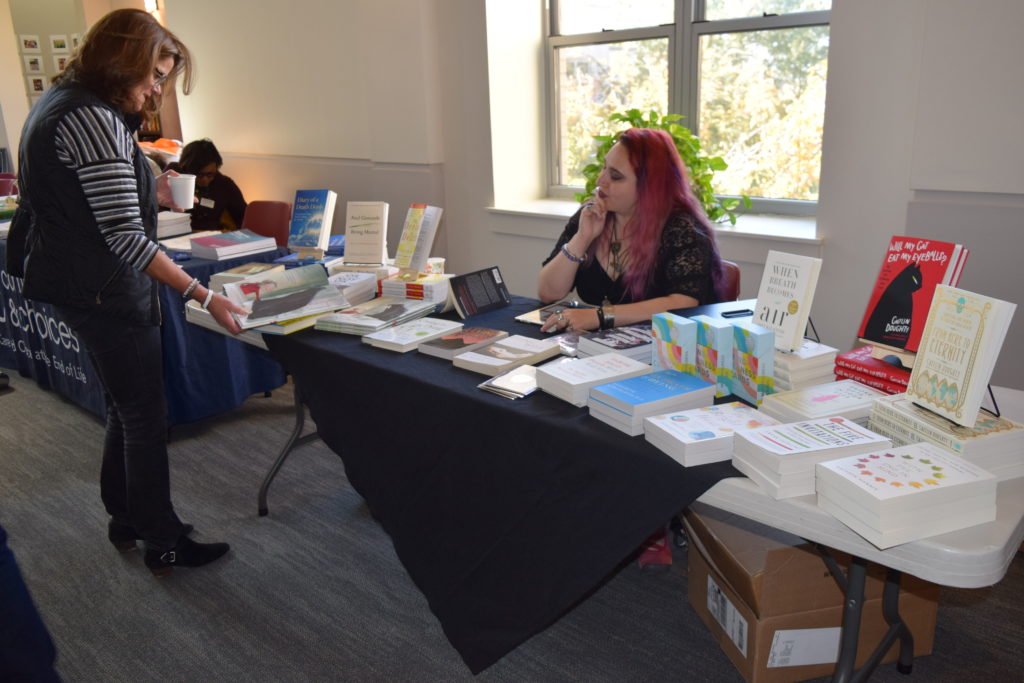
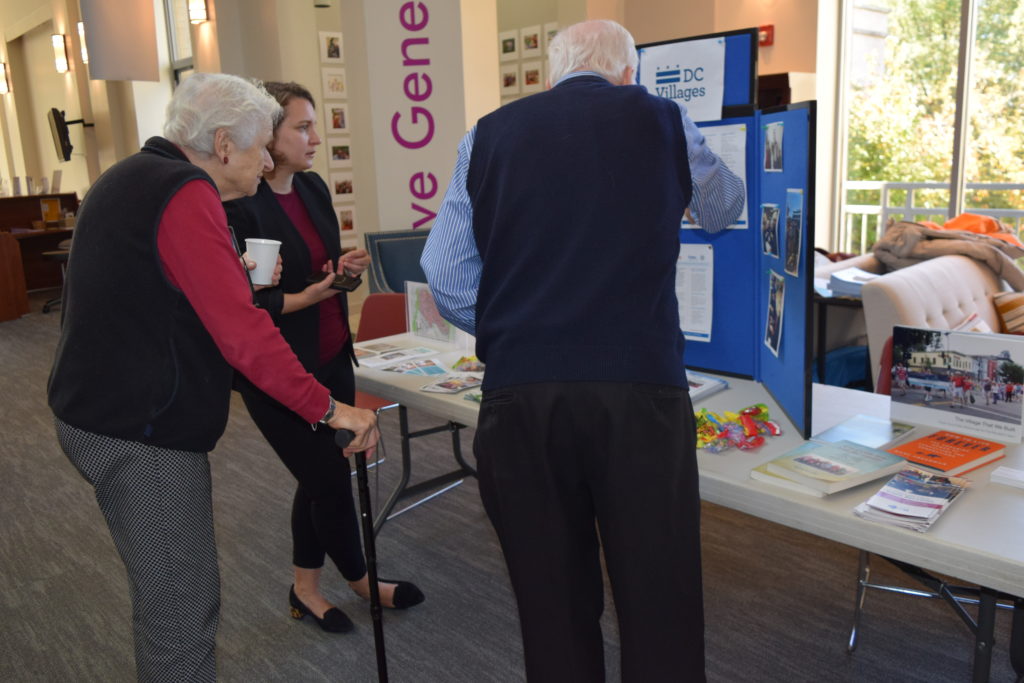
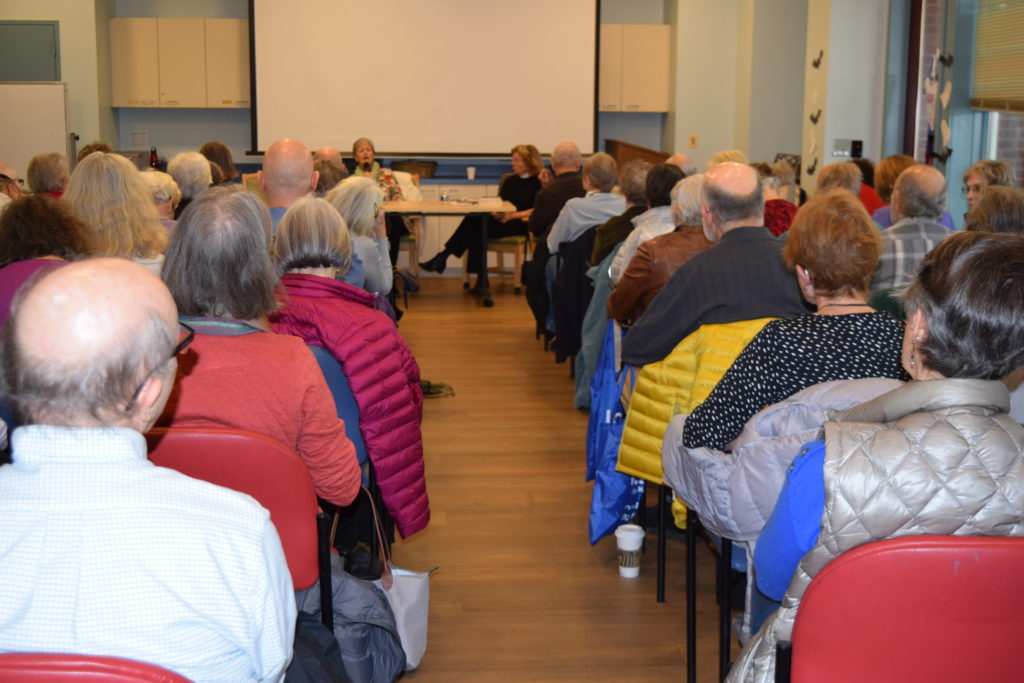
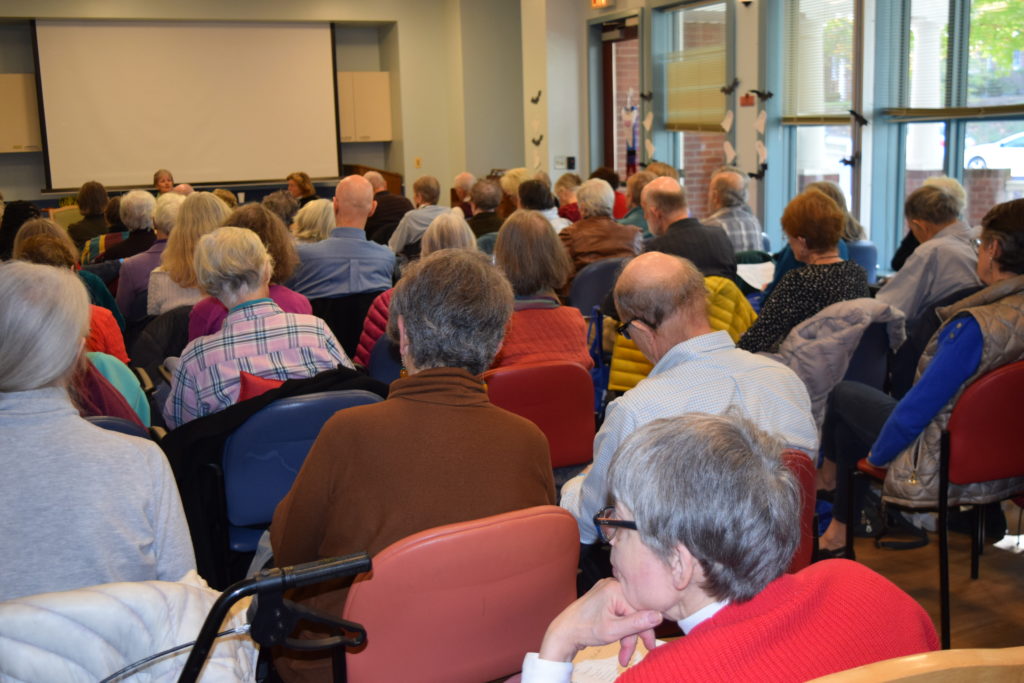
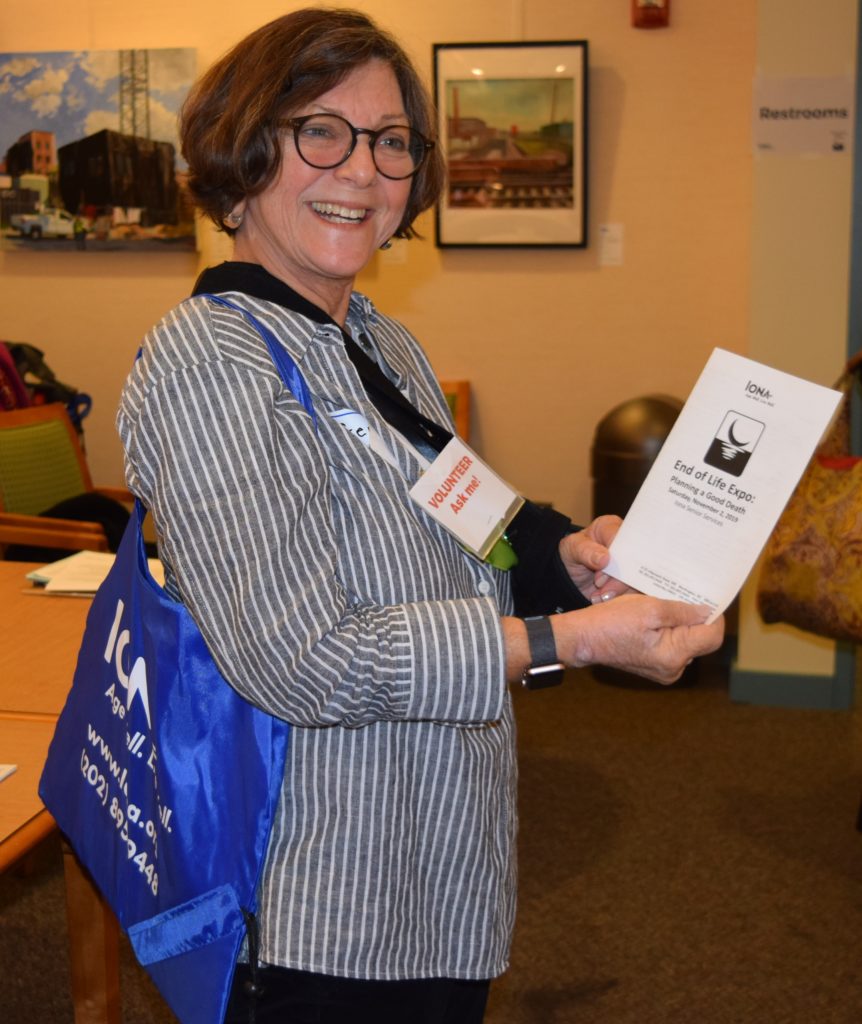
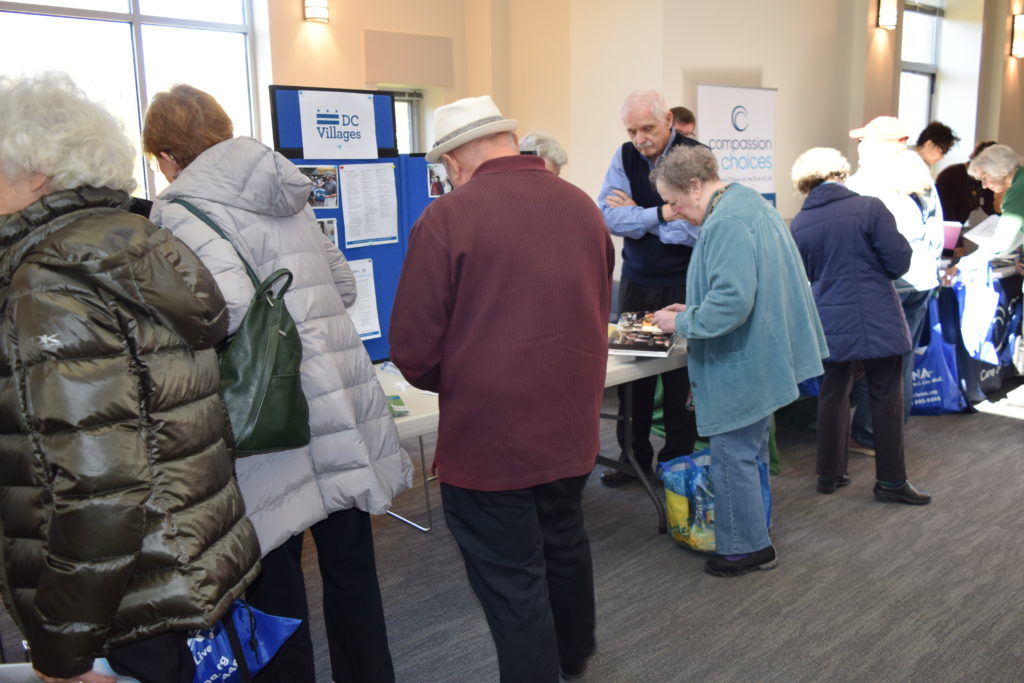
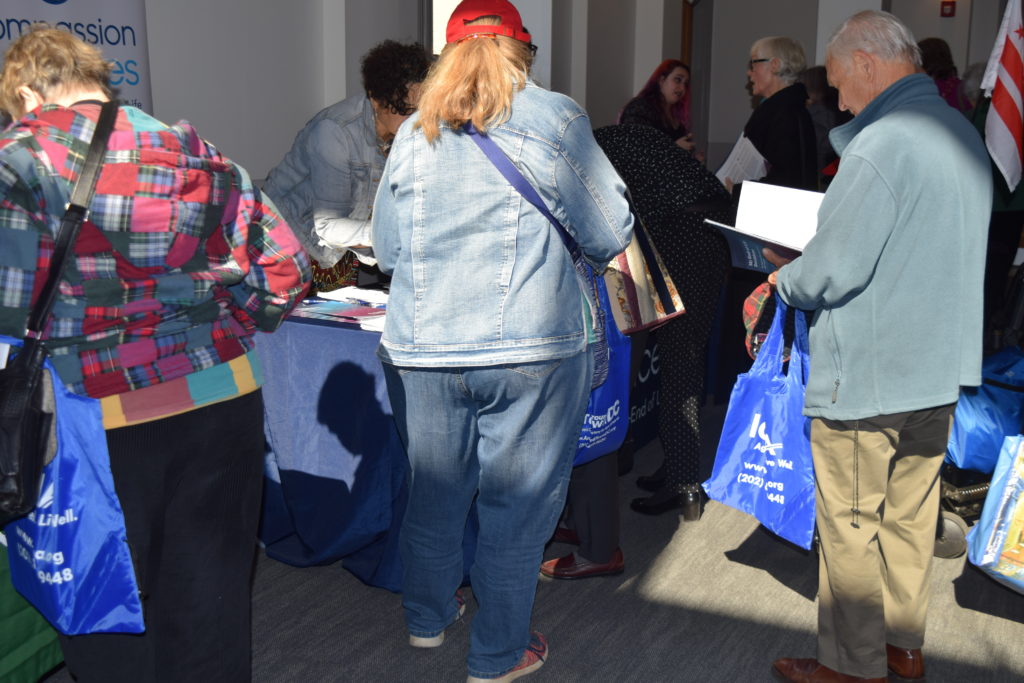
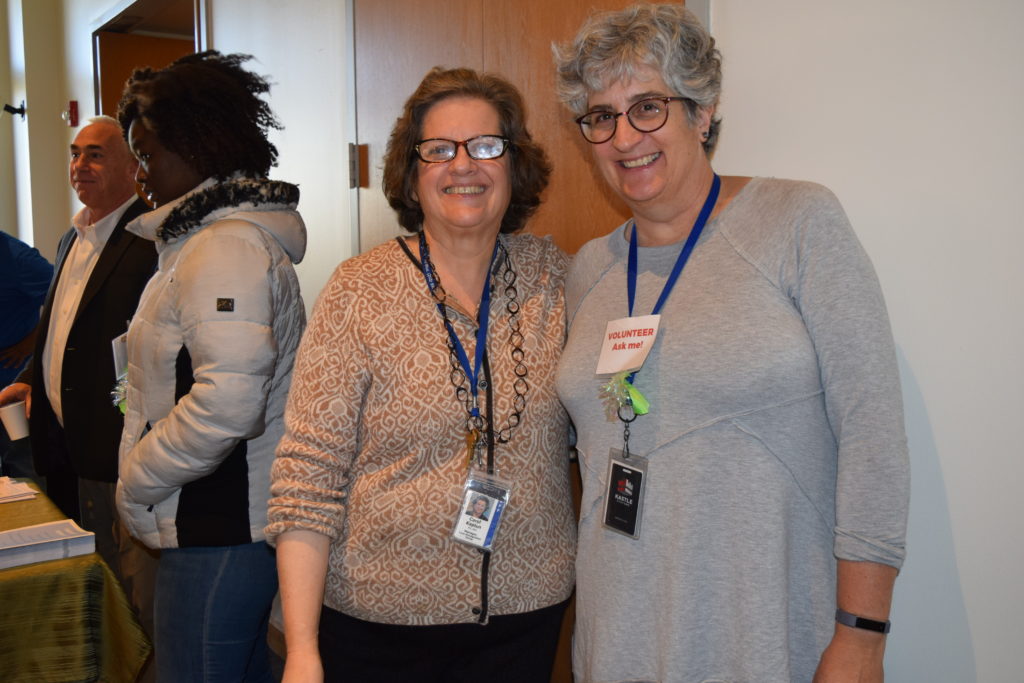
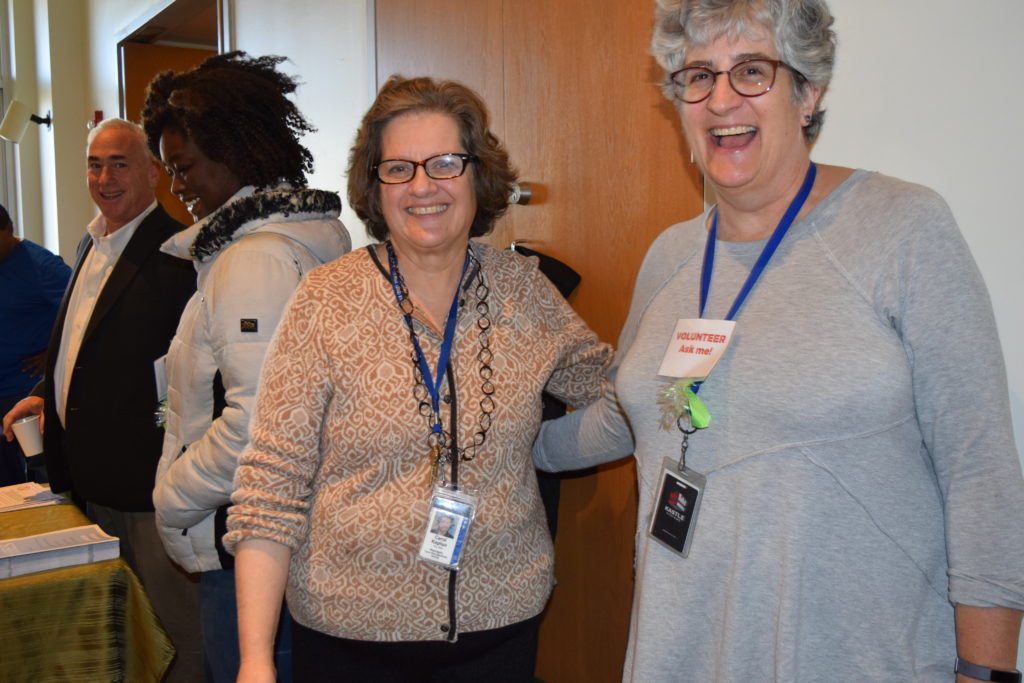
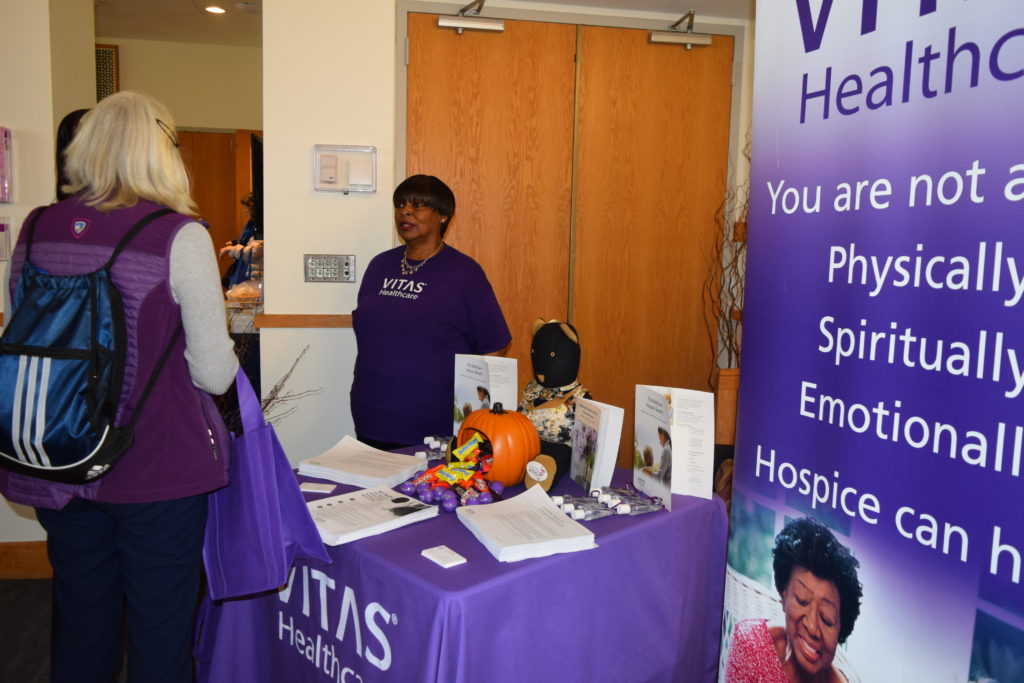
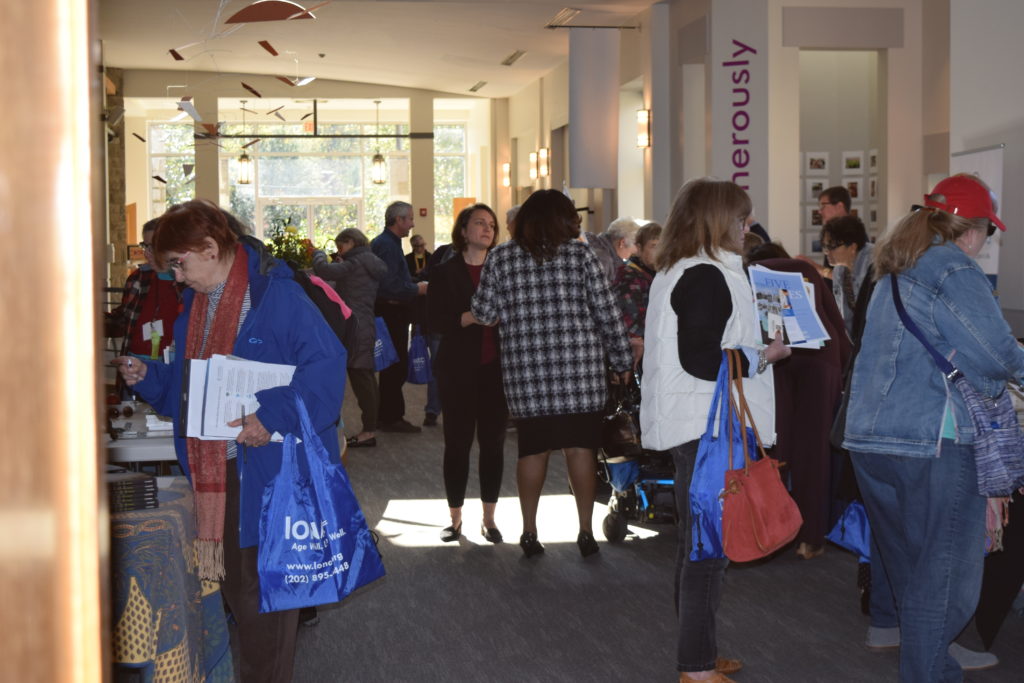
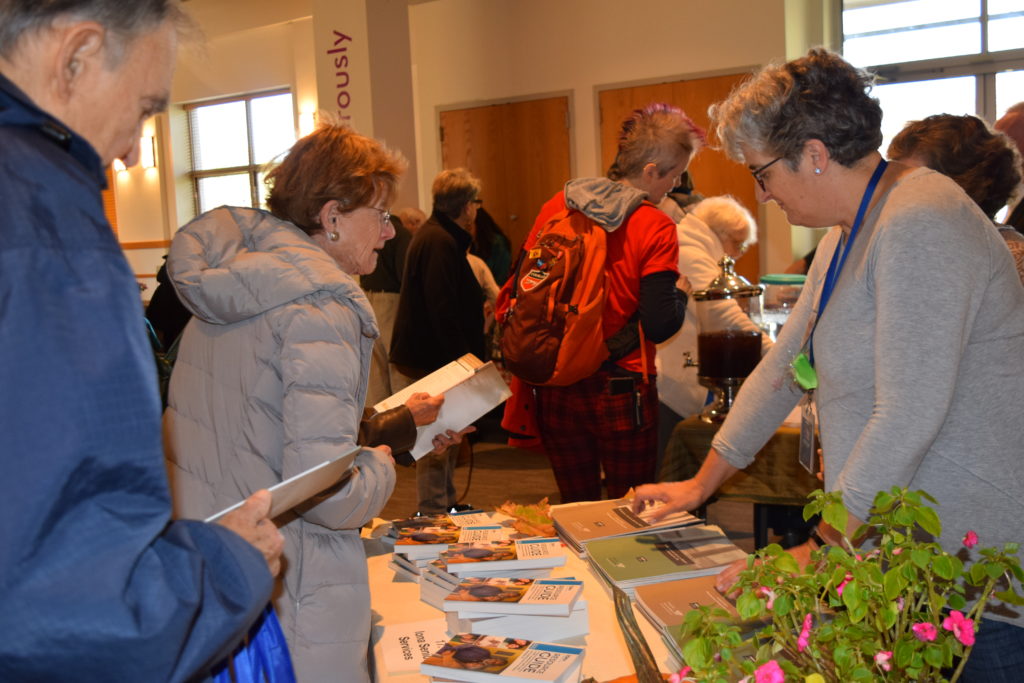
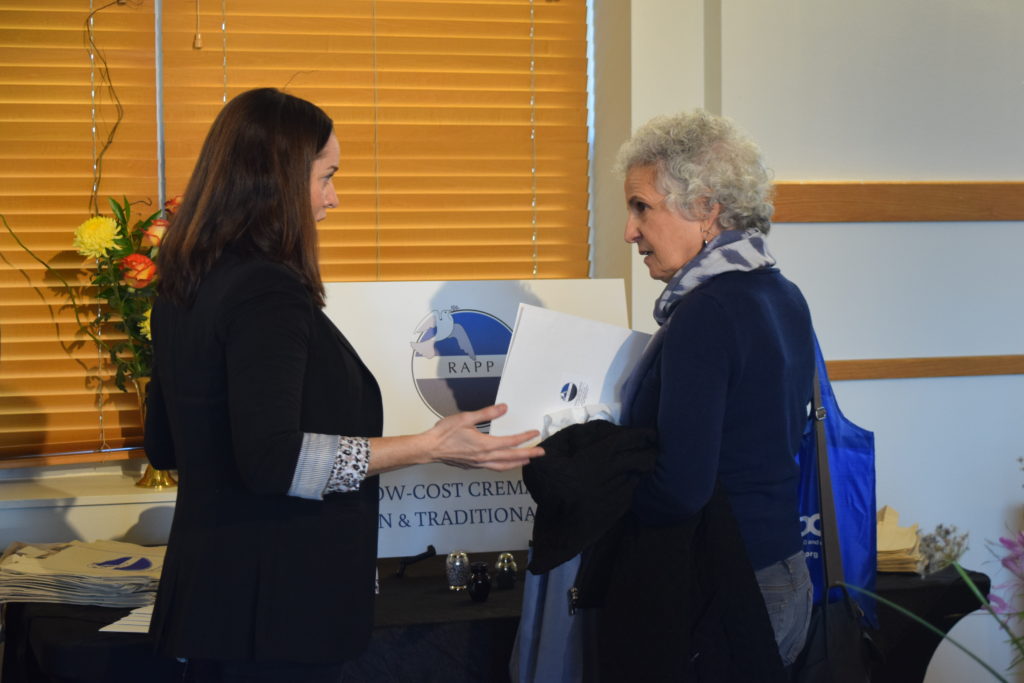
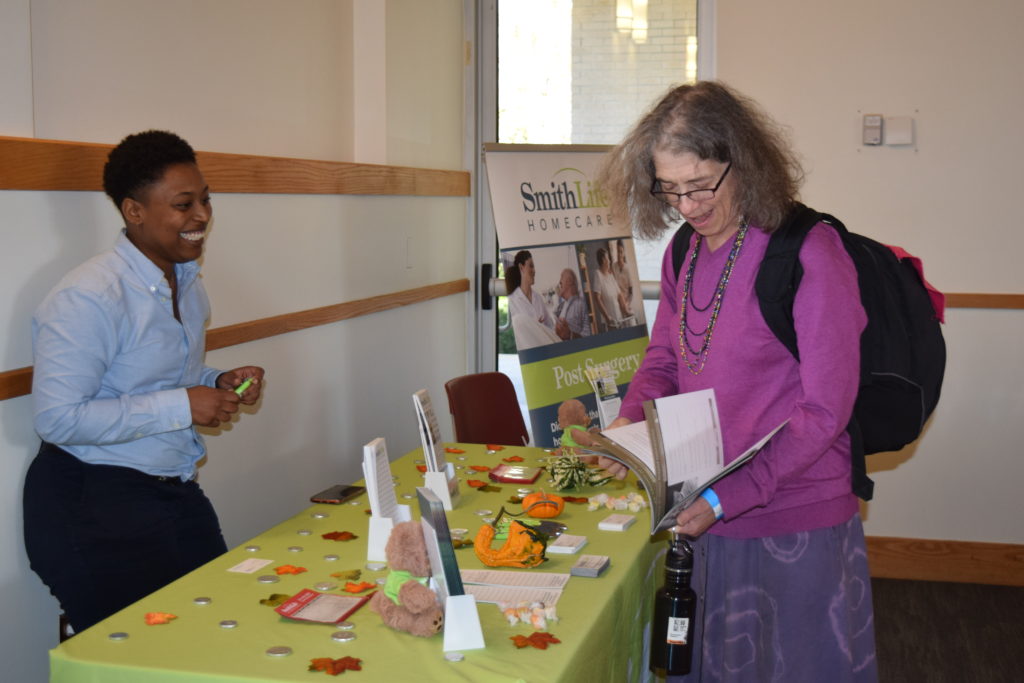
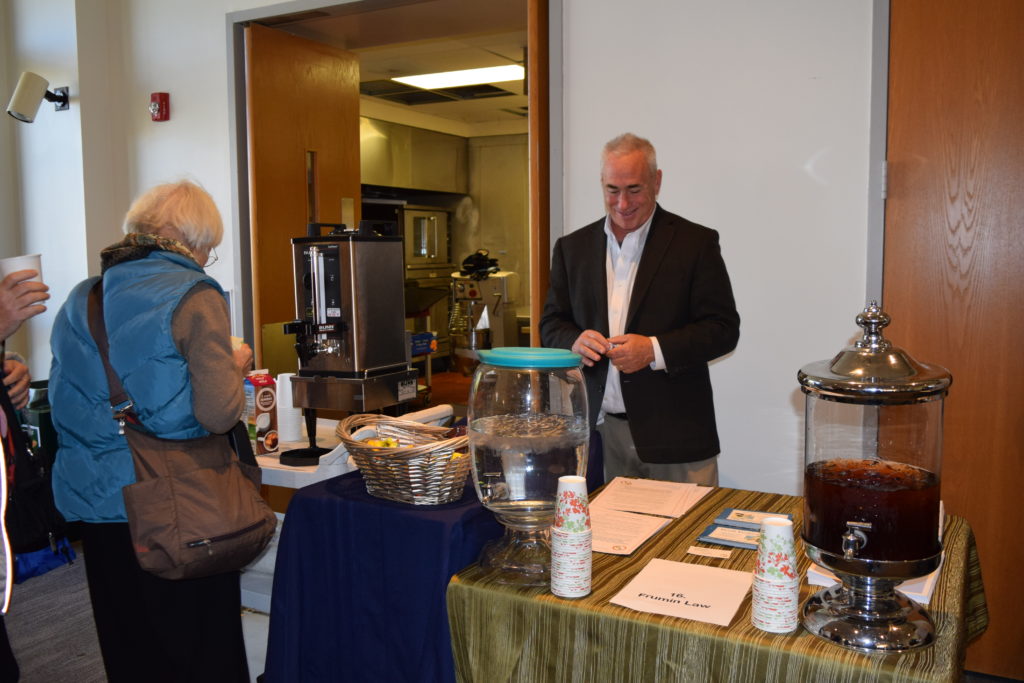
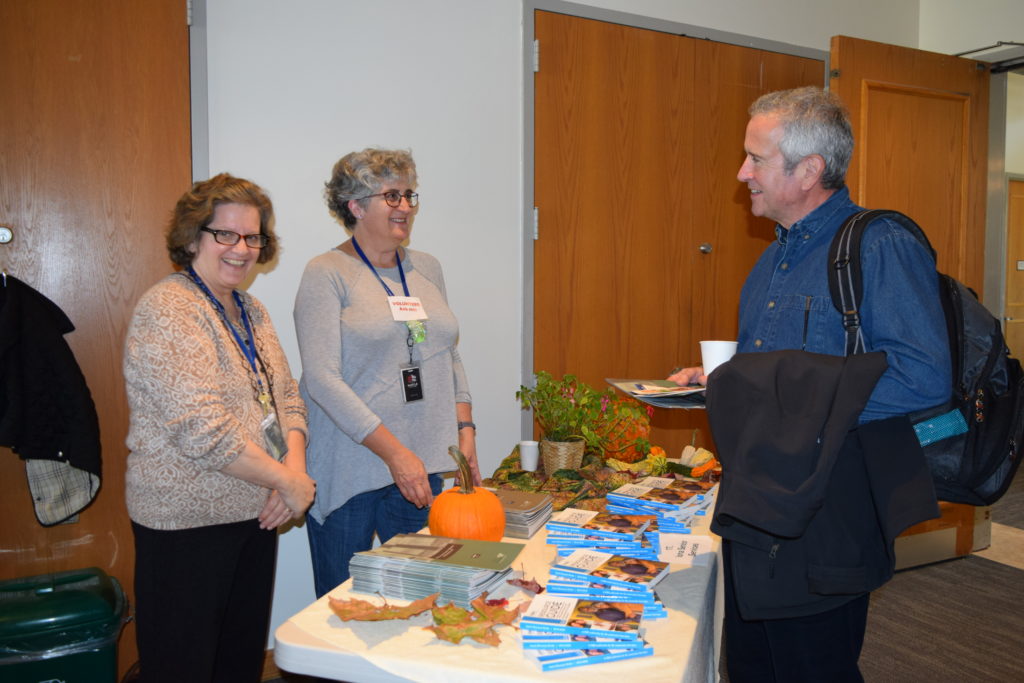
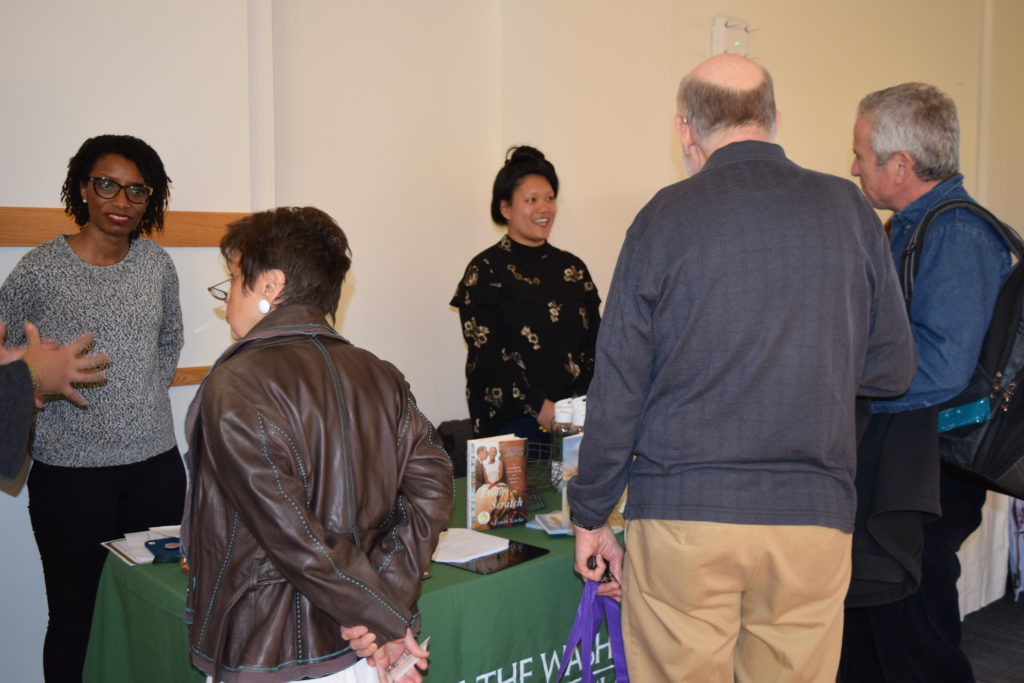
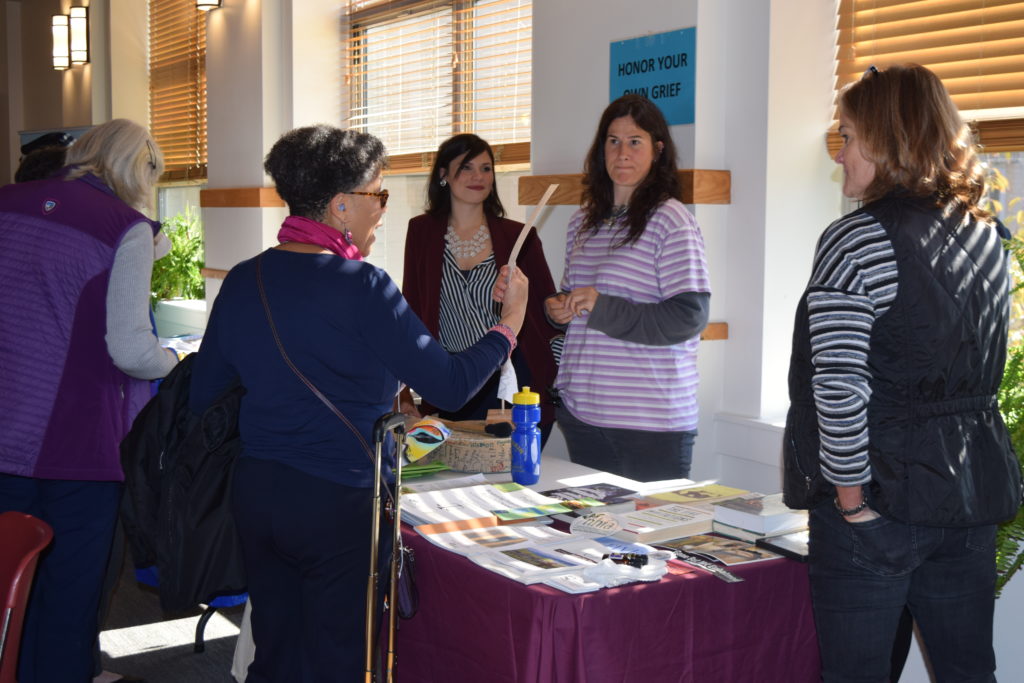
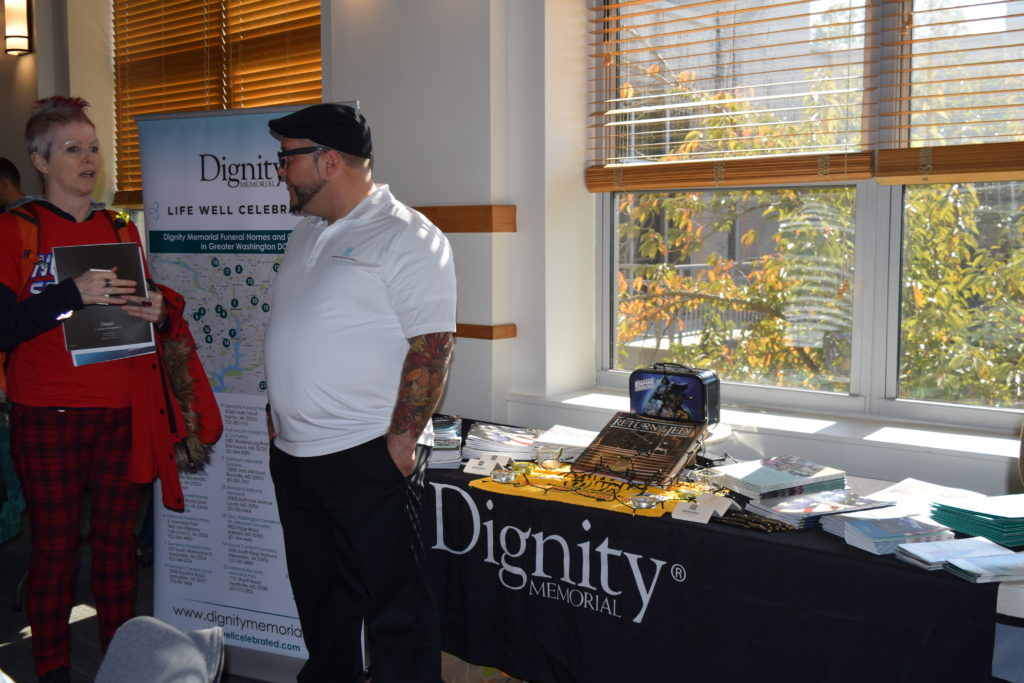
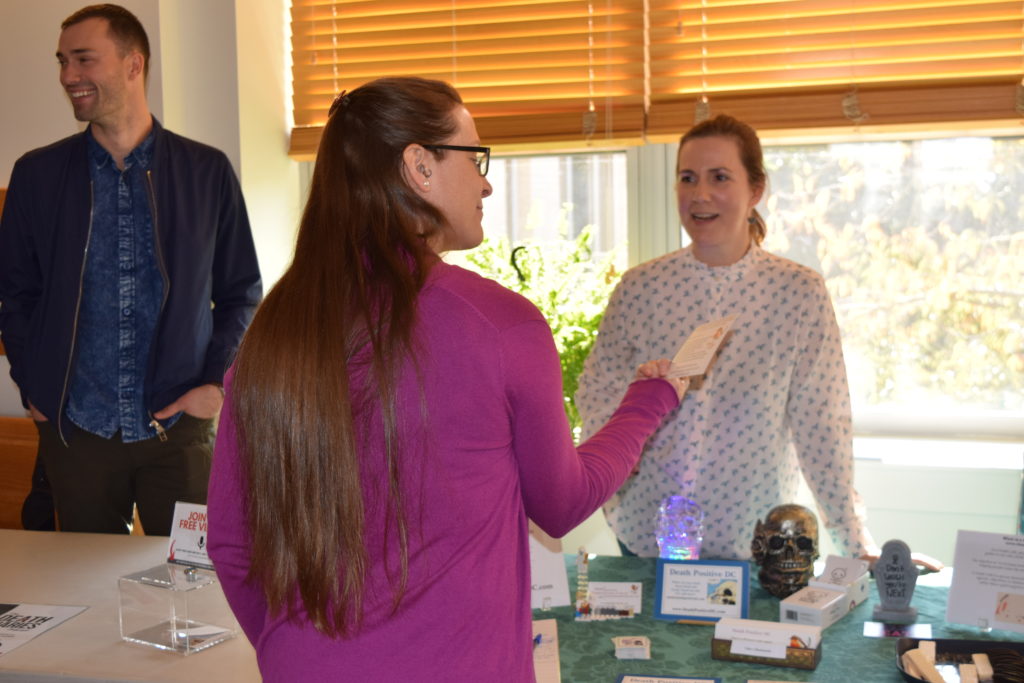
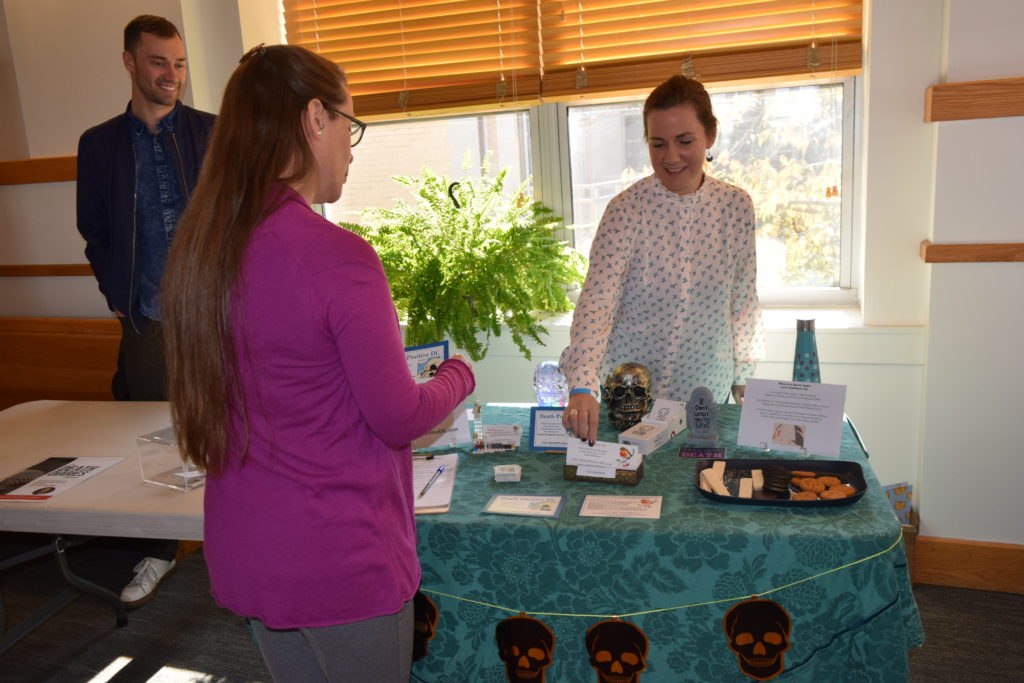
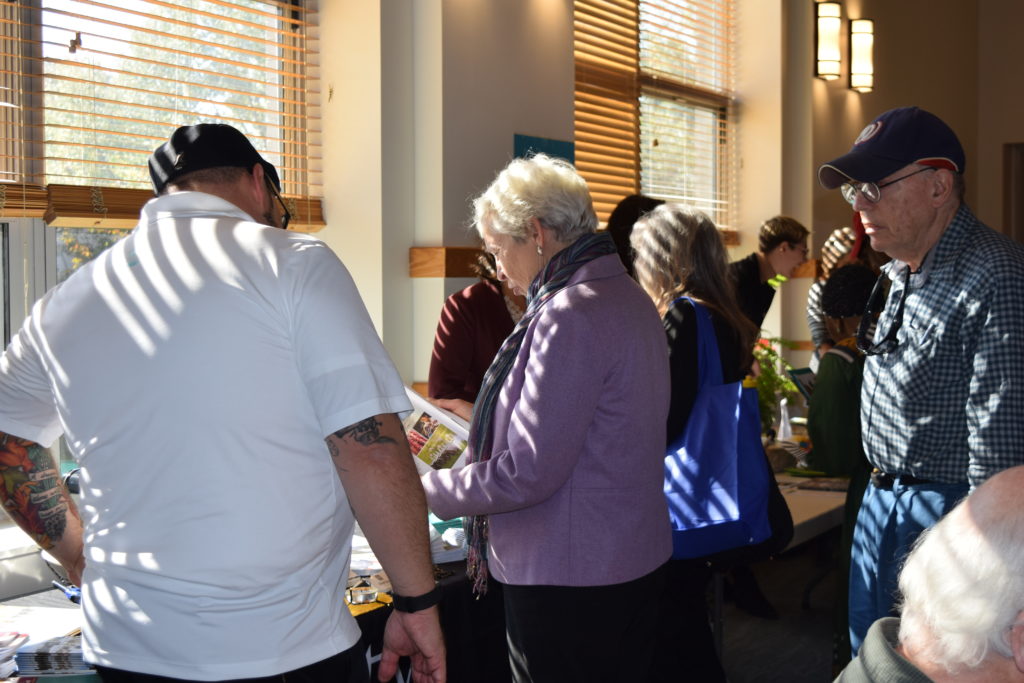
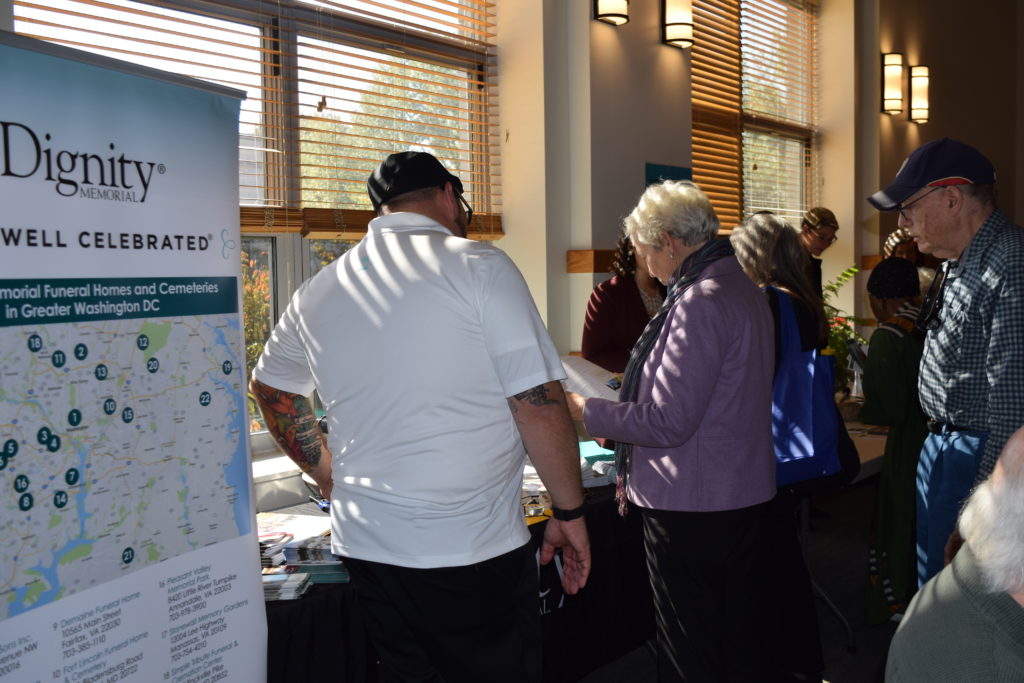
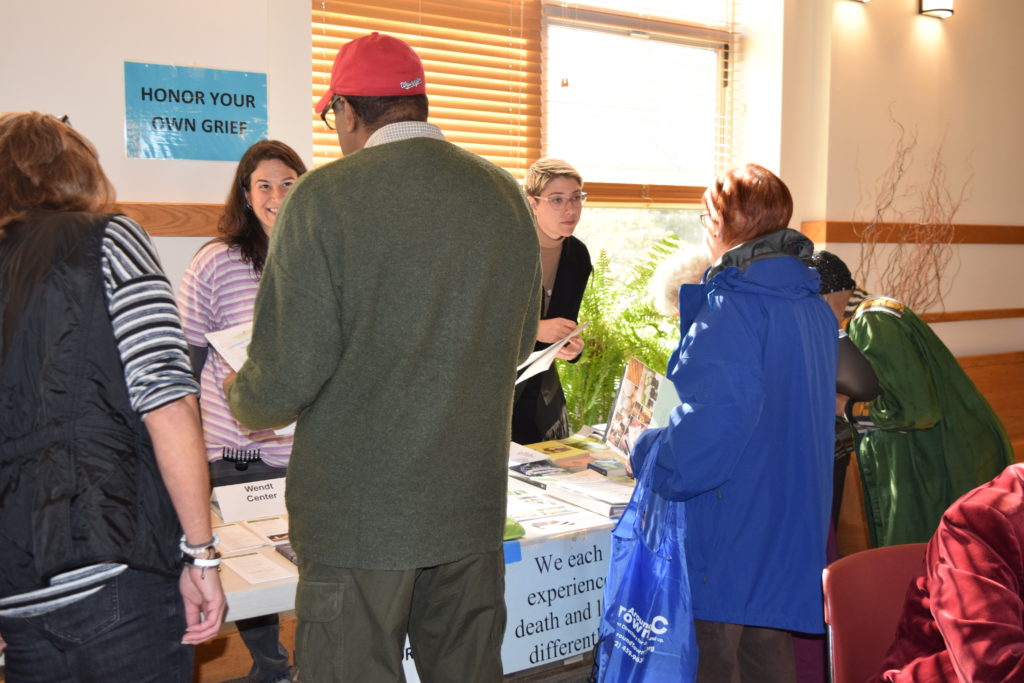
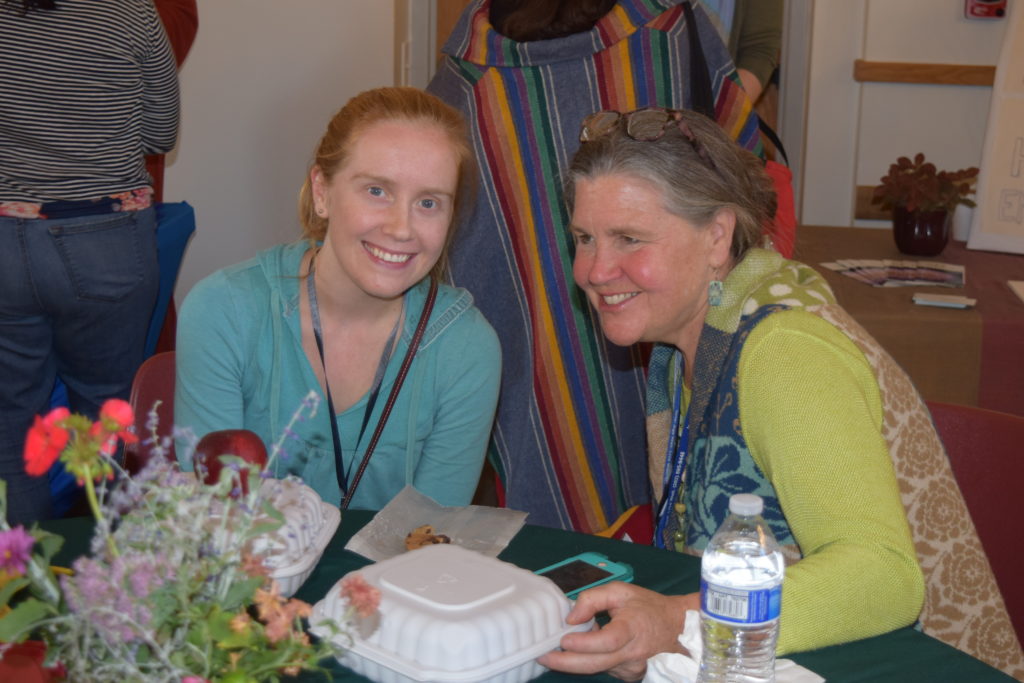
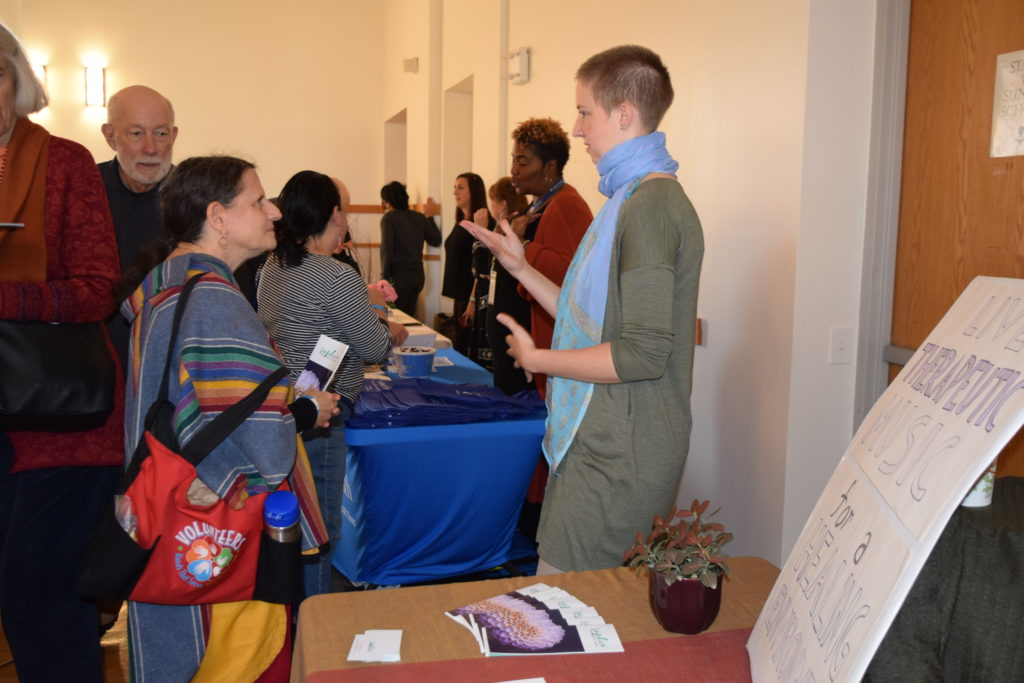
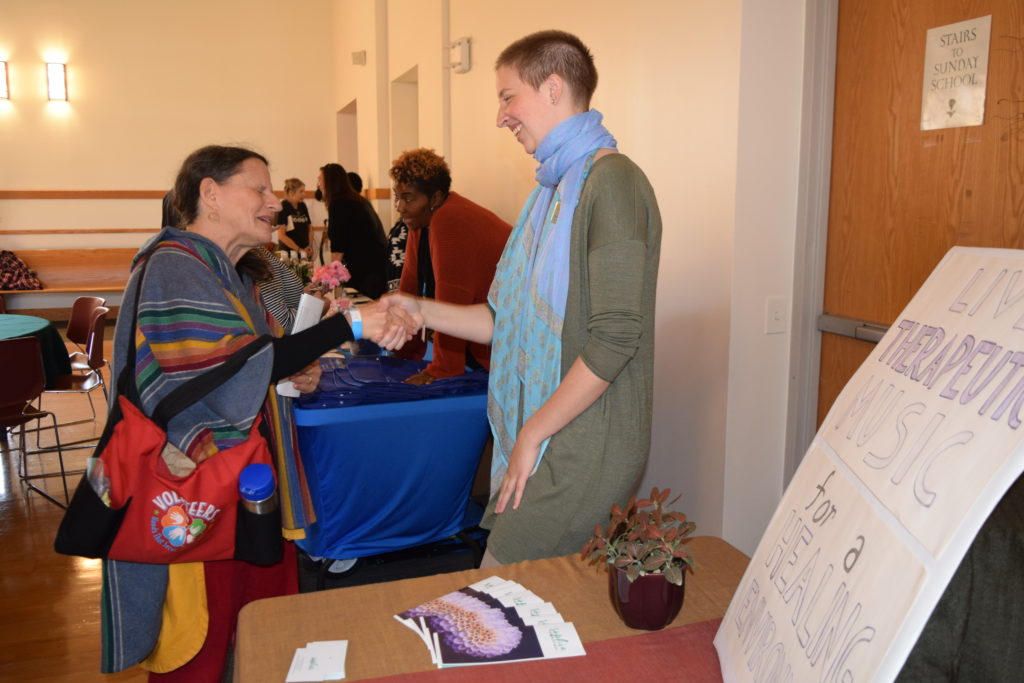
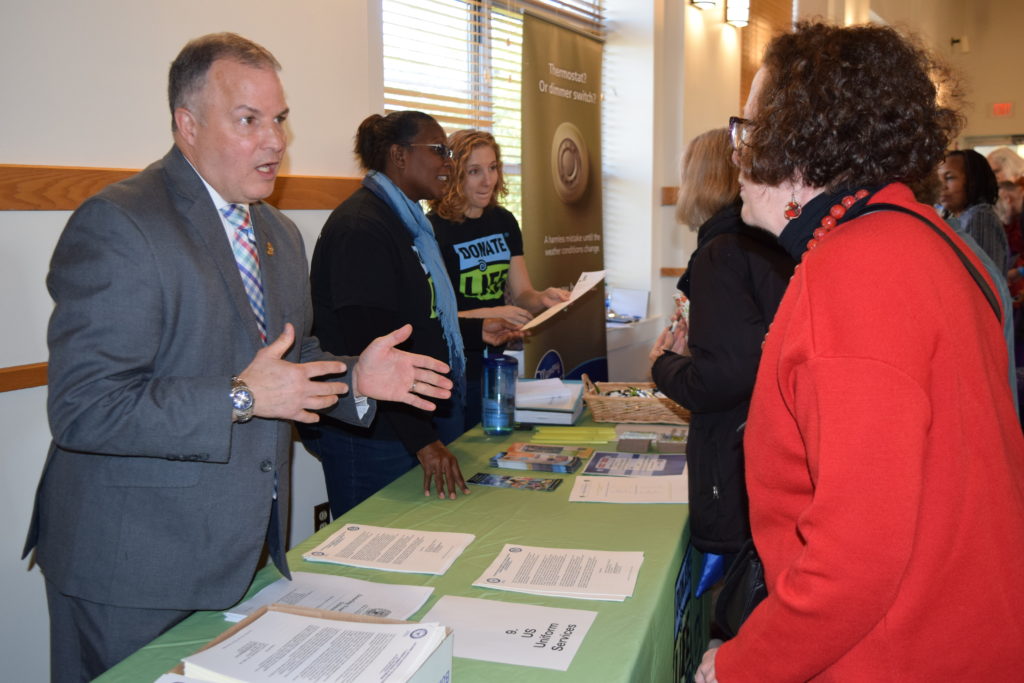
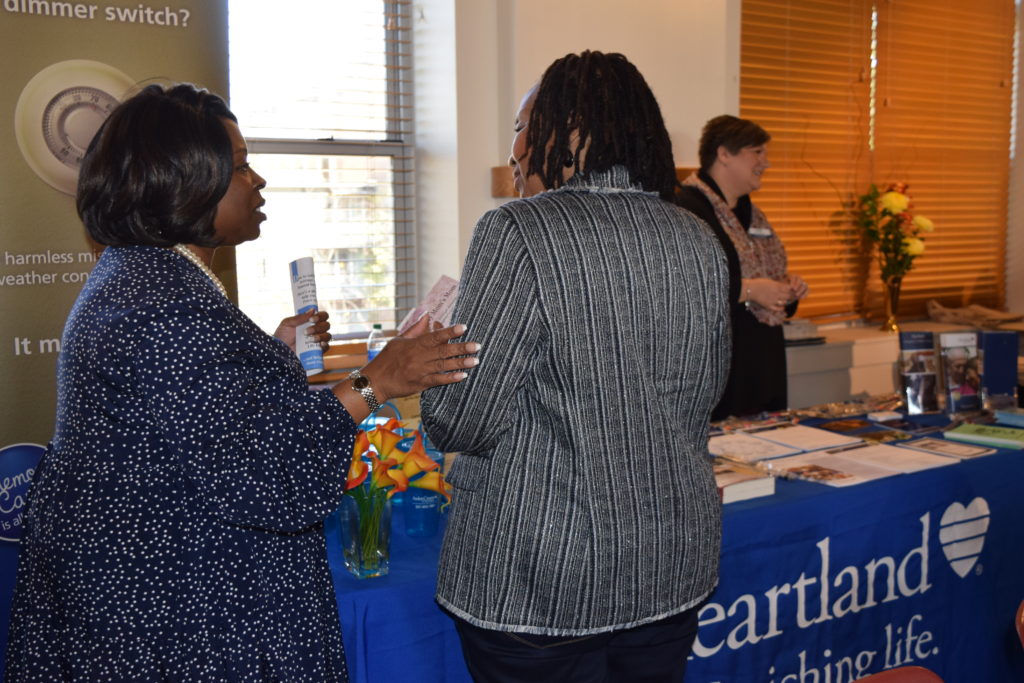
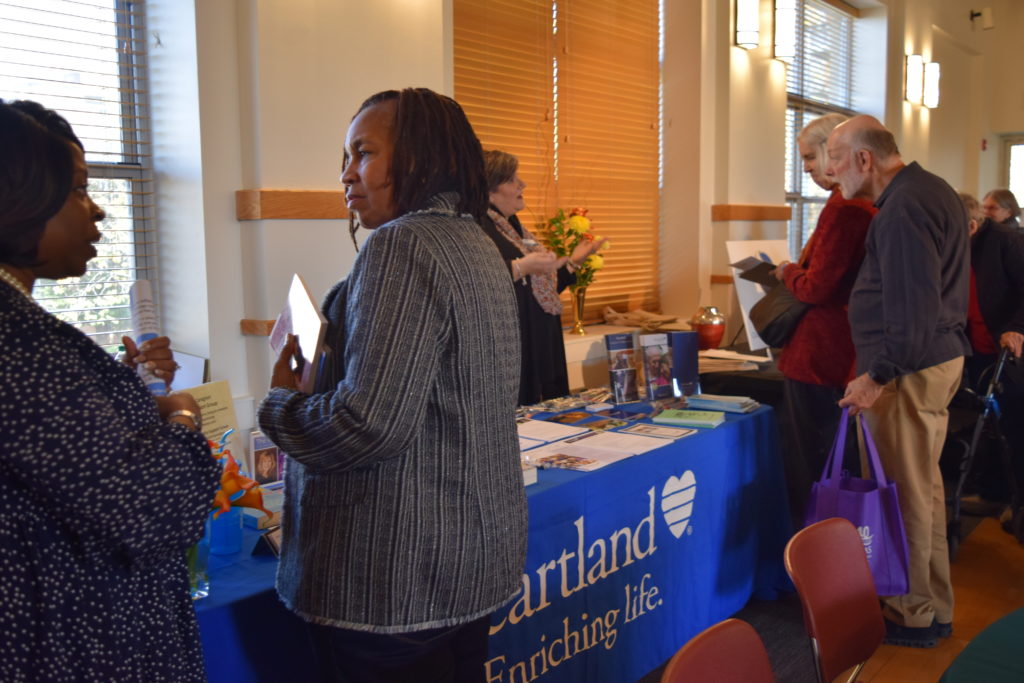
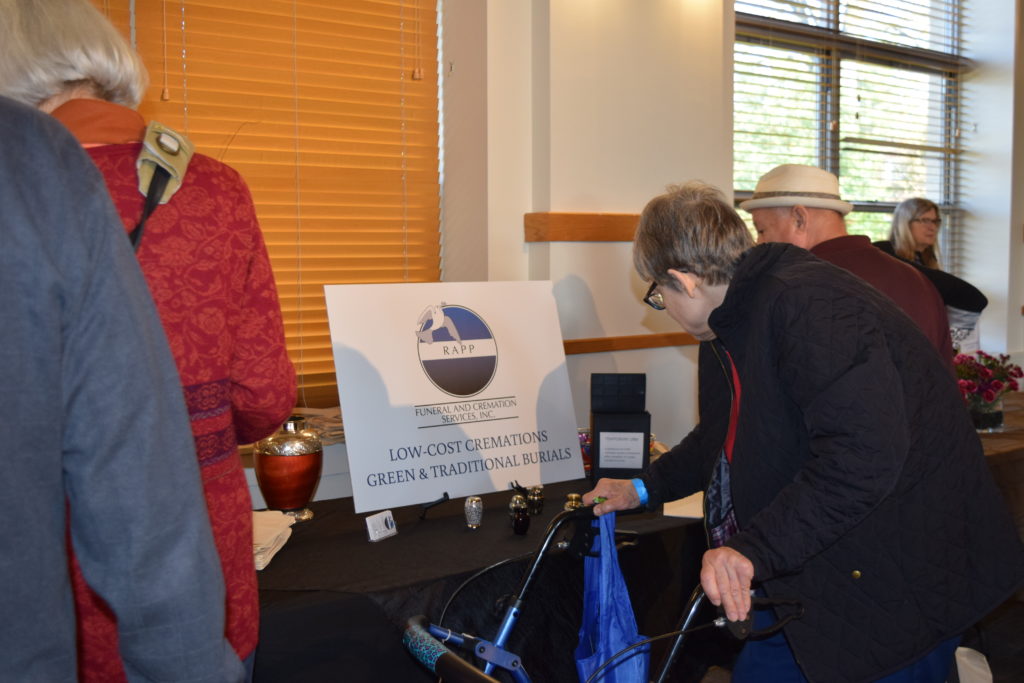
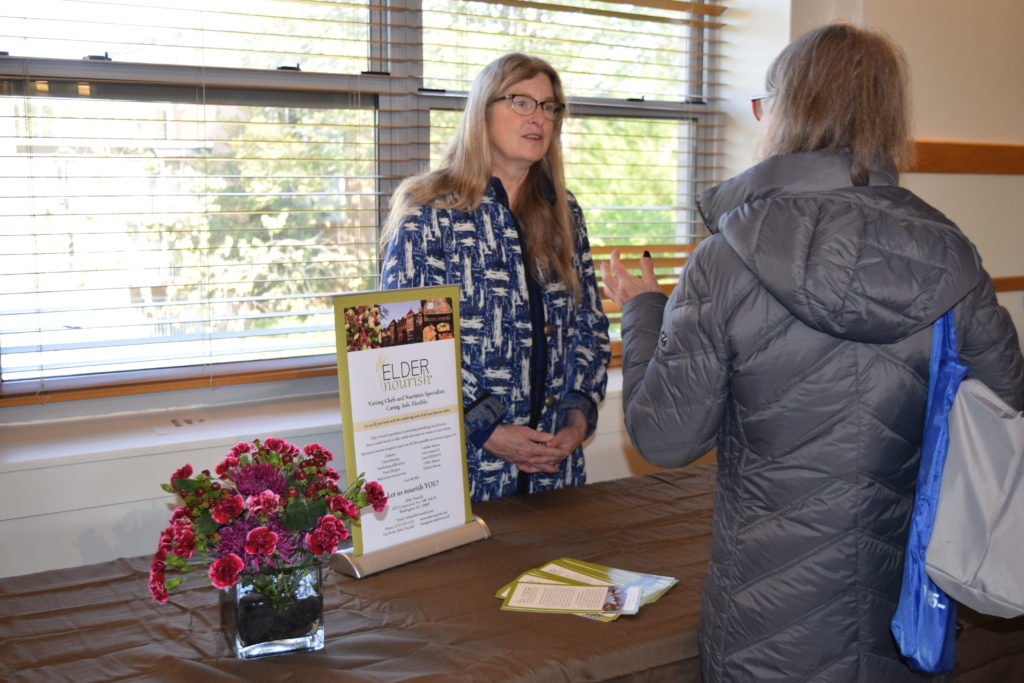
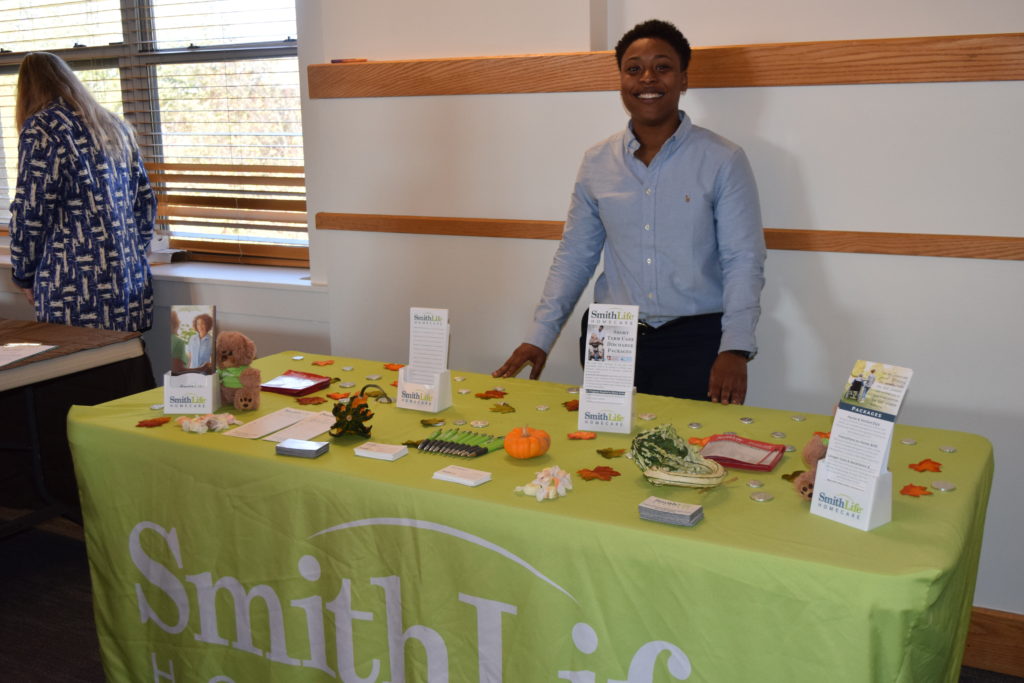
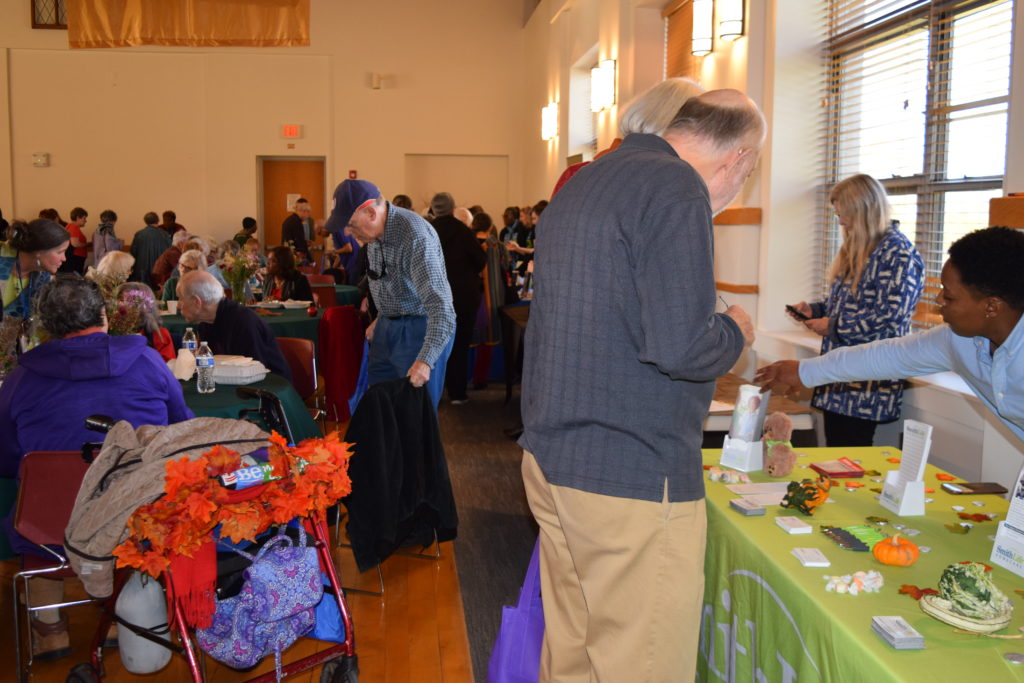
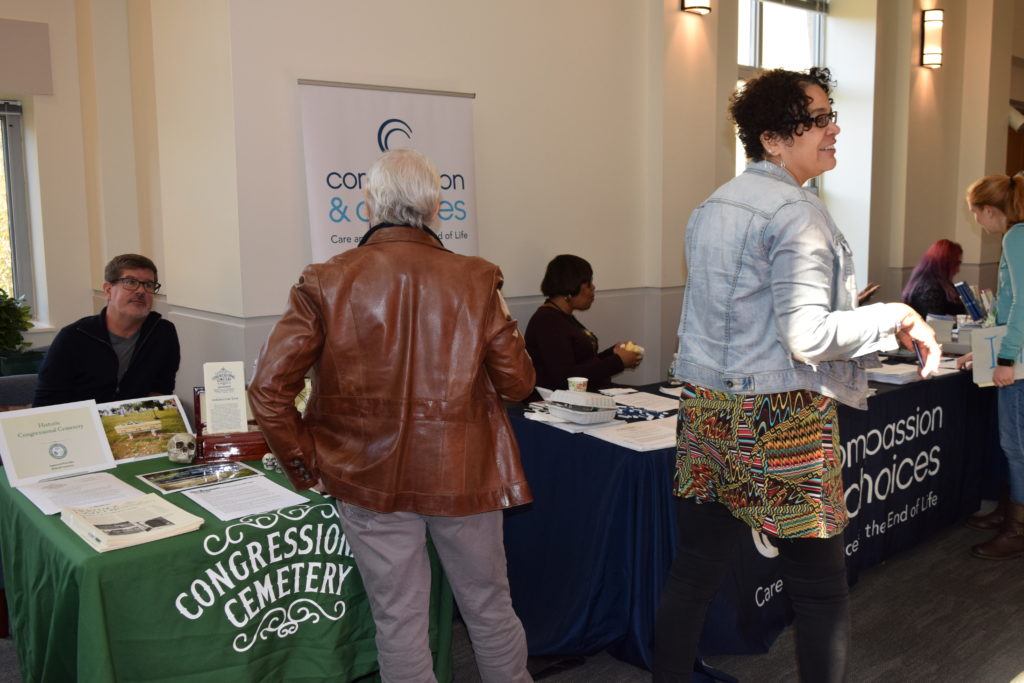
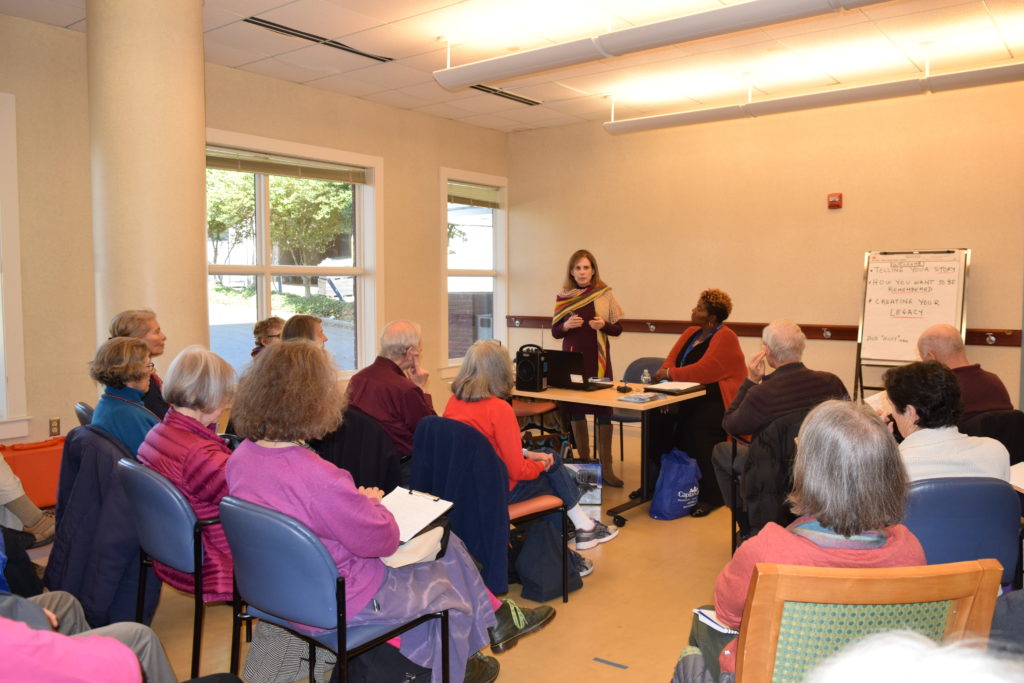
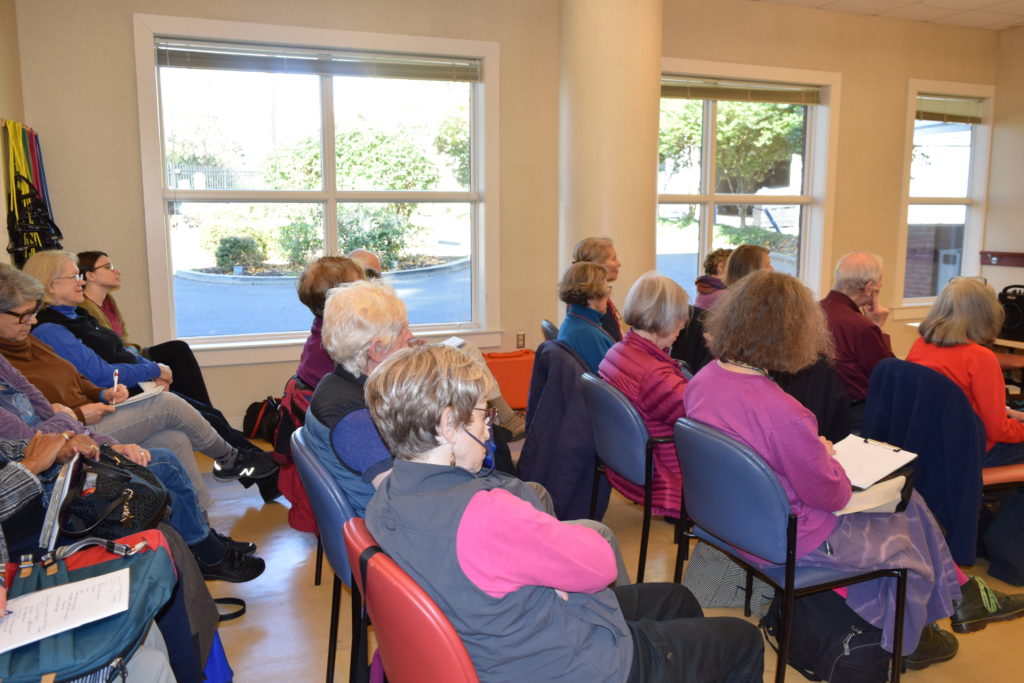
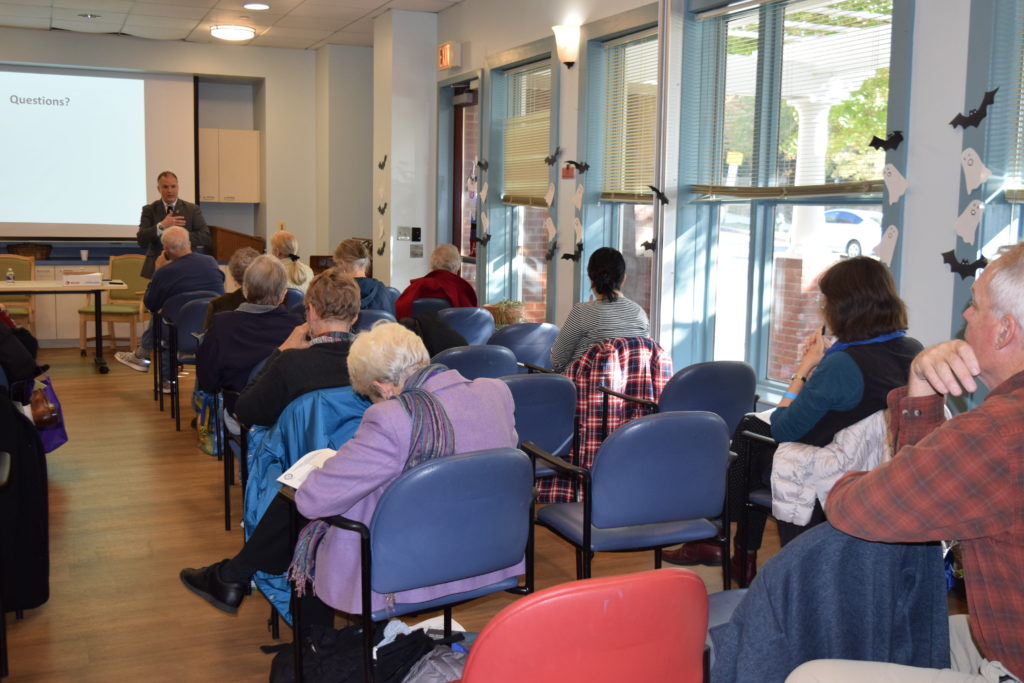
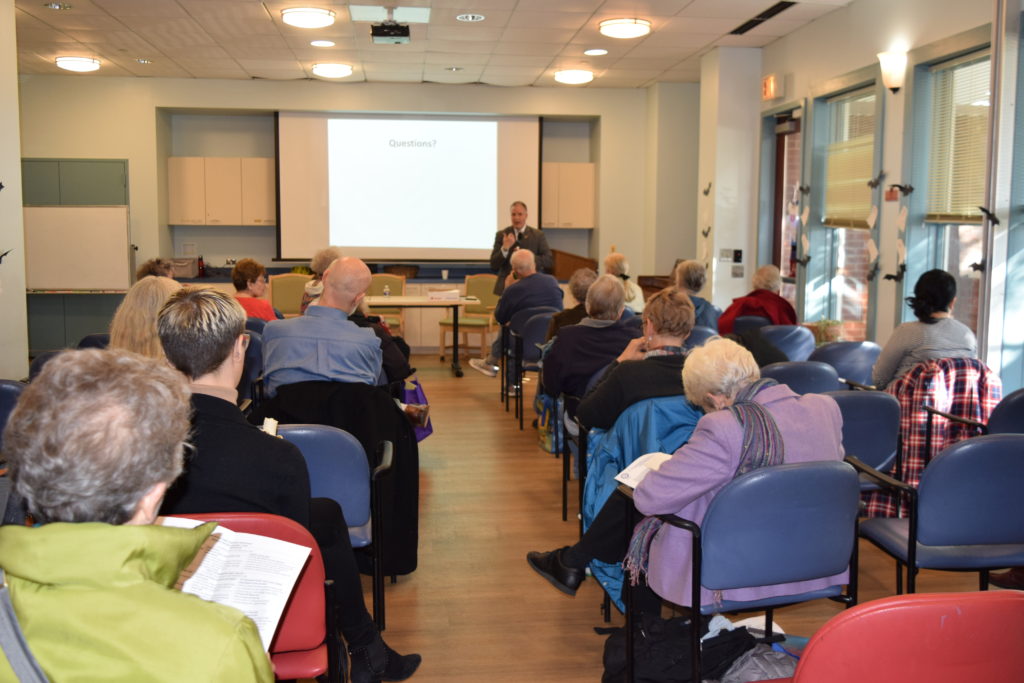
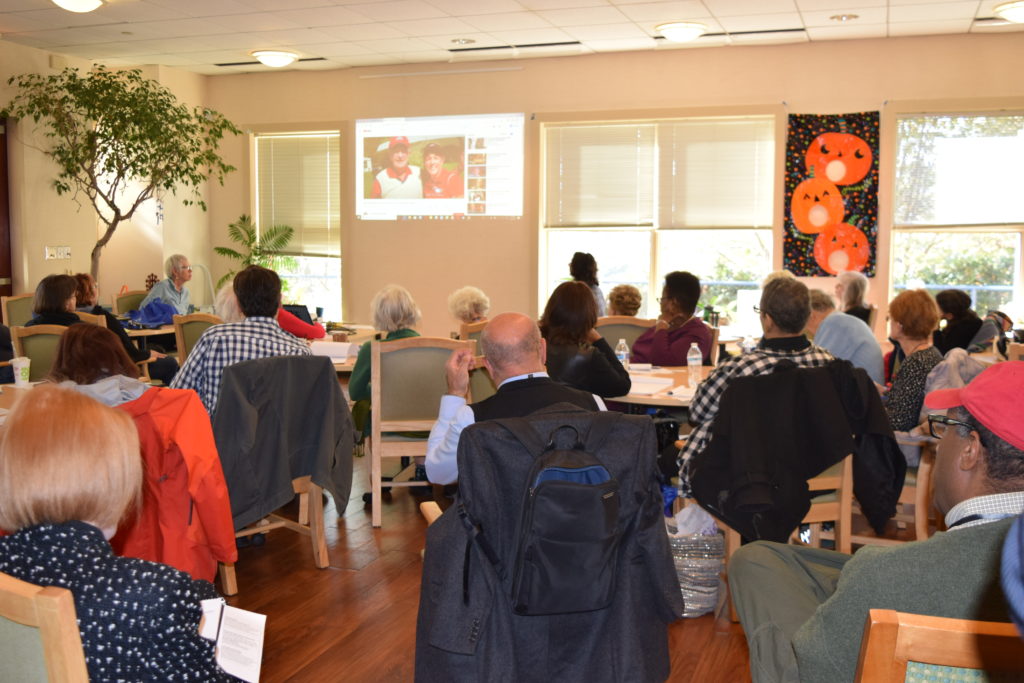
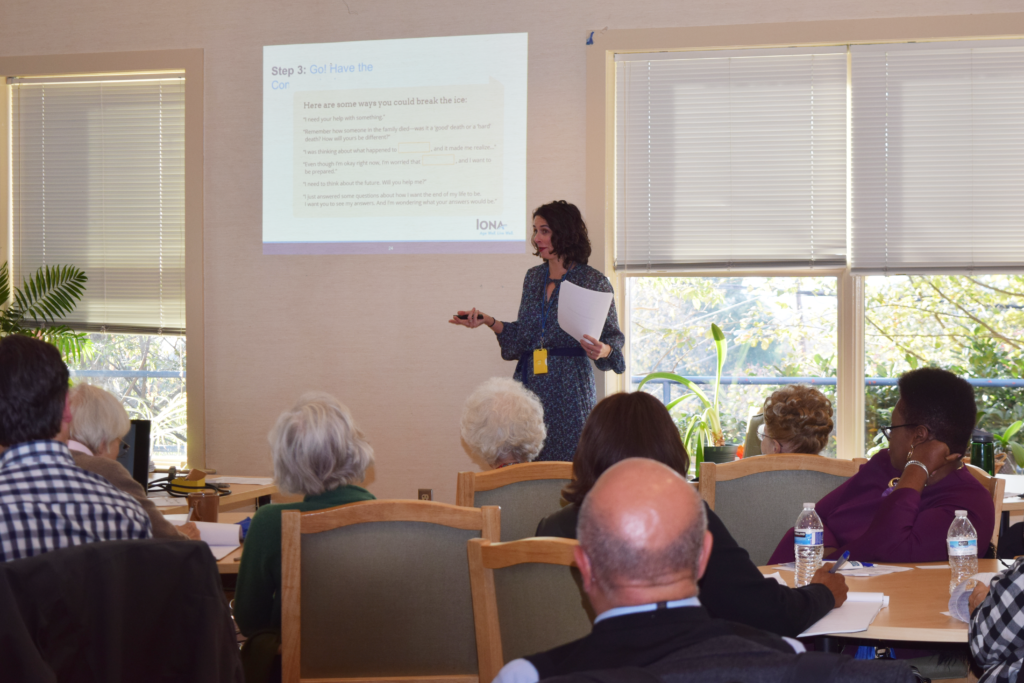
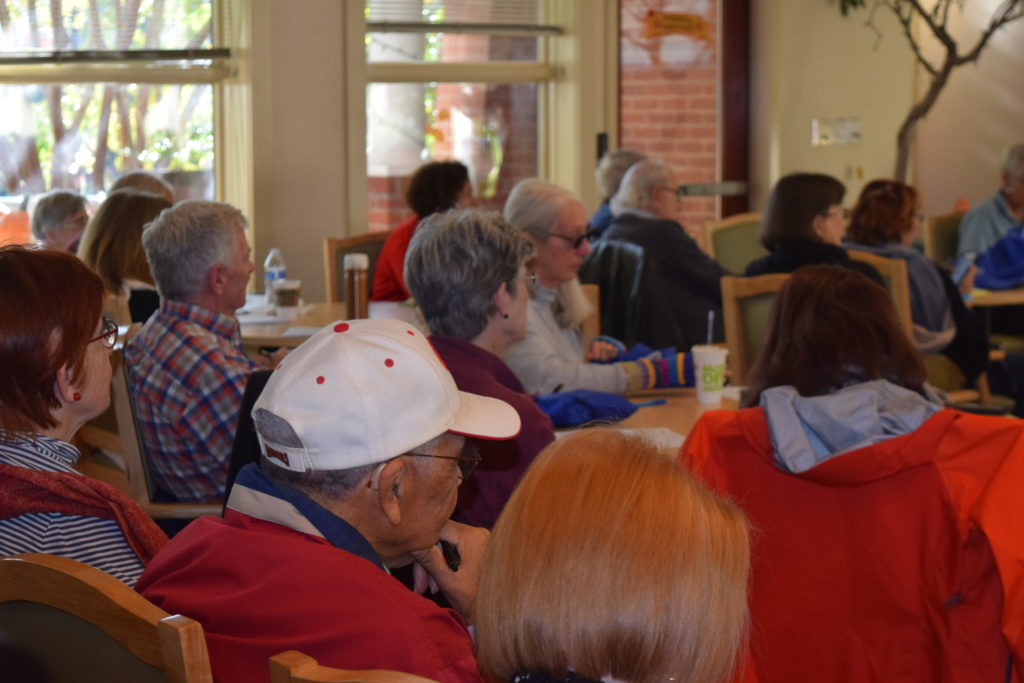
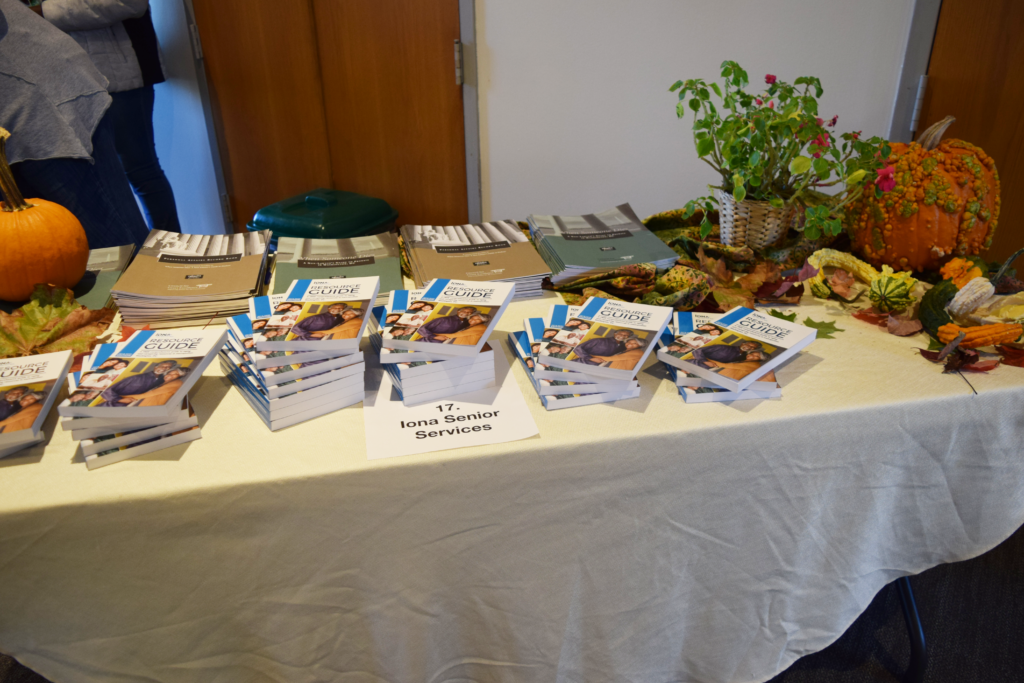
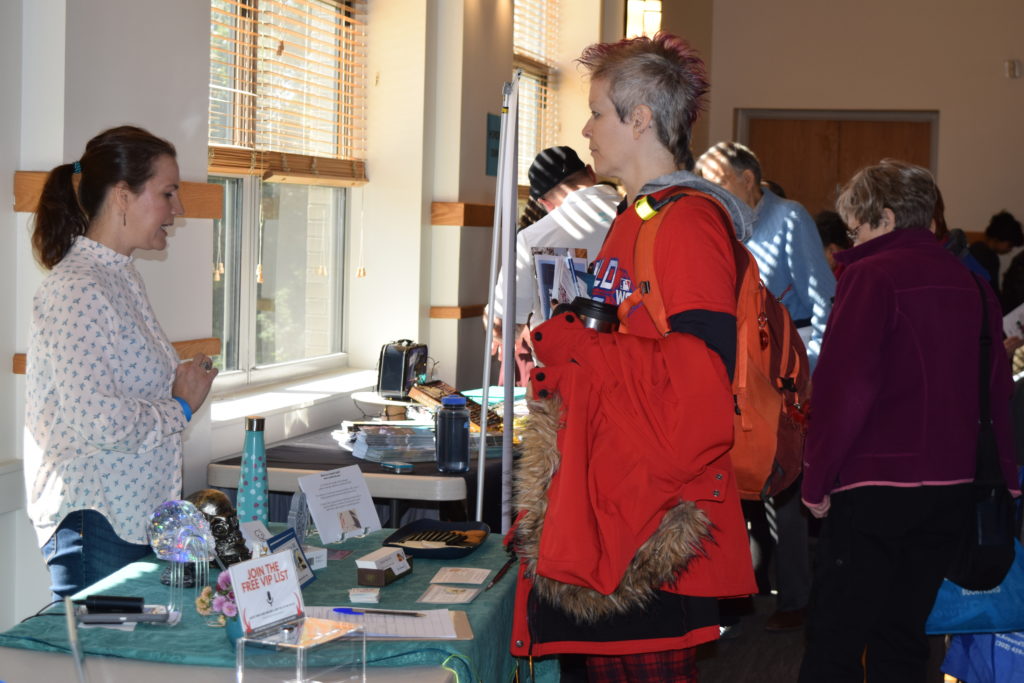
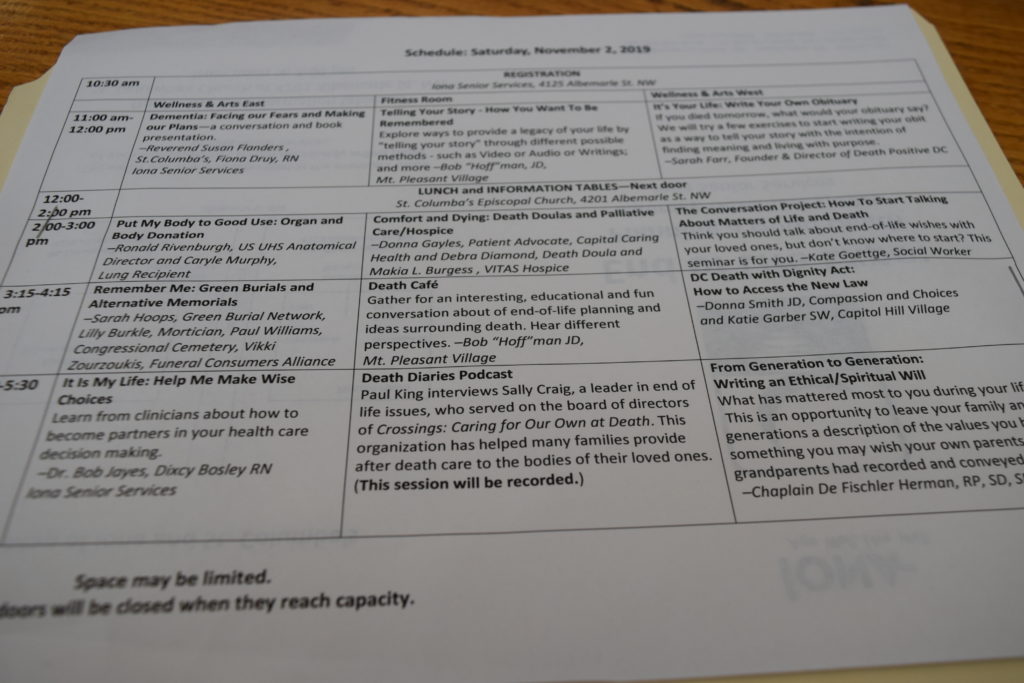
On Saturday, November 2nd, Iona hosted its first-ever End-of-Life Expo, which focused on preparing individuals for a “good death.” The Expo was open to the public and approximately 150 people were in attendance. There were 12 different sessions held with over 15 organizations. End-of-life professionals and practitioners, and older adults from all over the Washington Metropolitan Area attended the Expo. As death and end-of-life processes are often considered “taboo,” the Expo gave space for increased awareness while unveiling hidden and unknown resources. Presenters provided participants with tools, resources, and information to help them make wiser, clearer decisions, sooner, before a crisis occurs. Attendees were excited during discussions. Many were intrigued—asking questions, and engaging in group conversations.

Focal points included:

  • appointing a Power of Attorney
  • completing an Advance Directive
  • writing an obituary or living will
  • making a plan for folks who have any form of dementia
  • green or alternative burial options
  • palliative or hospice care options
  • organ and body donation, and
  • understanding DC’s law, Death with Dignity Act

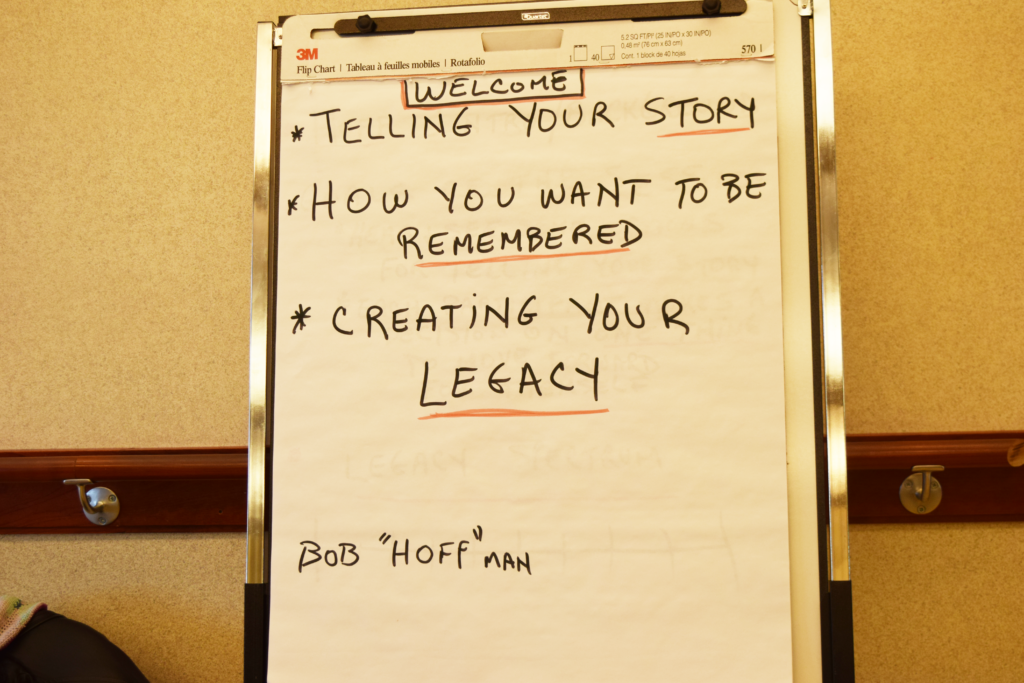
Bob “Hoff” Hoffman, in one session, led a Death Café, which is a space allowing attendees to engage openly and honestly about how they feel about death. Many shared what drew them to the Expo. Their interests were learning how to move-on after experiencing death, addressing fears related to death, and learning what their options are. A couple of quotes from attendees were, “Death is natural”, and “I’m not afraid of death; I would like to have control over it.”

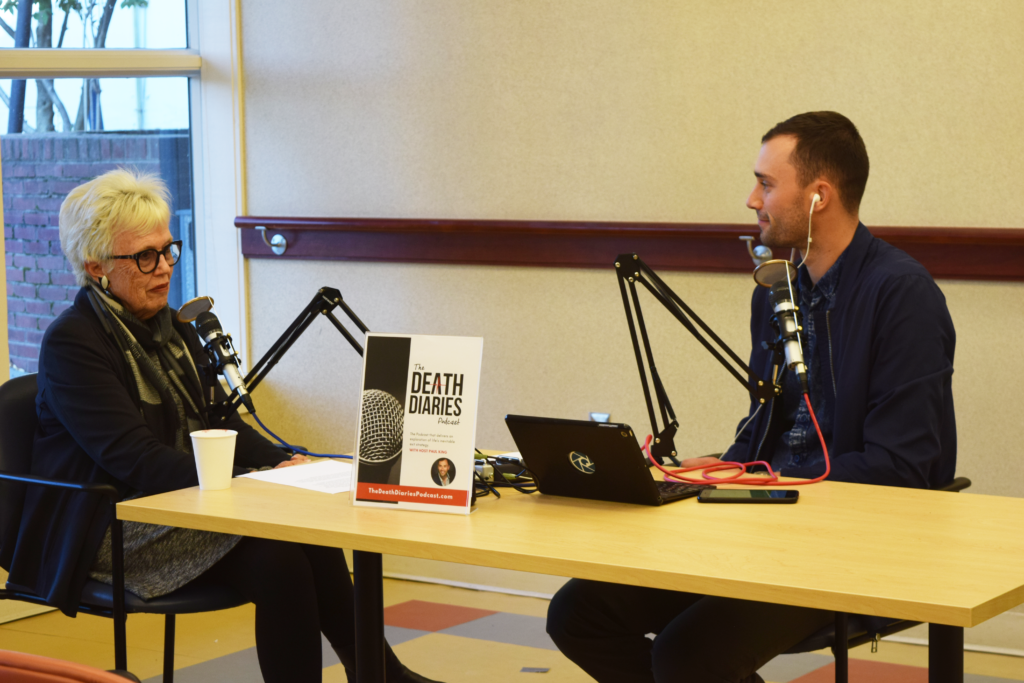
Another session included a live recording of the podcast, The Death Diaries. Host Paul King interviewed a leader in end-of-life issues, Sally Craig, about her experience with body care and preparation after death. Also, the Washington Post featured an article on a video that was featured at the Expo. The article is about a woman who decided to take control of her end-of-life, and is titled, “At 94, she was ready to die by fasting. Her daughter filmed it.”

Trending tips from presenters at the expo centered around:

  • having the hard conversations early
  • getting wishes and desires down on paper and to the right people, and
  • appointing a primary decision maker to protect against family members and loved ones in disagreement

According to presenter Reverend Susan Flanders, and author of “If I Ever Lose My Mind”, starting the conversation as early as possible is key to ensuring family members and other stakeholders find consensus.

The Expo exceeded Iona’s expectations and those of the attendees! Attendees left the event feeling more equipped for their ends-of-life.

Help us continue to spread awareness by encouraging people to get the information they need and have tough conversations on their end-of-life choices.

Thank you to everyone who was a part of the Expo—presenters, exhibitors, and guests!

To stay abreast of upcoming events and related workshops, sign up for our e-newsletter at Iona.org. If you are unsure about where to begin in your search for information and resources related to end-of-life, call our Helpline at 202-895-9448 or email info@iona.org. See pictures from the Expo below.

Five Simple Tips for Self-Improvement


It’s never too late to try something new, build a new, healthy habit, shake up your normal routine, or even find help you might need. However, contemplating change can cause “shut down.” Therefore, we encourage you to identify manageable steps that you can do now.

Here are five simple tips to help you get started.

  • Declutter and redesign your living or office space. Think about how your primary living or work space makes you feel, and then focus on how you want the space to make you feel. Start with decluttering. Take your time, work room by room, and use the Four-Box Method—have one box each for trash, donate, keep, and relocate. Then, select a color scheme and a layout. Finally play with the set- up from there and accessorize—adding decorative accents. The idea of sorting through a lifetime’s accumulation can seem daunting, so we recommend that you break up the time by doing 15 minutes of work at a time.
  • Challenge yourself. Write down the things that you’ve always wanted to try, or even feared, and pick one at a time to focus on. You can even sign-up for a new class. Consider a training that interests you. Since the development of the internet, there are many resources and learning opportunities available to you. You can find both free and paid options for webinars, e-courses, and tutorials. Check out what Iona offers in the areas of nutrition, mental health, wellness, and fitness.
  • Join or create a new social group. For example, you could join a book club, start a group chat for family or friends, or join a Village. Villages provide access to services that support the goal of remaining at home as long as possible. Volunteers and limited paid staff can help with transportation or simple tasks (like walking a dog), provide social support, and make referrals to vetted services. Through expanding your social circle can bring about new ideas and motivation, while also building comradery, and giving you a sense of belonging.
  • Set a new goal or build a new habit. Think about a new habit or goal that you want to achieve. Write them down. To help strengthen your direction toward this new goal, consider make a vision board or presentation—adding visual aspects helps build motivation and brings a little more life to your goal. Designate a time daily, weekly, or monthly to work on strengthening your new habit or goal until you become accustomed to doing it. Set reminders on your phone or calendar to help. For example, you may want to work out more regularly, do art, or write more; therefore, you might choose to work out, paint, etc. every Monday evening. Check out what Iona offers in the areas of nutrition, mental Health, wellness, and fitness. You can also visit Around Town DC, a joint project of the DC Department of Aging and Community Living and Iona, which is one source for local recreational activities in Wards 2 &3 for older adults. Search the directory and sign-up for our popular Concert, Conversation and Lunch series, field trips, art and music classes, fitness classes, social gatherings, and educational presentations, lectures, or discussions.
  • Research Care Managers in Your Area. A care manager can assess your needs, help arrange services, and monitor the services to make sure your needs are met. They can also be on-call in case of emergency. At Iona, we call our geriatric care management services, “Iona Care Management.” You can learn more about Iona’s services by calling our Helpline at (202) 895-9448. Aging Life Care Association also has a tool on their website to search for experts.
Do the Scary Thing First

Caregivers often find themselves feeling like “Victims.” There is nothing more debilitating than victimhood. It takes away your power. It puts the power outside of you, and it points to something or someone else. Not you. In ‘Feel the Fear and Do it Anyway,’ Susan Jeffers suggests empowered people don’t feel like victims and take full responsibility for their life. Victims want to blame someone. Or they blame something outside of their control; therefore deeming it not fixable. This feeling is a terrible lie. We always have control of ourselves. We can control how we react. That is a definite yes.

We must practice and practice, and may never get to 100%. However trying to be better and better at controlling the things we can, is like exercising a muscle. It becomes easier and easier. That makes us feel successful. It can give us a huge “high” to discover that we are not “reacting.”

We learn that taking a breath before responding can change the outcome immensely.

When we are responsible for the health and well-being of a parent, sibling, spouse or child, the burden can become unbearable. However, we are not alone! There are agencies, facilities, and helpers who can make things easier. Look for them on google. Support groups, caregivers, therapists, and other people in this situation can all help us. Take advantage of the many resources available today.

We can be caregivers without losing our minds.

Sometimes we feel we should be able to do it, that it is just not that hard, and we must be very small-minded people for resenting helping our loved one. But day after day without letup is not sustainable. Asking for help may seem like capitulating, but it is just good sense. It is indeed scary to ask. Some people have a real mental block against asking for help with things for which they feel they are responsible. But just do it. It will become easier.

 The muscle for “asking” becomes stronger.

We can begin to have a breather now and then; perhaps a nighttime caregiver can be hired for several nights. Or we find a place to take our loved one for daycare. And suddenly we look around and say, “Wow! I am taking control of my life.”

By Bonnie Matheson, Caregiver
BonnieBMatheson.com

Why End-of-life Care & Planning Matters

Many people find talking about—much less planning for—death to be uncomfortable. However, there is growing awareness of the problems–and opportunities—related to death in the U.S. today. It often involves hospitals and heroic measures that rob people of quality of life. It can mean families scrambling at the last minute to make funeral arrangements and all the decisions that go with that.

Under the leadership of Dixcy Bosley, one of Iona’s Nurse Care Managers, who has a long history of working as a hospice nurse, Iona is tackling education and awareness around death.

As a result, Iona is holding our first-ever End of Life Expo on Saturday, November 2, 2019 from 11 AM to 5:30 PM. The Expo is an effort to combat anxiety and misconceptions related to end-of-life and make more people comfortable discussing it. The goal is to equip participants with all the information needed to plan for a good death. RSVP now.

Become more informed and empowered for your end of life planning.

At the Expo, there will be informational booths, books on death, and expert plenary sessions. Attendees will explore topics including hospice and palliative care, DC’s new law on medical aid in dying, burial and memorial options, body and organ donation, and obituary and advance directive writing. View flyer.

Dixcy, one of the Expo’s leaders, was inspired to organize this event at Iona because of her many experiences caring for dying patients as a hospice nurse. She says,

I witnessed how lack of awareness around end-of-life options can lead to increased fear, uncomfortable death and family trauma. My passion is helping people have the kinds of ‘good’ deaths I have been privileged to see. While a death can often represent a profound loss, it can also be a time of intimacy, family healing and a reminder of what gives life meaning. As patients, family, clergy, clinicians, friends and all mortal beings, let this be a teachable moment for us all. Our quality of life can be compromised by over treatment and by inadequate care at end of life. Together we will discover that our common mortality is well worth careful preparation.”

Learn more and register today for Iona’s End-of-Life Expo today.


Find Job Training to Match Your Skill Level and Interest

We are in a time of ever-changing technology. Many older adults need to keep working, even after retirement, to make ends meet. Others want a job because they want the challenge or need to fill up time. If this is you, then this may be a good time to brush up on your career skills.


In today’s job market, new versions and new updates for technology, software, and equipment are produced at lightning speed. Given this swift pace for change and development, it’s easy to feel like you may not be able to keep up.

You may ask yourself, “Will I measure up to the competition?” Thus, we’ve gathered 11 resources to help equip you with the skills, and information that will help you succeed in your job search.

Check out these tips and services where you can access individualized counseling to help you thrive in today’s job market.

Training for basic level skills:

  • (National) – Basic job skills training for older adults available nationally from the federally funded Senior Community Service Employment Program.
  • (National) Use the Older Worker Program Finder to locate employment services for low-income, unemployed older adults.
  • (DC) – Get free GED (high school diploma) training, and basic job skills for DC residents available from Academy of Hope.
  • (MD) Get access to a career counselor, workshops for landing a federal job, literacy and aptitude testing, in-demand training, and more via WorkSource Montgomery.

Training for specialized level skills:

From Aging Solo to Aging in Community

Here at Iona, we encounter many people who lack a support system of family or close friends to rely on as they age. We call it aging solo—and it’s not as uncommon as you might think. If this sounds like you, there are a number of ways that you can build your own support network, and plan ahead now.

When making a plan, you might need to consider how you envision living in the future, and what support you may need. Consider the help you may need in the areas of finance, legal support, medical care, and more. Specifically, here are some questions to consider when mapping your plan for the future:

  • What services or planning do I need to age in my home?
  • Should I make a move?
  • Would I consider moving to a Continuing Care Retirement Community or assisted living?
  • Can I afford care if I need it?
  • What sources of funding are available to me?
  • Do I have long term care insurance?
  • Do I have an Advance Healthcare Directive?
  • Do I have a financial Power of Attorney (POA)?
  • Do I have someone I trust who I can give my user names and passwords for online accounts to?
  • Can I identify someone to come to the hospital to be my communicator or advocate?
  • Have I researched services like Care Management or tapped into my local Village?
  • Would I benefit from a consultation with an expert?

If you’re aging solo, Iona has programs that support adults of all income levels and needs. Our goal is to help you go from aging solo to aging in community. We will not only help you navigate changes in your health or functional ability, but also help you tap into or build meaningful relationships. Some of the ways we do this include:

Education: Iona’s Take Charge/ Age Well Academy offers presentations and workshops on critical topics like legal planning, deciding among housing options (aging in place or making a move), how to pay for care, and how to build a social support network.

We even have a series specifically on Aging Solo and how to age well while aging alone. If you don’t quite have the answer to any of the questions above, you can register at the link for our next Aging Solo series, which begins on Wednesday, September 4th.

Community: Many of our programs encourage social connection. Iona’s Active Wellness Program at St. Alban’s welcomes DC residents over 60 for discussions, films, field trips, fitness, and lunch. We also provide social events for our Take Charge/Age Well Academy alumni. Or, you might get involved by volunteering with us.

Direct support: Another good option for aging solo may be Iona’s Care Management Services. Iona Care Management consists of a team of experienced, licensed social workers and nurse care managers who have deep knowledge of local resources and aging-related issues. Care Managers can be on call for health crises and coordinate care if needed. Even if you aren’t currently in need of help, a care manager can serve as your expert advisor providing individualized guidance. This fee-based service can also ensure a case manager is available to assist you in the event of a health crisis down the line. Additionally, we offer free subsidized case management services to eligible individuals. Having a Care Manager on call provides great peace of mind.

If you’re feeling anxious or unsure about your social support as you age, you’re not alone.

Iona can help. To learn more about our services and speak with a social worker, we encourage you to contact our Helpline. Iona’s Helpline is open Monday – Friday from 9:00 AM – 5:00 PM. Call (202) 895-9448 or email info@iona.org.

Bring Order Back to Your Living Spaces


Life gets busy, making it hard to keep your living spaces in order.  Taking inventory and organizing your home can relieve stress, clear your head, and even help with your estate planning.

Brent Miller, 78, recently decluttered her apartment. After moving out of her mother’s condo, Brent’s home was full of boxes that had spent years in storage. The thought of going through everything alone felt overwhelming, at first.

“Women have mothers and grandmothers and we inherit stuff,” she says. “We don’t want to give it away or throw it out before we see it.”

Brent’s case manager at Iona helped her hire a firm that went through all of Brent’s belongings one by one and helped her select what she wanted to keep. “It made such a big difference,” Brent said. After decluttering and reducing her possessions, she plans to downsize to a smaller and more affordable apartment down the hall in her building.

Here are some tips to help you start making progress:

Declutter and downsize
  • Using the divide and conquer method, tackle just one room at a time.
  • Break large and time-consuming tasks into small bits. Doing just a little bit at a time can make decluttering seem less daunting. Remember, Rome was not built in a day.
  • Recruit help. Reach out to friends and family, and turn your declutter work into a fun and bonding experience. Professional firms, many of which specialize in working with older adults, are also available to assist.
  • Get rid of unused and unwanted items (e.g. furniture, clothes, shoes, magazines, books, tools, utensils, etc.). If you are holding on to things that you don’t need, you might be causing yourself unnecessary distress. Clearing out these items might free up space for new things, or open up the area so you can move around more. The space will feel larger and brighter.
  • Once you’ve decluttered and downsized, you’ll have a better idea of what you actually own. This can be useful if there are any items you want to include in your will or other estate planning.
Get important files and documents organized
  • Let go of old or unused files. If you aren’t sure if you’ll need a file or document at a later date, check out this useful resource from Consumer Reports.
  • Sort and organize files alphabetically by name and/or numerically by date.
  • Keep files housed in one area, not spread out across multiple places. This will diminish confusion and disorder when searching for a particular file or document.
  • Keep copies of all important documents, preferably outside of your home and with a trusted friend (to protect against a possible crisis that may cause damage to your in-home files), family member, or business professional (e.g. lawyer, advisor, caregiver, and Power of Attorney/guardian).

If reading this list causes you anxiety, you are not alone! Ione offers classes through our Take Charge/ Age Well Academy that can help you prioritize tasks, connect with others, and learn more about Iona’s services.

To learn more about our services and speak with a social worker, contact our Helpline. Iona’s Helpline is open Monday – Friday from 9:00 AM – 5:00 PM. Call (202) 895-9448 or email info@iona.org.

11 Job Seeking Tips & Resources for Older Adults

Many older adults are entering or re-entering the workforce. But finding employment can be a big challenge, especially if you haven’t applied for a job in many years or don’t know how to market your experience and skills.
These resources provide practical tips on the job search process and information on where to get counseling and support for people 50+.

Use these resources to help find and secure positions that are the right fit for you.

Job-seeking tips:

  • AARP offers various tips on conducting a structured job search, and making a successful transition from one career to another. 10 Tips for Reinventing Your Career.
  • Here’s a comprehensive guide from the National Association of Area Agencies on Aging (n4a) that covers how to market your skills, interview tips, and more. Employment Options: Tips for Older Job Seekers, by the Eldercare Locator.
  • If you’re considering a work-at-home job, be wary of common scams. The Federal Trade Commission (FTC) outlines common scams to be cautious of and how to report them. Common Work-at-Home Scams.

Individualized job counseling or training:

  • National Council on Aging’s Senior Community Service Employment Program (SCSEP) helps low-income, unemployed individuals aged 55+ find work. SCSEP matches eligible older adults with part-time training assignments for non-profit organizations.
  • EconomicCheckUp (of the National Council on Aging) has a Define Your Skills resource page to help you understand your strengths and interests, and find work that is right for you.
  • My Next Move offers various directories, and an assessment to help you answer the question, “What do you want to do for a living.”
  • Visit the DC Library’s Job Seekers Drop-In Clinic for staff assistance with various factors related to your job search, including online job searches, creating an email address, and more.
  • Jubilee Jobs offers many free services related to both job placement and preparation, as well as up to two years of continued support.
  • The Jewish Council for the Aging of Greater Washington offers employment programs for older adults, including its “Career Gateway” program, which offers training, take-home materials, mentoring, and more.
  • Virginia Career Works of northern Virginia has seven Employment Centers with events, workshops, programs, and basic and individualized job seeker services.
  • Maryland’s WorkSource Montgomery’s staff provides career counseling, and helps craft individualized employment plans for you to achieve long-term employment. WorkSource Montgomery Career Services.

We wish you good luck on your job search!

13 Ways to Connect, Create, & Contribute Beyond Older Americans Month

May marks Older Americans Month, a time to celebrate the many contributions of older Americans. This year’s theme: connect, create, and contribute encourages older adults and community members to:

  • Connect with friends, family, and services that build community
  • Engage in opportunities that promote your learning and health, and enrich your personal life, and
  • Contribute your talents and wisdom from your life’s experience to benefit others.

Below are ideas to help you connect, create, and contribute through May and beyond.

CONNECT

There are endless ways to connect with others, so feel free to get creative. Check out these suggestions to get you started.

  • Attend local events to grow your social networks and meet neighbors. Coming up on Wednesday, June 19, 2019, you can join Mayor Muriel Bowser’s 8th Annual Senior Symposium from 8:30 AM– 3:00 PM. This event will feature speakers and educational workshops. Topics include: healthcare, legislation, elder justice, fall prevention, arts in aging, nutrition, accessing government resources, and more. Attendance is free. Register here.
  • Visit an art show or museum. At Iona, you can join us on Saturday, June 22, 2019, from 2:00-4:00 PM for our annual Participant Artists Reception. This reception celebrates the artistic achievements of participants in our Wellness & Arts Center. Join us at Iona at 4125 Albemarle Street NW, Washington, DC 20016. RSVP to Art Therapist Susan Lee: slee@iona.org, 202-895-9471. There will be light refreshments. If you can’t make the show, you can still enjoy the artworks on display June 5 through September 6.
  • Join a program for a daily or more consistent dose of fitness, stimulating activity such as art making or gardening, and fun. For example, Iona’s Active Wellness Program at St. Alban’s is a great place to make new friends. Whether you enjoy dancing or knitting, poetry or piano, cooking or computers, writing or the study of history — the opportunity to expand your horizons is always available. And, of course, your ideas and contributions about programming are always welcome.
  • Schedule monthly check-ins or meet-ups with friends and family. This can be a call, video conference, dinner, or fun day.

CREATE

Create by participating in activities that promote learning, health, and personal enrichment. You get the benefit of learning something new, as well as helping others learn and grow. Check out these options for learning that you can enjoy with or pass along to friends.

  • Attend free workshops around the city on different topics. At Iona, you can attend our FREE Understanding Options to Pay for Long-Term Care presentation on Wednesday, June 12, 2019 from 4:00-6:00 PM. Bring a friend, and learn about ways you or a loved one can pay for long-term care. Learn more and register here.
  • Learn how to stay digitally connected or catch up on new technology trends. Connect.DC offers ongoing workshops throughout the year. Topics include: Smartphone 101 Workshop, Social Media 101 Workshop, Internet Safety Workshop, Free tech support, and PC for Beginners. Visit Connect.DC – Digital Inclusion Initiative to learn more and sign up.
  • Drop into a new fitness class. This opportunity actually relates to all three themes. You can connect with others, create a new routine for staying fit or improving your strength and agility, and pass down techniques that you may have already mastered to others. Iona offers a wide array of fitness classes that you can attend no matter your level of fitness.
  • Look into free courses, webinars, or workshops—even Youtube videos—to increase your understanding in a desired area. Of course you can invite your friends to make it more fun. Check out AroundTownDC.org to locate learning opportunities, discussions, shows, and even more in your area.
  • Look into brain exercises to keep your mind sharp. If you are a 60+ year old Ward 3 resident of DC, and you love trivia, sign up for the DC Department on Aging and Community Living’s 3rd Annual Brain Games competition. DC Brain Games is a city-wide, Jeopardy-style trivia competition that promotes brain health. The competition begins on Tuesday, July 9, 2019 at Iona. Contact Ashlea Steiner at (202) 895-9442 or asteiner@iona.org to register as an individual, or as a team of three to four people. Registration closes June 21, 2019.

CONTRIBUTE

There are many ways you can contribute to your communities. Reflect on your own skills and expertise, and offer a fun way to share your knowledge or time with others. You can also find local forums to speak on.

  • Organize a reading club to discuss and compare take-a-ways around your favorite reads. You can even conduct virtual gatherings or meetings via video conferencing, or social networks such as Facebook or Google Hangouts.
  • Host a cooking class for quick meals, or even a knitting group for friends in the neighborhood.
  • Volunteer with causes you care about. At Iona, we welcome people of all ages, skills and experiences. Learn more about volunteer opportunities here.
  • Advocate for a social cause or group that is near and dear to you or your loved ones. If you have a passion for working for better and more just services for older adults in the District, you might consider joining the DC Coalition on Long Term Care, the DC Senior Advisory Coalition, or The DC Center (which advocates for LGBTQ people, including LGBTQ older adults). The DC Center’s Center Aging Advocacy Meeting hosts a meeting on the first Month of each month from 12:30-1:00 PM.

Remember, there is no one way to connect, create, or contribute. Whether you follow one of these ideas, or start something new, we encourage you to build friendships, learn, teach others, and create this May, and throughout the year. Happy Older Americans Month!

Do you have examples of how you connect, create, and contribute?
Let us know in the comments!

Feedback for Iona