
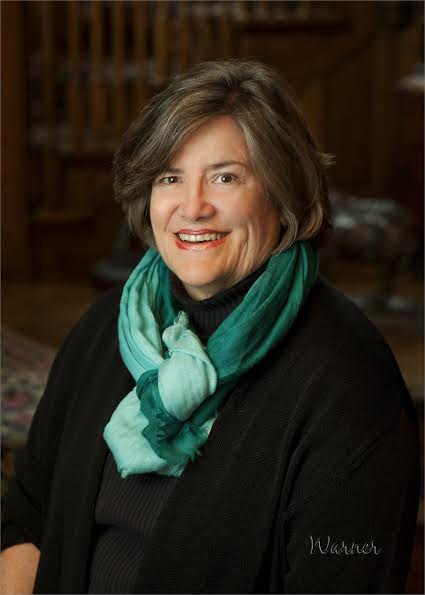
Do you ever look back on a particular event in your life or a decision you’ve made, and think, “That changed the course of my life?”. This has happened to me several times during my 75 years – and, most recently, I realized it had happened again.
My attitude and, better yet, my whole life have changed completely. When I began going to a support group for caregivers at Iona Senior Services everything got better.
The decision to go to a support group was made casually, and yet, desperately.
Looking back, I now see how brave it was of me to venture out into the world and admit I needed help taking care of my mother. I knew I was running out of steam on my own.
So, I looked for “support groups for eldercare caregivers” on Google. Eventually, I narrowed my search down to Iona. But even then some of their groups were full and I was waitlisted. Fortunately, I eventually found one that had room for me.
I was scared. But I went.
My mother is 99 and I am 75 years old. It was pretty apparent to me immediately that most of the people in the group were closer in age to my adult children. Their ailing parents were often my age or even younger.
However, there were a few people there whose parents are in their 90s. And, regardless of the age gaps, immediately everyone made me feel as if this group was the perfect “fit” for me.
When I told my story, everyone seemed to understand. That made me feel vindicated and less guilty.
I believe guilt is one of the big “no-nos” in life. Yet so many of us caregivers feel guilty. We feel we should be doing more. Or we feel guilty because we don’t want to do more. Or we feel guilty for wanting to know how long it may be until caregiving will be over.
Those feelings of guilt, anger, or fear are all difficult to say aloud anywhere else. But within the group, I found a safe space to hear others’ deepest, darkest fears and to tell my own when I was ready.
Since that first day, I’ve received helpful suggestions based on experience. I’ve built strong bonds, and I’ve shared special moments of healing. Now, I cannot wait for the meeting, so that I can find out how everyone is doing.
After more than a year of being a member of this group, I know I am “home.”
When I am at a low point, I remember words I have heard at some meeting, or experiences of someone else that make me grateful for my own good luck. I now practice meditating, which has helped me immensely in gaining perspective when viewing my life to date.
Every day, I use some trick or method that I learned in my Iona support group to help me deal with my caregiver role. Taking the first step and asking for help can be so hard. Believe me, I get it! But, based on my experiences, I cannot recommend it enough.
To help get you started, here are five lessons learned from a caregiver.
1. First of all find a group! Finding a support group can be challenging. You can start by calling Iona at (202) 895-9448. Even if one of their groups has a waitlist, they can provide information about other local groups.
2. Go to the first meeting. Iona has professional social workers who are expert moderators and can help guide participants. The groups are warm and welcoming.
3. Tell them how you feel. I was frank and told my true feelings. Everyone understood. The support group is safe, and I felt comfortable telling my whole story, including my own negative feelings.
4. Listen. When I heard everyone’s stories, I realized that I am NOT alone. Perhaps the greatest gift is that knowledge that you are not alone. You can seek out support and ask for help. You can be honest and unafraid even though you are so vulnerable.
5. Live it. Take the tools you learn at meetings and use them to build a better life for yourself, your family relationships, and your aging loved one.
My outlook is so much more positive now that I started attending a support group. I have accepted the changes in my life with good humor (finally). I am still looking forward, but now I am living very much in the present.
To learn more about Iona’s support groups, call (202) 895-9448.
By Bonnie B. Matheson
Bonnie B. Matheson is a mother, grandmother, and daughter. She is an author, life coach, and insatiably curious person. Bonnie graduated from George Mason University with a B.A. in psychology in 1998 at the age of 56. Her book, Ahead of the Curve: an intimate conversation with women in the second half of life, is available for sale on Amazon. Today, Bonnie lives in her old room at her mother’s house in Washington, DC (Bonnie’s house is in Charlottesville, VA). Her two small dogs, Lord Byron and Magnus, keep her company.