Art Healing for Stress Management

Are you looking for new ways to cope with stress and other feelings, such as anxiety or feelings of depression? One way to help manage stress is to add art into your life.

Research shows that incorporating art and creative outlets into your life can relieve tension, improve anxiety, and speed up healing.

The article, The Connection between Art, Healing, and Public Health: A Review of Current Literature finds that “art can be a refuge from the intense emotions associated with illness.” The research identifies how art helps fill occupational voids, distracts from depressive thinking, improves spontaneity, and enhances social networks.

We sat down with Iona’s Art Therapist Susan Lee for tips on how to incorporate art into your life. Doing this can help you to better manage stress, and address chronic health conditions, or other challenges.

Susan holds a Master’s in Art Therapy, and is educated in art, counseling, and psychotherapy. She works with Iona participants—many who have memory loss or other chronic conditions—in our Wellness & Arts Center.

Her art therapy sessions use writing, painting, acrylics, and more. The goals of the sessions are therapeutic—to help participants find new forms of self-expression, boost confidence, improve physical and mental well-being, relieve anxiety or stress, and other benefits. Susan witnesses these goals unfold through the work that she does every day.

A leading activity that Susan sees participants gravitate toward is collage. She says it brings participants together, while uncovering their individual ideas. In Susan’s art therapy sessions, she explains that her job is to facilitate self-expression in the way participants want. She focuses on each participant’s needs and meeting them where they are.

While art making at home doesn’t include professional therapy, you might still enjoy some of the healing benefits.

Wherever your art journey starts, Susan urges you to keep the following advice in mind—see how research supports her tips.

  • Start with what you like. For instance, if you’ve always enjoyed doodling, start with that!
  • Focus on self-expression. There are so many different ways to express yourself besides visual art. Consider creative writing, poetry, or journaling. Journal writing has been linked to creativity, spiritual awareness, and expansion of the self.
  • Be cognizant that sometimes art and artistic expression can bring about hidden or unwanted emotions. If that happens to you, try writing about what you’re feeling, or listening to music. Results showed that the therapeutic effects of listening to music affected increases in relaxation, and decreases in tension among those tested. In trying either of these methods, you might discover a new coping tool for processing your pain and gaining new control over it.
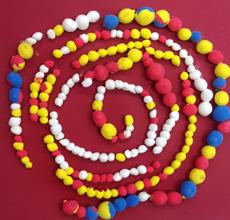
  • Find joy in playing. Start playing with different mediums and see what sticks. We suggest trying out textiles, card making, collage, pottery, watercolor, or acrylics. Molding clay is another great option. Research finds that molding clay can be a powerful way to help people express feelings of grief, and cope with or escape intense emotions associated with illness.
  • Try to incorporate movement into your art healing. Research finds that movement-based creative expression such as theater or dance improves problem solving, self-esteem, and your psychological well-being.
  • Susan notes that in art, “It’s not about the product. It’s about the process.”
  • And finally, “It’s not just one day. It’s a journey.”

Even if you don’t consider yourself to be artistic, Susan still encourages you to try. “Give it a chance, as you might be neglecting other aspects of yourself,” she says. Don’t limit your creative possibilities or yourself!
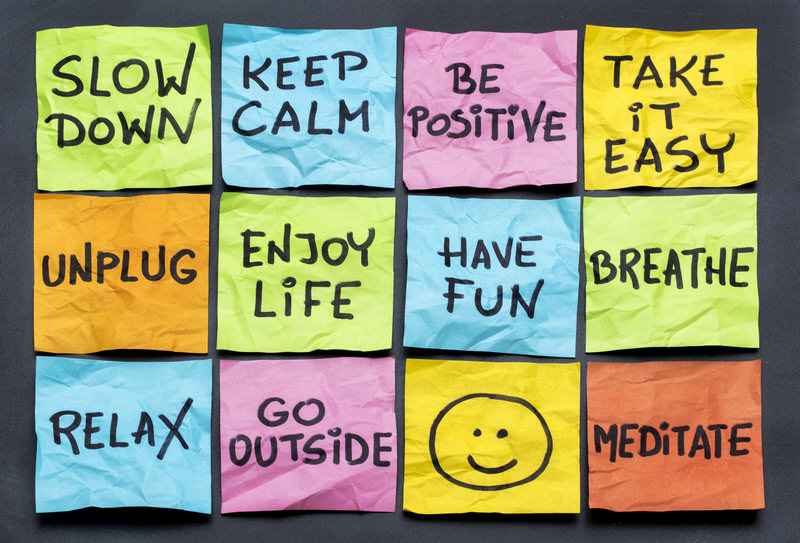
While art making can help improve your mood, increase energy, and enhance your overall self-worth, it’s also FUN! Grab your materials and enjoy the many benefits of art making today.

Coping with Loss: Positive Strategies for Honoring Your Feelings

As you get older, you’ll likely experience many different types of loss. Loss doesn’t always imply the death of a loved one (though it can be) – sometimes it’s just a close friend moving away, or a relationship that ends.

Whatever your loss, and however recent or raw it feels, loss is an enormous and often overwhelming experience to cope with and move forward from. And often, it’s hard to know where to begin.

If this resonates with you, here are some positive strategies for coping with loss you might find useful:

Be gentle and compassionate with yourself.

  • Don’t try and rush the mourning process – remind yourself (and others) that it takes time, and there is no exact or common amount of time after which you have to “get over it.”
  • Keep yourself eating and exercising regularly, and let yourself ask for help if you struggle to do this.
  • Allow yourself to postpone major life decisions or trips you may be unable to make.
  • Do activities you think may keep your body and spirit refreshed and decompressed, and stay active socially.

Seek out support if needed; don’t isolate yourself.

  • Join a support group
  • Stay in touch with loved ones
  • Seek individual counseling or therapy if your grief is overwhelming or persistent.
  • See a doctor if any unusual symptoms occur.
  • Talk with caring family and friends, and don’t hold back from expressing your feelings.

Honor your loss.

  • If you find reminiscing about who or what you lost helpful, make a memory book, donate money to the person’s favorite cause, or talk about your memories with loved ones.
  • If recalling them is painful, be aware of your triggers (holidays, anniversaries, others’ losses or deaths) in advance.
  • If you find yourself dwelling constantly on negative emotions about the loss, such as guilt, anger, or depression, seek the company of loved ones, or professional help, and express these feelings.

If you think you may need professional help, or aren’t sure where to start looking, Iona’s Information & Referral line is a great place to start – call (202) 895-9448 and ask for the Helpline. Iona also offers mental health counseling, which you can ask for more information about via the helpline as well.


By Indy Weinstein.

Indy Weinstein is an intern at Iona working to support our Take Charge/Age Well Academy, LGBTQ outreach, and other projects. They graduated from St. Mary’s College of Maryland in 2017 with a BA in History, and are excited to learn about nonprofit management and aging.

5 small ways caregivers can make time for self-care

self care“Have a happy and healthy New Year!”

These sentiments are often freely shared as we greet one another in the New Year. We understand that the wishes are sincere, yet at the same time, many of us are experiencing the challenges of caring for a loved one who’s health is declining. I am in this boat with you, and need reminders that we caregivers need to look out for our own health and wellbeing, in addition to the needs of our loved one. The beginning of the New Year is a good time to make a resolution to do just that.

But when this topic comes up in Caregiver Support Groups, members often share that while this is a wonderful idea, it is just not practical—because there is no time!

Here are some ideas to practically carve out a little bit of time each day to reduce your level of stress.

(Brief scientific fact: when too much stress builds up in our bodies it creates cortisol—the hormone for the fight or flight response. By practicing self-care—even a little each day—we can reduce the cortisol level a little each day. It is proven to help our bodies feel better.) We can do this!

1. Try a brief meditation or mindfulness practice.

This can be a simple as being present and in the moment while you are eating your lunch. Try putting away social media and noticing the taste of the food, or sights and sounds around you. Or, a few moments of meditation can be facilitated through the app Insight Timer, which many caregivers find helpful.

2. Go outside.

Especially if the sun is shining. Maybe take a brief walk or allow a few moments to feel the warmth of the sun on your face. Is there a breeze? Soak it in and take a few deep breaths.

3. Brew a cup of tea or a cup of coffee.

Making a cup of tea is a deeply cherished practice in many cultures around the world. Settle into the practice and focus on each step. Watch the steam rise from the cup and feel the heat of the cup against your hand. If you have time, sip your warm drink without distraction.

4. Focus on one thing at a time.

Whoever said that multitasking is a good idea needs to read the new scientific evidence! Focusing on one thing at a time is not only more productive, but it lowers anxiety and stress levels.

5. Leave your phone behind.

Do you really need to take your phone with you on a walk, or while you are dining with others, or while you are getting ready to go to sleep? When you put your phone down and look up, it offers moments to interact with what is happening around you, or maybe experience some moments to quiet your mind.

I hope these easy and proven ideas will inspire you take a few well deserved moments for yourself each and every day.

Have other ideas or advice for making time for self-care? Let us know in the comments!

By Sharon O’Connor

With more than 20 years of experience in the healthcare field and a primary focus on senior care, Sharon expertly leads Iona’s compassionate Wellness & Arts Center team. Prior to joining Iona’s staff in 2010, Sharon served as an associate executive director in the assisted living arena. Under her leadership, the Wellness & Arts Center has earned a Dementia Program of Distinction Award from the Alzheimer’s Foundation of America. She also facilitates support groups for older adults and their family members. Sharon holds a BFA from Virginia Commonwealth University. 

How to cope with the post-holiday blues

You’ve shared memories, enjoyed special meals, or spent quality time with loved ones. But, now that the holiday parties are over, you may be feeling down. Sometimes the blues come “out-of-the-blue” to fill the void.

The blues differ from depression in a number of ways. The blues:

  • Are a normal part of life due to stress and losses (depression isn’t);
  • Are temporary, normally lasting less than two weeks (depression lasts at least two weeks, and often longer);
  • Generally don’t affect your functioning and activities (depression does); and
  • Usually end without professional intervention (depression usually doesn’t without professional help).

Nonetheless, the blues need to be taken seriously since they can turn into depression if you’re not careful.

If you are feeling less happy, more anxious or irritable, lethargic, or less social, you may have the post-holiday blues.

Here are some ways you can overcome the post-holiday blues:

  • Get out of the house if you can; a change of scenery and activity are good for your mood
  • Make a schedule to give your day structure with built-in activities
  • Re-start activities that may have gotten sidelined by the holidays and try new ones if you like
  • Make of list of realistic resolutions for 2018
  • Stay in contact with family and friends throughout the year, not just during the holidays
  • Remember there’s more to the year than just the span of Thanksgiving to New Years
  • Make a budget to get back on track financially if your holiday expenses were higher than expected
  • Spring clean your space a few months early
  • Do things that make you feel useful and helpful to others
  • Treat yourself (in moderation)
  • Reminisce about positive memories
  • Eat right, exercise, and get enough sleep

If you’re concerned about having the blues or if the symptoms mentioned above persist, you may want to talk with your doctor and/or contact Iona at (202) 895-9448 to learn more about our individual counseling services.


Practicing self-care during the holidays: Make a must, should, and could list

While the holiday season is often a cherished time of year, it can also be stressful, or bring about a lot of difficult emotional triggers, such as grief or painful memories. Additionally, all too often we put pressure on ourselves to keep traditions going, say yes to every invitation, and make sure everything is “perfect.” This is an unfair expectation to put on yourself. Instead, we encourage you to practice self-care and grace.

One simple way to help manage your stress during the holidays is to make a must list, a should list, and a could list. Jolene Brackey’s book, Creating Moments of Joy, recommends this practice.

Think about what you MUST do, what you SHOULD do, and what you COULD do. For example, I MUST buy gifts for my grandchildren. I SHOULD bake some holiday treats, but I COULD buy them at a local bakery.

If you feel strongly that you MUST prepare a turkey, could others bring the trimmings? If you’re going to someone else’s home and usually bring homemade cookies, could you give yourself permission to buy some this year? (Yes, you can!)

Remember, too, that is it okay to say “no,” or offer an alternative like, “I just can’t right now, but how about after the New Year, thank you so much for understanding.” If at all possible, schedule some things for yourself that are restorative, whether it is taking a nap, enjoying a cup of tea and quiet space, or a walk around the neighborhood.

We wish you and your family a peaceful and blessed holiday season. And, should you need support during the holiday season, we encourage you to call (202) 895-9448, and ask for our Helpline or email info@iona.org.

Three seated body movements to help your brain health

One of the major injuries that the brain can suffer is alterations to its blood circulation, which we commonly call strokes. Although strokes have multiple causes and contributing factors, recent research has shown that accumulation of fat around the waist line was significantly associated with new strokes in women between 50 and 74 years of age. Interestingly, abdominal obesity measures were not independent predictors of new stroke in men from the same age groups.

One way to help your brain health is by incorporating more exercise into your life. But getting to the gym can be difficult, especially if you lack time or energy, have difficulty standing, or simply dislike the gym.

Instead, start small by integrating these three easy movements into your daily seated activities:

  1. When attempting to sit down, do it slowly by bending your knees and keeping your back as straight as possible. Ideally, your thigh would be at a 90-degree angle from your body, and 90 degrees to your legs. Sit at the edge of the chair first, then scoot to the back. This simple way of sitting down will not only help strengthen your abdominal muscles, but it will also help tone your back muscles. Of course, feel free to rise and sit as many times as you wish!
  2. When seated, cross your thighs alternating the right over the left and then the left over the right. This movement exercises the flimsy muscles at our lower abdomen.
  3. When seated for a while, simply bend forward, keeping your back as straight as possible. Your legs should be uncrossed, and your feet firmly planted on the ground. Let your arms hang loosely towards the ground. Your goal is to touch your knees with your forehead – don’t worry if you can’t do it at first try, it will get easier with repetition. Again, repeat as many times as you feel like.

These movements are small ways that you can begin incorporating activity into your life. That said, you won’t reduce your risk factors for stroke overnight.

Rather, these baby steps can get you started into the mentality of movement, to set your mind to move your body more frequently, more effectively, and at occasions you haven’t considered before. Hopefully, this will be your beginning to address your potential risk factors for stroke, thus protecting the health of your brain.

What else can you do to increase the amount and the frequency of your movements while doing what you always do? Learn tips at “Making the Best Lifestyle Choices for a Healthy Brain” on October 17. Details below!

Iona’s Take Charge/Age Well Academy is offering a FREE forum for older adults and caregivers on brain health. Join us for one, two, or all three sessions covering critical topics on a healthy brain like lifestyle choices, understanding memory loss, and work/life balance when caring for someone with dementia. Learn more and register for one, two, or all three presentations here.


By Dr. Joana Rosario, MD

Dr. Joana Rosario has had an unusually extensive personal caregiving experience with multiple loved ones with dementia, which is ongoing today. This rich personal experience is allied to her professional experience as a neurologist specialized in dementia. Today, she makes it her mission to share her knowledge, especially to help caregivers who are struggling to optimize the care of their loved ones without sacrificing their careers.

A Healthier Brain, A Healthier You

brain-health
Courtesy of www.amenclinics.com.

More and more people — you may be one of them — are concerned about their brain health and want to know how to avoid developing Alzheimer’s or some other type of dementia. And understandably so, with dementia on the rise, and researchers still trying to find a cure. But just because there isn’t a cure doesn’t mean you can’t adopt some strategies to improve or maintain the health of your brain.

In recognition of World Alzheimer’s Awareness Month, we’re sharing some simple strategies you can adopt now that can reduce your chances of developing dementia and – as an added bonus – help you feel healthier.

While we might not have control over getting older and our genetics – two factors linked with developing dementia – there are other aspects like poor diet, lack of exercise, lack of sleep, or limited social and mental stimulation that can make a big impact. Addressing these and other factors is not only good for your brain and memory, but also for your physical and emotional well-being.

Here’s what you can do now:

  • Eat right. “Eat your vegetables!” Turns out, your mom had it right — research shows that veggies and other healthy foods are good not only for our physical health but also for our brain health. Healthy foods include those that are low in cholesterol, sodium, saturated and trans fats, and sugars (which can cause inflammation) and high in antioxidants (such as berries, green tea, dark chocolate, and turmeric) and Omega-3 fats (such as fish, olive oil, and walnuts). A diet low in inflammation-causing foods and high in antioxidants can decrease your chances of developing neuron damage in your brain and cognitive decline. Plus, by eating right, you’ll also stave off developing cardiovascular disease, diabetes, or obesity – all of which are also linked to dementia.
  • Exercise regularly. Aerobic exercise, like going for a walk, biking, and swimming laps, elevates your heart rate and has been shown to improve cognitive functioning. Exercise also releases endorphins that boost your mood, and can help prevent and treat cardiovascular disease, diabetes, and obesity.
  • Limit tobacco and alcohol use. Smoking increases your chances of developing Alzheimer’s and vascular dementia because of how it damages the vascular system, as well as the heart and lungs. Excessive consumption of alcohol can result in Wernicke-Korsakoff Syndrome and cognitive impairment, and it can also lower serotonin levels in your brain and cause depression.
  • Stimulate your brain. Work out your brain! Yes, you heard me right. Just like your body needs to stay fit and active, your brain needs exercise too. Try things that are new, challenging, AND fun to get your brain out of a rut. Some ideas include playing word/number/strategy games; learning new things like recipes, a foreign language, musical instrument, or even a different route home; using your non-dominant hand more, such as for brushing your teeth; reading aloud (which engages more of your brain than reading silently); and exploring your creative and artistic side.
  • Socialize. Another form of exercise for your brain is socializing, especially with new people. That’s right – your next networking function is not only helping your career, but also helping your brain! Studies have shown that socially active people are less likely to develop Alzheimer’s. Examples of activities include getting together with family and friends on a regular basis, throwing a party, joining a book club or other type of group, volunteering, or even getting a dog so you can meet people at the dog park. An added benefit from socializing is that it’s also good for your emotional health.

These are just a few of the ways you can take care of your brain and overall self. Have any other ideas for how you keep your brain fit and active? Let us know in the comments!

By Bill Amt, LICSW


Bill Amt, LICSW, is a licensed clinical social worker and is the Mental Health Program Manager at Iona Senior Services. As a psychotherapist he works with older adults and caregivers who are coping with the emotional challenges of aging, and he also leads support groups for caregivers and people diagnosed with early-stage dementia. He has a Master of Social Work degree from The Catholic University of America.

World Suicide Prevention Day

Suicide among older adults is a significant, yet under reported, health issue. In 2016, adults aged 85+ experienced the second highest rate of suicide in the US. Even more shocking, statistics like these don’t include the many instances when suicide goes unreported. Deaths due to overdoses, self-starvation or dehydration, or “accidents” may not be recognized as suicide. Additionally, for adults who are socially-isolated, it can take days for a death to be noticed and reported.

Do you have an older adult in your life that might be experiencing suicidal thoughts? Are you concerned about rising suicide rates and want to know what to do?

Know the statistics.

The Centers for Disease Control and Prevention has reported rising suicide rates nearly nationwide in 2018. Suicide rates can vary notably by demographic. According to the American Foundation for Suicide Prevention, in 2016, the suicide rate per 100,000 individuals aged 65-74 was 15.38, and increased with age, with adults 75-84 rating 18.2 per 100,000 individuals and adults 85+ rating 18.98. The age-adjusted suicide rate per 100,000 individuals is 13.42, meaning suicide for older adults is way above the average.

Recognize the warning signs.

The American Foundation for Suicide Prevention has an infographic detailing warning signs of suicide for individuals of all ages. For signs more specific to older adults, the American Association for Marriage and Family Therapy has a list of warning signs that an older adult may be considering suicide.

Get intervention tools.

The National Suicide Prevention Hotline has a list of things you can ask someone you suspect is experiencing suicidal thoughts. The Suicide Prevention Resource Center has an in-depth guide for evaluating patients.

Find crisis hotlines.

The National Suicide Prevention Lifeline, available 24/7, is 1-800-273-8255. The same service also offers a 24/7 Spanish lifeline at 1-888-628-9454, and a TTY lifeline at 800-799-4889. To chat online, visit IMAlive, a virtual crisis center. In the case of an active suicide, call 911.

Fight stigma.

With suicide rates rising, it falls to us to get rid of the stigma of mental illness and treatment, but we need to be aware of challenges unique to older adults as well, like increased risk of social isolation, feelings of hopelessness and worthlessness, and health and financial challenges. This Huffington Post article addresses one approach, integrating mental health discussion and treatment into older adult communities.

As the older adult population continues to grow, suicide will stay a major health issue that must be acknowledged and treated. With effective initiatives, we can reduce this preventable tragedy and help all older adults, including those experiencing depression, age well.

By Indy Weinstein.

Indy Weinstein is an intern at Iona. They graduated from St. Mary’s College of Maryland last year with a BA in History, and are excited to learn about nonprofit management and aging. 

Meet Leon Paparella: Parkinson’s Support Group Facilitator

My last blog post about Parkinson’s Disease Awareness Month gave you information and resources about Parkinson’s disease. The Parkinson’s Foundation’s theme for this year’s Parkinson’s Awareness Month is “Start a Conversation.” Earlier this month, I had the privilege of starting a conversation with Leon Paparella, M.S.W., CGP, who leads Iona’s weekly Parkinson’s disease support group.

Leon’s Experience

To speak to Leon is to hear him draw from decades of experience in group psychotherapy as well as in Parkinson’s disease advocacy. Leon has worked in mental health since 1969. When he received his Parkinson’s diagnosis in 1987, his history and skills in group psychotherapy made him uniquely able to support and advocate for others with the diagnosis.

Besides his support group at Iona, Leon runs several other support groups in the DMV, teaches at the Walter Reed Hospital and the Washington School of Psychiatry, runs a private practice, and writes articles and blog posts. One such article, “Group Psychotherapy and Parkinson’s Disease: When Members and Therapist Share the Diagnosis,” was published in the International Journal of Group Psychotherapy in 2004.

Parkinson’s Support Groups

Several of Leon’s Parkinson’s groups, including Iona’s, are offered in partnership with the Parkinson’s Foundation of the National Capital Area, where Leon has served as Support Group Specialist since 2001. Leon emphasizes that while many other organizations focused on Parkinson’s disease use their funding for continuing research on the disease, the Parkinson’s Foundation of the National Capital Area uses its funding exclusively for ongoing services. This ensures that DC area residents with Parkinson’s have access to free services, such as exercise classes, support groups including those Leon runs, lectures and symposia, and more.

Currently, Leon runs five support groups for people with Parkinson’s disease and for care partners. Meetings are typically held at churches or at community centers or agencies such as Iona. Some of Leon’s groups have been going for almost two decades, though the members vary over time. Leon’s group meetings do not have set topics or goals. He “leads by following”, listening to the thoughts and comments members bring to the group and reflecting them back for discussion.

Challenges and Triumphs

This is not easy work. Leon says the biggest fear among group members is the risk of developing cognitive and executive function issues. Not everyone with Parkinson’s develops these, but they become more common with age. For Leon, as his own Parkinson’s disease progresses, the worry of “Can I do this?” persists, but he says he is lucky to have colleagues who listen to and support him.

And the work itself is immensely gratifying. The best part of the job, for Leon, is the satisfaction he receives by doing this extremely important and worthwhile work. He is known and valued in both the group therapy and Parkinson’s disease communities, due to his unique position as a group psychotherapist with Parkinson’s. Leon is able to bridge the gap between the professional communities focused on chronic medical conditions and psychotherapy and mental health, bringing “mind” and “body” together.

Iona is very lucky to have Leon’s expertise and support. For more information on Parkinson’s disease and Parkinson’s Awareness Month, take a look at our previous blog post, or contact Iona directly at (202) 895-9448.

By Indy Weinstein.

Indy Weinstein is an intern at Iona. They graduated from St. Mary’s College of Maryland last year with a BA in History, and are excited to learn about nonprofit management and aging. 


Photo courtesy of former support group participant John Schappi’s blog “Aging and Parkinson’s and Me.” John was diagnosed with Parkinson’s disease in 2009, at age 90. He wrote, “My diagnosis with Parkinson’s Disease in September 2009 at age 80 gave my life a new focus and challenge. Finding ways to meet this challenge helped make 2010 the best year of my life. I hope this blog will be a place where I can connect with others who also are dealing with aging and its afflictions and attractions so that we can share our ‘experience, strength and hope.'” John passed away on February 21, 2018.

Grieving the caregiver role when a loved one dies

When Suzanne Gentes’ husband passed away in May of 2015, she had anticipated feeling the deep grief of losing a spouse. What she didn’t expect was feeling an additional loss from saying goodbye to friends in Iona’s caregiver support group for spouses and partners of people with dementia.

Over several years, Suzanne had come to rely on the group as a safe space to vent, laugh, and cry with people in similar situations. “The group really helped a lot, and in a way, I had a circle of caregivers to take care of me,” says Suzanne.

After her husband died, it was difficult not to have that continued support. And, while she tried bereavement groups with other area organizations, there was always something missing. Suzanne found that few addressed her important caregiver role. Knowing that Iona had been there during her caregiving journey, Suzanne turned to Iona again in her grief.

Using feedback from Suzanne’s personal experience, along with best practices, Iona staff members  Bill Amt and Deb Rubenstein designed the After Caregiving Support Group. Its first meeting was in April 2016.

Sandi O’Neill and her husband, John, were married for 43 years. He died from vascular dementia in 2016.

Today, the group continues to help members process their grief, as well help them think about next steps. Additionally, it’s also a great space to share resources, literature, and success stories for self-care.

For members like Sandi O’Neill, it’s a blessing. Sandi credits the group with reducing her anxiety about grief. “When I first went, I kept saying, ‘Well I don’t think I’m grieving right,'” she says. “They put an end to my worry.”

She encourages any caregiver who has lost a loved one to join. “All feelings are accepted” she says. “You can’t talk that way with other people. Here, everyone knows what it’s like.”

Were you a member of a caregiver support group when your loved one was alive and would like the continued support of a group in this next phase of your life? Please join us!

The After Caregiving Support Group meets on the second and fourth Thursday of the month from 4:00-5:30 PM. Pre-registration is required. Please contact (202) 895-9448 to speak with the group facilitator.

Feedback for Iona