Celebrating and maintaining your independence

It’s National Senior Independence Month! Here are a few ways you can help yourself stay independent while planning ahead to maintain your independence for as long as possible.

1. Stay active with friends and activities. 

It’s never too late to learn new hobbies or meet new people. Physical activity can build strength and flexibility, while socialization reduces isolation that can cause anxiety, depression, and sleeplessness. Around Town DC has a wide variety of activities to try, including communal lunch, fitness and art classes, special events, and much more. Check out our calendar and sign up today!

2. Consider what staying independent looks like for you down the road. 

You may be comfortable in your home today–but is your home ready for you as you get older? Thinking ahead about how you will navigate stairs, access the bathroom, and other factors are critical for staying independent in the years to come. Read our tips for aging in place and one woman’s advice for accepting and treating your body well as you get older.

3. Plan ahead as much as you can. 

Although we all want to stay independent for as long as possible, no one can truly age alone. Talk with friends and family about your end-of-life wishes and put your advance directive in place. You may also want to consider downsizing and building up your support network. Our self-guided Aging Solo program is a great tool for helping you take action steps on all these fronts.

Five Resolutions for Aging Well

It’s a new year! Whether you believe in resolutions or not, these suggestions are useful for anyone looking to take charge of their aging.

Here are five resolutions to try this year:

1. Get your key legal documents in place, or review what you already have.

2. Research some housing options and consider whether you can age in place or need to make a move. (Looking for expert assistance? Contact Iona’s Care Management team for a free 15-minute consultation.)

3. Join your local Village.

4. Explore some ways to make new friends. Around Town DC offers a great class on expanding your social networks–sign up today! You can also sign up for in-person activities and lunch at St. Alban’s.

5. Plan ahead with Aging Solo, our affordable, self-guided course that addresses topics like your social and support networks, healthcare decision-making and end-of-life choices, and more.

Of course, making resolutions is challenging enough, and keeping them is even harder! But, Iona can help with classes, consultations, and care management. Contact us today at (202) 895-9448 to schedule a consultation or speak with a Helpline specialist.

The Highway of Life

In one of my listserv communities, a woman recently wrote a message describing herself as almost 70 and feeling frustrated at being unable to find parking near her house. She expressed angst at the difficulty of carrying her groceries a long distance to her home.

In response, a young man wrote that she should be aware that life had changed in 70 years.  Expecting to be able to park near your house was unrealistic. His conclusion was that she should “get over it.”

Those comments were insensitive to me. I was born in 1947. I got an AARP card and then became eligible for Medicare Part B, both reminders that I had officially turned on to the “exit lane of life.” (I heard this wonderful term in a sermon by the Reverend Otis Moss, Jr.)

In 2013, I hit a serious health bump on the highway, a rare appendix cancer. I thought this might be the year to get off the exit to my final destination, but that was not the case. Earlier this year, at 74 years of age, I was diagnosed with arthritis in my left leg, knee, and thigh.

So I completely understood the woman’s plight. It seems one day you just don’t move as fast as you once did. Suddenly there’s an ache in a body part that you had never thought about. You don’t get out of the car as fast as you once did.

All of this made me realize that my body wasn’t quite like a car. I couldn’t get a complete overhaul, but I could get—and needed—a physical body checkup.

Here are some recommendations for making sure your body can continue to support you as you ride down your own highway of life:

  1. Get a yearly physical therapy assessment to evaluate your strength, posture, flexibility, balance, and coordination. I learned this from an Eat Well/Move Well course I took at Iona.
  2. Recognize and accept that your body is not going to return to its younger state. The only way to stay young is to die young. If you can afford it, have a personal trainer work with you on developing a plan that you can combine with virtual and in-person fitness activities. If you are a planner, you can design your own exercise plan.
  3. Help your physical therapist understand your physical and emotional environment. I took a picture of the stairs inside and outside of my house to share with my physical therapist so she could get a sense of their depth. It’s also important to define clear goals. I want to be able to walk to the Safeway a half mile from my house. As a result, my physical therapist changed from having me use the bicycle to the treadmill.
  4. Learn about the emotional and psychological impact of your physical limitations. I didn’t realize how arthritis could have side effects like fatigue or stress from the inability to perform physically as I once did. Taking a course in Yoga and Arthritis helped me to increase my mind-body connections. Make peace with what you can or cannot do.
  5. Settle into your spiritual core so that your mind will be friends with your body. Some days your physical condition may be more difficult to handle than others. Everybody is different. Meditate, pray, and find peace with yourself and recognize that you are not your diagnosis.

As you move on down the highway, have a little joy every day.

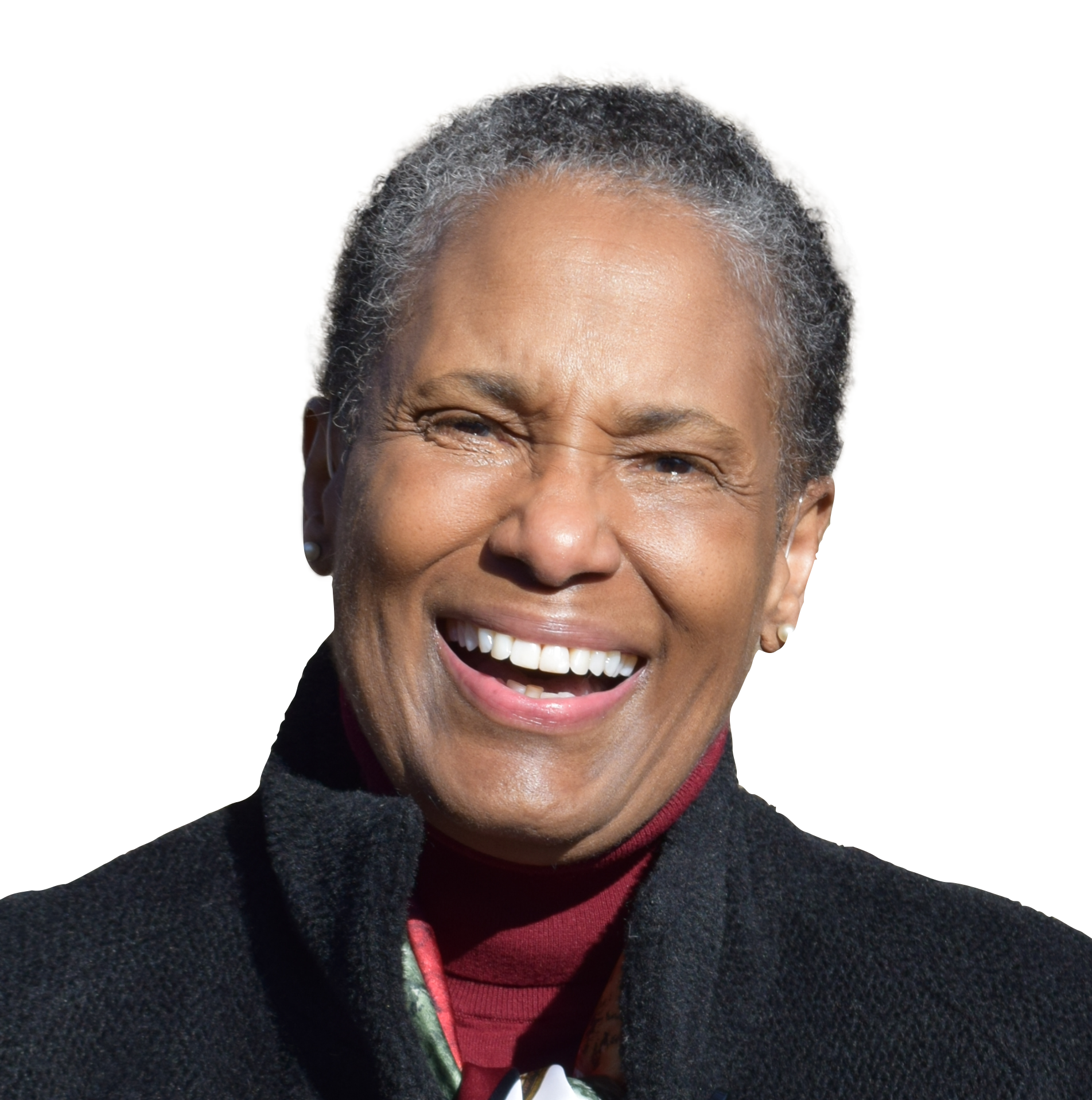
By Catherine Hargrove

Catherine Hargrove

Maria’s Aging Solo Story

When she was in her forties and fifties, Maria Thompson, 66, never gave much thought to getting older. “Aging seemed a little distance away,” she says. “I didn’t take it that seriously.”

Recently, Maria retired and had to start watching her spending. Her relationships with family were also strained. “I started wondering, ‘How am I going to age by myself?’” she says.

Several months into the pandemic, Maria received an email about Aging Solo—Iona’s six-week online series that addresses the practical
aspects of planning for aging. “I wanted to learn what I needed
to do to put myself in a position where in old age and death I don’t
impose on anyone,” she says.

“At first I was overwhelmed,” says Maria. “But I started hammering
through the booklet, and I called Iona’s Helpline. It helped me make some real concrete decisions.”

One of the biggest changes in Maria’s life since taking Aging Solo has been downsizing her apartment. “Because of Aging Solo, I knew that now was the time to do it,” she says. “I’m glad I did. There was so much stuff I didn’t want, need, or even remember I had!”

Aging Solo has also played an important role in helping Maria strengthen her social network. “I have been much more proactive in solidifying my friendships and family ties—which is a major step for me,” she says. “I have gotten much closer to my sisters, aunts, cousins, and nieces, and it has made me feel so connected.”

“Every person aged 55 and older should take Aging Solo,” says Maria. “It’s a very important program.”

If You Didn’t Know How Much You Mean to Me…

I’m active in various groups on Zoom, and recently there’s been much discussion about rituals and how they can mark milestones in our lives or punctuate an event.

My mother passed away in 1995. During her last week in hospice home care at her assisted living facility, I knew her time was short. She had had a series of mini-strokes, and her speech and understanding were affected.

I knew her three closest girlfriends, who could not visit because they too were homebound. So I decided they all needed to say goodbyes. I took the telephone, dialed their numbers, and told them about my mother’s condition. Then I put the telephone to my mother’s ear so they could all say goodbye. I held it there for a reasonable time while my mother smiled and sometimes tried to make a sound. I would then thank her friend and say goodbye, and they in turned thanked me.

The most difficult call was with my mother’s friend Isabell. They were closer than some sisters. In fact, some friends teased them as if they were a couple, which both found hysterical. When I put the phone to my mother’s ear, there were tears in her eyes while she listened to Isabell. Mother passed about a week later. When I called Isabell to let her know, her cousin answered, and we realized Isabell had passed about three days after my mother.

So now that we are in this COVID-19 pandemic, what does all this have to do with anything? Well, we all know families who have not been able to say goodbye or be there with their family members. So many people never got to tell their families and friends that they loved them one last time. Others wish they hadn’t argued with their loved one the last time they spoke.

I have decided that I am not going to let that happen to the very close friends I have left. So, I am creating a new ritual for myself in which I will call those four friends and tell them how much they mean to me. If they should pass or become ill, it’s not like I could travel to see them or they could come to see me.  And we all know that COVID can happen fast.

I am calling this ritual: “If you didn’t know how much you mean to me.” Here’s how it works:

  • First, I mention the number of years we’ve been friends.
  • Then, I talk about some historic event we’ve both seen in those years, such as the first Gay Pride celebration, the legalization of gay marriage, the two Kennedy assassinations, or Martin Luther King, Jr.’s assassination.
  • Next, I talk about some of the good and bad times we’ve shared together: our cross-country trip by air, great dinner parties, the hotel with the heart-shaped pool, and dressing for dinner.
  • Finally, I offer my personal support, encourage my friend to pursue a specific goal, or just let them know that they’ve always been there for me.
  • I end the call by saying, “I do not want you to respond to this, just know it.” Then I change the subject or say we will talk another time.

Life is short. Let the people you love know that, right now!

By Wes Morrison

Leaving Your Legacy through Bequests

Jim Nathanson, 88, knows a thing or two about wills. A lawyer and former District of Columbia Councilmember concerned with the needs and rights of residents, he drafted, among other legislation, DC’s Health-Care Decisions Act of 1988, which allows residents to name, through a Durable Healthcare Power of Attorney, someone legally allowed to make medical decisions on their behalf when they are unable to do so. He also has a long history as a board member and volunteer with Iona and has included a bequest to the organization in his will.

Nathanson has named several organizations in Washington, DC—including Iona—in his will. “When you do this with local grassroots agencies that you know, you can count on the assets you leave to be used for the purposes of the organization,” he says. “Because most of my professional life has been spent in service to the community, I thought a lot about how I could continue that support.”

Estate planning through a will or trust is an important way of leaving your legacy and ensuring that your assets are distributed the way you want. “Most people, when they have some assets, worry a little bit about what will happen to those assets when they are no longer here,” Nathanson says. “Bequests are a method to control what happens to those assets.”

How bequests work 

Doing estate planning can be relatively simple. Many websites offer free Last Will and Testament templates that you can download and customize. In most states, you make your will a legal document by signing it in front of two witnesses who are at least 18 years old or by having a notary public witness your signing.

Changing or updating your will can be done in either of two ways. Nathanson says, “You can either completely redo the whole will with changes, or you can add or subtract some sentences (a codicil) to attach to the original will.” These changes allow you to add or remove beneficiaries from your estate as well as determine how your assets are distributed. Such changes must be witnessed in the same way as the will.

Supporting your local community

Bequests made to nonprofit organizations, trusts, and foundations are referred to as charitable bequests and are an important way to ensure that essential community services and programs are protected for future generations—including your own family.

Many individuals are interested in leaving bequests to both loved ones and organizations that they support. Nathanson says there’s no right away to do this—it’s a highly personal decision. “There’s a balancing act between what assets you keep within family reach and what you’re willing to leave outside the family to help the nonprofits who someday may help your family,” he says. “But as soon as you have assets, it’s not too early to put something in place.”

Are you interested in making a bequest to Iona? Contact Director of Development Jennie Smith-Peers at (202) 895-9418, or email her to discuss options. You can also find more information and sample language here.

Written by Lauren Stephenson. Special thanks to Jim and Minna Nathanson for their time and efforts contributing to this blog post. 

Do Not Fall Victim to COVID-19 Scams

No one wants to be taken advantage of. Older adults are commonly key targets and victims of financial fraud and exploitation. Since the start of the COVID-19 pandemic, there’s been an increase in scams toward older adults. And at Iona, we want to help keep older adults like you safe from falling victim to new scams. You can help prevent this from happening to you or someone you care about by being aware of what to look out for and knowing what to do if you suspect foul play.

We compiled a list of scams to be aware of during the COVID-19 pandemic. These scams are primarily being committed via telephone calls, text messages, and emails, so pay close attention, especially to who the sender is.

Scammers may claim or offer:

  • A COVID-19 cure or vaccine (no cure has yet been identified; ignore immediately)
  • Charity or donations
  • Free or at-home COVID-19 testing kits (home tests do not exist; ignore immediately)
  • Health or medical insurance options
  • Work-from-home opportunities
  • Unexpected calls or robocalls (these calls may claim to be from a legitimate organization or entity, for example, Social Security or Medicare, and scammers may even act like doctors or medical professionals)
  • Selling or promotion of protection materials and products against the virus, including masks
  • False claims that you’ve won something—if you were to win something, you would have entered contest or be aware
  • Scams referencing food stamps and targeting Supplemental Nutrition Assistance Program (SNAP) participants
  • Spam text messages. Learn more about recognizing and reporting them here.

This list of potential scams may be overwhelming, but here are steps you can take to stay protected.

  • Do not ever give out personal or sensitive information without KNOWING exactly who you are communicating with AND why you are providing such information. If you receive any unexpected communications via phone, mail, or email, most likely it is a false or misleading claim, ask, or offer. If you are still unsure or unclear, do your research by only calling phone numbers from existing documents, statements or pamphlets that are already in your possession, and by visiting the official website for the organization that’s claimed, and locating the main number there. Try to talk to a live person and confirm what you were offered or presented is true.
  • Hang up on robocalls and unknown callers. If you receive a call that sounds like you are talking to a robot or you suspect something is suspicious or off, follow your gut and hang up.
  • Contact your phone service provider about security and call-blocking tools. You can also register your number with the National Do Not Call Registry to restrict contact from telemarketers.
  • Do your research on charities you choose to support. Never give donations through cash or gift cards or by wiring money.
  • Brush up on your technology (e.g. devices and app capabilities). Explore and research the capabilities of your devices and phone, tablet, or computer applications, and if you do not feel completely comfortable with technology, ask a friend or family member for help. You can also check out one of the following services that provides free and low-cost tech support to older adults: Connect.DC – Digital Inclusion Initiative, or Teeniors: Tech Savvy Teens Empowering Seniors.

In addition to taking the previously listed precautions, you can read these common tactics used by scammers on older adults from SeniorLiving.org. For more information on how you and your loved ones can remain safe from fraud and exploitation, visit the following webpages.

If you suspect that you or someone you know has fallen victim to a scam, call or visit the DC Department of Aging and Community Living (DACL) at (202) 724-5626. If you live outside of DC, you can visit the Eldercare Locator to locate the nearest eldercare agency.

Call or visit our Helpline if you need support identifying additional resources or help with aging or caregiving related concerns at 202-895-9448 or info@iona.org.

Sources:

SeniorLiving.org Common Scams That Target the Elderly

WSFA 12 News Tips for older adults during COVID-19 pandemic

5 Tips to Keep You Organized in Quarantine

Just a few weeks ago, we were able to move about freely outside, congregate with 10 or more people, dine-in at our favorite restaurant, or even catch a matinee movie on a calm Saturday afternoon. Now, our “new normal” consists of sheltering-in-place for an extended period of time to help ensure everyone stays safe.

While it’s not quite possible to control what is currently happening in the world, you can control and take charge of what’s inside of your home. During this time in quarantine, you may find that it’s comforting to organize and tackle projects, tasks, or spaces that tend to get overlooked. It’s also Spring, which is a great motivator to purge your space of outdated items and refresh your space.

Tip #1: Tackle Your Clutter

There is always one area in the home that can be a magnet for clutter. It could be your closet, drawer, nightstand, or bathroom. So, before organizing , you will want to clear out the clutter from the space. Next, you will need to inspect each item and be very honest with yourself whether the item is functional, should be kept but stored elsewhere, discarded, or donated. If you are donating items, then be sure to store the items inside of a bag or bin until you’re able to drop if off.

Tip #2: Organize Your Workspace

The shelter-in-place order means that many of us are now working from home. There can be many benefits to working from home such as saving on gas or not having to sit in traffic while commuting to work. You might find yourself multitasking and doing some errands while you work, like putting in a load of laundry, but there can be challenges too. When working from home, it’s important to set up a designated, organized space to ensure that you can effectively perform the tasks expected of you. To prevent a cluttered desk-space (whether a true desk or kitchen table), try to store documents inside of labeled folders, binders, or files. This will help you to quickly retrieve the documents when needed. Contain pencils/pens, paper clips, staples inside of a storage product. If you don’t have any on hand, then you can search your home for a mason jar, old jars, empty cans, shoe boxes, or cups that you may no longer be using. Lastly, when working from home, it can be easy to get distracted, so use your calendar or a to-do list—to promote productivity and ensure that you stay on task and prevent missing any deadlines.

Tip #3: Take Control of Your Inbox

Due to being home for an extended period of time, email communication has increased because it’s an essential source of how information is being relayed, especially for those who are working from home. So, it’s important to locate your emails instead of having them get lost in an abyss of emails that may not be as important. This can be an overwhelming task! We recommend that you tackle it in small steps. Start by setting a timer for just 30 minutes (or 5 minutes…or 10 minutes—whatever feels manageable to you) which will keep you focused on the task at hand. During the set time, you can delete outdated emails, create folders to store and organize emails that are alike, and follow-up with emails that you have been putting off. Try this a few times throughout the week and you will be surprised by how much progress you can make.

Tip #4: Organize Your Kitchen Space

We are all stocking up on shelf-stable food items—so much so that our pantries might becoming a bit chaotic. For organizing your fridge or pantry, we recommend that you take everything out as a first step. Discard or compost items that have expired or spoiled. Then place the items you decide to keep back inside by organizing and grouping like-items together. For example, fruits/vegetables should be kept together, condiments should be kept together and so forth. This makes it easier to locate items when it’s time to create a meal. If you find that you have a few too many times, consider donating unopened, non-perishable (and not expired) items to a food pantry or other nonprofit.

Tip #5: Organize Kid’s Space

This is a challenging time for all of us, and for those with children at home, the challenge could feel compounded. Now that everyone is home together all of the time, try to create a designated space where children can feel that they have their own space to work or play. By doing this, you can prevent a pile-up of toys and other children’s items taking over the space and it’s one less thing that will have to be cleaned up. It should be encouraged that children know where their toys should be stored and that’s where they should be replaced after using them. Remember, the goal is to control what is within your household and limit chaos where you can.

During this very chaotic and uncertain time, we hope that taking small steps to organize and personalize your space helps you feel light and as stress-free as possible. Please keep in mind that this is just one option! Some find great comfort in organizing; others do not. That is OK! Should you become overwhelmed or anxious, stop your task, take a deep breath, and move on to something else. But, we hope that these tips provide some practical advice while you are staying at home.


By Jakia Muhammad

Jakia Muhammad is Iona’s Home Delivered Meals Manager. She also has a passion for and love of all things organization and systems. 

Technology to Stay Connected through COVID-19

With COVID-19 continuing to advance, and the order from national and local governments to stay home, many of us are not getting the same level of interaction with peers and loved ones. You may find yourself becoming bored or feeling lonely. Fortunately, there are a number of online and mobile resources that can help keep you connected and engaged virtually.

Here’s a list of online platforms that you can use to stay in touch with friends and loved ones. The table below includes information on available mediums and devices, compatible operating systems, associated costs (if any), and where you can find it to download. 

APPLICATION NAME

KEY FEATURES

AVAILABLE PLATFORM/DEVICE

COST

WHERE TO FIND IT

What’s App
Text message, video, and audio technology.
• Video and audio calls—can contact people in other countries
• Document sharing
• Record voice messages/notes
• End-to-end encryption for safety and privacy
• Mobile (iOS & Android) FREE Desktop (for Windows or Mac)
Apple Store (for iOS)
Google Play Store (for Android)
Zoom
Enterprise video conferencing with real-time messaging and content sharing. Please note: There have been some privacy concerns with Zoom that the company is working to resolve. For advice on how to best secure your call, try these best practices.  
• HD video and audio
• Unlimited 1 to 1 meetings
• 40 mins limit on group meetings
• Unlimited number of meetings
• Online support
• Recording and transcripts
• Group Collaboration Tools & Features
• End-to-end encryption
• Web
• Mobile (iOS & Android)
Basic Version: FREE Online
Apple Store (for iOS)
Google Play Store (for Android)
Messenger
A simple way to text, video chat, and plan things all in one place.
• Video and audio calls
• Chat
• Video conferencing features
• Location sharing
• Money sharing features
• Voice message options
• Web
• Mobile (iOS & Android)
FREE Apple Store (for iOS)
Google Play Store (for Android)
Google Duo
Simple, high quality video calls for smartphones, tablets, computers, and Smart Displays like the Google Nest Hub Max.
• Video and audio calls
• Has Knock Knock feature (live video preview of person calling you)
• Calls stay private with end-to-end encryption
• Web
• Desktop
• Mobile (iOS & Android)
FREE Web
Mobile (for Android & iOS)
Skype
Video-conference tool
• Video and audio calls
• HD video conferencing
• Get a Skype number to disguise personal number
• Call recording and Live subtitles
• Screen sharing
• Desktop
• Mobile
• Web
• Xbox
FREE to send messages and have audio and video calls with groups of up to 50 people. Desktop (for Windows or Mac)
Apple Store (for iOS)
Google Play Store (for Android)
Web
Facetime
Make video and audio calls from your iPhone, iPad, or iPod touch.
• Video and audio calls
• Use FaceTime Audio with Call Waiting
• Create your own or Memojis or use theirs
• Use FaceTime Live Photos
• Mobile (iOS & iPadOS) FREE Apple Store (for iOS & iPadOS)
Marco Polo
Texting, social media, and video chats.
• Video and audio calls
• Unlimited, and ad-free
• Group or 1:1 conversations
• Unlimited video storage
• Mobile (iOS& Android) FREE Apple Store (for iOS)
Google Play Store (for Android)

For more information on these tools, and others, read this fact sheet from the National Council on Aging.

Feedback for Iona