Put Your Best Fork Forward with Iona’s Nutritionists!

Healthy aging encompasses a lifelong love of good food and positive food experiences. Every March since 1980, the Academy for Nutrition and Dietetics leads a month-long celebration, National Nutrition Month®, dedicated to the role food and nutrition play in living a healthy lifestyle.

The theme for 2022 is “Celebrate a World of Flavors.” The overall theme embraces global cultures, cuisines, and inclusivity and reinforces the message that the best diet isn’t restrictive, and that meaningful, small changes over time add up to better overall physical and emotional health and wellness.

Here are simple ways you can shift your eating habits and lifestyle and put a new spin on aging:

  • Think positively about your relationship with food and your body
  • Be active—physically, socially, emotionally
  • Focus on your overall dietary pattern, not specific “superfoods” or trendy restrictive diets
  • As author, professor, and food activist Michael Pollan says: “Eat food, not too much, mostly plants,” as advised by a Mediterranean diet pattern
  • Get cooking!
  • Eat less added sugar, desserts, sodas, and juice drinks, refined grains, sodium/salt, fatty meats, and highly processed or junk food
  • Eat more dried beans and legumes, whole grains, leafy greens, vegetables, fruits, nuts and seeds, and healthy oils such as olive oil
  • Address age-specific nutrient concerns
  • Try to eat seafood—fish or shellfish—twice a week to help get enough omega-3 fats
  • Stay hydrated
  • Explore new foods and flavors

Try this healthy recipe!

To help get you started on your healthy eating journey, get cooking in your kitchen with one of our favorite recipes from Around Town DC’s virtual chef Susan Barocas: Sweet and Savory Twice Baked Sweet Potatoes. This vegan dish is delicious, hearty, colorful, packs a lot of nutrition, and is sure to become a regular in your dinner rotation.

Looking for additional food and nutrition supports?

Iona’s critical food and nutrition programs include:

  • Weekday community lunches at Around Town DC at St. Alban’s
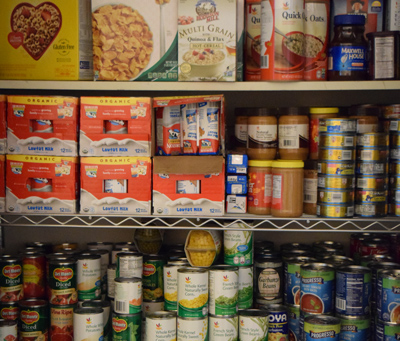
  • A Food Pantry Plus program to provide shelf-stable food, household essentials, toiletries, and nutritional supplements to food-insecure Iona clients
  • Liquid nutrition supplements for our most vulnerable, frail clients
  • Assistance with benefit programs such as SNAP (formerly food stamps)
  • Enrollment in Iona’s Home Delivered Grocery Plus program, in partnership with the Capital Area Food Bank
  • Enrollment in Iona’s SHARE food network monthly “grocery basket” program, in partnership with Blessed Sacrament Church and DC Department of Aging and Community Living (DACL)
  • Healthy food demonstrations at the monthly St. Alban’s Farm Market and virtual cooking programs and nutrition education sessions though Around Town DC
  • Referrals to DACL Home Delivered Meals
  • Home delivered holiday meals on Thanksgiving and Christmas
  • Personalized nutrition assessments for Iona’s highest nutrition-risk clients
  • Advocacy efforts on behalf of reducing senior hunger and malnutrition in DC

Learn more about Iona’s Nutrition team and their credentials

  • In 2008, the Academy for Nutrition and Dietetics designated the second Wednesday in March as Registered Dietitian Nutritionist (RDN) Day to commemorate the dedication of RDNs as food and nutrition experts and advocates, and to increase awareness among the public and the media that RDNs are trusted sources of science-based food and nutrition information. This years’ RDN day is March 9, 2022.
  • Registered Dietitian Nutritionists are licensed health professionals with specific science-based dietetic/nutrition degrees from accredited colleges and universities. They have a Master’s degree and complete highly-competitive 1000-hour post-graduate internships with supervised practice and pass a national exam.
  • There are several academic pathways to becoming a Licensed Nutritionist (LN). Iona’s LN, Chris Brentin, has a Master’s Degree in Human Nutrition, 1000 hours of supervised clinical practice, and passed the national exam to become a Certified Nutrition Specialist (CNS).
  • Dietitians and Nutritionists use their training and expertise to help individuals and groups make meaningful, personalized, and positive lifestyle changes to maximize their food and nutrition situation.
  • Dietitians and Nutritionists work in varied environments such as public relations/communications, the food industry, health care, universities, research, public health, community settings, government, or private practice. They must be licensed to practice in the state where they work and maintain approved continuing education.

Now, it’s time to put your best fork forward and commit to making these small changes for a healthier future.

By Rose Clifford, RDN, MBA & Chris Brentin, CNS, MS

Rose Clifford, RDN, MBA has practiced as a registered dietitian nutritionist in the Washington, DC area for over 30 years. Her current primary work as the Senior Nutrition Program Manager for Iona Senior Services focuses on helping older adults maximize their nutritional health so they can live active, full lives in their own homes.

Chris Brentin, MS, LDN, CNS is a licensed nutritionist in Maryland and DC and a Certified Nutrition Specialist. She has spent the past 6 years working with older adults in DC improve their health through nutrition and increased access to healthy food. Chris is the Nutrition Program Manager at Iona Senior Services and manages the Food Security Program.


Iona’s Response to COVID-19

Iona’s leadership and staff are closely following developments from the COVID-19 pandemic. The health and welfare of our clients, staff, and volunteers are our top priority. We encourage everyone to monitor updates and take hygiene precautions as suggested by the Center for Disease Control and Prevention (CDC). 

If you have any questions, please give us a call at 202-895-9448. Any changes or updates to our programs will be communicated via email, social media channels, and posted here.

Update to Services and Programs, as of March 3, 2022

Our main building located at 4125 Albemarle Street NW, Washington, DC 20016 is open to the public. The Loan Closet is also accepting donations and loaning equipment. 

All Iona programs are operating in person. Participants/visitors at Around Town DC at St. Alban’s are required to show proof of full vaccination (two shots).

Iona will continue to require the use of masks for all staff, participants, clients, and visitors at our buildings and sites until further notice. 

We are serving members of the community in the following ways:

  • Helpline is operating Monday-Friday from 9am-5pm. If you have any aging- or caregiving-related questions, please call 202-895-9448 or email info@iona.org.
  • Community Care Management assesses how well older adults are managing on their own, what support might be needed, and arranges and monitors home care and other services. Please call 202-895-9448 to see if you qualify.
  • Iona Care Management consultations for family caregivers (local or long-distance) or older adults who want to plan ahead for their aging are available through phone or videoconferencing. Our care managers are able to assist with advance care planning, navigating health care issues, aging in place, and making a move. To learn more about how we can help, click here. To schedule a consultation, call 202-895-9448 or email info@iona.org.
  • Support Groups and Psychotherapy Sessions take place over Zoom videoconferencing and telephone.
  • Around Town DC offers virtual and in-person activities for older adults aged 60 and up who live in the District, with fitness classes, discussion groups, workshops, and more. Around Town DC’s website also has an excellent resource page for different online activities and resources. Visit it here. 
  • Home Delivered Meals are offered through the DC Department of Aging and Community Living. To see if you qualify, call us at 202-895-9448. In addition, our Helpline staff can direct you to other emergency food and nutrition services that may be available.
  • Iona’s Active Wellness Program at St. Alban’s provides wellness programming and a hot lunch five days a week. See more information here.
  • The Wellness & Arts Center is open. Participants must be pre-approved. For more information, call our Helpline at (202) 895-9448.
  • Iona’s Washington Home Center is open. Participants must be pre-approved. For more information, call our Helpline at (202) 895-9448.
  • Memory Cafes are scheduled for months with a 5th Friday and take place virtually. For more information, contact Sarah Grogan at sgrogan@iona.org.
  • Club Memory is closed on-site until further notice. Online activities are taking place on Zoom. For more information, call Sharon Sellers at 202-660-5664.

If you have questions about what to expect from Iona’s programs, please give us a call at 202-895-9448.

PLEASE NOTE: We continue to monitor daily communications from the CDC, Department on Aging and Community Living (DACL), and District of Columbia public health sources so that we can stay informed and respond quickly to new guidelines.

A fast-changing, public health crisis such as this demands consistent communication. We are committed to providing you with information, updated regularly.

Five Resolutions for Aging Well

It’s a new year! Whether you believe in resolutions or not, these suggestions are useful for anyone looking to take charge of their aging.

Here are five resolutions to try this year:

1. Get your key legal documents in place, or review what you already have.

2. Research some housing options and consider whether you can age in place or need to make a move. (Looking for expert assistance? Contact Iona’s Care Management team for a free 15-minute consultation.)

3. Join your local Village.

4. Explore some ways to make new friends. Around Town DC offers a great class on expanding your social networks–sign up today! You can also sign up for in-person activities and lunch at St. Alban’s.

5. Plan ahead with Aging Solo, our affordable, self-guided course that addresses topics like your social and support networks, healthcare decision-making and end-of-life choices, and more.

Of course, making resolutions is challenging enough, and keeping them is even harder! But, Iona can help with classes, consultations, and care management. Contact us today at (202) 895-9448 to schedule a consultation or speak with a Helpline specialist.

Cold weather and winter safety tips for older adults


Older adults run a higher risk of health problems and injuries related to colder temperatures and other winter hazards. In fact, as you age, changes in your body can make it more difficult to notice when you are cold. Additionally, some illnesses like diabetes, thyroid problems, or arthritis can make staying warm a challenge.

For these reasons, it is important that you understand the risks and take precautions during the colder months. This information is equally important to anyone caring for an older relative. Here’s what you need to know:

Frostbite

People with heart disease and other circulation problems are more likely to get frostbite. You may notice a discoloration in your skin (white, ashy, or grayish-yellow), or your skin may feel hard, waxy, or numb.

How to avoid: Bundle up! When going outside in cold temperatures, be sure to cover all parts of your body. Wear a hat, scarf or knit mask to cover your face, mittens, and water-resistant coat and shoes. On very cold days, try to limit your time outside, because frostbite can occur in just minutes.

What to do if frostbite occurs: Place your frostbitten body parts in warm (not hot) water. If your symptoms persist, call your doctor.

An important note: Shivering is not a reliable warning sign of frostbite because older adults tend to shiver less or not at all.

Hypothermia

Hypothermia is especially dangerous to older adults because it can be difficult to tell when their body temperature is too low. Some warning signs of hypothermia include lots of shivering, drowsiness, exhaustion, confusion, slurred speech, and slowed breathing. Call 911 if you think you or someone else has hypothermia.

To avoid hypothermia, stay indoors when it’s very cold outside and if you must venture out, wear lots of layers and stay dry. When indoors, remember to dress warmly (wear socks and/or slippers), and keep a throw blanket over your legs.

How to avoid hypothermia: One way to avoid hypothermia is to keep your home heated indoors to a minimum of 65 degrees. Saving money is important, but not at the expense of your health and safety. (If you need help with high utility bills, call Iona’s Helpline at 202-895-9448.)

Falls

First and foremost, avoid walking on icy or snowy sidewalks to evade a slip. If you must walk outside (and your pathways are not dry or clear), wear boots with non-skid soles to help with traction. If you walk with a cane, you might consider replacing the rubber tip before it is worn smooth or even purchase an ice pick-like attachment to help with your balance. You can purchase this at a medical supply store.

Worried about having a fall while shoveling snow, or don’t have the energy to maintain the sidewalk in front of your home? In DC, you can apply for a Sidewalk Shoveling Exemption. You can also ask a neighbor to help you.

For even more winter safety tips, including information on accidents while driving and fire & carbon monoxide poisoning, download this American Geriatrics tip sheet.

If you’re looking for information and resources on influenza-a.k.a. the flu-check out Iona’s blog here.

The National Institute on Aging is also an excellent resource.

Resources and Self-Care Tips for Family Caregivers

It’s been nearly one year since sheltering in place became a daily reality for individuals in the Washington, DC area.

People caring for an older family member—especially if those individuals have Alzheimer’s or other dementia-related illness— face unique challenges in keeping their loved one safe and engaged at home. How do you encourage hand-washing when your family member is sensitive to water? What wellness activities can you do with your relative in your home?

In honor of National Caregivers Day (February 19th), here are some  recommendations and resources to help family caregivers as the public health crisis continues.

GENERAL RESOURCES RELATED TO COVID-19

    1. The Administration for Community Living has a resource page that outlines what older adults and people with disabilities need to know related to the coronavirus. The page shares information on making a household plan, everyday actions to prevent illness, and many links to federal and state guidance related to scams, Medicare, and CDC tools. Visit it here.
    2. Another great collection of resources comes from The John A. Hartford Foundation. They’ve curated important news and articles to keep you informed, as well as resources from AARP, the CDC, National Foundation for Infectious Disease, and others. Visit it here.
    3. Looking for information about the vaccine? Visit Iona’s Vaccine Updates page or the District of Columbia’s appointment registration and information page

HELPLINES

    1. Iona’s Helpline continues to operate our normal hours during this crisis, M-F from 9am-5pm ET. If you have any aging- or caregiving-related questions, please call 202-895-9448 or email info@iona.org and connect with a social worker.
    2. Neighbors across the District have launched different DC Mutual Aid efforts to support each other.
      Ward Hotlines:
      Ward 1: (202) 681-9183
      Ward 2: (202) 688-5812
      Ward 3: (202) 556-1315
      Ward 4: (202) 681-3098
      Ward 5: (202) 643-7030
      Ward 6: (202) 683-9962
      Wards 7 & 8: (202) 630-0336
    3. The Caregiver Action Network (CAN) has tips for how you can plan now and manage the rapidly changing situation to keep yourself and your loved ones as safe as possible. Read their tips here. CAN also has a caregiver Help Desk, which can provide information to help caregivers navigate complex challenges. It’s available by phone at (855) 227-3640 , M-F from 7am to 6pm CT.
    4. The Alzheimer’s Foundation of America has a National Toll-Free Helpline at (866) 232-8484. It’s staffed by licensed social workers who are specifically trained in dementia care, and is available via Skype (Alzheimers_Foundation), live chat, and e-mail. It’s open M-F from 9am-9pm ET, and 9am-3 pm ET on Saturday and Sunday.

TIPS FOR CAREGIVING THROUGH COVID-19

  1. The Alzheimer’s Foundation of America has information and practical tips on how to prevent the spread of illness. For example, to practice the CDC’s hand-washing recommendation, they suggest that you use a soothing tone and model it step-by-step. Some people with dementia are no longer able to sequence (i.e., they can’t anticipate what step is coming next.). Modeling step-by-step could look like saying: “First, let’s wet our hands under the water.” When that’s done, “Then we will use the soap dispenser to squeeze out some soap into your hands.” Then, “Rub your hands together with the soap. Lather the backs of your hands…. Lather between your fingers…. Lather under your nails.” Another great suggestion is to use a fragranced soap such as lavender to improve the sensory experience for your person. For more practical tips, visit their site here. 
  2. The Family Caregiving Alliance offers a number of tip sheets for caregiving during COVID-19, including what to do when someone gets sick, caregiving guidance, how to practice self care, and more.

ACTIVITIES

    1. Iona’s Around Town DC program has partnered with the Department of Aging and Community Living to provide a list of online activities you can enjoy from your home. We’ve also moved a number of our regular programming to a virtual space using the tool Zoom, and are even launching new discussion groups and virtual workshops. Click here for our expanding list of online activities and information on new virtual events. 
    2. Some good activities to have on your tool belt to pass the time include: playing word puzzles and games, looking through picture albums, listening to favorite music albums, watching special movies, and offering your person small tasks to engage in such as folding towels or putting socks together.
    3. National Certification Council for Activity Professionals has created a PDF of 101 activities you can do in your home. Access it here.
    4. Alzheimer’s Foundation of America has a Youtube series of quick and easy activities that caregivers can do with someone living with Alzheimer’s disease. Activities include simple craft projects, chair yoga, and more. Watch the Virtual Community Classes here. 
    5. The Alzheimer’s Foundation of America is providing families affected by Alzheimer’s disease with information about simple therapeutic activities they can do to keep their loved one engaged and active while at home. Ideas include flower arranging (for tactile stimulation), virtual tours, storytelling, fitness classes, and more. Read the full list here. 

Art and Dance Classes

    1. Dance for PD is committed to supporting the global community and encouraging people living with Parkinson’s to keep dancing during a time when live classes may not be available. To this end, they’re making this full digital class archive available free of charge. Access it here.
    2. Kennedy Center Education Artist-in-Residence Mo Williams has launched a new Lunch Doodles program. Learners worldwide can draw, doodle, and explore new ways of writing by visiting Mo’s studio virtually at the link.
    3. Museum Arts Culture Access Consortium (MAC) has created this webpage to link you to as many at-home learning resources and activities being offered by NYC cultural institutions and beyond as possible. The list includes resources for families, individuals, teachers, and people with disabilities. They link to many institutions’ current offerings (including live streams from the MET opera) as well as podcasts and online classes.
    4. Advancing Digital Transformation in Museums has put together a guide to virtual museum resources, e-learning, and online collections. Every resource is free to access and enjoy! See the full list here. 

MEDITATION AND SELF-CARE 

During stressful times, practicing self-care becomes even more important. As anyone who has ever been responsible for the care of another can attest, it’s easy to ignore your own needs when somebody else’s seems so much more present or overwhelming. But when you forget to take care of yourself first, your effectiveness as a caregiver only diminishes.

Especially as well all practice physical distancing, it’s important that we continue to stay connected, maintain care support, and nurture personal health and wellness. We hope the resources below help. 

  1. Iona has a blog post with tips on practicing self-care in uncertain times. Read it here. 
  2. Read our Self-Care Checklist for Caregivers.
  3. The Red Cross offers helpful tips for caregivers during the pandemic, and they also offer a free online course on how caregivers can support themselves and others during these difficult times.
  4. The Center for Mindful Living is offering intimate meditation groups and a variety of other social and support opportunities on their website.  See a list of their virtual events here. Questions: info@living-mindfully.org.
  5. Participate in virtual lunchtime meditation on Sundays, Tuesdays, and Thursdays. 
  6.  Engage@HOME is a YouTube Channel offered by Montgomery County MD’s Caregiver Support program. New episodes are uploaded daily to support wellness and provide trusted updates.  Engage@HOME features: topical interviews, stories about quality resources, and opportunities to connect with others – all while maintaining resilience. Engage@HOME is free to view with no special software. Click here to visit the Youtube page. 
  7. Insight Meditation Community of Washington DC has a number of virtual meditations and classes. Visit their calendar here. 
  8. There are also a number of applications for smartphones that help users meditate or practice mindfulness. See if you can take just a few minutes when you wake up or before bed to ground yourself and practice deep breathing with these tools. 
  9. A large part of anxiety can come from a loss of control. And in those times, our mental health can suffer. It’s important to remember that you are not helpless, even in light of the current news events. Here are some ways you can take care of your mental health in the face of uncertainty.  

Remember, we’re all in this together! If you have questions or need support, please contact Iona’s Helpline at 202-895-9448 or info@iona.org. We’re here to listen and help.

Set the Covid Table for Seniors

I’m often asked what I do in my role as Iona’s licensed dietitian nutritionist.  Many think I spend my days telling people to eat this, but not that.  “Not quite,” I say.  Although I am Iona’s Nutrition Program Manager, I primarily work as a senior hunger advocate – a warrior in the tireless fight against senior food insecurity and malnutrition.

While no one should go hungry or lack access to sufficient healthy food, all older adults are particularly vulnerable to the effects of food insecurity, especially now during this public health crisis. Pre Covid-19, the District had the highest food insecurity rate among seniors in the country (14.3%).  This rate has risen steadily in recent years, from 9.6% in 2016 and 11.1% in 2018.  DC is ranked #1 in terms of the worst in the United States for the threat of senior hunger.  Imagine that.

On March 16, 2020, all the Community Dining sites for seniors city-wide shut down and all in-person social, fitness, and wellness activities were suspended through the end of September 2021.  Many seniors are still afraid or unable to go out and shop or have their usual home health aides come into their homes to assist them with shopping, cooking, cleaning, or personal care.  This and other Covid-19 related factors have made it even harder for older adults to feed, nourish, or care for themselves adequately.

I know what you’re thinking: “But, what about Ward 3? There can’t possibly be hungry, isolated seniors in our tidy, mostly well-off Ward 3 neighborhoods?!?!” My response? This is a problem that affects all of DC. In fact, my team and I spend our days tirelessly fighting on the front lines of senior hunger right here in Ward 3.  Covid-19 has increased the number of seniors needing food and nutrition assistance from Iona by over 250%.   City-wide, there are about 6,600 seniors receiving home delivered meals with over 1.2 million meals served since mid-March.

Iona currently serves 399 home delivered meals clients, up from an average of 175 pre-Covid.  Our little pre-Covid food pantry “closet” has expanded into a “mini-mart” of shelf-stable food, cleaning, and hygiene supplies that fills our former fitness studio at Iona.  Under the able daily coordination by Tania Sechriest, our new Food Pantry Plus program has made 652 total deliveries to 227 clients across all 8 wards, including delivery of 510 cases of nutrition supplements.

Who is a typical nutrition client served by Iona? Take for example, a current longtime client who is an 81-year-old male.  He was initially referred to me because he experienced an unintentional 63-pound weight loss over 6 months.  He looked haggard, weak, and underweight.  He’d had all kinds of sophisticated, invasive, and costly medical tests and procedures to rule out everything from an undiagnosed malignancy to gastrointestinal disease.  All of the testing was inconclusive and provided no cause for his unintentional weight loss.  Imagine his anxiety level and distress, just trying to survive each day in this weakened state.  I wish this was an unusual situation or referral, but in Iona’s work, it’s common.

Did anyone think to investigate his nutritional situation or ask this man if he had enough food to eat before thousands of dollars were spent on medical tests?  Such a simple, basic human need and right – to have sufficient good-quality food to eat in order to maintain health and a good quality of functioning and life.  Yet, here is an older adult who recently had only $7.00 left of his monthly income to last him the 10 days before he would get another social security check deposit in his bank account.  In fact, he was so low on funds that he literally did not have enough money to buy food after the middle of the month.

Senior malnutrition is often a “hidden secret” with devastating individual suffering and societal consequences.  The estimated annual cost of disease-associated malnutrition in older adults in the US is $51.3 Billion.  Food and nutrition issues are so important to good health and life quality for older adults, but are often poorly understood or go unrecognized.

But, back to my client. Today, he has a steady weight, a better sense of well-being, a community of friends, and a good level of energy and functioning.  How did Iona step up to the plate to help him?  First, he was enrolled in our home delivered meals program, and receives 10 fresh Mom’s Meals delivered every two weeks.  He also participates in our Covid-19 Emergency Meals Program, receiving 7 frozen meals weekly, a program well-liked by most of our clients.  He receives several cases of a high calorie/high protein Boost Glucose Control liquid nutrition supplements and deliveries of additional shelf stable food and supplies through the Food Pantry Plus program monthly, delivered by Iona volunteers.  He is also enrolled in and receives a monthly SHARE Food Network grocery package, also delivered by Iona volunteers.  His amazing Iona social worker helps him maintain his SNAP (food stamp) and other benefit enrollments and got him new dentures so he can eat better.

It is important to understand that senior hunger and malnutrition is not limited to low income seniors but is a complex phenomenon that cuts across all income spectrums and is often an access issue.  Factors such as poor appetite, unintentional weight loss and frailty, isolation, decreased mobility, cognitive decline, psychosocial and mental health issues, nutrient deficiencies, poor oral health, and lack of transportation are common contributing factors to senior food insecurity and malnutrition.  For these and other reasons, older adults or their caregivers are often unable to plan, procure, and prepare adequate, fresh, and nutritionally-balanced meals.  The public health emergency caused by Covid-19 has only exacerbated this situation.

Putting an end to senior hunger and food insecurity in Washington, DC requires a coordinated effort by multiple stakeholders – please help us in our tireless efforts to set the table for our seniors.

Rose Clifford, RDN, MBA

How to Vote this Election & Stay Healthy

Vote. Your Voice Matters

Election day is less than a couple of weeks away and the pandemic has changed the way you can access the polls this year. And if you are at risk for COVID-19, it’s especially important that you know your options.

As you make your voting plans, here are some important things to keep in mind.

By Mail

The good news is that most voters will be able to cast ballots by mail this year. From a public health perspective, voting absentee or by mail is a straightforward way to avoid contracting or spreading COVID-19. While you still might need to visit a ballot drop box or voting center to deliver your ballot, doing this minimizes contact with other people and helps reduce crowding at voting sites. Don’t know where your ballot drop location is? You can find it here: canivote.org.

In Person

You may still prefer to cast your ballot in person or need in-person voting assistance because of a disability. Early voting and voting in-person on Election Day will remain popular options this year, but early voting is usually less crowded. Make a plan! Look up your polling location here. https://www.nass.org/can-i-vote/find-your-polling-place

Save and share this phone number

If you have questions or face difficulties voting, call the election protection hotline at 866-OUR-VOTE (866-687-8683). Their election experts can help you deal with any problems you may face at the polls.

COVID Precautions

Voters should follow instructions when heading out to drop off their ballot or check in at a polling location, but they can also simply remember to follow the best practices public health officials have identified for other activities: wear a mask, practice physical distancing, and wash your hands.

Public health experts are also advising voters who are sick or worried they might have been exposed to COVID-19 to contact their local elections office. They may have options like casting an emergency absentee ballot or meeting an election worker outside a polling location to do curbside voting from their car.

Flu Shots and You during COVID-19

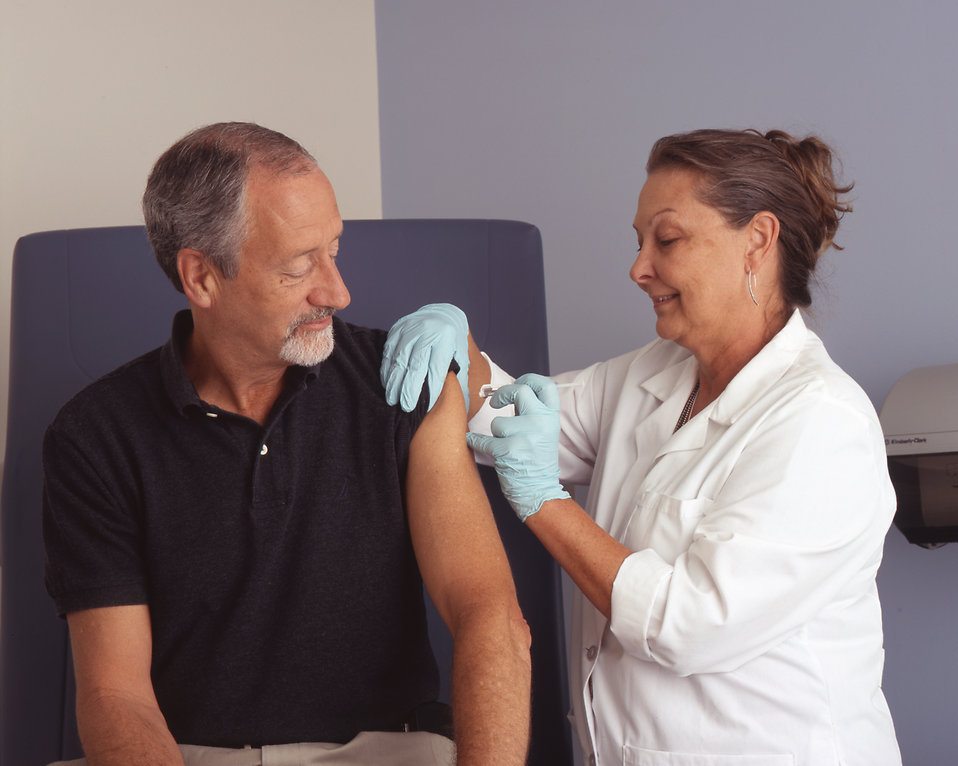
Each fall, the Centers for Disease Control and Prevention (CDC) urges everyone to get the flu vaccine. This year, due to the public health crisis, it’s especially important for adults 65 years or older, who account for 70% to 85% of flu-related hospitalizations and deaths and the majority of COVID-19 related deaths, to get the vaccine.

Research shows that flu shots, or flu vaccinations, reduce infection rates by 50% to 60%.  Among elders (age 65 to 74), in one study, flu vaccinations lowered flu-related hospitalizations by 61%.

Flu shots work by helping the body’s immune system develop antibodies that fight the flu before it becomes serious.  While the vaccine won’t cause someone to get the flu, it can cause temporary side effects, including fever and muscle pain.  The federal Centers for Disease Control and Prevention recommend that most adults and children receive an annual flu shot.  Exceptions include those with egg allergies and certain medical diagnoses.

In addition to getting vaccinated, older adults and caregivers can reduce their risk of getting the flu by healthy eating, avoiding close contact with those who are sick, and washing their hands regularly—especially before touching their own or someone else’s face.  Guidelines to prevent exposure to COVID-19 should also be followed.

Remember, Medicare and most health insurance policies cover the flu vaccine. To find a place that provides flu shots, go to the HealthMap Vaccine Finder.

11 purposeful activities to do at home for people with Alzheimer’s

The COVID-19 outbreak has been a difficult time for all of us. But for those with Alzheimer’s or other dementia-related illness, change is especially confusing.

We’ve seen this with participants in our adult day health program. Many have Alzheimer’s and can’t understand why they aren’t coming to Iona each day like they used to. Instead, some are withdrawing into their private world and falling into depression. A few even refused to leave their beds when the stay-at-home orders first began.

That’s why to help support our families during this crisis, Iona’s adult day health program staff now offer daily activities for current participants and their families to do together over the phone and online. It’s a reason to get up and a way to stay connected.

But this challenge goes well beyond our adult day health center roster. We know that many care partners in our wider community are burning out or running out of creative ideas for how to keep their person engaged and active while at home. Additionally, in the words of Teepa Snow, a leading educator on dementia, “Meaningful days matter to all people. This need does not change for someone who is living with dementia.”

As we’re all experiencing change to our routines and a loss of control, it’s easy to feel like our days are less meaningful. So we asked Wellness & Arts Center Program Coordinator Cecilia Sono to share some of her favorite activities that focus on what people can do, not what they cannot do. In doing so, everyone can have positive new experiences.

11 activities that can help your family member feel valued, productive, and purposeful

  1. Nature appreciation: Take a family walk. If there’s a nice place to stop, you can write a story, a poem, or simply write down observations. On a bad weather day, see if you can take a drive and find a place to park with a nice view.
  2. Helping around the house: No matter the activity you do with your loved one, giving your person a sense of purpose can make a big difference in the success of the activity. This can be as simple as stating, “I’ve made a little mistake and need some help. Will you help me?”Ask your loved one to help with folding laundry or towels, drying dishes, matching socks, etc. These small tasks have many benefits including improved self-esteem and sense of purpose.
  3. Blast from the past: Take an hour or so to pull out old photo albums or family videos. Watch and reminisce together. You might also want to listen or even dance to old favorite songs.
  4. Explore your block: Take a scenic walk around your immediate neighborhood. Take the time to appreciate the place you call home. You may discover interesting things that you never knew existed. Some neighborhoods in DC even have interesting back alleys to explore.
  5. Organizing fun: Pick a room in your house that needs some TLC and involve your person with tasks like organizing CDs, emptying drawers, etc. Take a couple of hours to organize this space.
  6. Plan a family video chat with family and friends: “Zoom” and “Skype” are two popular platforms. For other technology advice, read our blog post here. If you’re new to Zoom, Iona’s Around Town DC program offers regular Zoom 101 Workshops. Visit our Around Town DC website to learn more and see the upcoming schedule of classes.
  7. Spa treatment day: This activity is so versatile. It can be done inside or outside, paired with lemonade or tea, coffee, or hot chocolate—iced or hot—depending on the season. You might choose to play soothing music or even light candles (battery-operated candles work too). And don’t stereotype; all genders can enjoy and benefit from relaxing spa treatment. To get started, all you need is an emery board, polish (can be clear or colored), and some lotion. Provide your loved one with a gentle hand massage using some lotion and file. If desired, you might paint their nails. Other variations of this idea include purchasing or making a DIY face mask or trying a foot bath and pedicure.
  8. Flower arranging: Together or independently, ask your loved one to help create beautiful centerpieces. All you need is an assortment of artificial flowers and a colander with large enough holes that the stems will fit inside. There is a sense of immediate gratification. As you add the flowers, the plain colander transforms into a work of art! You can also arrange flowers with vases, jars, and real flowers.
  9. Scrapbooking fun: Find mementos around your house that are special to you and start scrapbooking. This will be a fun way to preserve all your favorite memories.
  10. Collage making: Cut up magazines or newspapers and make collages. You can choose to respond to a theme or feeling.
  11. Go on a virtual tour: The Google Arts and Culture project has content from more than 2,000 organizations to bring their collections and galleries online.  You can view virtual tours of many of the museums, galleries and sites, and also explore details of their collections as well as cultural and historical contexts through their online “exhibits.”Many Washington, DC museums are offering virtual tours too. Here’s a list of some to check out. 

We hope these ideas will provide a little fun and routine into your daily schedule. One final tip—because routine can be especially important for people with Alzheimer’s, if possible, we encourage you to make a weekly calendar with designated times for these activities (for example, a daily activity at 2:00 PM). You may find that your person even starts to get ready and prepare for the activity before it begins!

If you have other aging or caregiving-related questions, please contact our Helpline at 202-895-9448 or info@iona.org. We’re here to support you.

Four months later, read how our services during COVID-19 are shaping our plans for the future

Four months. Four months!?! No matter how many times I say it, it’s hard to believe it’s nearly been that long since the stay-at-home order was put in place in DC. When Iona closed our building on March 17, we never expected the long road ahead—that in July, we’d still be working from home, worried about so many in our lives, and wondering about our future.

Yet, despite the circumstances, I have deep gratitude and hope. In this time, we’ve innovated and shifted our programs in ways that I could not have imagined a few months ago (you can read our blog post for a complete and updated list of our service changes here). Believe me, we could only jump into action because of your commitment to our mission.

In our wildest dreams, Iona hoped to offer online classes and grocery deliveries one day. Today, we have 16 virtual fitness classes and other activities like concerts, discussion groups, art classes, and more to keep people socially connected and active. Additionally, our Wellness & Arts Center is offering Zoom group activities and one-on-one calls to people with Alzheimer’s, Parkinson’s, and other challenges. Telehealth has also become a welcome addition to our mental health services, and we’ve made the switch to virtual support groups.

You’ve also helped us to make hundreds of deliveries of shelf-stable foods, cleaning supplies, toilet paper, and more to clients across all 8 Wards. You can’t imagine the relief these deliveries have meant—especially for those with health-risks, no way of traveling to a grocery store or ordering groceries online, or very little income.

After four months of lessons learned—and as we look ahead—we’re faced with a new challenge. How do we sustain these innovative programs?

We know that for some clients, our virtual programs have made our services more accessible. I can’t tell you how many emails we’ve received from grateful neighbors telling us that they never participated in our in-person programs because of a disability. Now, they can join safely from home. We want to keep it up! At the same time, other clients with unreliable phone or Internet service—and limited resources to purchase new ones—have struggled during this crisis. We’re looking ahead to figure out how to sustain these programs AND provide better technology to those who need it.

We’re also considering what we’ll need in place to reopen Iona safely. We’re piloting a very small reopening of our Wellness & Arts adult day health center in Tenleytown and hope to do the same at our new Washington Home Center in the Congress Heights neighborhood of Ward 8 in August. But our budget didn’t account for this kind of crisis and the purchases we’ll need to make to keep our community safe are significant. Things like ordering PPE for frontline staff…installing Plexiglas in our reception area…ramping up our disinfecting and cleaning services…and much, much more. We’re facing financial gaps that we’ve never expected at a time when the needs just keep growing.

Where will Iona be in another 4 months? I wish I could predict the future. What I can tell you is this: Iona will always work hard to protect and provide for older adults and their families, in large part because of our wonderful community.

As we look to the long road ahead, if you’re able to do so, I hope that you’ll consider making a donation to support our efforts. Your ongoing financial commitment means we’ll be able to sustain our services well beyond this pandemic, and prepare for what comes next.

I am grateful to have you in our community.

Sincerely,

Sally S. White
Executive Director

Feedback for Iona