2019 Flu Season Resources

CDC Blog-a-thon

Certain populations, including older adults, are at greater risk for catching the flu, and for developing complications from it. In fact, 70% to 90% of flu-related deaths occur among older adults age 65+. For older adults with dementia, their risks may be even higher.

One reason is because normal age-related changes to the body’s immune system makes older adults more vulnerable. Complications that arise include bronchitis, pneumonia, and heart attacks. Other groups at high risk of developing flu-related complications are people with heart disease, diabetes, cancer, and HIV.

What are the symptoms of the flu?

According to the Centers for Disease Control and Prevention (CDC), the symptoms of flu can include fever, cough, sore through, runny or stuffy nose, muscle or body aches, headaches, and fatigue. In general, the flu is worse than the common cold (symptoms tend to be more intense), and unlike a common cold, the flu is more likely to have associated complications.

What can you do to prevent complications?

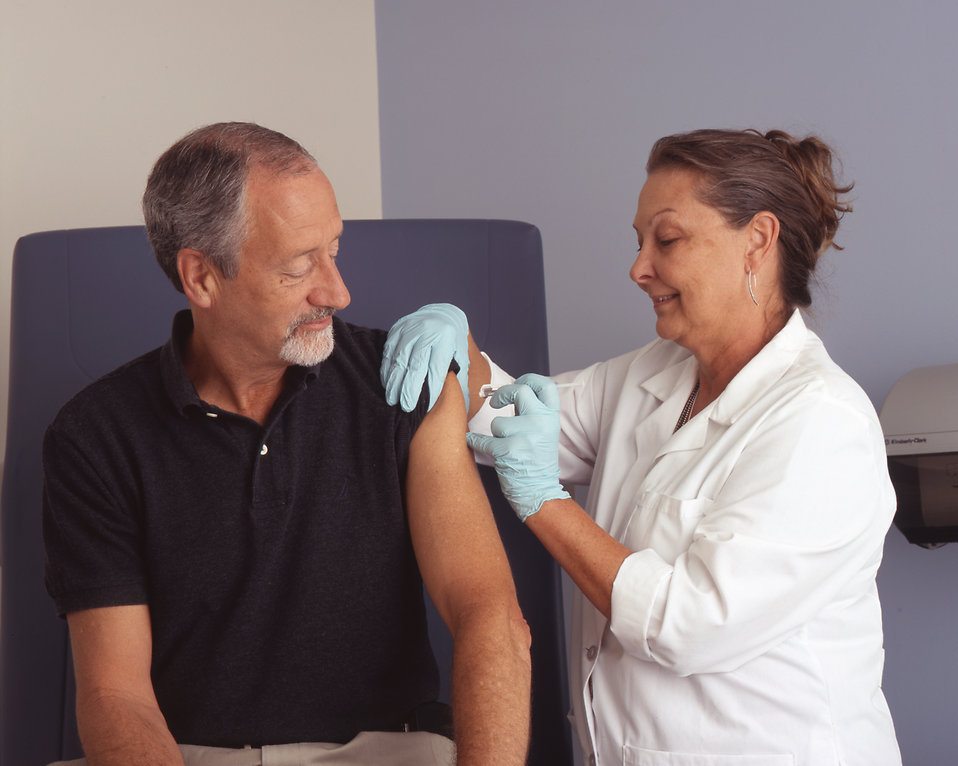
Research shows that flu shots, or flu vaccinations, reduce infection rates by 40% to 60%. Among older adults (age 65 to 74), in one study, flu vaccinations lowered flu-related hospitalizations by 61%.

Flu shots work by helping the body’s immune system develop antibodies that fight the flu before it becomes serious. While the vaccine won’t cause someone to get the flu, it can cause temporary side effects, including fever and muscle pain, and note that it takes up to two weeks before the vaccine is effective once received. The federal CDC recommends that most adults and children receive an annual flu shot. Exceptions include those with egg allergies and certain medical diagnoses.

In addition to getting vaccinated, older adults and caregivers can reduce their risk of getting the flu by healthy eating, reducing contact with people who have the flu, and washing their hands regularly — especially before touching their own or someone else’s face. If possible, you should also stay home from work, school, and errands when you are sick.

Remember, Medicare and most health insurance policies cover the flu vaccine.

Where can I get the flu vaccine?

To search for a flu vaccine provider nationwide, visit the Health Map’s Vaccine Finder. Additionally, subsidized flu vaccines are available to uninsured or under-insured DC residents from various nonprofit providers. Find more information through the Department of Health.
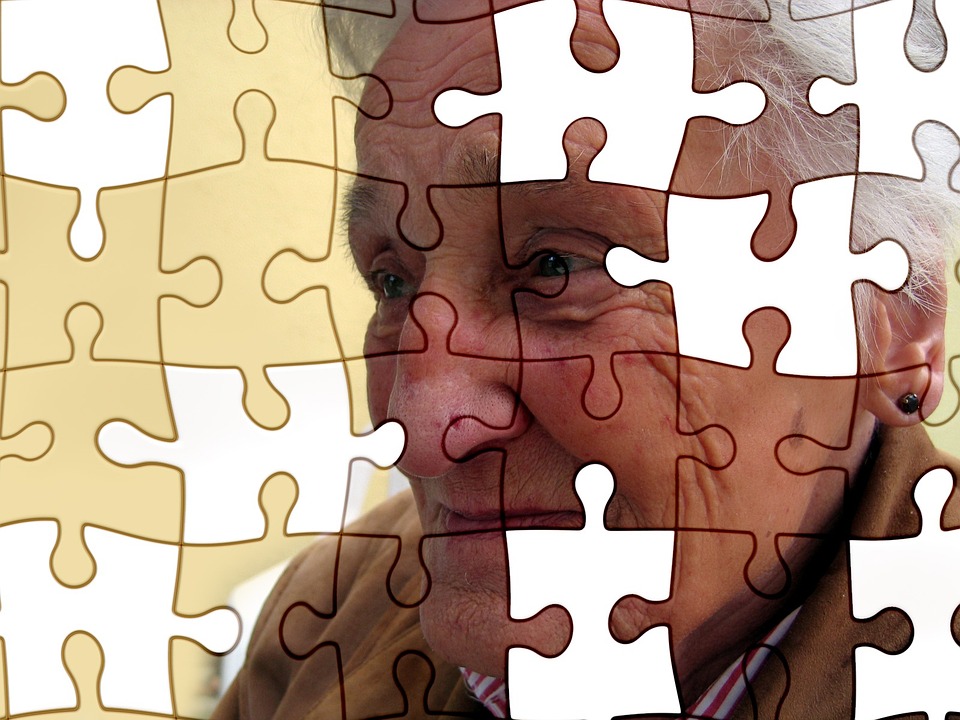
 

Three action steps if you’re experiencing memory loss

It’s a good idea to see your regular doctor if you’re worried about your memory. You may be having changes in your memory that are normal for everyone as they get older. Or you may be having some memory changes that are signs of an illness. You may find yourself facing the following question:

Is memory loss normal?

As we get older, some memory loss is normal. You might misplace your glasses. Or, maybe you occasionally forget a person’s name, but recall it later. Those changes are normal.

Here are some signs you might be having more serious trouble with your memory:
  • You’re having trouble figuring out how to do things that used to be easy for you—like paying bills or keeping track of your medicine.
  • You get confused when you drive or walk somewhere you usually go.

What can you do if you or a loved one has symptoms of memory loss? Start with these three action steps.

1. Get evaluated.

If your experiencing abnormal memory loss, it’s essential to get an evaluation from a physician. Memory loss and confusion are caused by a variety of medical conditions, including Alzheimer’s, infections, anxiety, insomnia, and medication interactions. A physician can sort out what’s causing the memory loss, prescribe appropriate treatment, and in some cases (depending on the cause of the memory loss) may be able to reverse symptoms. Both neurologists and geriatricians are the best kinds of doctors to see about memory loss. Find a neurologist or geriatrician who accepts Medicare via Medicare’s website.

Be sure to take the following information with you to your appointment.

  • Your health information
  • A list of the medicines you are taking
  • A list of the other doctors you see
  • Your Medicare card and other insurance cards

It may also be a good idea to bring along a relative or friend who can talk about any memory changes that they witness.

2. Get Support.

Supportive services exist throughout the DC metro area for older adults with dementia and for the people caring for them.

You might consider joining a support group, calling information & referral, tapping into community services like home-delivered meals, or meeting with a care manager. Contact Iona’s Information & Referral Helpline to learn more about local supportive services at (202) 895-9448 or info@iona.org. Alzheimer’s-specific information and referral also is available from the Alzheimer’s Association’s 24/7 Helpline.

3. Plan ahead.

Making a plan now for your aging and long term care should be something everyone does, not just people experiencing memory loss. Like any puzzle there are many pieces to review and put together to construct the final picture: financial decisions, housing, legal questions, coordinating supportive services, making an advance directive, and more. The process to evaluate and establish a long term care plan may seem daunting, but you are not alone. A geriatric care manager, also called Aging Life Care Professional, can evaluate your needs, create a plan, and even coordinate care.

Learn more about long-term care planning via the federal Administration for Community Living. Learn about Alzheimer’s-specific long-term care planning via the National Institute on Aging.

At Iona, we call our geriatric care management services, Iona Care Management. You can learn more about services offered and schedule an in-home, office, or phone consultation by calling (202) 895-9448.

Community Members Embrace Iona’s End-of-Life Expo

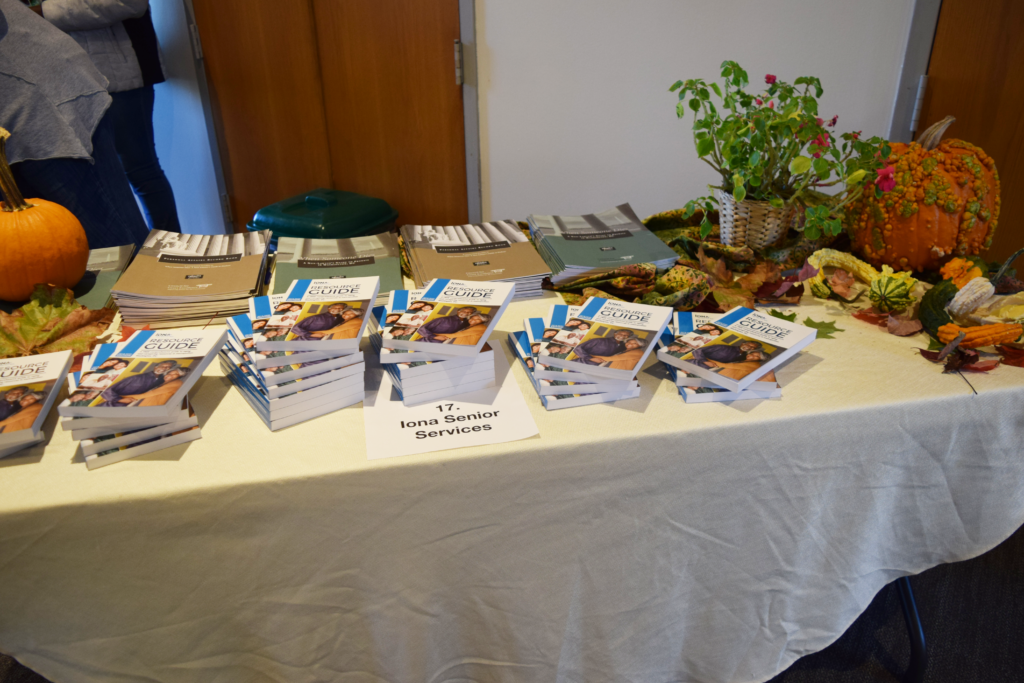
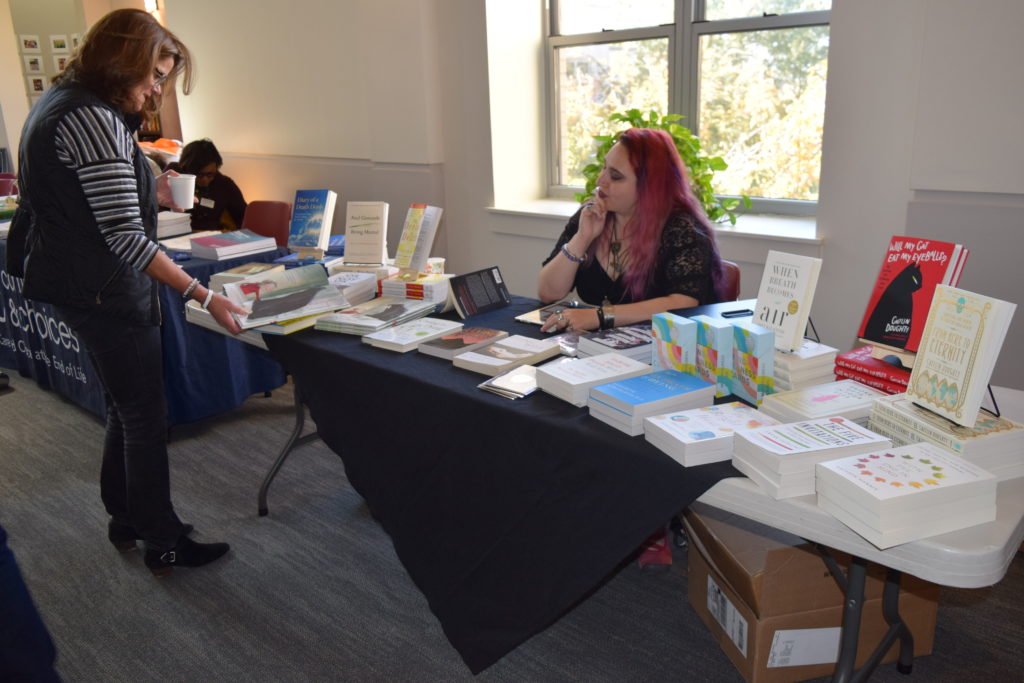
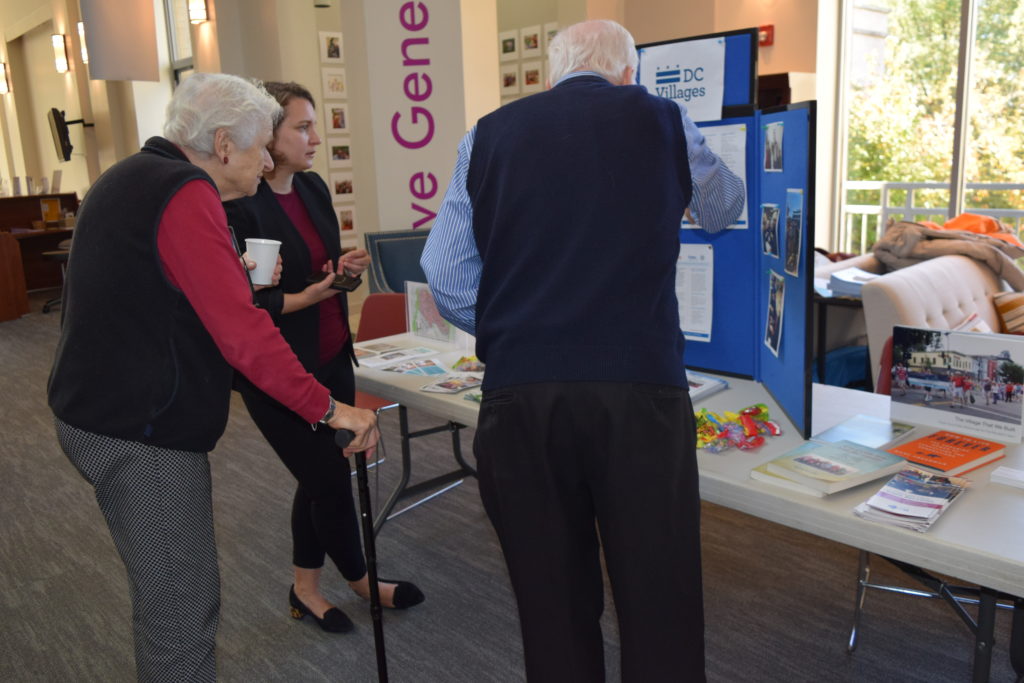
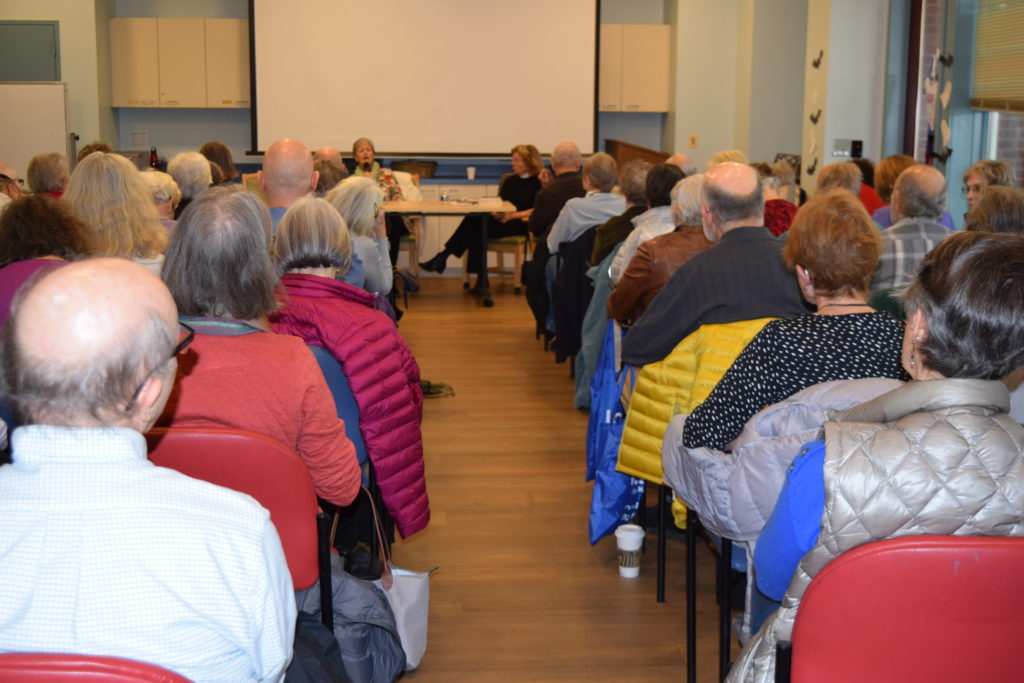
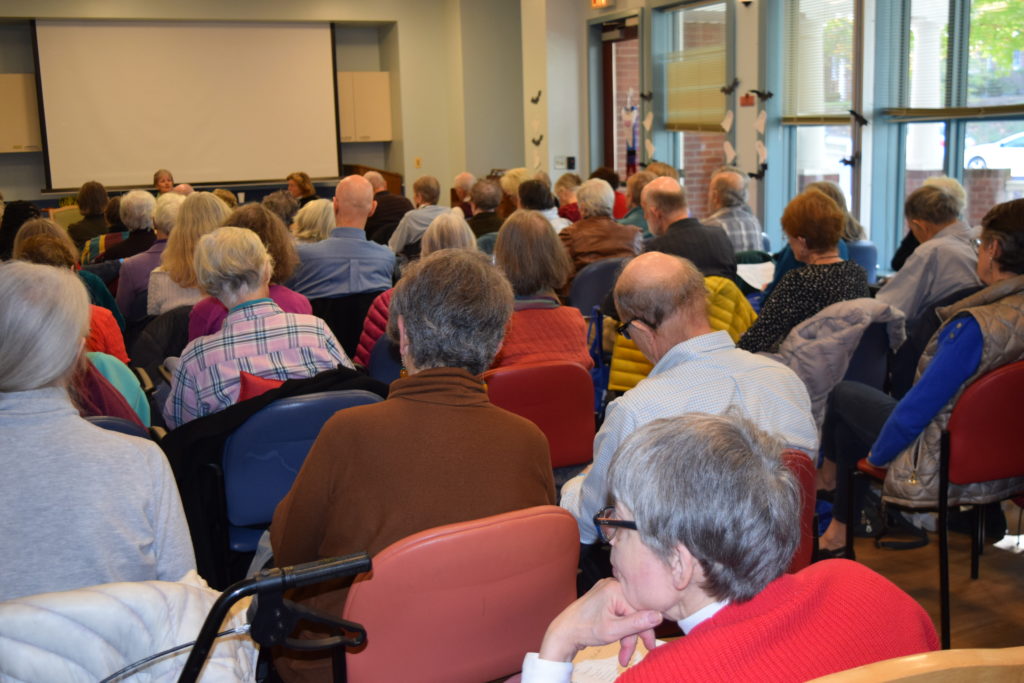
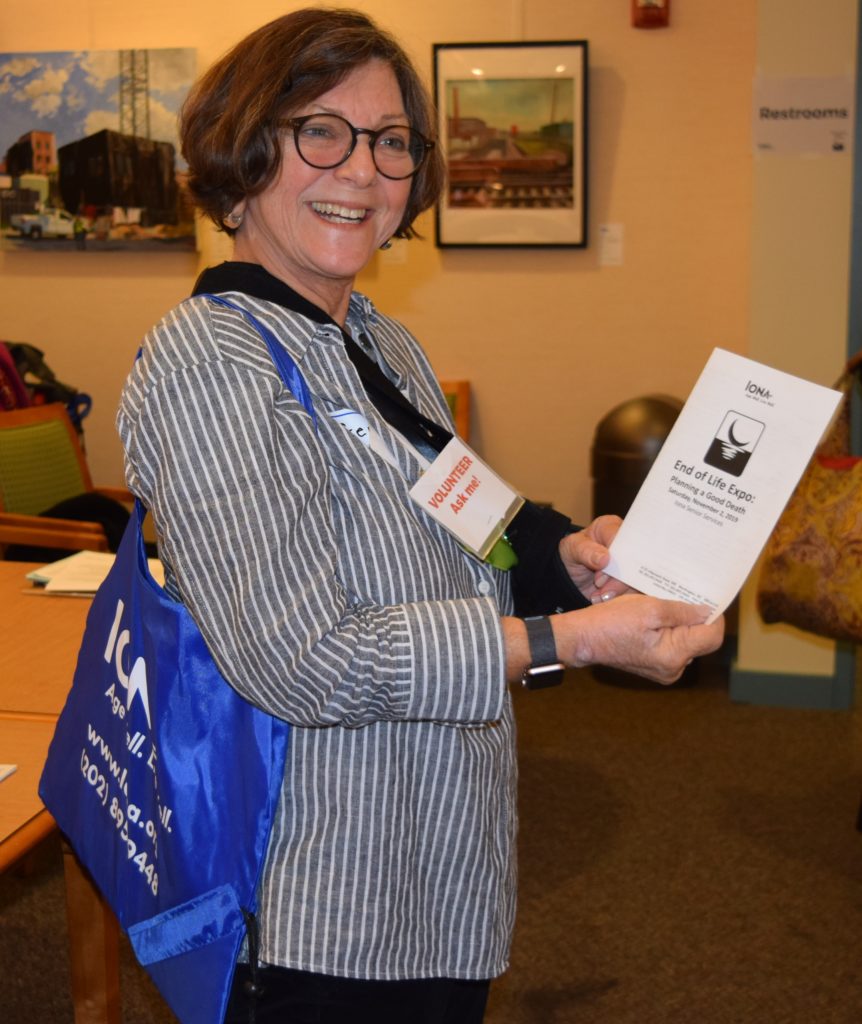
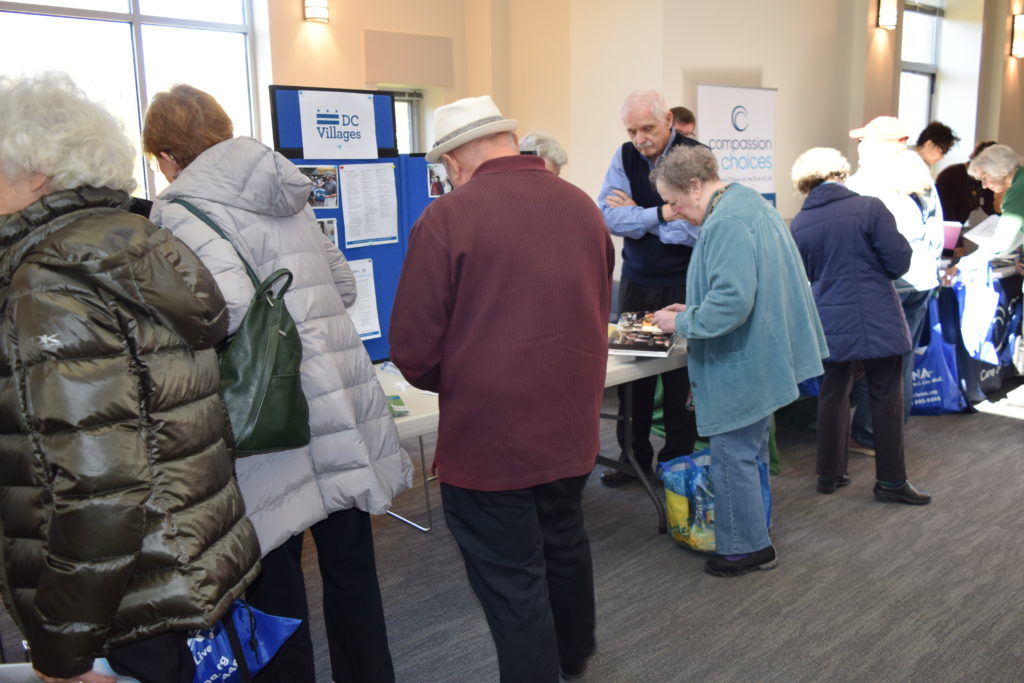
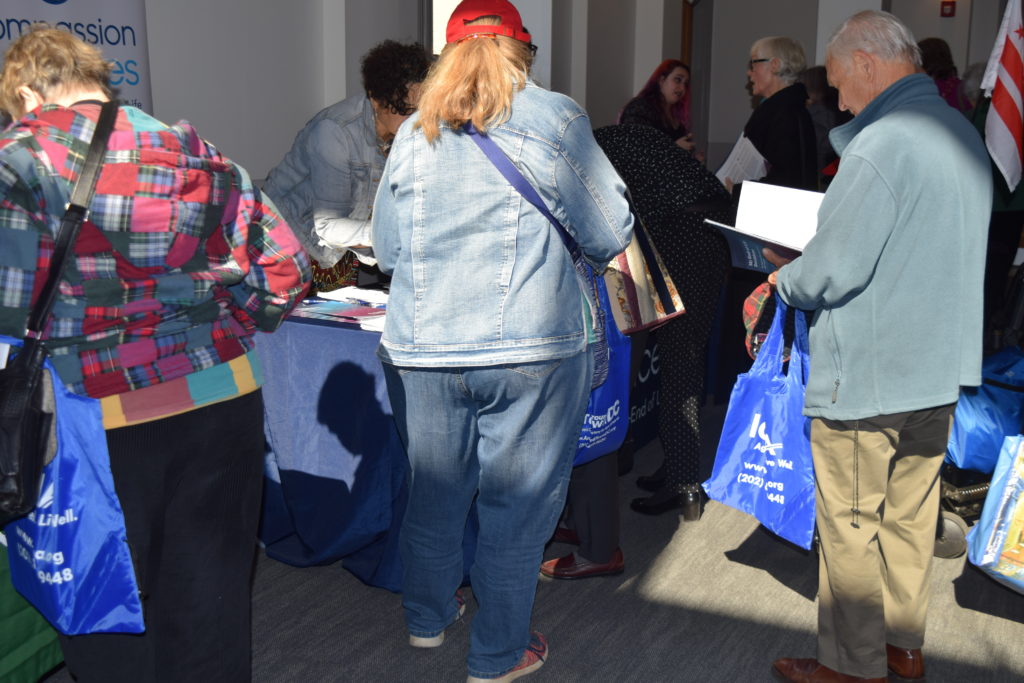
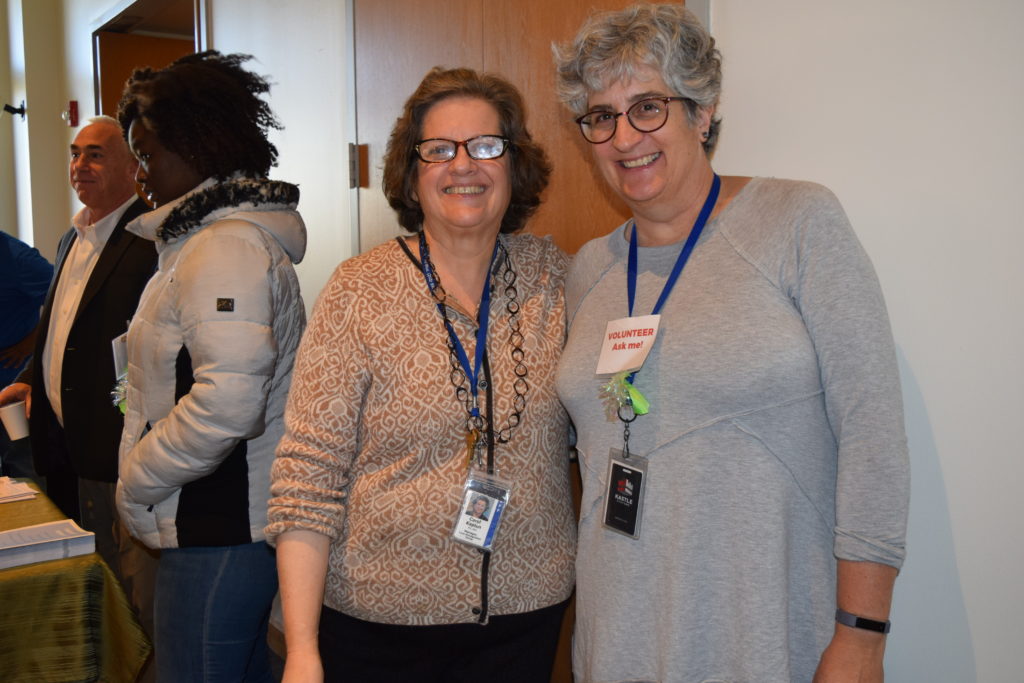
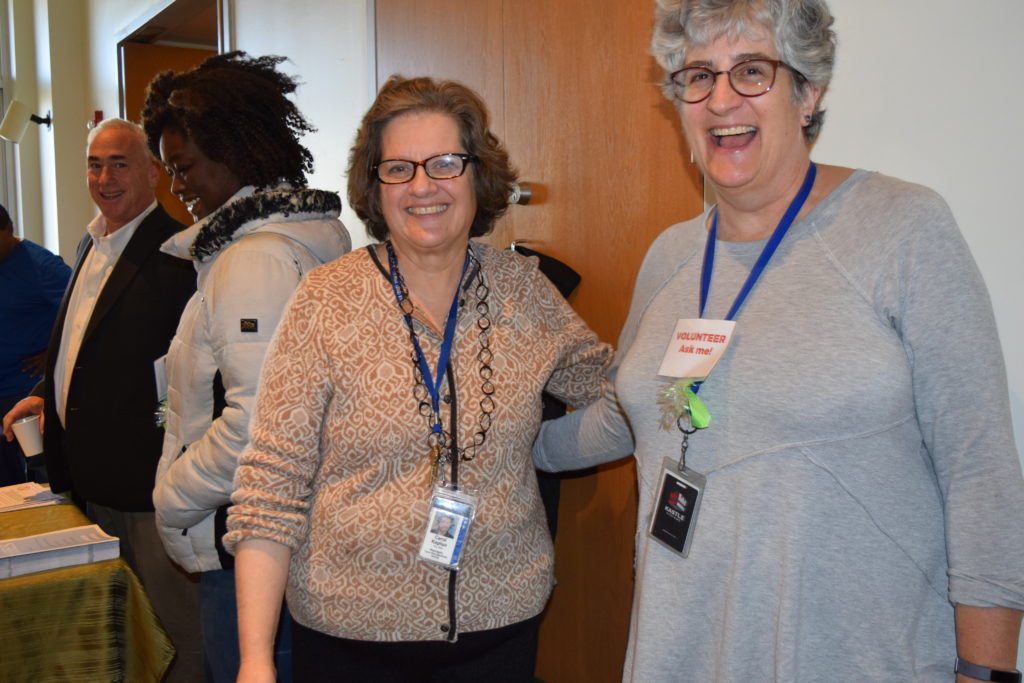
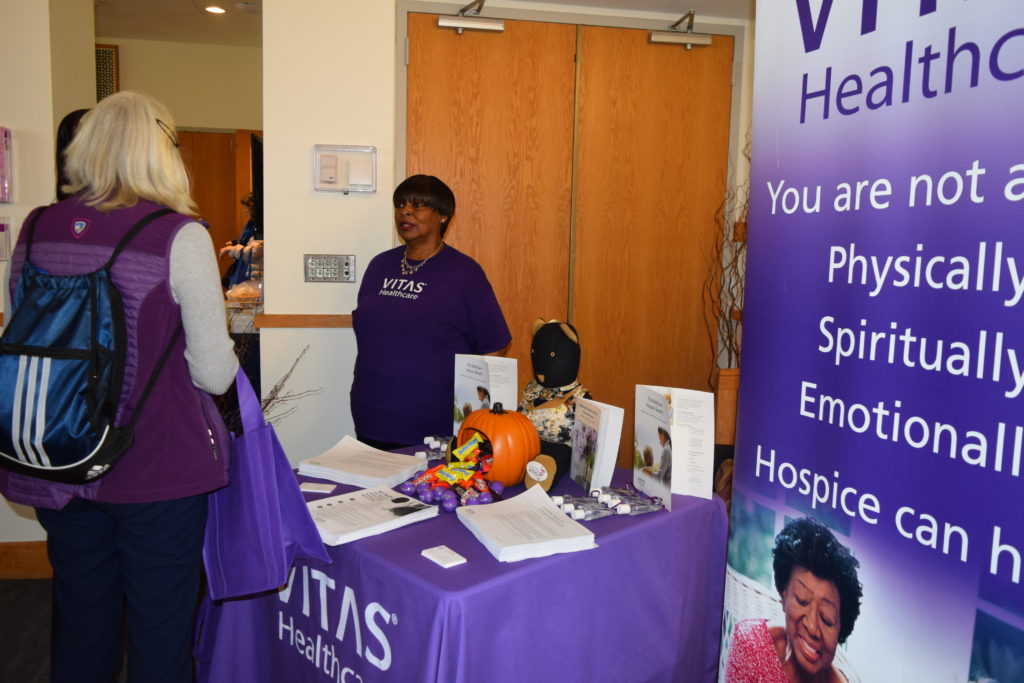
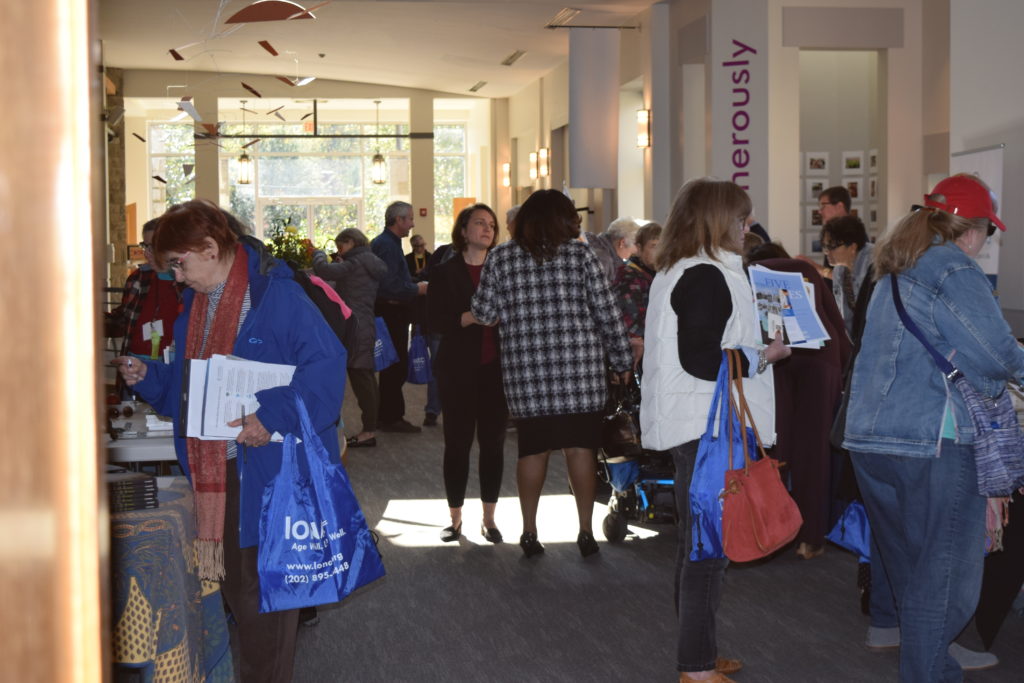
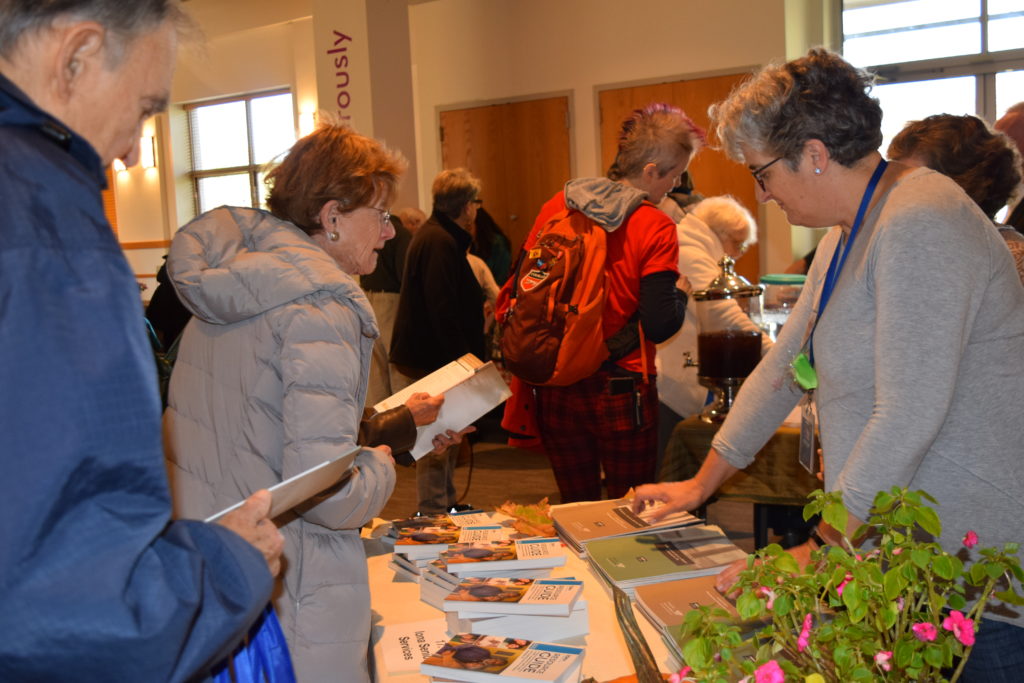
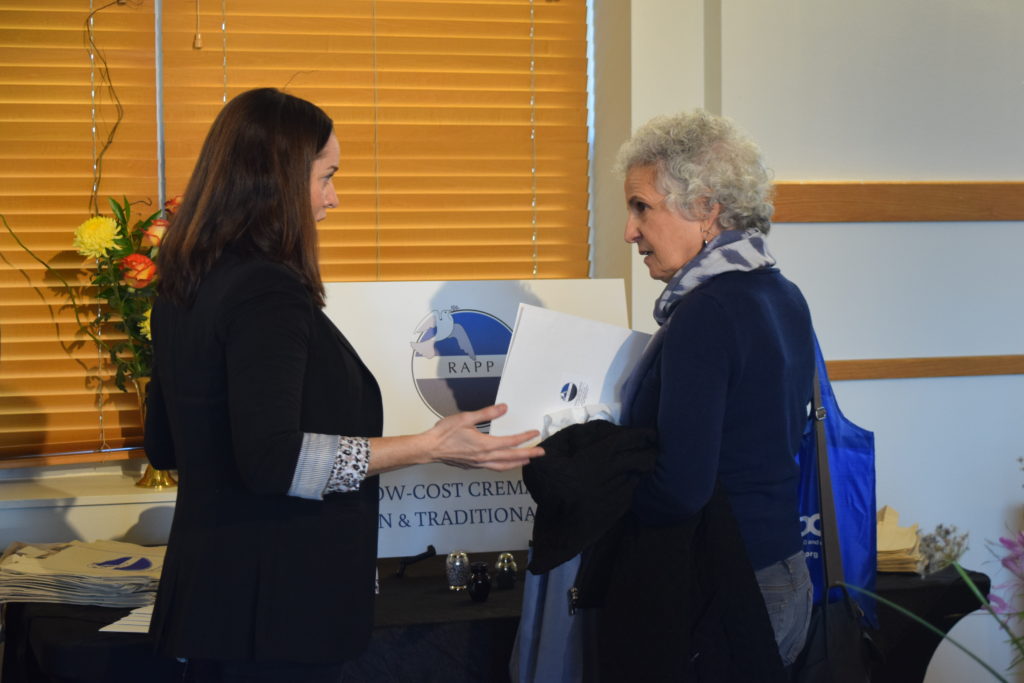
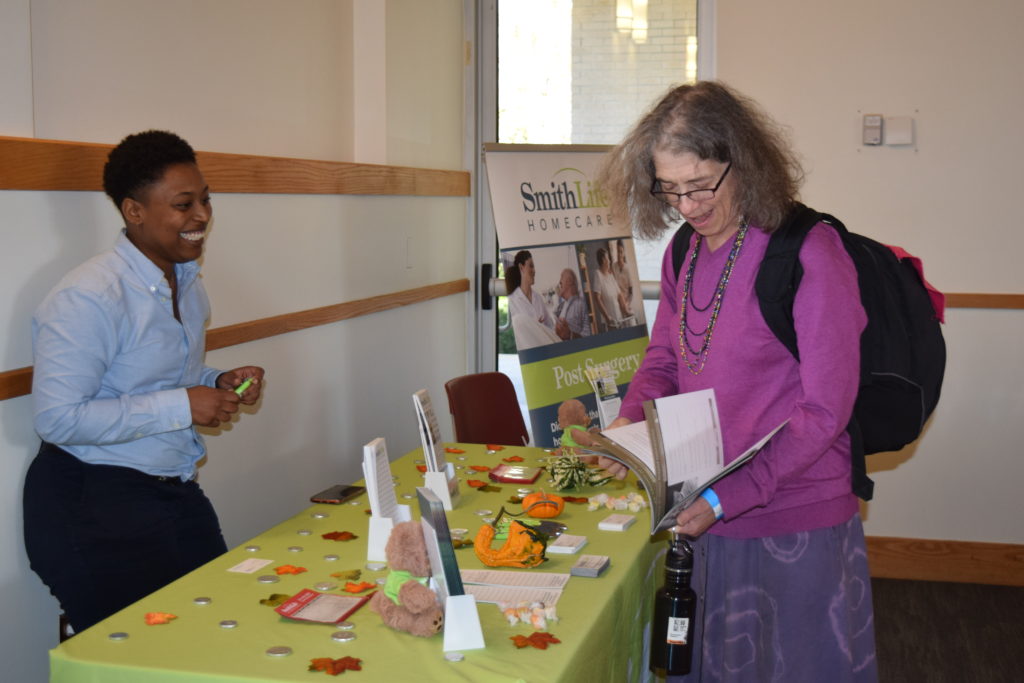
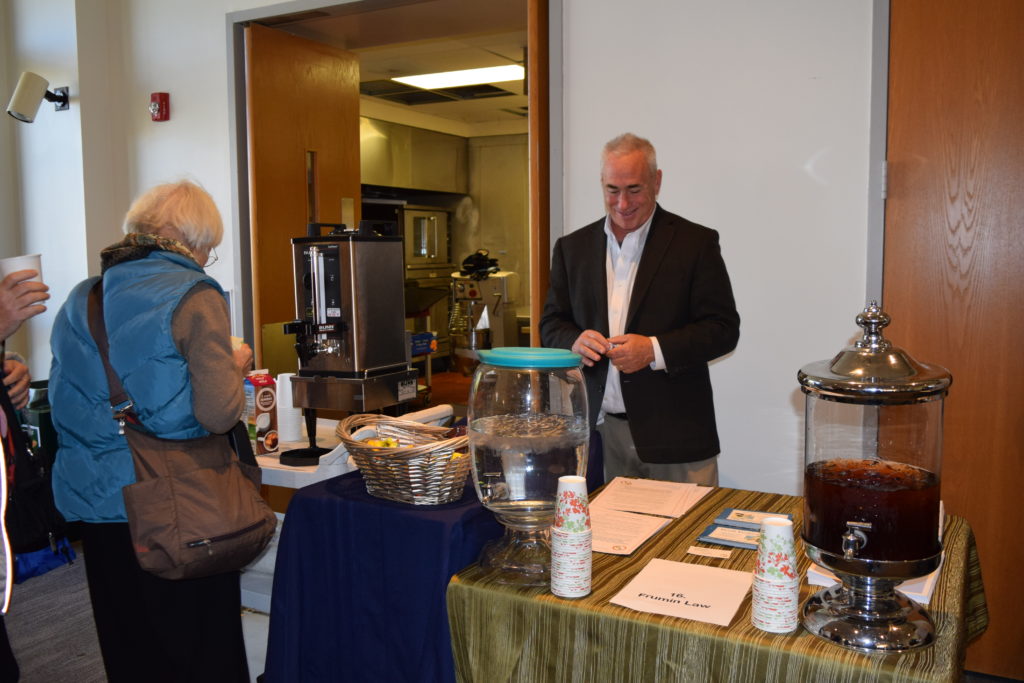
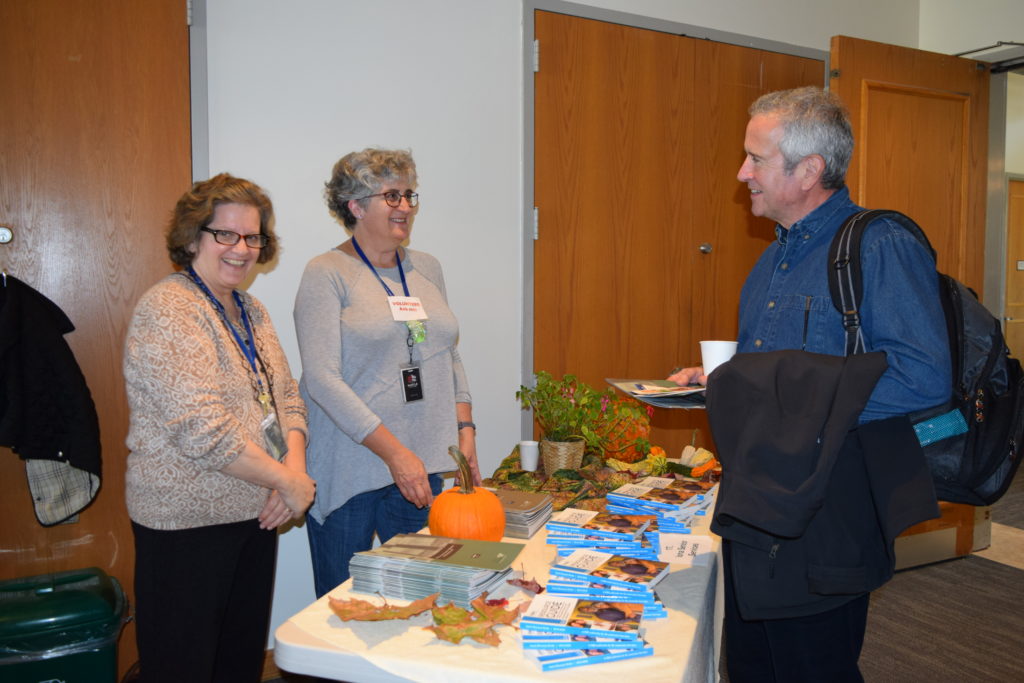
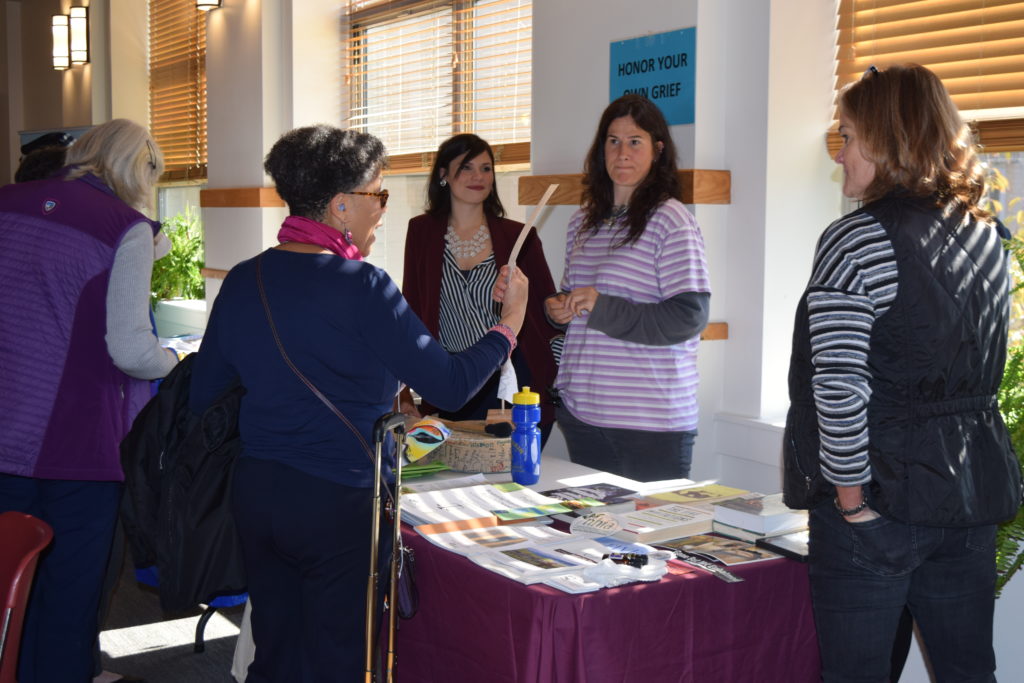
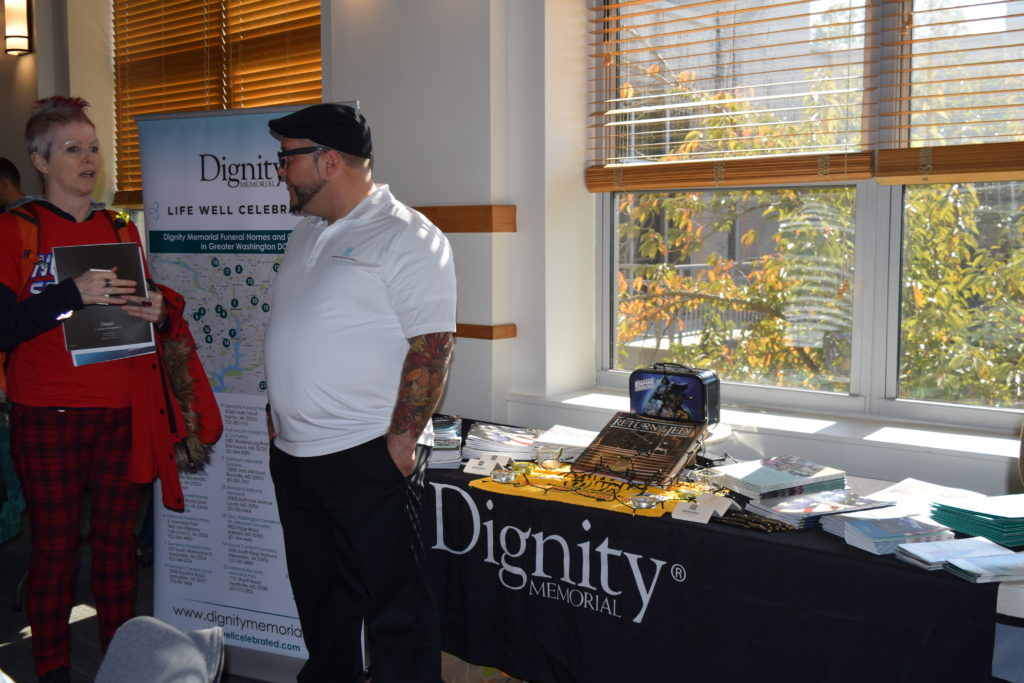
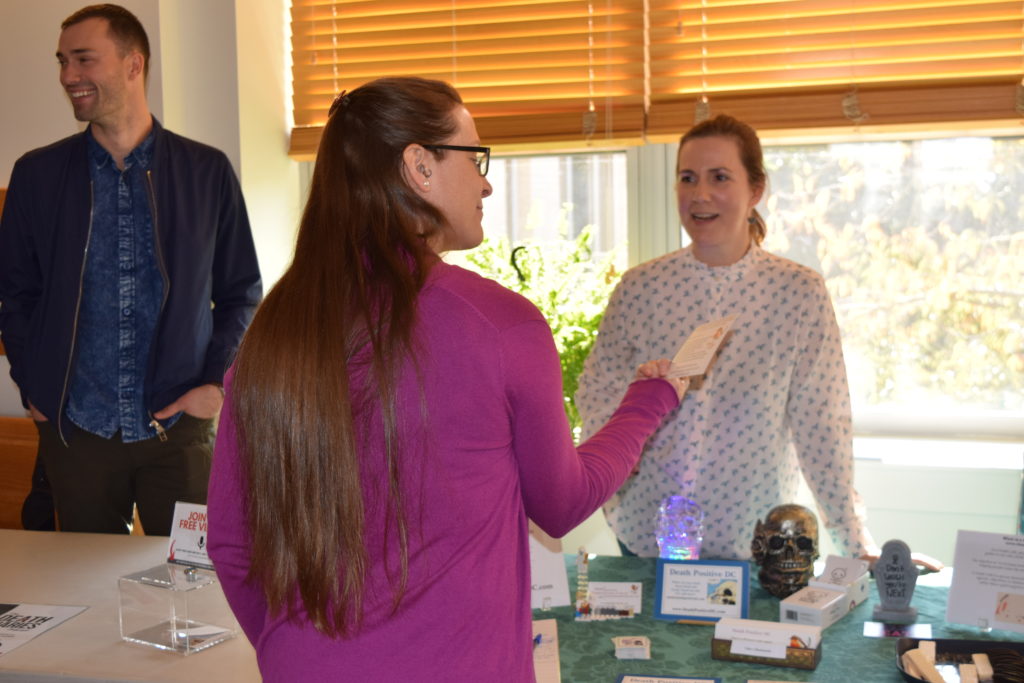
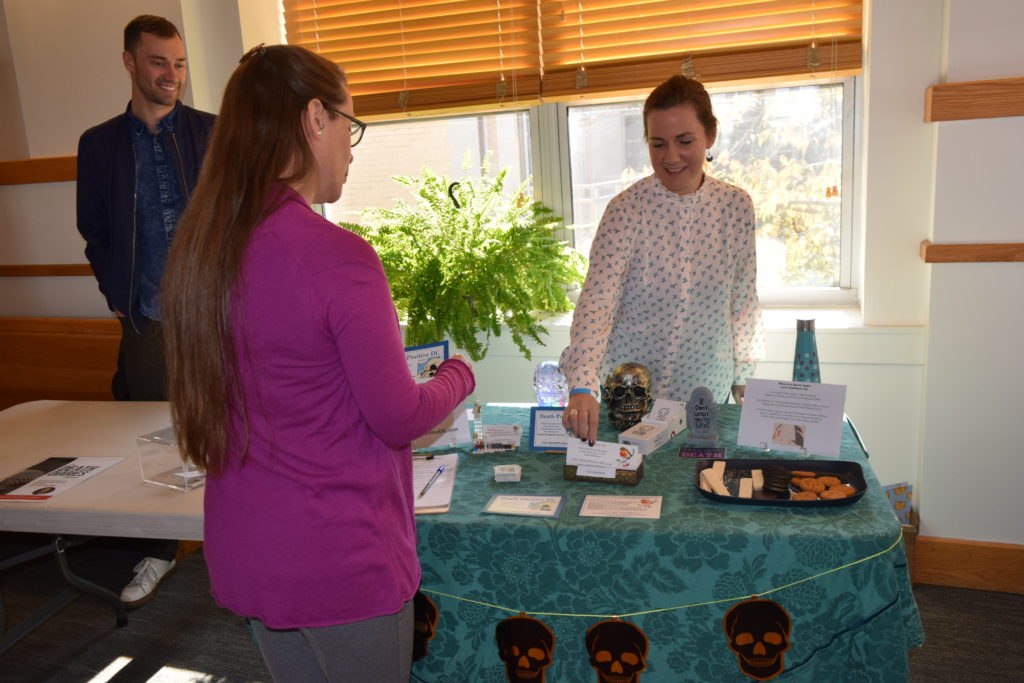
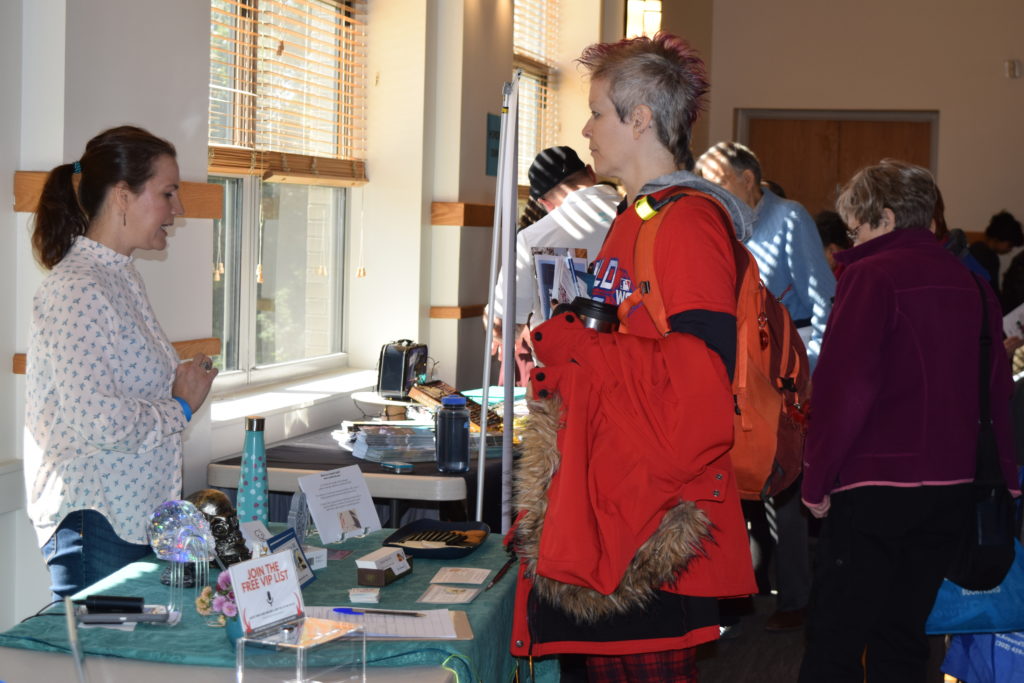
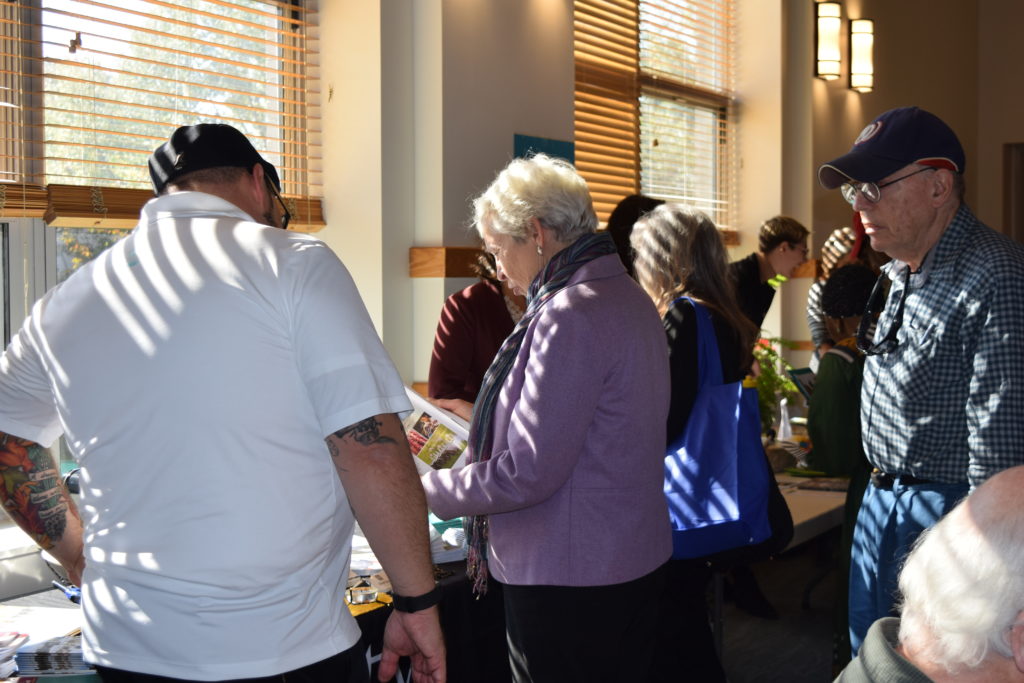
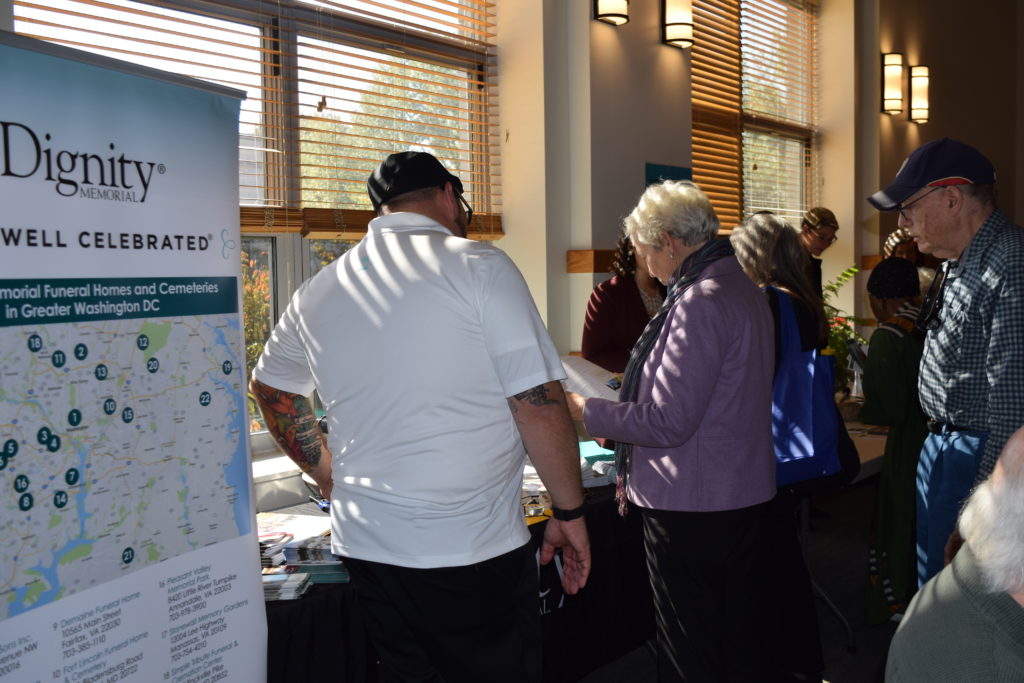
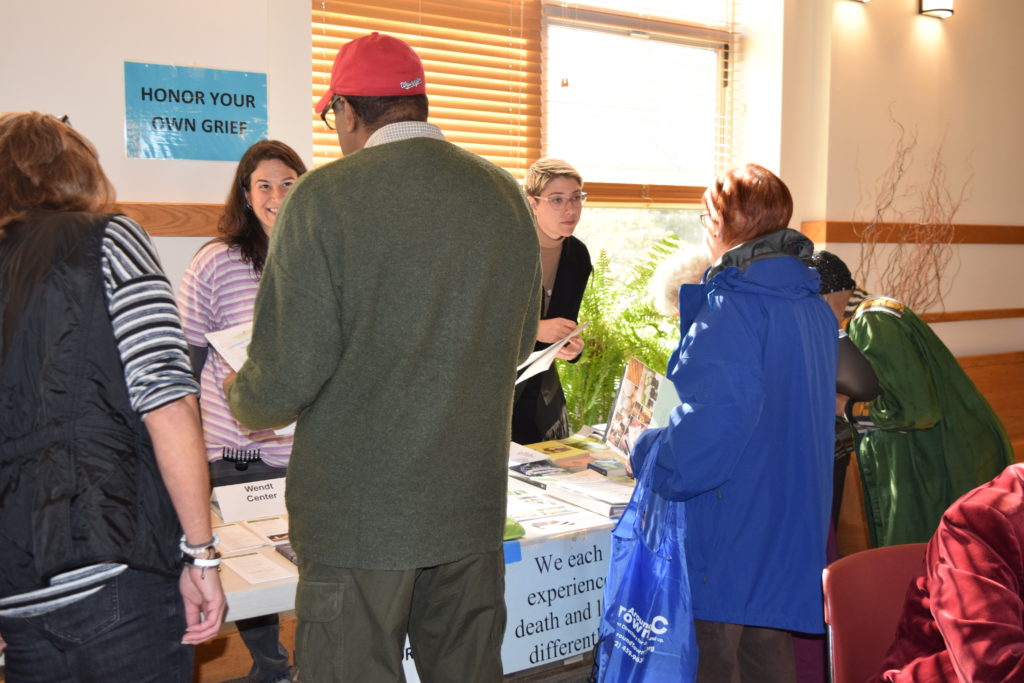
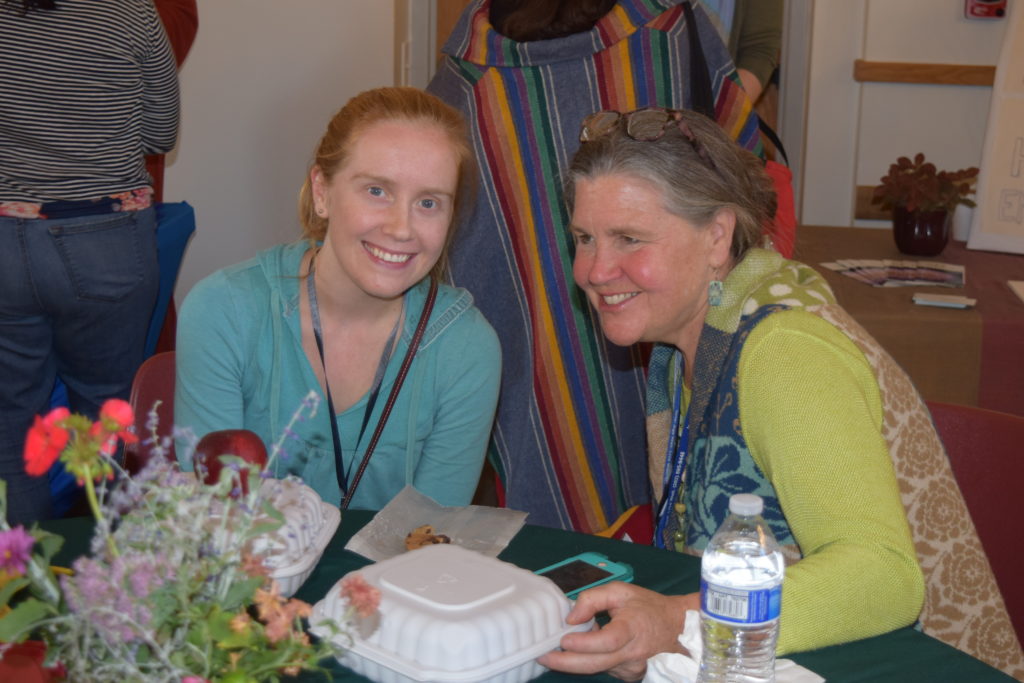
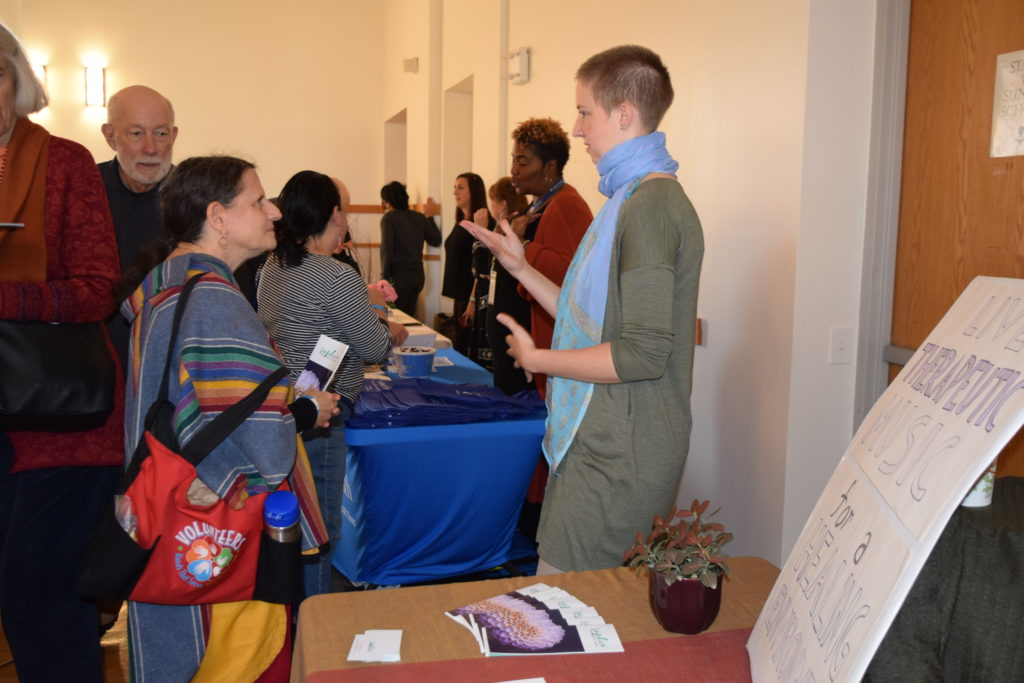
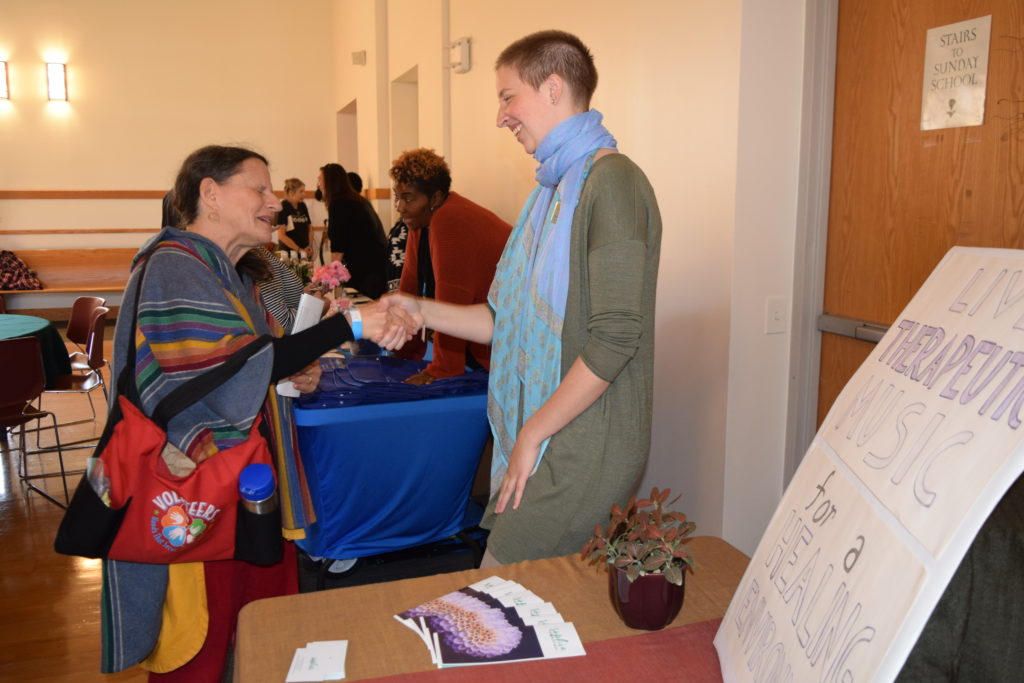
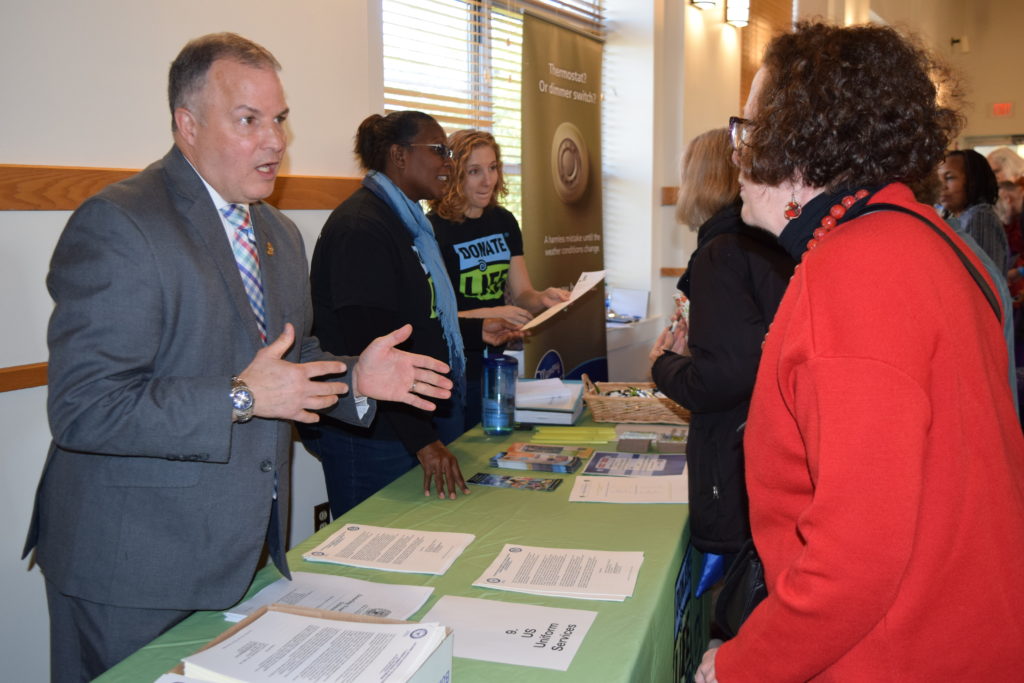
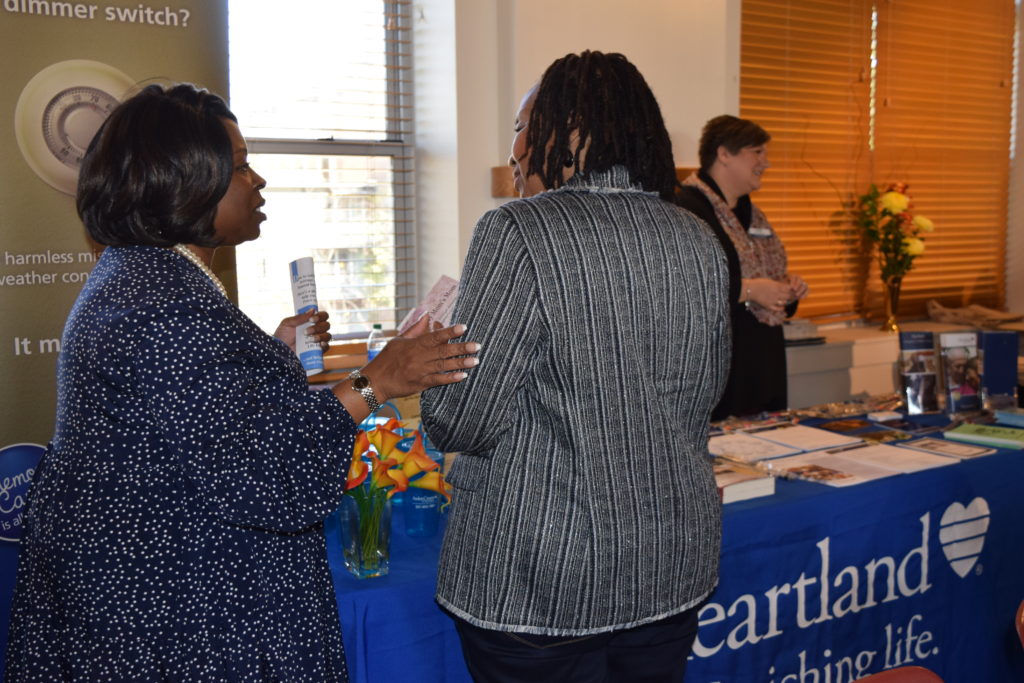
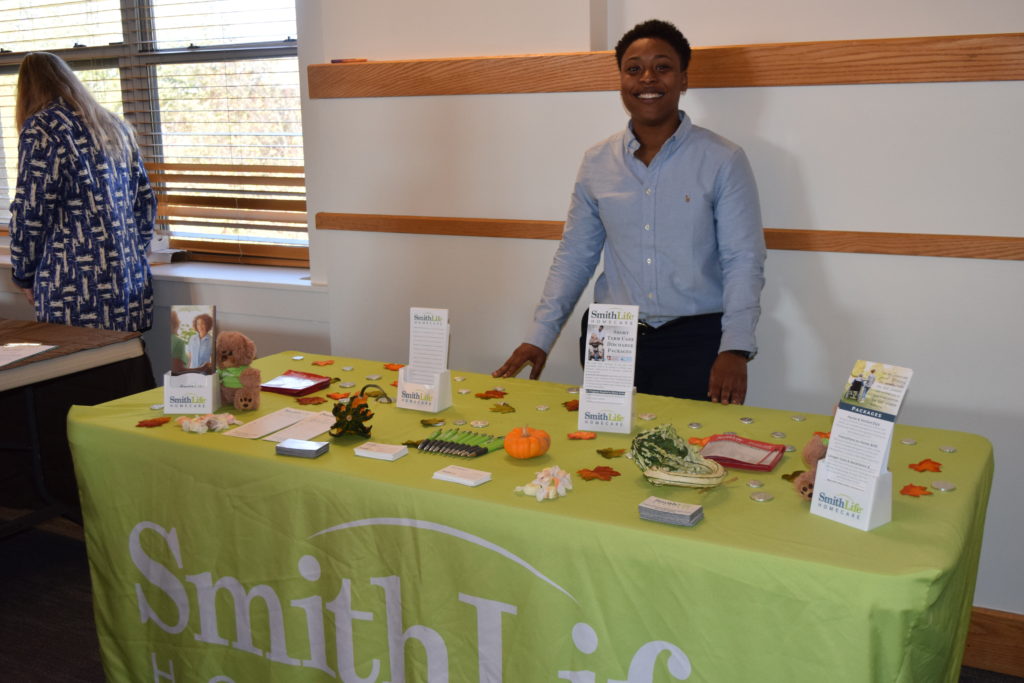
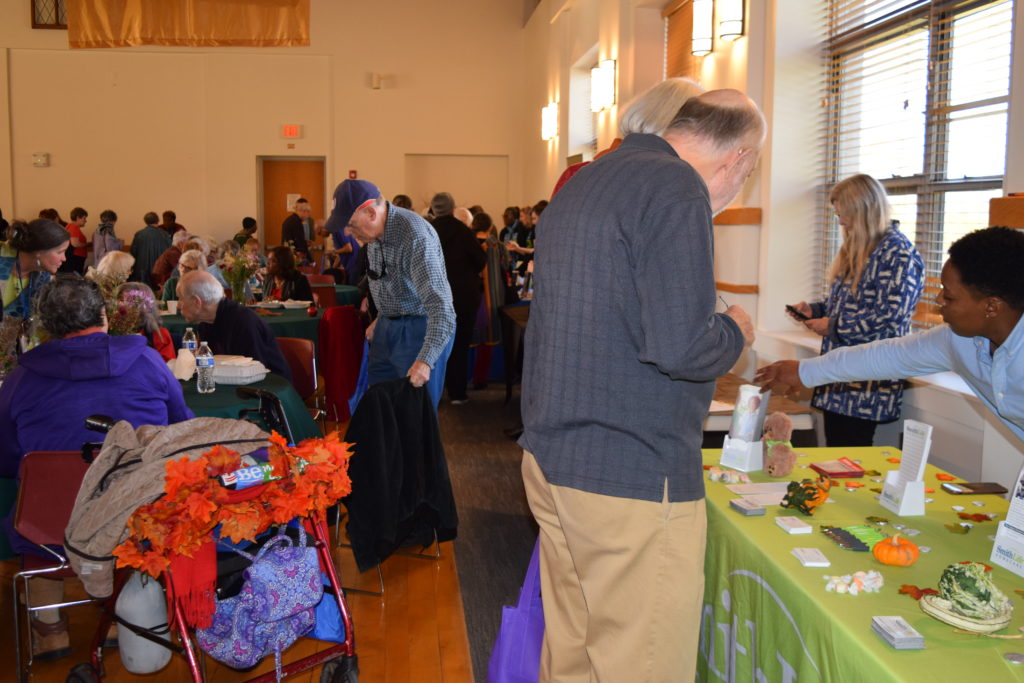
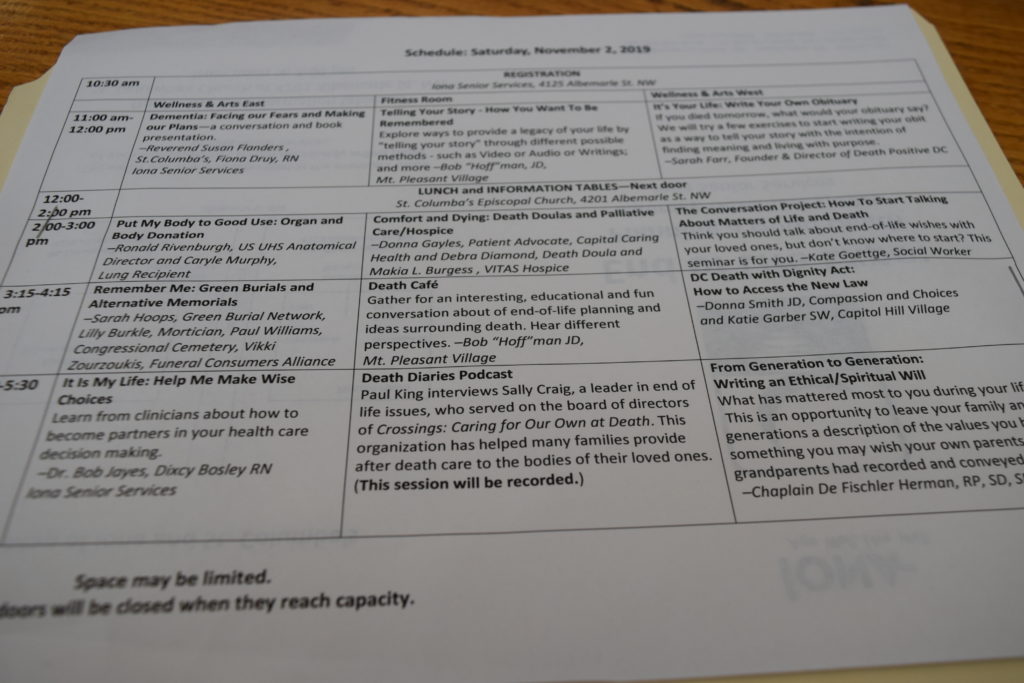
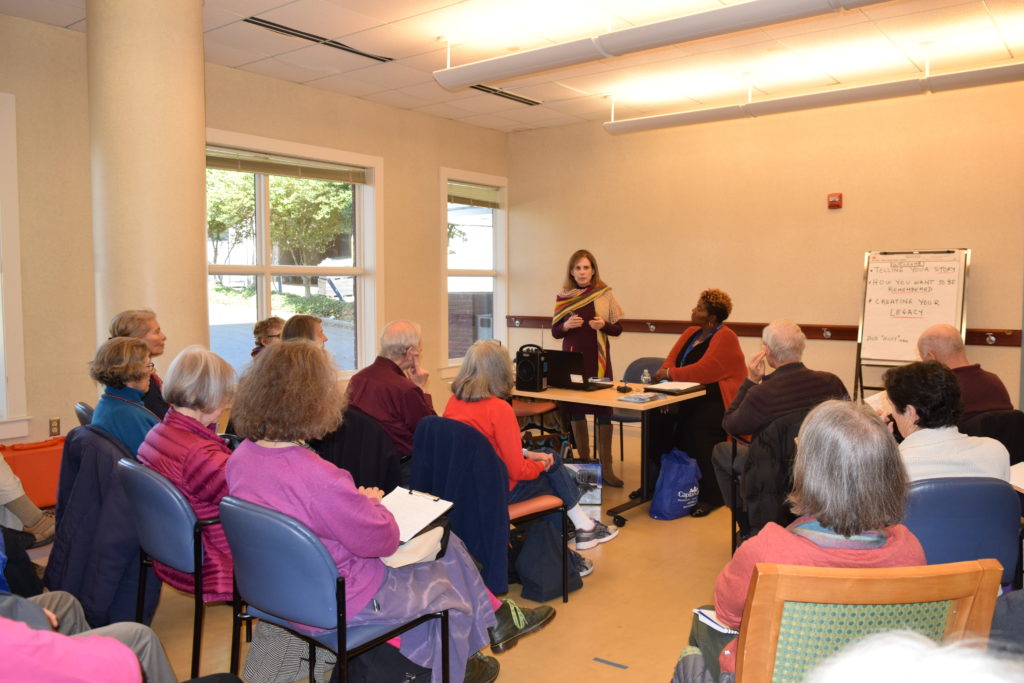
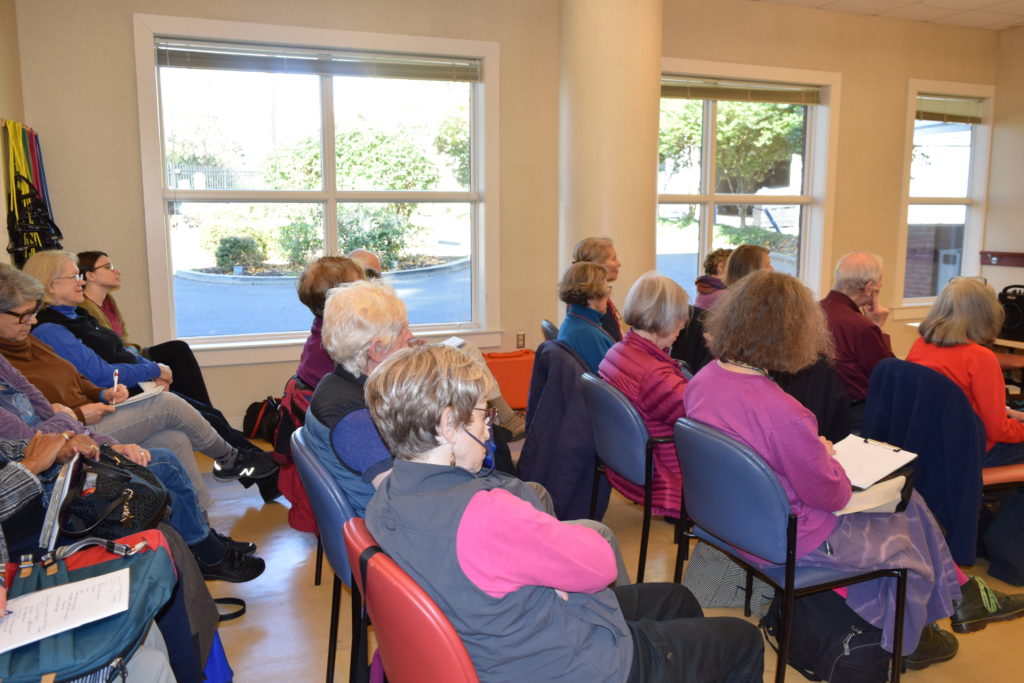
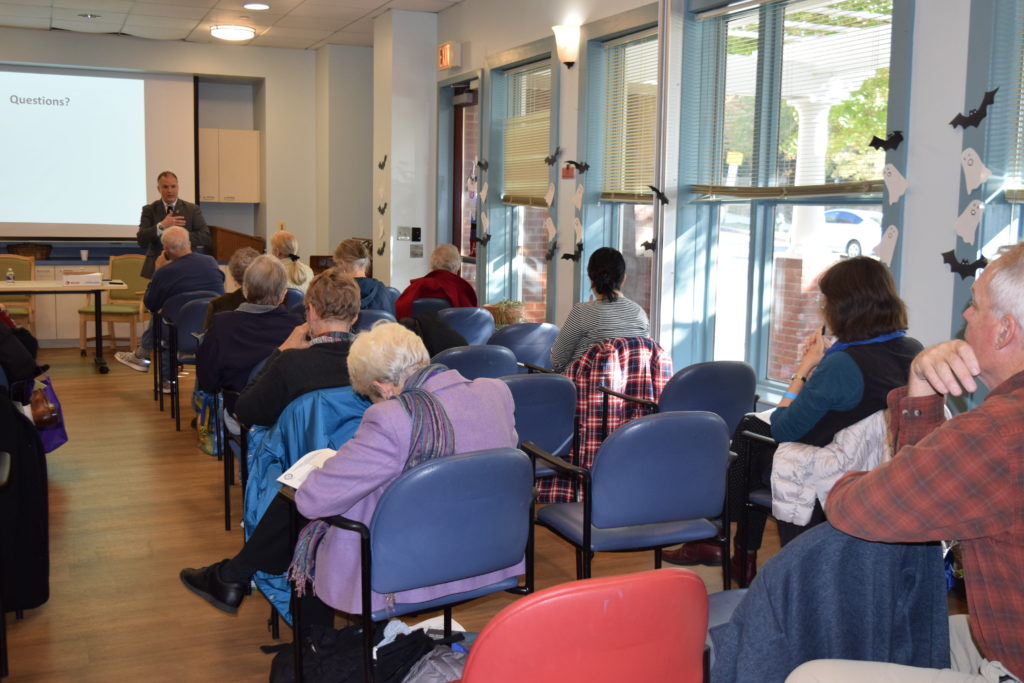
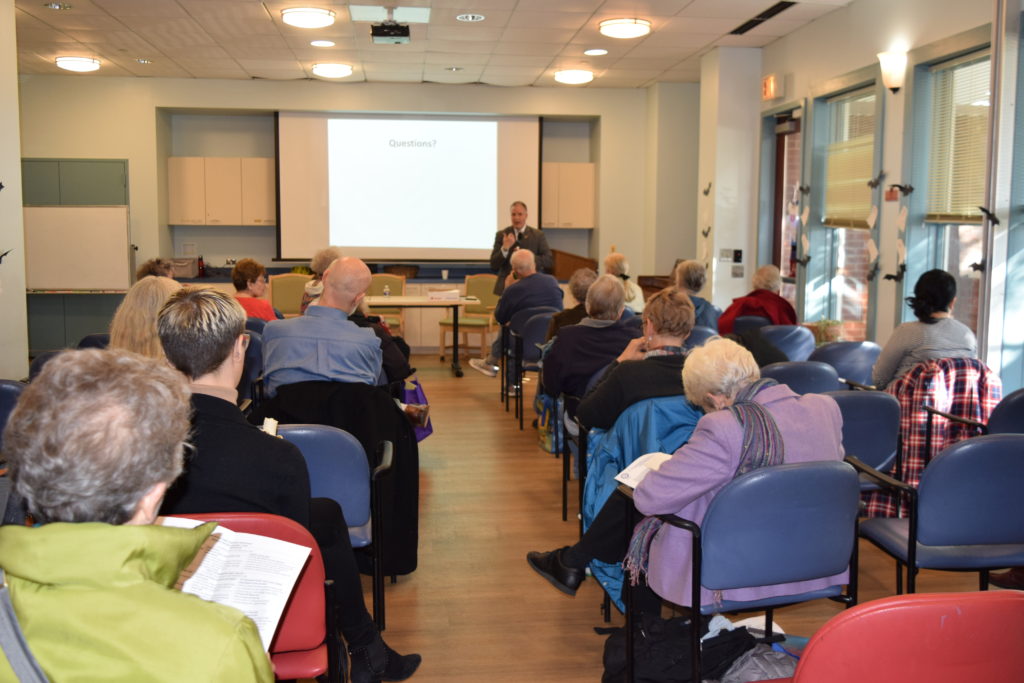
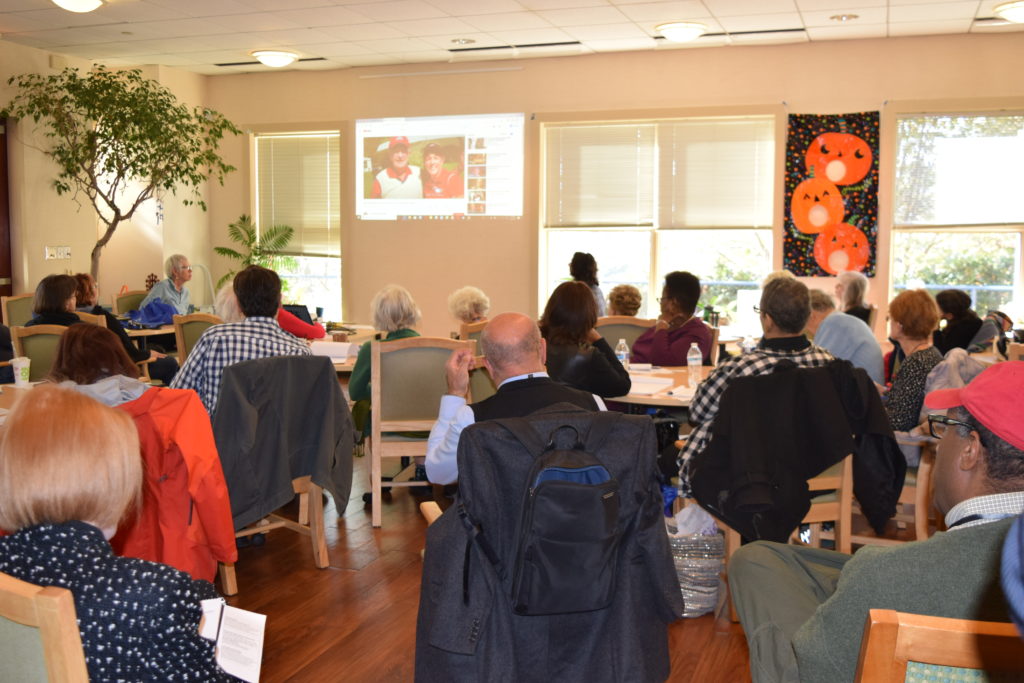
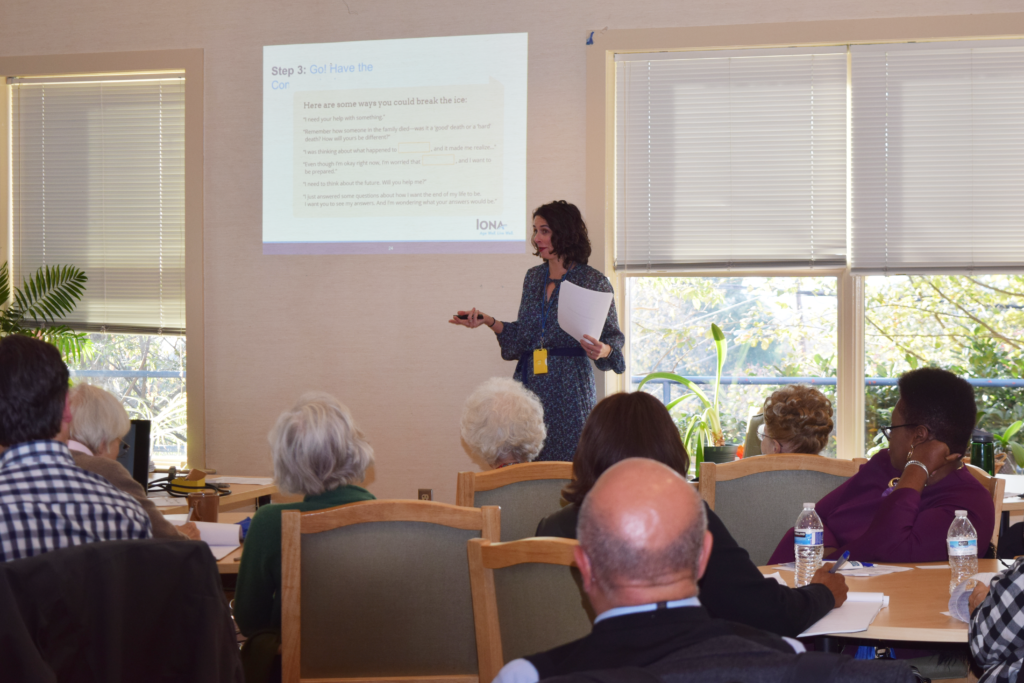
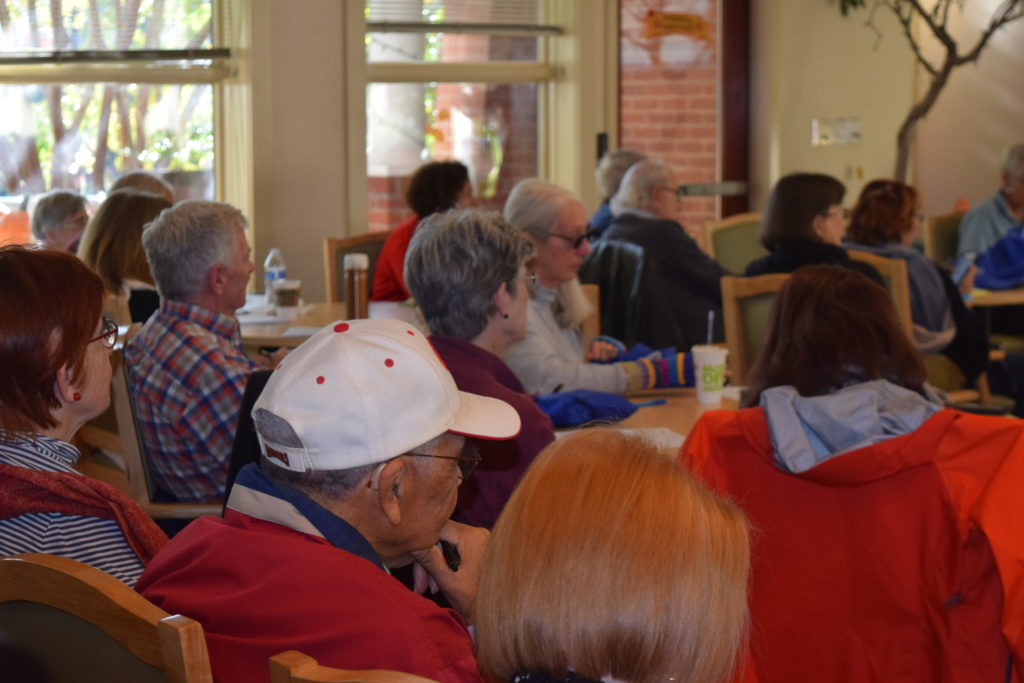
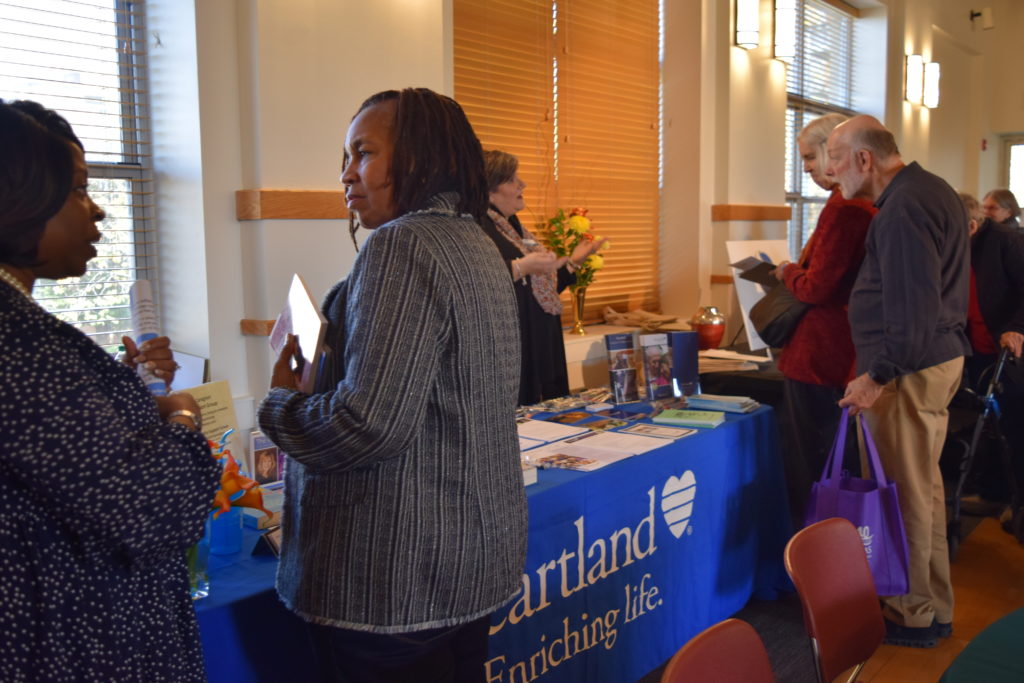
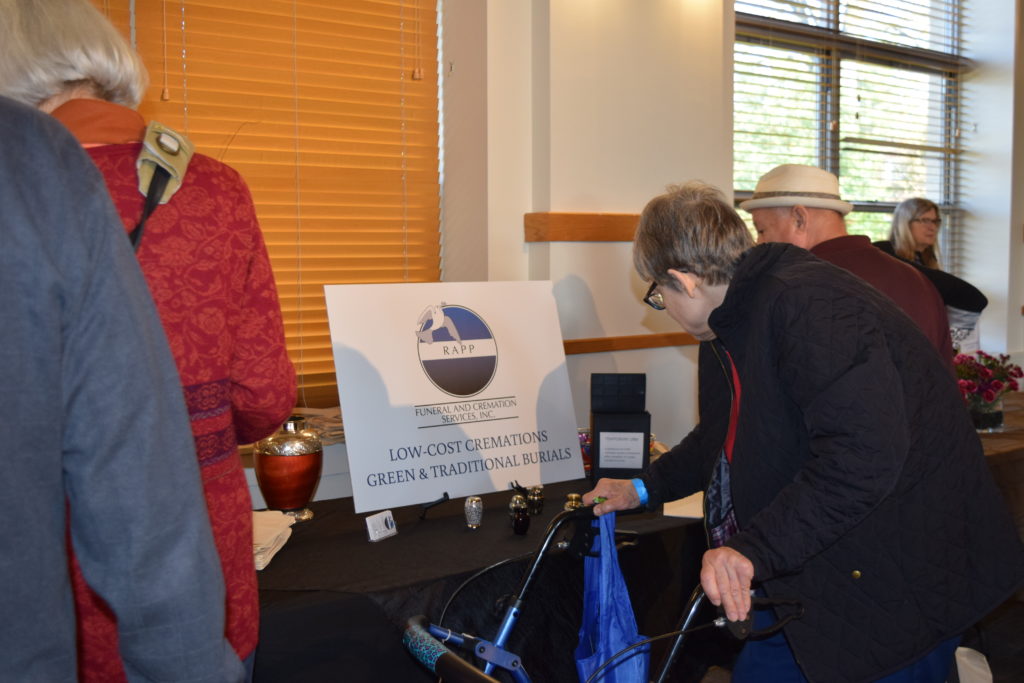
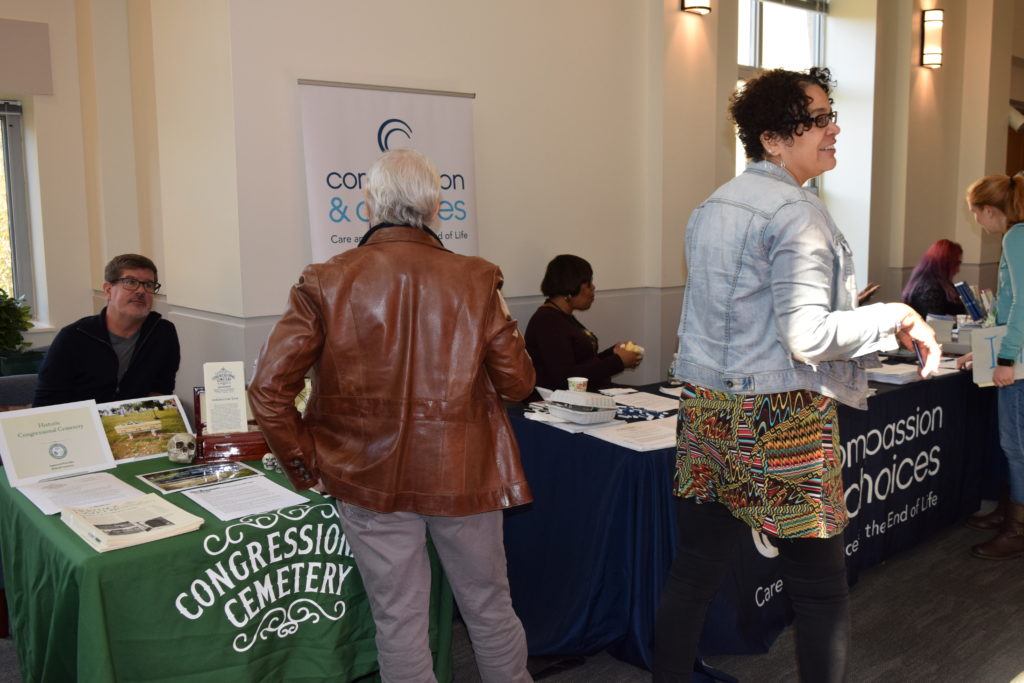
On Saturday, November 2nd, Iona hosted its first-ever End-of-Life Expo, which focused on preparing individuals for a “good death.” The Expo was open to the public and approximately 150 people were in attendance. There were 12 different sessions held with over 15 organizations. End-of-life professionals and practitioners, and older adults from all over the Washington Metropolitan Area attended the Expo. As death and end-of-life processes are often considered “taboo,” the Expo gave space for increased awareness while unveiling hidden and unknown resources. Presenters provided participants with tools, resources, and information to help them make wiser, clearer decisions, sooner, before a crisis occurs. Attendees were excited during discussions. Many were intrigued—asking questions, and engaging in group conversations.

Focal points included:

  • appointing a Power of Attorney
  • completing an Advance Directive
  • writing an obituary or living will
  • making a plan for folks who have any form of dementia
  • green or alternative burial options
  • palliative or hospice care options
  • organ and body donation, and
  • understanding DC’s law, Death with Dignity Act

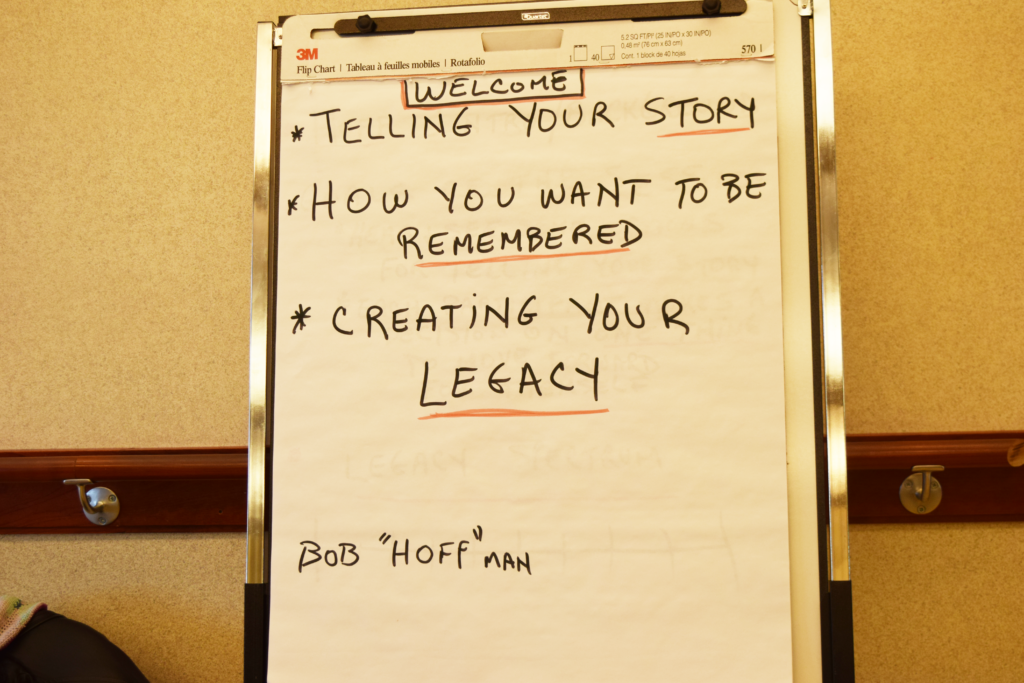
Bob “Hoff” Hoffman, in one session, led a Death Café, which is a space allowing attendees to engage openly and honestly about how they feel about death. Many shared what drew them to the Expo. Their interests were learning how to move-on after experiencing death, addressing fears related to death, and learning what their options are. A couple of quotes from attendees were, “Death is natural”, and “I’m not afraid of death; I would like to have control over it.”

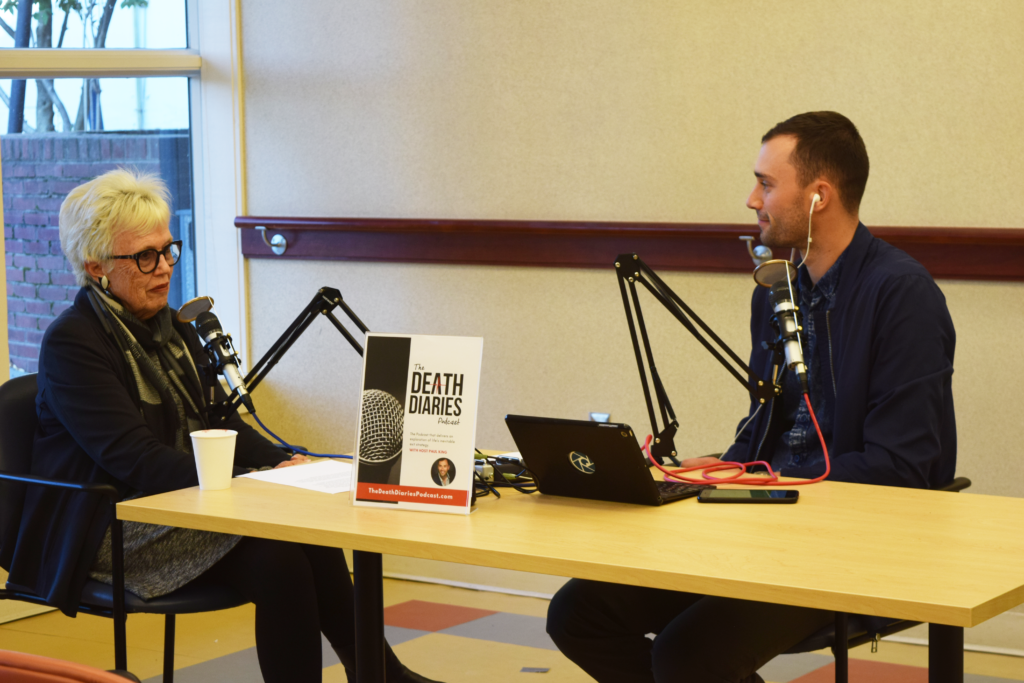
Another session included a live recording of the podcast, The Death Diaries. Host Paul King interviewed a leader in end-of-life issues, Sally Craig, about her experience with body care and preparation after death. Also, the Washington Post featured an article on a video that was featured at the Expo. The article is about a woman who decided to take control of her end-of-life, and is titled, “At 94, she was ready to die by fasting. Her daughter filmed it.”

Trending tips from presenters at the expo centered around:

  • having the hard conversations early
  • getting wishes and desires down on paper and to the right people, and
  • appointing a primary decision maker to protect against family members and loved ones in disagreement

According to presenter Reverend Susan Flanders, and author of “If I Ever Lose My Mind”, starting the conversation as early as possible is key to ensuring family members and other stakeholders find consensus.

The Expo exceeded Iona’s expectations and those of the attendees! Attendees left the event feeling more equipped for their ends-of-life.

Help us continue to spread awareness by encouraging people to get the information they need and have tough conversations on their end-of-life choices.

Thank you to everyone who was a part of the Expo—presenters, exhibitors, and guests!

To stay abreast of upcoming events and related workshops, sign up for our e-newsletter at Iona.org. If you are unsure about where to begin in your search for information and resources related to end-of-life, call our Helpline at 202-895-9448 or email info@iona.org. See pictures from the Expo below.

Six new ways to exercise your brain

As you get older, you may experience some memory loss like momentarily forgetting someone’s name or misplacing your keys. What is unusual–and concerning–is if you’re forgetting close friends or family, getting lost in your neighborhood, or forgetting how to use common objects. Serious changes in memory like these are not a normal part of aging, and should be evaluated by a physician.

There are a number of factors like poor diet, lack of exercise, lack of sleep, or limited social and mental stimulation that contribute to your brain health and memory. Fortunately, there are simple strategies you can adopt now to help your overall brain health.
Eating your veggies, getting a good night’s sleep, and regularly exercising are all important habits for maintaining your physical, cognitive, and emotional health. But, your brain needs exercise too. Trying new things that are challenging and fun can get your brain out of a rut.
Here are six new ideas for exercising your brain:

    1. Play new word, number, and strategy games.

    2. Learn new things like recipes, a foreign language, or musical instrument.

    3. Drive a different route home.

    4. Use your non-dominant hand more, such as for brushing your teeth or when eating.

    5. Read aloud (which engages more of your brain than reading silently).

    6. Socialize with new people.

      Studies have shown that socially active people are less likely to develop Alzheimer’s. Examples of activities include getting together with family and friends on a regular basis, joining a book club or other type of group, volunteering, or even getting a dog so you can meet people at the dog park. An added benefit from socializing is that it’s also good for your emotional health.
These are just a few of the ways you can take care of your brain and overall self. Have any other ideas for how you keep your brain fit and active? Let us know in the comments!
Five Simple Tips for Self-Improvement


It’s never too late to try something new, build a new, healthy habit, shake up your normal routine, or even find help you might need. However, contemplating change can cause “shut down.” Therefore, we encourage you to identify manageable steps that you can do now.

Here are five simple tips to help you get started.

  • Declutter and redesign your living or office space. Think about how your primary living or work space makes you feel, and then focus on how you want the space to make you feel. Start with decluttering. Take your time, work room by room, and use the Four-Box Method—have one box each for trash, donate, keep, and relocate. Then, select a color scheme and a layout. Finally play with the set- up from there and accessorize—adding decorative accents. The idea of sorting through a lifetime’s accumulation can seem daunting, so we recommend that you break up the time by doing 15 minutes of work at a time.
  • Challenge yourself. Write down the things that you’ve always wanted to try, or even feared, and pick one at a time to focus on. You can even sign-up for a new class. Consider a training that interests you. Since the development of the internet, there are many resources and learning opportunities available to you. You can find both free and paid options for webinars, e-courses, and tutorials. Check out what Iona offers in the areas of nutrition, mental health, wellness, and fitness.
  • Join or create a new social group. For example, you could join a book club, start a group chat for family or friends, or join a Village. Villages provide access to services that support the goal of remaining at home as long as possible. Volunteers and limited paid staff can help with transportation or simple tasks (like walking a dog), provide social support, and make referrals to vetted services. Through expanding your social circle can bring about new ideas and motivation, while also building comradery, and giving you a sense of belonging.
  • Set a new goal or build a new habit. Think about a new habit or goal that you want to achieve. Write them down. To help strengthen your direction toward this new goal, consider make a vision board or presentation—adding visual aspects helps build motivation and brings a little more life to your goal. Designate a time daily, weekly, or monthly to work on strengthening your new habit or goal until you become accustomed to doing it. Set reminders on your phone or calendar to help. For example, you may want to work out more regularly, do art, or write more; therefore, you might choose to work out, paint, etc. every Monday evening. Check out what Iona offers in the areas of nutrition, mental Health, wellness, and fitness. You can also visit Around Town DC, a joint project of the DC Department of Aging and Community Living and Iona, which is one source for local recreational activities in Wards 2 &3 for older adults. Search the directory and sign-up for our popular Concert, Conversation and Lunch series, field trips, art and music classes, fitness classes, social gatherings, and educational presentations, lectures, or discussions.
  • Research Care Managers in Your Area. A care manager can assess your needs, help arrange services, and monitor the services to make sure your needs are met. They can also be on-call in case of emergency. At Iona, we call our geriatric care management services, “Iona Care Management.” You can learn more about Iona’s services by calling our Helpline at (202) 895-9448. Aging Life Care Association also has a tool on their website to search for experts.

Feedback for Iona