2017 Year-end Roundup of Iona’s Favorite Posts

It was a big year: we redesigned and launched Iona’s new website and blog, featured stories and essays from members of our community, shared resources and tips for caregivers and individuals planning ahead, and more. Make sure you haven’t missed our favorite blog posts from the last year!

Here are the Top 10 Blog Posts published by Iona in 2017, according to Google Analytics page views:

  1. Meet Iona’s Art Therapist: Beth Kim

  2. How to know if it’s time to make a move? Three essential factors to consider when aging in place

  3. Iona Staff Picks for National Book Lovers Day

  4. Why language matters: ending ageism on “Senior Citizens Day”

  5. More than Medicare & Social Security: 20 Other Federal Programs for Older Americans

  6. How to Manage Your Anger When Caring for Someone with Dementia

  7. Patterned treasures from Kansas: How a quilt box connected me to my grandmother

  8. But I Don’t Need Your Help: Five Reasons Your Parents May Resist Your Support

  9. My New Neighbor: It’s Not Who You’d Expect

  10. Five tips for communicating with someone with memory loss

Is there something that you would like Iona to write about in 2018? Please let us know in the comments!

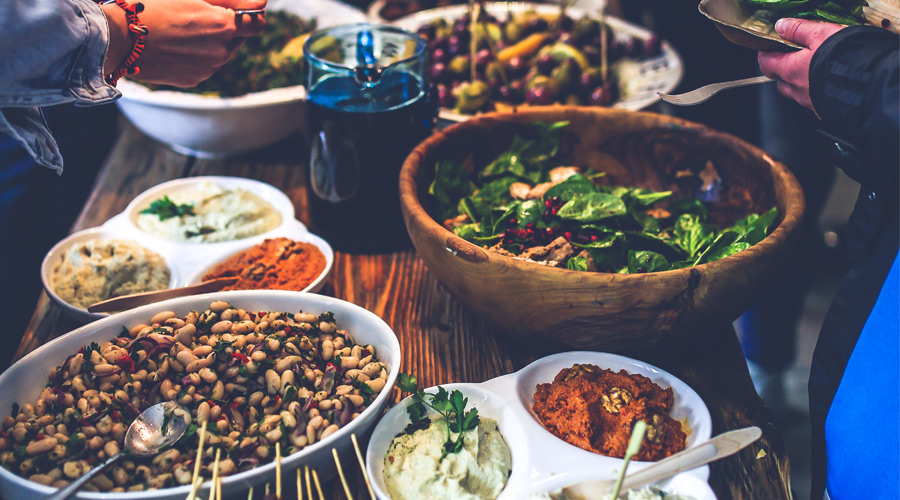
Ten tips for practicing healthy eating habits during the holiday season

For some, the holidays might mean multiple family and friend gatherings with tons of rich food. For others, this time of year might be a stressful or even solitary time, where food can be a real comfort. No matter your situation, the question is the same: “How do I stay on track with healthy eating habits during the holiday season?”

Our advice is simple: the holidays should not be about deprivation, guilt, or gorging. While many individuals focus on getting through the holidays without overeating, in the process, they forget about other joys of the season.

Take the time to step away from holiday stress and hype and focus on self-care and mindful eating, instead.

To help you, here are 10 tips for staying positive and healthy this holiday season:

  1. Get a good night’s rest. If you can, sleep at least seven hours per night. The more rested you are, the more likely you are to be the happiest version of yourself (and the less likely you are to overindulge with food and drinks).
  2. Move your body or keep up your normal exercise routine – physical activity can help you avoid unwanted holiday pounds. Plus, it’s good for your mental and emotional health.
  3. Observe and listen to yourself and others with empathy and kindness. While the holidays can be a time of joy, there can also often be stressful moments, whether it’s trying to keep up with unrealistic expectations or ignoring some of your needs. Be patient with yourself and others.
  4. Eat a high protein or high fiber snack before you go to a gathering so you aren’t ravenous when you get to the refreshment table.
  5. Fill your plate with vegetables and fruits or other plant-based offerings before indulging in sweets.
  6. Savor and enjoy the taste of two or three bites of items such as cheese, fatty meats, or homemade special occasion sweets. Then, take a break and step away from the food table and focus on something else, such as talking to someone new.
  7. Skip fatty chips and any highly processed or packaged snacks, candy, or desserts – if it’s not special, just don’t eat it.
  8. Keep libations light by alternating alcoholic drinks with glasses of water.
  9. Sip slowly and savor your meals and party foods – mindful eating can be enjoyable and gives you the time to appreciate and relish in what you are eating.
  10. Reach out to others – socialize with new and old friends or family.

Let us know in the comments how you practice mindfulness over the holidays!


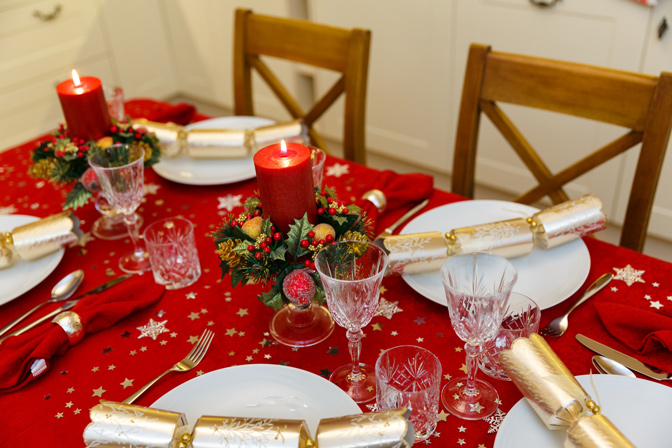
Getting ready for the holidays when caring for someone with Alzheimer’s

The time is upon us once again to be thinking and planning ahead for the holidays. For so many of us, this is a stressful time of year even before taking into consideration our caregiving responsibilities. Large gatherings of family and friends can also be stressful and overwhelming for the person who has Alzheimer’s disease or another form of dementia.

All too often we put pressure on ourselves to keep all the family traditions going, and to make sure everything is as perfect and “normal” as possible. This is an unfair expectation to put on yourself and your loved one. If there is ever a time to practice some self-care and grace toward yourself, this is it.

Simplifying Your Holiday Traditions

Instead, we encourage you to begin thinking about how some of your favorite traditions might be simplified and/or modified. In Jolene Brackey’s book, Creating Moments of Joy, she recommends making a MUST LIST and SHOULD LIST.

For example, I MUST buy gifts for my children. I SHOULD bake some holiday treats, but I COULD buy them at a local bakery.

If you feel strongly that you MUST prepare the turkey, could others bring the trimmings? It is not easy to ask for help, but family and friends often want to offer assistance and are not sure what they can do practically. They might just appreciate knowing how they can help you! If you’re going to someone else’s home and usually bring your homemade apple pie, could you give yourself permission to buy it this year? (Yes, you can!)

Navigating Family Gatherings

It is important to keep in mind that people with dementia can get more anxious and agitated than the rest of us, especially when there’s a lot of external stimulation.

Large gatherings might not be the best setting for your loved one. If this is the only option, however, you might consider making the visit short and sweet. If family is gathering in your home, perhaps smaller groups could drop by at different times of the day.

Another option is to offer the individual with dementia a break from the external stimulation by asking a trusted family member to accompany him/her to a quiet space in the home. Often twenty or thirty minutes to decompress before rejoining the festivities can be helpful for your individual.

Practicing Self-Care

Lastly, treat yourself well during the holidays. It is important to help your family and friends to understand that your situation is different now. You may have to say “no,” or “we just can’t right now, but how about after the New Year,” and “thank you so much for understanding.” If at all possible, schedule some things for yourself that are restorative, whether it is taking a nap or a walk around the neighborhood.

We wish you and your family a peaceful and blessed holiday season. And, should you need support during the holiday season, we encourage you to call (202) 895-9448, and ask for our Helpline or email info@iona.org. 

By Sharon O’Connor

With more than 20 years of experience in the healthcare field and a primary focus on senior care, Sharon expertly leads Iona’s compassionate Wellness & Arts Center team. Prior to joining Iona’s staff in 2010, Sharon served as an associate executive director in the assisted living arena. Under her leadership, the Wellness & Arts Center has earned a Dementia Program of Distinction Award from the Alzheimer’s Foundation of America. She also facilitates support groups for older adults and their family members. Sharon holds a BFA from Virginia Commonwealth University. 

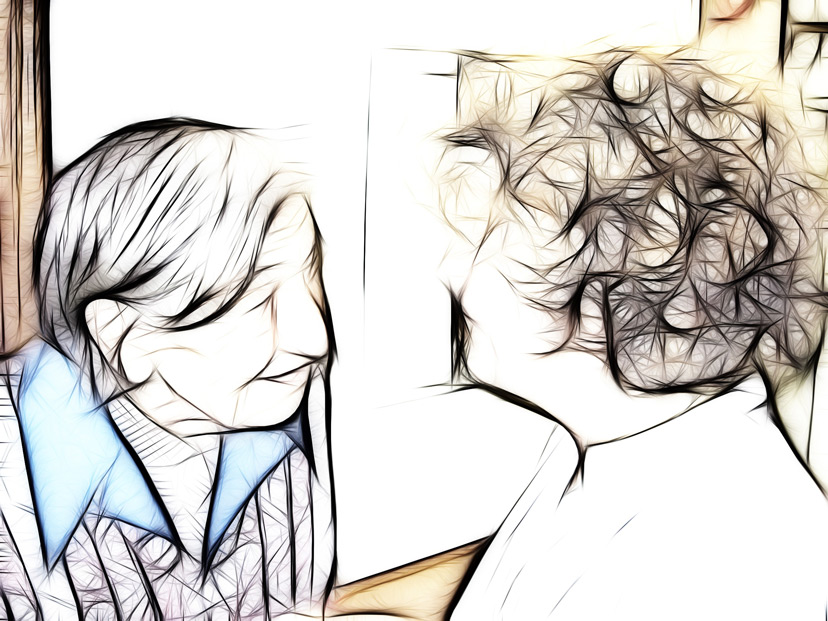
Sharing Your Alzheimer’s Diagnosis Over the Holidays

The holidays are a wonderful time to catch up and visit with family and friends you don’t regularly see. For someone recently diagnosed with Alzheimer’s disease, however, holiday get togethers may also carry new stresses and concerns: should I disclose my diagnosis?

First, it is completely normal and understandable to feel uncomfortable or even fear sharing your diagnosis with others. How will people react? Will disclosing your diagnosis affect your relationships, work, or other responsibilities? Will this person continue to support you as the disease progresses? These concerns are valid.

That said, as the disease progresses, you will need the support of your friends, family members, and other loved ones. Additionally, starting a conversation now is an important way to educate those in your life about Alzheimer’s.

For those reasons, we recommend sharing your diagnosis with individuals you trust. You may find that you want to tell close friends and family. Others choose to share with a broader group of people. Either way, you should first assess your own comfort level. The Alzheimer’s Association also recommends asking these three questions:

  • Who are the people I feel closest to?
  • Who will continue to support me with this diagnosis?
  • Who am I responsible for telling (spouse, partner, friends)?

It may also be valuable to identify individuals who you feel comfortable can disclose your diagnosis on your behalf. For instance, would you prefer your spouse/partner tell your in-laws about your diagnosis?

Once you’ve decided who to share your diagnosis with, you may want to practice the conversation beforehand or write down your thoughts.

Additionally, keep in mind these helpful tips:

1. You do not have to have a full conversation in one setting. This is just the beginning of your journey, and you and the person you are sharing your diagnosis with will continue to talk, ask questions, learn, react, and change.

2. You may want to come prepared with brochures or other information about Alzheimer’s disease. These materials might help guide the conversation and serve as valuable education.

3. Keep in mind that denial is a common reaction. You might first hear responses like, “But, you aren’t acting differently” or, “You’re too young to have Alzheimer’s.” These reactions stem from a lack of education about the disease, fear, and need for more time to process.

4. Sometimes, people respond well to clear next steps. You might consider ending the conversation by discussing how to plan for the future or provide resources to learn more about Alzheimer’s.

Overall, having an open and honest conversation with people you trust is the best way to educate, share your experiences, and discuss your expectations for the future.

For more advice and resources about sharing your diagnosis, visit the Alzheimer’s Association.

Additionally, Iona’s Helpline specialists are also available to answer your questions and provide resources and referrals. Call (202) 895-9448 and ask for our Helpline,  or email info@iona.org.


Feedback for Iona